A rest day in Vigan doesn’t have to mean “doing nothing.” It can mean doing less: slower walks, more sitting breaks, fewer paid stops, and a plan that respects heat, cobblestones, and energy levels. This guide focuses on free things to do in Vigan that stay low-effort and walkable, while clearly separating what is truly FREE (no required fee) from CHEAP (small spend likely) and PAID (tickets, tours, rides).
Reality check: in Vigan, “free” often still includes small costs around it—water, snacks, tricycle hops, or a museum fee if the weather turns. The goal is a rest-day plan that still works even if it gets hot, rains suddenly, or the heritage streets get crowded.
Quick overview (what “free” really means in Vigan and how to use this guide)
FREE in this guide means you can do it without buying a ticket or paying an entrance fee. A slow walk along the heritage streets, sitting in the plazas, and enjoying church and heritage-zone exteriors all qualify as free things to do in Vigan.
CHEAP means a small spend is likely, even if you keep it simple—tricycle rides to avoid heat, bottled water, merienda, or a paid restroom in a busy area. PAID means a ticketed museum, an organized tour, or a kalesa ride.
To keep decisions calm, treat this as a “menu” rather than a checklist. Pick two FREE stops, add one CHEAP comfort upgrade, and save PAID activities for when they genuinely improve comfort or save time. If this is part of a first trip, the Philippines travel planning guide for first-timers can help you set buffers and expectations for walking days and transport.
For a quick bit of context on why the heritage zone feels different from many towns, Vigan’s historic urban landscape is recognized internationally—see the UNESCO listing here: https://whc.unesco.org/en/list/502/. Reality check: recognition also means popularity, so your experience changes a lot depending on time of day.
Best times for a low-stress walk (morning vs late afternoon vs night, and why)
Morning (around 6:00–9:00) is usually the calmest window for free things to do in Vigan. The light is soft, the streets feel more spacious, and you can move slowly without bumping into photo groups. If you’re recovering from travel fatigue, morning lets you finish the main walking part early, then spend the rest of the day resting.
Late afternoon (around 4:30–6:30) can be comfortable again once the peak heat eases. It’s a good time for plaza sitting, people-watching, and a shorter heritage-street loop—especially if you want a gentle “reset” walk that doesn’t feel like a workout.
Night (around 6:30–9:00) is best approached as a short, well-lit stroll rather than a long wandering session. The vibe can be lovely, but low lighting plus cobblestones increases the chance of missteps, and crowds can cluster on the main heritage street.
Reality check: midday (roughly 10:00–3:30) is where many rest days go wrong—heat, glare, and fatigue stack up. If you want a low-stress Vigan day, plan an indoor or shaded break during those hours.
Free things to do in Vigan (walkable, low-effort)
These free things to do in Vigan focus on slow pacing, easy stops, and routes that don’t require long walks. The best approach is a short loop with planned sitting breaks, then a return to your accommodation for quiet time.
Calle Crisologo slow walk (timing tips and crowd control)
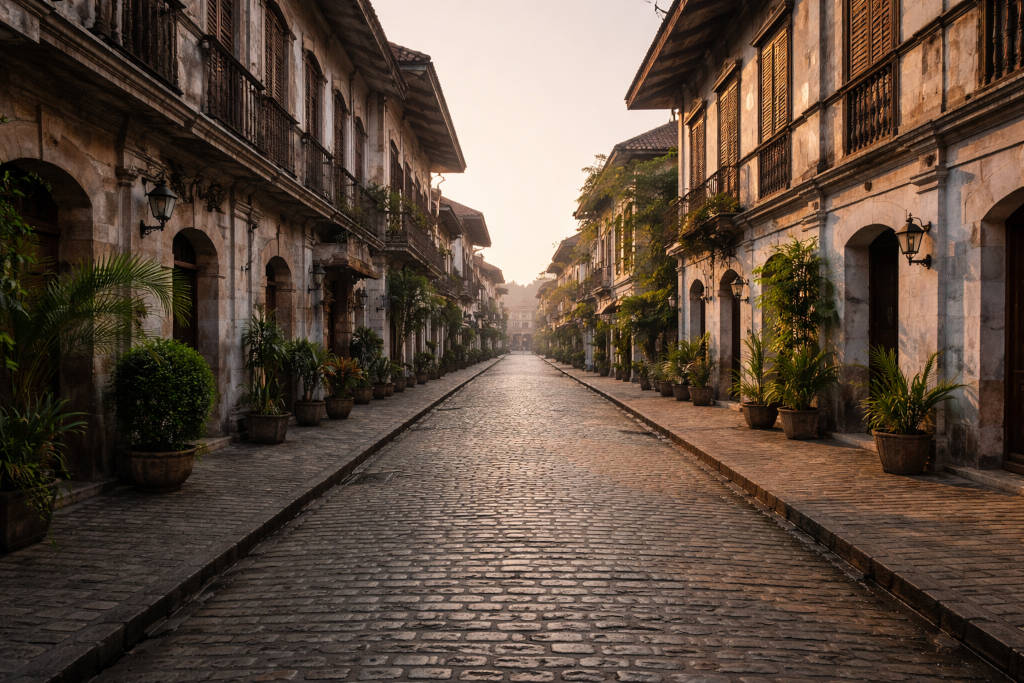
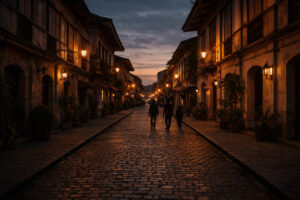 Calle Crisologo is the obvious choice, but it can still feel restful if you time it right. For a low-key rest day, treat it as a slow walk—not a photo marathon. Morning is the best window if you want space and quieter storefronts.
Decision rule for comfort: if you feel your energy dropping, end the walk early and sit somewhere shaded instead of pushing through “just one more block.” The point of free things to do in Vigan on a rest day is finishing with energy left, not finishing every spot.
Reality check: cobblestones are uneven, and some sections can be slippery after rain. Wear shoes with grip and avoid thin soles that make every stone feel sharp.
Plaza Salcedo and Plaza Burgos (sitting, people-watching, fountain timing caveat)
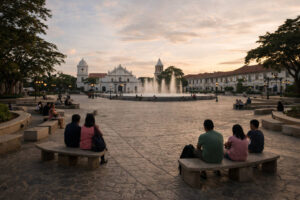 If you want rest-day activities that don’t require constant walking, Plaza Salcedo and Plaza Burgos are dependable. The best “value” here is time spent sitting: watch families, listen to street sounds, and let your legs recover.
About the dancing fountain near Plaza Salcedo: schedules can change, and it may not run daily or may shift with maintenance, weather, or local events. If the fountain matters to your plan, confirm locally the same day. If it doesn’t run, the plaza is still a good free stop for clamshell-style rest: sit, hydrate, and do a short loop when you feel ready.
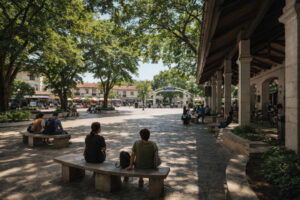 Reality check: evenings can draw bigger crowds, especially on weekends. If you prefer quieter rest, choose early morning plaza time, or arrive before dinner hours.
Church/heritage-zone exteriors (quiet stop, respectful notes)
Church and heritage-zone exteriors are some of the calmest free things to do in Vigan because they naturally slow you down. Even if you don’t plan to go inside, pausing outside for a few minutes can feel like a reset.
Keep it respectful and practical: dress modestly if you might step indoors, lower your voice near prayer areas, and don’t block entrances for photos. If there’s a service, treat it as a “look from the side” moment rather than a sightseeing stop.
Reality check: shaded areas can still feel hot in peak months. If you start sweating heavily, that’s a cue to take an indoor break or cut the walk shorter.
Free photo spots that don’t require long walks (angles and timing)
Free photo moments are easiest when they don’t add distance. Instead of chasing many spots, focus on angles close to where you already are: a heritage-house facade with morning light, cobblestone textures, a quiet corner near the plazas, or a street scene that shows tricycles passing by.
Timing rule: morning gives softer light and fewer people in the frame; late afternoon gives warmth but more activity. Night photos can be pretty, but only attempt them if you’re on well-lit routes and you’re comfortable keeping your phone secure.
Reality check: if you’re tired, photography can quietly turn into “extra walking.” Keep your photo plan simple: 10–15 minutes, then sit down again.
Cheap things that feel worth it on rest days (small spend, big comfort)
On rest days, CHEAP add-ons can be more valuable than paid attractions because they protect your energy. Think of cheap things to do in Vigan as comfort tools: they reduce heat exposure, prevent over-walking, and lower decision fatigue.
Short tricycle hops to reduce heat and fatigue (how to avoid overpaying without confrontations)
A short tricycle ride can be a smart rest-day move when the sun is high or your feet are starting to complain. It’s often worth paying for a short hop if it prevents a long, sweaty walk back to your accommodation.
To avoid overpaying without confrontations, use calm scripts and simple boundaries. Ask the fare clearly before you sit down, keep your tone neutral, and if the price feels too high, say you’ll check another tricycle and thank them. If you can, ask your accommodation for a typical range for short rides in your area so you have a baseline for cheap things to do in Vigan without feeling pressured.
Reality check: fares can vary with time of day, rain, and how busy the streets are. The goal isn’t “the cheapest fare,” it’s a fair fare that keeps the rest day smooth.
Snack breaks (budget-friendly, hydration-focused choices)
For a low-key day, snack breaks aren’t just for cravings—they’re a pacing tool. Prioritize hydration first: water, fresh juice, or a simple drink with your merienda. If you’re walking a lot, add something light with salt or carbs so you don’t crash.
Decision rule: if it’s hot and you’re sweating, pick a snack stop with seating and shade rather than a quick grab-and-go. The “rest” part matters as much as the “eat” part when building free things to do in Vigan around recovery.
Reality check: “cheap” can creep up fast if you snack too often. A small daily buffer helps—especially for water, tricycle hops, and a surprise indoor break. For examples of how travelers set daily buffers across different trip lengths, see Philippines travel budget examples (1, 2, and 4 weeks).
When it’s worth paying (and when to skip)
Paid activities can be a good choice on a rest day only when they clearly improve comfort or save time. If you’re paying out of habit, or just because it’s “famous,” it can turn a gentle day into an exhausting one.
Kalesa ride decision rules (worth it for heat/limited mobility/short time; skip if tired of crowds or budget tight)
A kalesa ride can be worth it when it replaces a long walk in peak heat, when someone in your group has limited mobility, or when you have very little time and want a short heritage-zone loop without pushing your legs too hard. If you’re aiming for free things to do in Vigan but need one paid “comfort upgrade,” a short kalesa ride can serve that role.
When to skip: if you’re already feeling overstimulated by crowds, if you dislike negotiating fares, or if your budget is tight and you’d rather spend on food, water, and rest. A slow walk plus plaza sitting can deliver the same atmosphere without the extra cost.
Reality check: crowds can cluster around popular pick-up points. If you do ride, choose a calmer time (early morning or late afternoon) and keep the ride short and purposeful.
Museums and indoor breaks decision rules (pay if it’s raining/peak heat/you want aircon time; skip if you’re only collecting photos)
Museums and indoor heritage stops are most worth paying for when the weather forces your hand: heavy rain, strong midday heat, or a day when your body needs a seated, quiet break. If your priority is recovery, air-conditioned time can be more valuable than “one more outdoor stop,” even if you’re focused on free things to do in Vigan overall.
When to skip: if you’re only collecting quick photos, if you don’t have the energy to read exhibits, or if you’re trying to keep the day truly no-fee. An alternative is to do a shorter outdoor loop and extend your accommodation rest instead.
Admission rules and visitor expectations can change. If you’re planning a National Museum-type indoor stop, review the official visitor guidelines here before you go: https://weblinks.nationalmuseum.gov.ph/wp-content/uploads/2024/03/01133954/Updated_-Visitor_-Guidelines_20240118_0001.pdf. Reality check: bag rules, ID checks, and photography rules may affect how “restful” the visit feels—so plan it as a calm block of time, not a rushed stop.
Walking-day safety notes (simple, practical, not alarmist)
Vigan is generally walkable in the heritage zone, but rest days can still go sideways if you’re tired, distracted, or walking in poor light. For a broader, practical overview, keep this bookmarked: travel safety guide for the Philippines.
Daytime walking (crossings, trikes, cobblestones, footwear)
In daytime, the most common risks are small but annoying: tricycles passing close, uneven cobblestones, and heat-related fatigue. Cross streets slowly and visibly, and don’t assume vehicles will stop quickly—especially near busy corners.
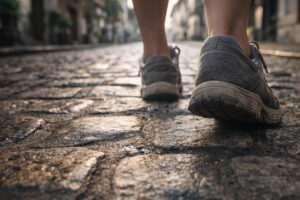 Footwear is a safety tool in Vigan. Choose shoes with grip and support, and avoid slick soles. If you’re doing free things to do in Vigan with older family members, reduce distance and add more sitting time to lower misstep risk.
Reality check: fatigue makes people careless. If you notice yourself checking your phone while stepping on uneven stones, pause, step to the side, and reset.
Night walking (stay on lit routes, avoid empty side streets, keep cash small and devices secured)
At night, keep your route short and obvious: well-lit main streets, areas with other people, and a direct path back. Avoid empty side streets even if they look like shortcuts, and don’t linger on dark corners for photos.
Practical valuables rule: keep cash small and split it (a little in a pocket, the rest secured). Keep your phone secured when not in use, and avoid pulling out a full wallet in public. If you’re doing free things to do in Vigan at night, treat it as a “short stroll and back” activity, not a long exploration.
Reality check: low lighting plus cobblestones is a trip hazard. Walk slower than usual, and don’t rush to “catch a shot” or catch up with a group.
Heat and rain plan (what to bring, where to reset, how to avoid getting stuck)
A rest day works best when you plan for weather instead of reacting to it. Heat and sudden rain are normal in the Philippines, and the heritage zone doesn’t always offer continuous shade. Build your free things to do in Vigan around weather-friendly pacing.
Heat checklist (water, hat, sunscreen, rest stops)
 Bring water even for short loops. Add a hat or umbrella for shade, sunscreen, and a small towel or handkerchief. Plan a rest stop before you “need” it—plazas are ideal for this because sitting is the main activity.
Decision rule: if you’re already sweating heavily and the next stop is a long walk away, that’s when a cheap tricycle hop becomes worth it. The rest-day goal is preventing overheating, not proving you can walk everything.
Reality check: dehydration can feel like “random tiredness.” If your mood drops suddenly, drink water and sit for 10 minutes before deciding what to do next.
Rain checklist (umbrella/poncho, waterproof bag, non-slip shoes, indoor backup)
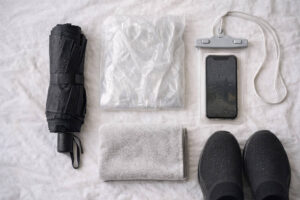 Bring a compact umbrella or poncho and a waterproof pouch for your phone and documents. If it rains, cobblestones can get slick, so non-slip shoes matter even more.
Have one indoor backup ready: a museum, a café with seating, or simply returning to your accommodation earlier than planned. This keeps free things to do in Vigan from turning into “getting stuck outside” when rain hits.
Reality check: don’t try to “wait out” heavy rain while standing in the street with bags. Move to a safe, covered area and reassess calmly.
Simple half-day rest plan (with a rain backup)
This template is designed for tired travelers who want a gentle rhythm, not a packed itinerary. Adjust the times based on your sleep and the season.
6:30–7:30: Slow walk on Calle Crisologo while it’s quiet, keeping the loop short and stopping for a few photos only if it feels easy.
7:30–8:30: Breakfast and hydration, preferably somewhere with seating and a calm pace. If you’re walking later, refill water now.
8:30–9:30: Plaza Salcedo or Plaza Burgos sitting time. Treat this as a real rest block: sit, people-watch, and avoid adding “just one more stop.”
9:30–11:30: Indoor or shaded reset. This can be a simple return to your accommodation for shower and quiet time, or a short indoor visit if the heat starts early.
4:30–5:30: Gentle late-afternoon loop: a short heritage-zone exterior walk, then back to the plaza for sitting time.
6:30–7:30: Optional short night stroll on well-lit routes only, then return directly. Keep it short, keep valuables secured, and end early enough that the day still feels restful.
If it rains swap: keep the early morning loop only if it’s safe, then replace the late-afternoon walk with an indoor break (museum or café) and a longer accommodation rest. If the rain is heavy, skip night walking and treat your “activity” as recovery—your best rest day sometimes looks like less.
Reality check: the success of a rest day is not how many places you covered. It’s how you feel the next morning. Free things to do in Vigan work best when they protect your energy.
Next reads: if you’re building more calm, practical days like this, browse more Tips and Inspiration for route guides, budgeting ideas, and planning templates that fit real travel energy.