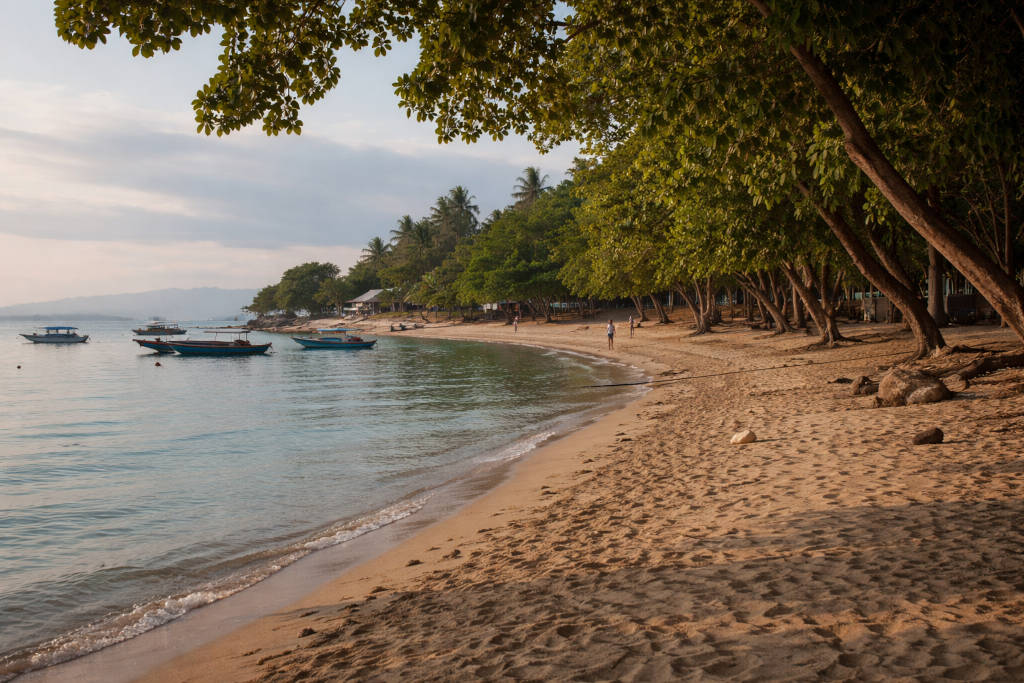
Moalboal is the kind of coastal town that can keep the day interesting even when energy is low. A “rest day” here is not about cramming activities—it’s about reducing decisions, limiting heat exposure, and keeping spending light while still enjoying the shoreline rhythm. This guide focuses on free things to do in Moalboal that work when legs are tired, plus a short list of cheap (not free) comfort upgrades that make the next day easier.
For quick context, Moalboal is a municipality on the southwest coast of Cebu, known for easy access to the sea and the sardine run near the Panagsama area.
At-a-Glance
Best time blocks: Early morning (6:00–9:00) and late afternoon (4:30–6:30) for cooler walks and softer sun. Midday is best spent in shade.
Realistic rest-day pace: 2–4 hours “out,” with long breaks, then back to a cool place before peak heat.
Budget band: Free to low-cost. Even on rest days, plan for water, a small snack, and optional short transport.
Crowd and traffic risk: Panagsama Beach paths can get busy near sunset and meal times; roadside walking is easier in daylight.
Rain or heat backup: Keep a “short loop” plan that stays near your base in Basdiot or town, with a covered merienda stop and a dry change of clothes.
Reality Check: Rest days still feel hot in Cebu, even when cloudy. Planning around shade and timing matters more than the activity list.
What “Rest Day” Means in Moalboal
A rest day in Moalboal is a low-energy day designed to protect tomorrow: fewer transfers, fewer “must-dos,” and less sun exposure. Instead of chasing distance (or forcing a tour), it’s about small wins—an early shoreline walk, a simple resupply loop, a slow sunset, and time to reset plans.
Moalboal also has a helpful rest-day feature: you can enjoy the coast without committing to an all-day itinerary. Panagsama Beach has easy access points, while quieter stretches can be reached with a short tricycle ride if walking feels too long.
Reality Check: “Low-key” does not mean “no friction.” Expect uneven paths near the shore, occasional construction, and strong sun that can feel draining even on a short walk.
Quick Rules: What Counts as Free vs Cheap vs Paid in Moalboal
Use this simple sorting system to keep spending intentional—especially useful on days when decision fatigue is real. If planning basics feel overwhelming, keep a bookmark to Philippines Travel Planning Guide for First Trips for a checklist-style approach.
- Free: No required fee to enter or do the activity (walking loops, sunset watching, shoreline shade scouting, people-watching, photo walks, planning and journaling).
- Cheap (not free): Small spends that buy comfort or reduce risk (tricycle rides, drinking water, light merienda, basic gear rental, occasional small entrance or environmental fees depending on the spot).
- Paid: Boats, full tours, and guided activities—worth it when safety and conditions demand it, not just because it’s offered.
Reality Check: “Free” can still come with small practical costs (water, sun protection, or a short ride back). Build a tiny buffer so you don’t end up “forced” into a pricier choice.
Truly Free Things to Do in Moalboal (Rest-Day Friendly)
These ideas aim for maximum calm and minimum commitment. Pick one “anchor” (morning OR sunset), then one short loop (resupply OR photo walk). Anything beyond that is optional.
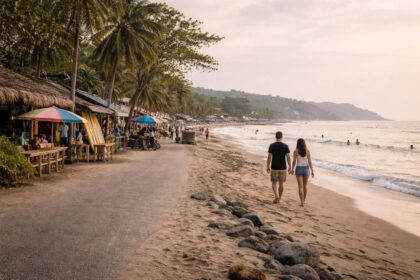
Early morning shoreline walk and shade scouting around Panagsama
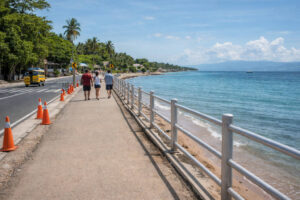 Start early, when the air is cooler and the shoreline feels quieter. Walk the accessible stretches near Panagsama Beach and note where shade falls—trees, covered seating, and breezier corners. The goal is not steps; it’s mapping comfort zones you can return to later.
If the sea looks calm, it can also be a good time to watch the water surface and learn the “mood” of the day—windy or still, clear or churned. This helps decide whether a swim is a good idea later (or whether staying dry is the smarter rest-day move).
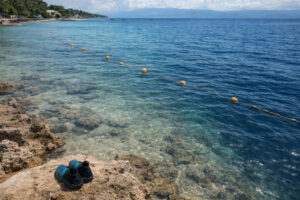
Reality Check: Some shoreline sections have rocky entries and sudden drop-offs. Wear stable sandals or water shoes if you plan to step near the waterline, and don’t assume “near shore” means “easy.”
Sunset watching spots and simple pacing tips
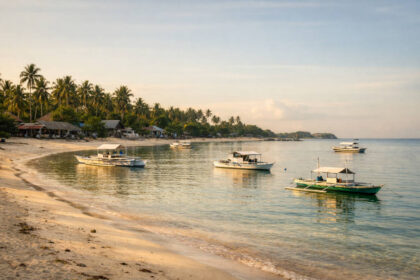
Sunset is one of the best free things to do in Moalboal because it doesn’t require gear or transport—just timing. Aim to be in position 20–30 minutes before golden hour, then keep the plan simple: sit, hydrate, and let the sky do the work.
For pacing, use a “two-stop rule”: one stop for a cool drink (even just water), then one stop for the actual sunset view. This prevents the common rest-day trap of turning sunset into a long, tiring wandering session.
Reality Check: Sunset also attracts crowds. If Panagsama Beach feels busy, step slightly away from the densest area and prioritize a safer, less cramped spot over the “perfect” angle.
Window shopping and resupply loop (market or town essentials) without turning it into a “shopping day”
A rest day is a good time to quietly fix tomorrow’s problems: refill water, buy snacks, pick up sunscreen, or replace a broken strap. Keep it gentle by using a short list and a firm time cap (example: 30–45 minutes). The win is convenience, not browsing every shelf.
If staying in Basdiot, keep the loop close and walk in daylight when roads are easiest to read. If staying nearer to town, do the same: a short essentials loop, then back to shade.
Reality Check: It’s easy to over-walk “just checking one more place.” Decide your turnaround time before leaving, especially if midday heat is rising.
Low-effort coastal photo walk (no long transfers)
If the body wants slow movement but the mind wants something “to do,” try a short photo walk: textures (sand, rock, boat ropes), small scenes (fishermen, bangkas, signage), and color (sky shifts, plants, painted walls). Keep it close to your base so it stays restorative.
Reality Check: Salt air and sudden drizzle happen. A simple dry pouch or zip bag helps protect phones and keeps the walk stress-free.
Plan tomorrow in a shaded spot (the underrated rest-day activity)
Moalboal days feel easier when plans are realistic. Use a shaded break to check travel time estimates, build buffers, and decide one priority for tomorrow. Even 15 minutes of planning can prevent last-minute expensive rides or rushed bookings.
Reality Check: Over-planning can also drain energy. Set one goal: “make tomorrow simpler,” then stop.
Cheap but High-Value Rest Day Ideas (Small Spend, Big Comfort)
 These options are not free, but they can be worth it because they reduce heat load, cut walking on unsafe roads, or add comfort that supports recovery. If you like seeing sample daily budgets before deciding, Philippines Travel Budget Examples can help you choose a sensible range for a “rest day spend.”
Reality Check: Prices vary by season and exact location. Treat ranges as planning estimates, then confirm on the ground before committing.
Shore snorkeling plan (what you may need to rent, safety basics, when to skip due to conditions)
Shore snorkeling can be a gentle add-on if the sea is calm and you already feel confident in the water. What you may pay for: mask and snorkel rental, fins, and sometimes a life vest if you want extra float support. Water shoes are often worth it on rocky entries.
- Go early: Calmer water is more common in the morning. It also reduces sun exposure.
- Keep it short: 15–25 minutes is enough on a rest day.
- Skip when: strong wind, choppy surface, low visibility, or if you feel weak or dehydrated.
- Basic safety: never snorkel alone; stay within your comfort zone; avoid standing on coral; watch for boat paths.
Reality Check: The sardine run area can be tempting, but currents and crowding can change quickly. A shorter, safer session is more “rest-day correct” than pushing for a longer swim.
Short tricycle ride to a quieter stretch (decision logic, return timing)
Paying for a short tricycle ride can be smart when walking would mean sharing narrow roads with traffic under strong sun. This is especially useful if you want a calmer feel away from the busiest strip, or if you’re considering White Beach Moalboal for a slower shoreline break.
Decision logic: Choose a ride when (1) the sun is high, (2) you’d be walking beside traffic for more than 10–15 minutes, or (3) you’re carrying water and essentials. Walk when the route is shaded, daylight is clear, and you feel steady on your feet.
Return timing: Plan your ride back before it gets too dark. If staying late for sunset, confirm pickup options so you’re not stranded or forced into a higher price.
Reality Check: Rest days can make small hassles feel bigger. A pre-agreed pickup point and an early return plan often feel “worth paying for,” even if the ride is short.
Cafe or merienda reset (when paying for shade and water is worth it)
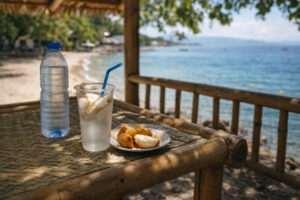
Sometimes the best rest-day upgrade is simply buying shade. A cold drink, light merienda, and a seat can protect you from peak heat and help you rehydrate. What you’re paying for is not “food as an activity,” but comfort: cooling down, using a clean restroom (where available), and having a safe place to regroup.
When it’s worth it: midday heat, after a short walk, or before sunset when crowds build. When to keep it simple: if you’ve already had a heavy meal and your body wants quiet, not stimulation.
Reality Check: Popular places can fill up at meal times. If seating is limited, treat it as a quick reset, not a long stay.
When It’s Worth Paying in Moalboal (And When It’s Not)
Rest days are where many travelers accidentally overspend—often due to “quick offers” that sound convenient. Use these simple rules to keep choices calm and practical.
Reality Check: Sales talk can feel louder when tired. A clear rule set prevents rushed decisions you’ll regret the next morning.
Worth paying: licensed guides for high-risk activities, safe boats, proper gear
- Pay for a guide when conditions are uncertain (currents, visibility, waves), when you’re not confident in water, or when the activity has higher risk (boat-based snorkeling, freediving, cliff or waterfall areas outside town).
- Pay for a proper boat when going farther out (example: Pescador Island). A safe boat, life vests, and a responsible operator matter more than the cheapest price.
- Pay for proper gear if you don’t have it. A decent mask fit and a float option (life vest) can turn a stressful attempt into a calm, short session.
Not worth paying: rushed “bundle” add-ons on rest days, overpriced short hops when walking is safe
- Avoid rushed bundles that pack multiple stops into a short window. On a rest day, that pacing usually backfires.
- Skip “extra fees” that don’t improve safety or comfort (example: paying more just to be hurried to a viewpoint when a nearby sunset spot is equally good).
- Don’t overpay for very short hops if the route is safe to walk in daylight and you’re not carrying heavy items. Save the budget for heat-proofing (water, shade breaks) or safer transport when needed.
Walking-Day Safety Notes (Simple, Specific, Non-Alarmist)
 Moalboal is generally approachable for walking, but rest days can lower attention. Small safety habits keep the day smooth. For a wider safety checklist you can reuse across destinations, see Travel Safety in the Philippines Guide.
- Daytime vs night: Do longer walks in daylight. At night, keep routes short, stick to well-lit areas, and avoid unlit roadside stretches.
- Road awareness: Cebu roads can be narrow. Walk facing traffic when possible, stay alert at corners, and avoid headphones at full volume.
- Valuables: Carry only what you need. Use a crossbody bag in front, and keep phones away from the edge of the road.
- Hydration: Bring water even for “short” loops. Heat sneaks up fast near the coast.
- Footwear: Choose stable sandals or shoes. Rocky edges and uneven pavement can cause slips, especially when tired.
- Water safety: Don’t enter the sea if you feel weak, dizzy, or dehydrated. Watch for boat movement and avoid swimming alone.
For closures, advisories, and local updates (including weather-related notes), it’s helpful to check the Moalboal LGU website before committing to a plan that depends on conditions.
Reality Check: The biggest rest-day risk is not dramatic—it’s small mistakes: sunburn, dehydration, or a slip on rocks. A slower pace and better footwear prevent most problems.
Heat and Rain Planning (Timing Blocks, What to Pack, What to Do if Weather Flips)
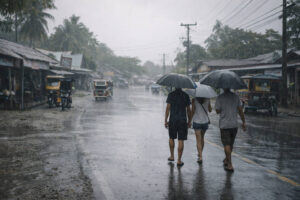 Moalboal weather can shift quickly. A rest day becomes much easier when it’s built around timing instead of distance.
- Best time blocks: 6:00–9:00 for walking, 9:00–11:00 for a short sit-down break, 11:00–3:00 for shade (or a nap), 4:00–6:30 for sunset pacing.
- Midday plan: Choose one shaded place to stay put—cafe, covered seating, or your accommodation—then only do “micro-errands.”
- If it rains: Switch to a short covered loop (resupply, light merienda), then return to a dry base. Avoid slippery rocky entries and postpone any water activity.
- What to pack: refillable water bottle, hat or cap, sunscreen, light towel, small umbrella or rain jacket, and a dry pouch for electronics.
If strong sun hits, prioritize shade and fluids over “pushing through.” If you want a calm add-on for editors, a short, quiet clip of a Panagsama shoreline walk or a sardine run view from shore can set expectations—but the day should still work without it.
Reality Check: Cloud cover can still burn. Sun protection matters even when the sky looks “soft.”
Simple Half-Day Rest Plan in Moalboal
These half-day plans are designed to feel complete without feeling packed. They also fit well into a longer itinerary that includes buffer days like Moalboal Itinerary 5 Days with Realistic Buffers.
Half-day plan: Sunny
- 6:30–8:00: Easy shoreline walk near Panagsama Beach. Shade scout, take a few photos, hydrate.
- 8:00–9:00: Light breakfast and refill water. Keep it simple, avoid heavy meals if you still feel tired.
- 9:00–10:30: Optional short shore sit (watch boats, people-watch) or a 15–20 minute calm swim only if conditions look safe and you feel strong.
- 10:30–12:00: Back to shade. Quick resupply loop only if needed (sunscreen, snacks), then stop.
Reality Check: The sunny plan works best when you end it before peak heat. Finishing “early” is the point—it protects your afternoon recovery.
Half-day plan: Rainy
- 7:00–8:00: Short covered walk close to your base in Basdiot or town (choose safer pavement, avoid slippery rocky edges).
- 8:00–9:30: Merienda-style reset: warm drink, light snack, charge devices, dry off.
- 9:30–10:30: Plan tomorrow: confirm transport timing, list essentials, pick one priority activity for the next clear day.
- 10:30–12:00: Rest properly (nap, stretch, early lunch). Keep the rest of the day flexible.
Reality Check: Rain can come in bursts. Avoid the trap of repeatedly stepping out to “check” the weather—pick one short loop, then commit to rest.
Free Things To Do In Moalboal FAQ
What are the best truly free things to do in Moalboal on a rest day
The best free picks are the ones that don’t require long transfers: an early shoreline walk and shade scouting around Panagsama Beach, a calm sunset watch with minimal walking, a short resupply loop (strict time cap), and a low-effort photo walk close to your base. These keep decisions simple while still giving the day a “complete” feel.
Which activities are cheap but not free, and what should you budget for
Cheap-but-not-free options include a short tricycle ride to reduce roadside walking, basic snorkeling gear rental (mask/snorkel, fins, or a life vest for float support), and paying for a drink or merienda to buy shade and hydration. Budget a small comfort buffer for water, a snack, and one short ride—especially if heat is intense.
Can you snorkel at Panagsama Beach without paying for a tour
Yes, shore snorkeling is possible without a tour if you stay within safe, nearshore comfort zones and conditions are calm. What may still cost money is gear rental if you don’t have your own. On a rest day, keep sessions short, avoid crowded or choppy conditions, and never snorkel alone.
When is it worth paying for a boat trip or a guide, and when is it not
It’s worth paying when safety improves: boat trips to farther spots (such as Pescador Island), guided activities with higher risk, and situations with uncertain conditions (currents, poor visibility, wind). It’s usually not worth paying for rushed bundles, add-ons that don’t improve safety or comfort, or overpriced short hops when the route is safe to walk in daylight.
How do you plan around heat, sudden rain, and strong sun in Moalboal
Plan around timing blocks: early morning and late afternoon for walking, midday for shade. Pack water, sun protection, and a small umbrella or rain layer. If weather flips, switch to a short covered loop (resupply + merienda) and postpone water activities until conditions are clearly safe.
What are practical safety tips for walking days around Panagsama and town
Walk longer routes in daylight, stay aware of narrow roads, and keep valuables secure in a crossbody bag worn in front. Bring water even for short loops, wear stable footwear for uneven surfaces, and keep nighttime routes short and well-lit. For closures or advisories, checking local updates can prevent wasted effort.
Is White Beach Moalboal worth the trip on a rest day
It can be worth it if your goal is a quieter shoreline feel and you’re willing to spend a little on transport (and any small local fees that may apply). It’s less worth it if you’re already tired, the weather is unstable, or you’d be forced to stay out in peak heat. A good compromise is going early, staying briefly, then returning before midday.
What should non-swimmers do for a low-key day in Moalboal
Non-swimmers can still enjoy Moalboal comfortably by focusing on dry, low-effort activities: shoreline walks that stay on safer paths, shaded sunset viewing, a simple resupply loop, and a cafe or merienda reset. If entering the water feels tempting, keep it to ankle-deep wading only in calm areas, and never go alone.
Wrap-Up: How to Keep Tomorrow Easier (Sleep, Hydration, Light Schedule Buffers)
A successful rest day is one that makes tomorrow smoother: drink extra water, keep dinner light, and sleep early. Build a small time buffer into the morning so you’re not rushing into heat or crowds. If the day felt hectic, simplify: choose one priority for tomorrow and let the rest be optional.
For more planning-first travel ideas and practical resets like this, browse Tips and Inspiration and keep a few “low-effort templates” saved for future trips.