Not every day on a trip needs to be “big.” Sometimes the best move is a rest day that keeps your steps low, your decisions simple, and your exit options easy. This guide focuses on Free things to do in Davao City that still feel worthwhile even when you’re low on energy—plus the small costs, heat timing, rain backups, and safety habits that matter most.
If you’re still shaping your full itinerary (especially for a first-time visit), start with this Philippines travel planning guide for first trip so your rest day fits naturally into your pacing. For more ideas beyond this rest-day list, browse Davao travel guides and tips as a quick “what else is nearby?” reference.
At-a-Glance: Free Things to Do in Davao City for Rest Days
 Best time window: Early morning (cooler, calmer) or late afternoon into early evening (less heat, better walking comfort).
Realistic travel time: Aim for 10–20 minutes between stops. If a place needs a long cross-city ride, it stops being a rest day.
Budget band: Mostly free, but expect small comfort costs (rides, water, snacks, occasional paid restroom).
Crowd and traffic risk: Weekends and evenings can be busy in central areas; roads can feel more stressful at rush hour.
Heat and rain backup: Always keep one indoor option (museum, mall seating, quiet church) ready to swap in if humidity spikes or rain starts.
Reality Check: Davao City can feel easy to navigate, but heat and sudden rain are the two biggest “mood changers” on a free walking day.
Rest-day rules for Davao City: keep it close, shaded, and easy to exit
A good rest day is less about “doing everything” and more about avoiding the things that drain you: long travel time, midday heat, and crowded queues. Choose two or three small stops you can leave quickly if you start feeling tired.
Reality Check: Even short distances can feel longer in humid weather, especially if sidewalks are uneven or there’s little shade on some streets.
What “free” really means: small costs you should still expect (rides, water, snacks)
Most “free days” still come with a few predictable expenses: a short taxi or ride-hailing trip to avoid heat, bottled water or electrolyte drinks, a light merienda, and occasional paid restrooms (especially in busy areas). If you like seeing how these small costs add up across a whole trip, skim Philippines travel budget examples for 1, 2, and 4 weeks and use it as a reality check for your own pacing.
Practical tip: bring small bills and coins for quick purchases, and keep a “rest-day buffer” so you don’t feel guilty about paying for comfort when you genuinely need it.
Quick decision: walk vs short ride vs stay in
Walk if it’s early/late, you have shade options, and you can cross streets safely without stress. Take a short ride if it’s midday, you’re sweaty before you even arrive, or the route feels too exposed or traffic-heavy. Stay in (or keep it inside one complex) if you’re recovering from a late night, a travel day, or any stomach or heat fatigue.
If you’ve done a faster-paced base in the Philippines before, you’ll recognize how much pacing matters. The planning rhythm is similar to what’s described in the Cebu travel guide for city base planning: keep your “big days” big, and protect your “rest days” from accidental over-scheduling.
Free and low-key places that work well for rest days (group by energy level)
If you want a broader overview of neighborhoods, food, and classic sights (beyond the low-energy list), keep this saved: Davao travel guide for durian and eagles. For this rest-day guide, the goal is simple: short visits, minimal walking loops, and plenty of shade or air-conditioning.
Reality Check: “Free” spots are often public spaces, which means occasional maintenance closures or event crowds—having one backup stop makes the day smoother.
Easy walks and parks near downtown (aim for short distances, shaded paths)
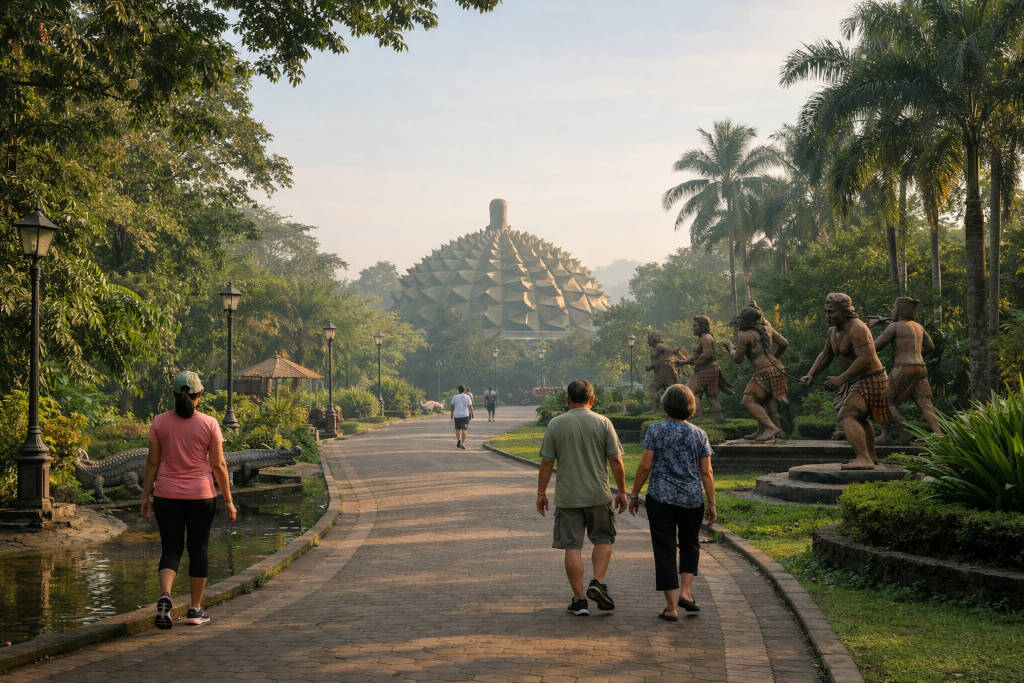
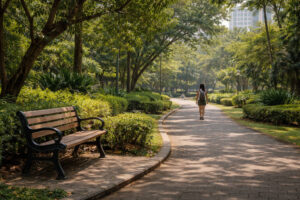 People’s Park is one of the most practical rest-day choices: you can do a gentle loop, sit on a bench, and people-watch without committing to a long itinerary. For the most reliable basics (and updates that may affect access), use the city’s official reference: People’s Park information. Go early if you want cooler air and fewer crowds; go late afternoon if you want softer light and a calmer pace.
Other low-energy options are small plazas and open spaces around central Davao City where you can stop for 10–20 minutes, take photos, and move on. Treat these as “bonus pauses” rather than major destinations.
Low-energy alternative: If even a park loop feels like too much, choose one shaded bench goal: arrive, sit for 15 minutes, then decide if you want a second stop.
Culture stops that don’t feel exhausting (museums, quiet exhibits, short visits)
The National Museum of the Philippines – Davao is a strong pick for a calm, air-conditioned break that still feels meaningful. Use the official page to check notices and visitor guidelines before you go: National Museum of the Philippines – Davao. Keep expectations simple: plan for a short visit, focus on one or two galleries, and leave while you still feel fresh.
Reality Check: Many museums have days with limited hours or closures, and policies can change—checking the official page the same day prevents wasted effort.
Low-energy alternative: If the museum is closed, swap to a quiet indoor break (mall seating or a calm café) and save culture for another day.
Churches and heritage corners (quick look, respectful behavior, when to go)
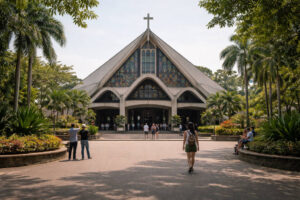 San Pedro Cathedral (and nearby heritage corners) can work well for a short, respectful stop—especially earlier in the day when it’s cooler and less crowded. Keep clothing modest, speak quietly, and avoid blocking walkways during services. A 10–15 minute visit can feel grounding without draining you.
Reality Check: Religious spaces can get busy unexpectedly, and photography rules may vary—be ready to keep your visit short and respectful if activity picks up.
Low-energy alternative: If it’s crowded, skip the interior and just take a quick exterior look, then move to your air-conditioned break.
Night option if you still have energy: Roxas Avenue Night Market (how to keep it calm)
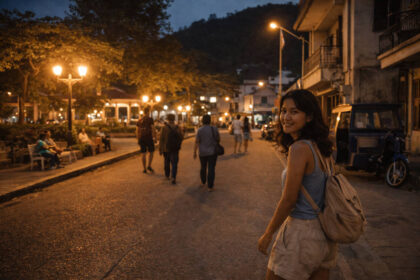
Roxas Avenue Night Market is free to enter and browse, but it’s not automatically a “rest” environment—crowds, heat, and noise can spike, especially at peak hours. If you only want a light, calm evening, the strategy is to go earlier, walk one short stretch, buy one simple snack, then leave before it gets too packed.
For food context and what to expect from street market pacing, this is a helpful companion read: Filipino street food diaries in Manila, Cebu, and Davao.
Reality Check: Night markets are fun, but they can be tiring fast—treat it like a 30–45 minute “stroll and snack,” not a full evening plan.
Low-energy alternative: If the market feels too crowded, do a short, well-lit walk nearby and end the night with a quiet indoor cool-down instead.
Heat plan for Davao City (comfort-first timing)
Davao City heat and humidity can build quickly, and that’s often what turns a “free walking day” into an exhausting day. Timing matters more than ambition.
Reality Check: If you start sweating heavily within minutes, you’ll spend the rest of the day trying to recover—switch to shade or air-conditioning early, not later.
Best walking windows (early morning, late afternoon)
For most travelers, the easiest walking window is early morning (roughly after sunrise through mid-morning). Late afternoon is the second-best choice, especially if you want a gentle park loop and then an early dinner. Midday walking is possible, but it usually feels less “free” because you’ll end up buying more water, more cold drinks, and more rides just to stay comfortable.
Midday strategy: air-conditioned breaks that don’t require “attraction spending”
 Your simplest midday reset in Davao City is an air-conditioned public space where you can sit without pressure: a mall seating area, a food court corner, or a café where you can slowly finish one drink. This isn’t “paying for an attraction”—it’s paying for comfort and recovery.
If you like the idea of calm café breaks as a travel rhythm (especially on rest days), the mood is similar to the approach in this Baguio coffee guide for calm cafe breaks, just with a Davao City heat twist: prioritize shade and air-conditioning over chasing a long list.
Hydration and clothing notes for humid days
Bring a refillable bottle if you can, but don’t rely on refills being convenient everywhere—having a backup bottled water plan helps. Light, breathable clothing, a small towel or handkerchief, and comfortable sandals or shoes with grip make short walks feel easier. If you’re sensitive to heat, consider an electrolyte drink during the hottest hours and schedule your longest “outdoor time” before the day fully warms up.
Rain plan (what to do when it suddenly pours)
Rain in Davao City can shift from drizzle to downpour quickly. A rest day becomes much calmer when you plan for “sudden pour behavior” in advance.
Reality Check: When rain hits, transport demand can jump and sidewalks can get slick—having an indoor swap prevents rushed decisions.
What to bring (umbrella, light rain layer, dry bag for phone)
On a rest day, a compact umbrella does more than a raincoat for most situations. Add a light rain layer if you get cold in air-conditioning, plus a small plastic pouch or dry bag for your phone and power bank. If you’re carrying snacks or a towel, keep them in a separate inner pocket so you’re not digging through a wet bag later.
Swap list: outdoor stops to indoor stops without losing the day
Build a simple “swap ladder” before you step out:
Outdoor plan: park loop or short downtown walk → Indoor swap: museum visit → Backup indoor: mall seating or quiet café → Quick close-out: short church stop if nearby and appropriate.
This keeps the day flexible without forcing you to cross the city in bad weather.
When it’s worth paying (and when it’s not)
“Mostly free” doesn’t mean you must avoid spending at all costs. On a rest day, small paid choices often protect your energy and reduce risk.
Reality Check: The most common rest-day mistake is paying with time and fatigue instead of paying a small amount for comfort.
Worth paying: short taxi rides to avoid heat exhaustion or long unsafe walks
If the route is exposed, the sidewalks are uneven, or the sun feels aggressive, a short taxi ride can be the best-value spend of the day. Choose official, clearly identified transport options where possible, and keep your destination written down for clarity.
Worth paying: one “signature” paid stop only if you have the energy and time buffer
If you truly feel okay and want one “anchor” activity, pick only one—then build the rest of your day around recovery time. Signature stops that are farther out (or involve waiting) can be great on a normal sightseeing day, but they can overwhelm a rest-day goal. The key test: can you exit easily if your energy drops?
Not worth paying: long travel time for a “rest day” or pricey packages when you’re tired
Long day trips, multi-stop packages, and anything with tight schedules tend to defeat the point of resting. If you’re tempted, consider postponing: you’ll enjoy it more on a day when your body and weather conditions are on your side.
Safety notes for walking days in Davao City
For deeper safety planning habits you can apply across the Philippines (not just Davao City), keep this bookmarked: Travel safety Philippines guide. For a rest day specifically, the goal is to reduce exposure: fewer long walks, more predictable routes, and calmer timing.
Reality Check: Even in places that feel generally orderly, distractions (heat, crowds, phones) are what usually create small safety problems.
Pick busy, well-lit areas and daylight hours for longer walks
Do most walking in daylight and in areas with regular foot traffic. If you’re unsure about a street, choose the more active route, even if it’s slightly longer. For evenings, keep it simple: one destination, one route back, and avoid turning the night into a long wandering loop.
Simple anti-theft habits (phone handling, bags, cash split)
Hold your phone with two hands when using it outdoors, and avoid keeping it loosely in a back pocket. Keep your bag zipped, wear it in front in crowded areas, and split cash between two places so a single mistake doesn’t ruin the day. In night market crowds, treat your pocket space as “hands-on” space—keep awareness high and movements simple.
Street-crossing and traffic awareness basics
Cross at safer points whenever possible, and don’t assume vehicles will stop just because you have the right of way. Watch for motorcycles and turning vehicles, especially near corners. If you feel rushed, pause and cross with a small group.
What to do if you feel unwell from heat or fatigue
Stop early: move to shade, sit, drink water, and cool your neck or wrists if you can. If symptoms feel serious (dizziness, nausea that won’t pass), get help from staff or security in a nearby establishment and consider a short ride back to your accommodation rather than pushing through.
Simple half-day rest plan (provide 2 versions)
These half-day plans are intentionally conservative: 2–3 stops max, short distances, and easy exit points. Adjust based on where you’re staying and how the weather feels.
Reality Check: If you try to add “just one more stop” repeatedly, the day quietly stops being a rest day.
Dry-day half-day plan (2 to 3 stops max, plus an air-conditioned break)
Stop 1 (early): People’s Park for a short loop and a bench break (aim for 30–45 minutes total). Keep it gentle—this is a mood reset, not a step challenge.
Stop 2 (mid-morning): National Museum of the Philippines – Davao for a focused, short visit (pick one or two galleries, then leave while you still feel good).
Air-conditioned break (late morning to midday): Sit in a mall seating area or a quiet café for 45–90 minutes. This is your “recovery block.”
Optional Stop 3 (if still comfortable): A quick, respectful stop at San Pedro Cathedral (10–15 minutes) before heading back.
Exit points: After each stop, decide: continue, or end the half-day and rest. Either choice is valid.
Rainy-day half-day plan (mostly indoors, minimal walking)
Stop 1 (timing flexible): National Museum of the Philippines – Davao (or another indoor cultural stop nearby if open). Keep your visit short and calm.
Stop 2 (buffer): Air-conditioned seating break in a mall or café. Let the rain pass before moving again.
Optional Stop 3: If rain lightens and you’re nearby, do a quick exterior look at a downtown church or landmark—then end the day early.
Exit points: If rain worsens, skip Stop 3. The win is staying comfortable and avoiding stressful crossings or long waits for transport.
Free Things To Do In Davao City FAQs
What are the most realistic free things to do in Davao City for a low-energy rest day?
Prioritize short, close stops: a gentle park loop (like People’s Park), a quiet museum visit (like the National Museum of the Philippines – Davao), and a short church stop (like San Pedro Cathedral). Add one long air-conditioned break so the day feels restorative, not “busy.”
Which places are actually free, and which ones usually have entrance fees?
Public parks and many public spaces are typically free to enter, and some museums may be free or have free-entry policies. Other attractions (especially farther-out nature parks and specialty sites) often have entrance fees and transport costs. Because policies can change, check official pages and on-site signage the same day you plan to visit.
When is it worth paying for a ride or a paid attraction, and when can you skip it?
Pay for short rides when heat, rain, or route stress would drain you. Save paid attractions for days when you have energy and a time buffer. If you’re tired, skip long travel time and anything that locks you into a schedule.
What is a simple half-day rest plan in Davao City that avoids long travel time?
Pick one park stop, one indoor stop, and one long air-conditioned break—then go home early. The dry-day and rainy-day half-day plans above are designed to keep distances short and decisions easy.
Is it safe to walk around downtown Davao City and what precautions help most?
Many travelers find downtown Davao City workable for daytime walking, but basic precautions still matter: stay in busy areas, keep valuables secured, avoid distracted phone use, and choose safer crossings. If a route feels uncomfortable, switch to a short ride.
What time of day is best for walking in Davao City because of heat and humidity?
Early morning and late afternoon are usually the most comfortable. Midday often increases fatigue and “hidden costs” (extra water, extra rides, more cooling stops).
What should you do if rain starts suddenly while you’re out?
Move to the nearest indoor spot, wait for the heaviest rain to pass, and switch to your indoor backup plan (museum, mall seating, café). Avoid rushing across wide roads when visibility is poor and surfaces are slippery.
Is Roxas Avenue Night Market still worth it if you only want a light, calm evening?
Yes—if you treat it as a short stroll. Go earlier, stay near the edges, buy one snack, and leave before peak crowding. If it feels too intense, skip it and choose a quiet indoor cool-down instead.
Where can you take an air-conditioned break without “paying for an attraction”?
Mall seating areas, food courts, and calm cafés are the simplest. You might spend a little on a drink or snack, but you’re mainly paying for comfort and recovery, which is often the point of a rest day.
What small costs should you expect even on a mostly free day?
Expect transport (short rides), water and cold drinks, light snacks, occasional restroom fees, and small convenience purchases (like an umbrella or phone cover). Planning these as normal rest-day costs keeps the day practical and stress-free.
Rest days are part of good travel planning, not a “wasted” day. When you keep your stops close, time your walks for comfort, and protect your energy with shade and air-conditioning, Free things to do in Davao City can still feel satisfying—without turning into another exhausting itinerary. If you want more low-pressure planning ideas for the rest of your trip, browse Tips & Inspiration and save a few templates that match your pace.