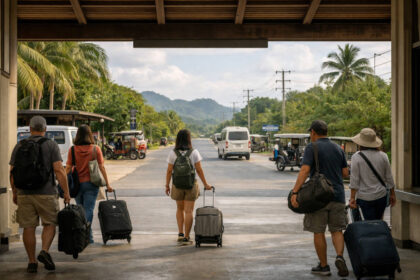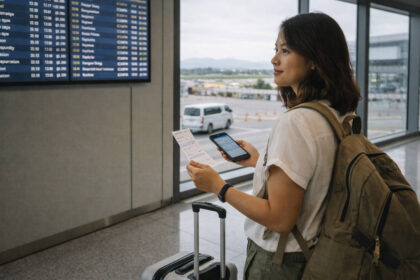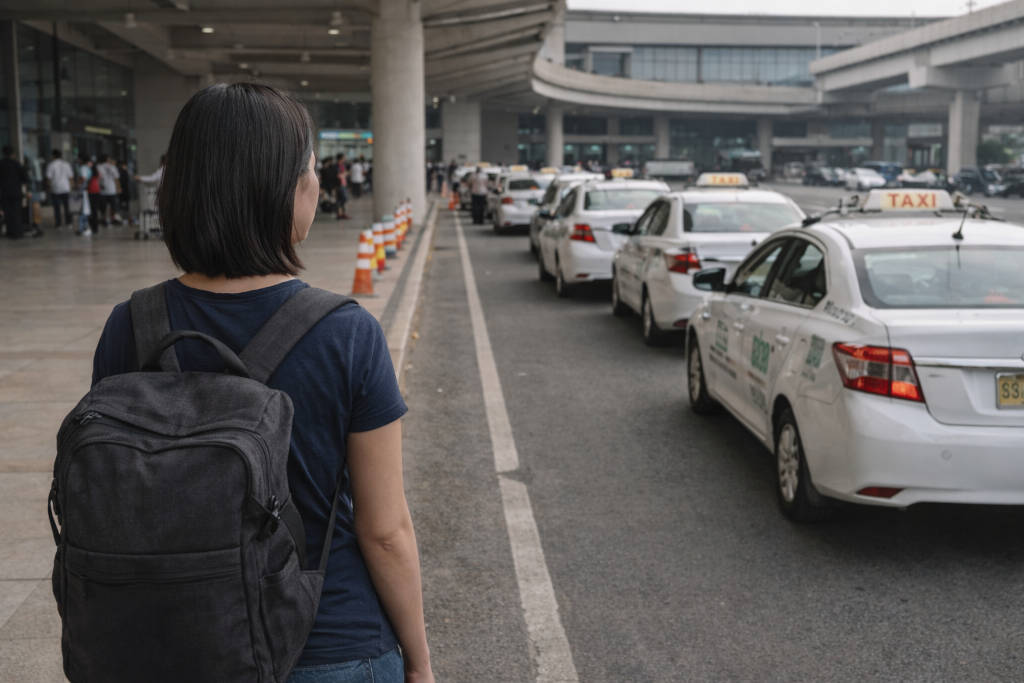
Planning Flights And Hotels In The Philippines gets easier when you treat it as one system: flights affect where you should sleep, hotel location affects how early you need to leave, and weather affects everything. The goal of this guide is calm logistics—buffers, realistic expectations, and simple fallback plans—so you can avoid tight connections and stressy daily transport.
For a more complete booking walkthrough that complements this guide, you can also use booking flights and hotels guide alongside your notes. And if you want the big-picture trip framework (routes, pacing, and planning mindset), keep Philippines Travel Planning Guide For A First Trip open while you plan.
At-a-Glance
 Best stress-reducer: build buffers between legs (especially at NAIA) and book hotels that match your arrival and departure hours.
Cost reality: prices swing around holidays and peak season; baggage add-ons and last-minute changes are common cost drivers.
Weather risk: rainy season and typhoon disruptions can affect flights and boats—plan refunds or flexible rates when you need them.
Crowd risk: weekends, long weekends, Christmas to New Year, and Holy Week can fill flights and raise hotel prices fast.
Backup plan: a Manila overnight can be the calmest insurance for early domestic flights.
Reality Check: If your plan only works when every flight is on time, it’s not a calm plan yet—add a buffer or add a night.
How Flights To, From, And Within The Philippines Typically Work
For first-timers, the most common pattern looks like this: arrive internationally (often via Metro Manila), then take one or more domestic hops to reach islands and provinces. It sounds straightforward, but the friction usually comes from terminal changes, traffic between terminals, baggage add-ons, and schedule shifts on domestic legs.
Common “Trip Shapes” You’ll See
Manila as the hub: International arrival, then a domestic flight to places like Cebu, Palawan, Iloilo, or Davao.
Cebu as a connector: Some routes connect more smoothly through Cebu depending on your origin and destination.
Air + sea + land mixes: A flight may get you to a region, then ferries or long drives finish the route.
Reality Check: The Philippines is an island country—if your itinerary includes boats, weather affects your timing more than you think.
Domestic Airports Feel “Close,” But They Still Need Planning
Domestic flights often have frequent departures on popular routes, but that doesn’t guarantee low stress. Smaller airports can mean simpler navigation, but they can also mean fewer food options, fewer rebooking choices, and longer waits if a flight is moved.
Reality Check: Fewer daily flights on a route means delays can ripple into “next day” arrivals—this is where flexible hotel policies help.
International Arrival Basics And Domestic Connections
If you’re landing internationally and continuing on a domestic flight, your calm plan depends on two things: your connection buffer and your terminal plan.
Why Tight Connections Are Risky In Metro Manila
You’ll need time for immigration, baggage claim, and sometimes re-checking bags for the domestic leg. On top of that, transferring between terminals can involve traffic and long walkways. Even when everything is smooth, it can still take longer than expected.
For neutral terminal context, you can reference Ninoy Aquino International Airport to understand that NAIA has multiple terminals and connection logistics matter.
Reality Check: “Same-day” is not automatically “same-easy”—sometimes the calmest choice is sleeping first.
How Much Connection Time Should You Plan?
Use a simple rule: if you must connect same-day, plan enough time for immigration, baggage, and a terminal transfer with traffic variability—plus a cushion for delays. If your domestic flight is early morning or your international flight lands late, a Manila overnight often becomes the lowest-stress move.
Reality Check: If you’re already tired from a long international flight, your tolerance for queues and traffic drops—buffers matter more, not less.
Should You Do A Manila Overnight Before An Early Domestic Flight?
Often, yes—especially if your domestic flight is early or you’re traveling with checked baggage. An overnight turns a risky, rushed transfer into a simple “wake up, go to the airport” routine. It also helps if weather or delays push your arrival later than expected.
Reality Check: One extra night can be cheaper than rebooking a missed domestic flight at last-minute prices.
Search Vs Book Timing (And The Calm “Rules” To Use)
Searching and booking are different stages. Search is for pattern-finding: which days are cheaper, which routes are realistic, and which airports give you simpler transfers. Booking is when the price meets your rules, not when you feel pressured.
When Should You Start Searching?
Start searching as soon as your travel window is roughly known, especially if your trip lands near peak dates. Use price alerts so you can watch trends without staring at the screen every day.
Reality Check: The first price you see is rarely the only price—track for a bit, then decide using your rules.
When Should You Actually Book Flights?
Book when you find a flight that meets three calm conditions: workable arrival hours, enough buffer for connections, and baggage rules you can live with. If you’re building a multi-island itinerary, book the “hardest-to-replace” legs first (the ones with fewer daily flights).
Reality Check: Saving a little money is not worth a plan that forces a sprint across terminals.
Hotel Booking Timing: Why Earlier Can Be Kinder
Hotels in popular areas can fill during long weekends, Christmas to New Year, and Holy Week. If you already know your dates, booking earlier gives you better location choices and often better cancellation options.
Reality Check: A hotel that’s cheap but far from your daily routes can cost you more in time, rides, and energy.
Cost Reality Checks (Flights + Hotels Together)
Instead of hunting for one “cheap” deal, budget for the whole chain: baggage add-ons, airport transfers, and an occasional buffer night. For realistic budgeting examples you can adapt to your trip length, use Philippines Travel Budget Examples For 1, 2, And 4 Weeks.
Reality Check: The most expensive trips are often the ones with last-minute changes and no buffers.
After Booking: What To Screenshot And Save
This is one of the simplest ways to reduce stress. Save what you need for low signal, low battery, and quick problem-solving—especially for Flights And Hotels In The Philippines where you may move between airports, ports, and hotels.
Flight Screenshots To Save Immediately
Booking reference and full itinerary page (all legs)
Baggage allowance page (carry-on and checked) for your exact fare
Change and cancel policy screenshot (rules and deadlines)
Payment proof or receipt page (especially if you used a card or e-wallet)
Terminal information and airport name for each leg (so you don’t guess later)
Hotel Screenshots To Save Immediately
Hotel confirmation page with address and contact details
Check-in and check-out times (and any early check-in rules)
Cancellation and refund terms (with the last free-cancel date)
What’s included (breakfast, taxes, resort fees if any, WiFi details)
Transport And Map Proof To Save
Map pin screenshot for the hotel entrance (not just the hotel name)
Screenshot of your chosen airport terminal route and meeting point
Any airline or hotel chat threads you used to confirm rules
Reality Check: When something changes, customer support moves faster when you can show proof quickly.
Common Domestic Flight Issues And How To Reduce Risk
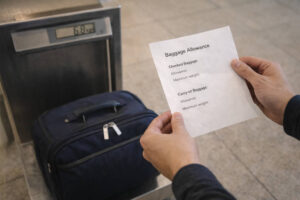 Domestic flights can be smooth, but common issues are predictable—and planning can reduce the impact.
Schedule Changes And Time Shifts
Domestic flight times can move. The calm counter-move is to avoid stacking tight hotel check-ins or tours right after landing. Keep your first day light, especially on island routes.
Reality Check: If your itinerary has a “must-arrive-by” moment, give it an extra day of space when possible.
Delays And Airport Waiting
Bring a small day bag that makes waiting easy: water, snack, power bank, a light jacket, and any essential meds. Waiting becomes much less stressful when your basics are covered.
Reality Check: Cold aircon and long sits can feel harder than the flight itself—pack for comfort.
Baggage Add-Ons And Surprise Costs
Checked baggage rules vary by airline and fare type. Check your allowance before leaving for the airport and screenshot it. If you think you’ll shop or carry souvenirs later, consider planning baggage early rather than paying last-minute add-ons.
Reality Check: “I’ll figure it out at the airport” usually equals stress and higher fees.
Terminal Confusion And Last-Mile Transfers
Know your terminal, know your hotel address, and know how you’ll get from airport to hotel without guessing. If you arrive late, prioritize well-lit pickup areas and a simple route over “cheapest possible.”
Reality Check: Late arrivals feel much calmer when your hotel is easy to reach and your directions are already saved.
Hotels In The Philippines: Types And Realistic Expectations
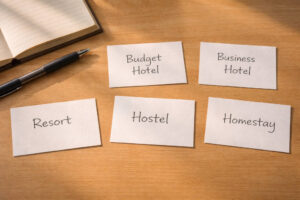 Hotels in the Philippines range from simple budget rooms to full resorts. What matters most for planning is not the label, but what you realistically get: noise levels, water pressure, WiFi reliability, and backup power.
Budget Hotels
Often clean and functional, but expect smaller rooms, thinner walls, and simpler amenities. Some areas can be noisy at night depending on street traffic.
Reality Check: Budget-friendly can still be restful if you pick the right location and manage expectations.
Business Hotels
Usually consistent: better desks, steadier check-in processes, and reliable basics. A good option if you want predictable rest between flights.
Reality Check: “Business” doesn’t always mean quiet—location still matters.
Resorts
Great for downtime, but logistics can be trickier: farther from transport hubs, more time to reach, and sometimes higher costs for last-mile transport. Consider resorts when you’re done moving around, not mid-transit.
Reality Check: Resorts are most relaxing when they’re the destination, not a stopover you have to rush into.
Hostels
Good for budget and social energy, but be honest about sleep quality. Shared rooms can mean late arrivals, early alarms, and variable quiet hours.
Reality Check: If you have an early flight, private rooms can be worth it for sleep.
Homestays And Guesthouses
These can feel warm and local, but the experience varies widely. Read policies carefully and confirm essentials (check-in times, contact methods, and what “WiFi available” really means).
Reality Check: Variation is normal—choose homestays when flexibility is high.
Serviced Apartments
Helpful for longer stays: more space, sometimes a kitchen, and better “daily life” comfort. Confirm building rules, elevator access, and check-in procedures.
Reality Check: Some serviced stays require more coordination at check-in—save contact details and instructions.
Power, Water, And WiFi: The Quiet Planning Trio
In many areas, WiFi quality varies, water pressure can be inconsistent, and some places rely on generators during outages. If you need stable connectivity, plan a backup: pocket WiFi or a local SIM, plus a power bank.
Reality Check: The calmest trip is the one where a WiFi dip is an inconvenience, not a crisis.
How To Choose A Hotel Location Based On Transport, Safety, And Daily Logistics
Location is the biggest stress lever. A “nice” hotel in the wrong place can turn every day into a transport puzzle.
Choose Based On Your First And Last Two Moves
Look at your arrival time and your next departure. If you land late, prioritize a hotel that’s quick and straightforward to reach. If you’re flying early, consider staying closer to the airport or on a route that’s predictable at your departure hour.
Reality Check: You don’t need the perfect neighborhood—you need the easiest routine for your specific schedule.
Walkability And Ride Availability
If you don’t want stressy daily transport, choose areas with simple walkable options for meals and essentials, plus reliable ride availability. Also consider whether you’ll be commuting to ferry terminals or bus stations.
For transport context across the country, use Philippines Public Transport Guide to match your hotel choice to your daily route.
Reality Check: A “central” location is only central if it’s central to your plan.
Safety And Arrival-Time Logic
If you arrive at night, choose well-lit, established areas and avoid complicated last-mile routes. Keep your documents and valuables accessible but secure, and avoid rushing across unfamiliar areas without a plan. For a simple safety refresher, see Travel Safety In The Philippines Guide.
Reality Check: Most stress comes from “I don’t know where I’m going” more than the place itself—save addresses and pins.
Airport And Terminal Hotels As “Buffer Tools”
A nearby hotel can be a tool, not a luxury—especially before an early flight. If it reduces commute uncertainty, it can be the most practical choice you make.
Reality Check: Sleep is part of logistics. A calm morning starts the night before.
Seasonal And Weather Considerations (Reliability And Prices)
 Weather affects flight reliability and hotel pricing. Rainy season and typhoon risk can lead to delays, cancellations, and reroutes—especially for island and coastal destinations.
Rainy Season And Typhoon Risk
Build bigger buffers when traveling during wetter months. Consider booking refundable or rebookable options if your itinerary depends on boats or small airports. For official updates, use PAGASA as your go-to.
Reality Check: When weather is unstable, the calm move is staying put and rebooking with buffer—not forcing a tight connection.
Holiday Peaks And Price Spikes
Expect higher prices and fuller hotels around Christmas to New Year, Holy Week, and long weekends. If you must travel during peak dates, book earlier and choose accommodations with clear policies.
Reality Check: Peak travel is survivable when you plan earlier and keep your daily movement simple.
Use A Seasonal Reference While Building Your Itinerary
To choose dates with better odds of smooth travel, use Philippines Weather And Best Months To Travel while you lock in flight and hotel decisions.
Reality Check: You can’t control weather, but you can control how fragile your schedule is.
Common Flight And Hotel Planning Mistakes Checklist
Booking a domestic flight too close to an international arrival without a real buffer
Forgetting to confirm baggage rules for your exact fare type
Not saving screenshots of terminals, policies, and confirmations
Choosing a hotel based on photos only, without checking location logic
Assuming WiFi will be stable everywhere without a backup plan
Stacking tours immediately after a flight day with no recovery time
Underestimating holiday peaks and weekend crowd effects on prices
Planning a route that collapses if a single leg moves by one hour
Reality Check: The calm plan is the one that still works when you’re tired, it’s raining, and your flight is late.
Calm Example Planning Workflow (Do This In Order)
Step 1: Lock Your Trip Shape Before You Shop
Decide your entry point, your main destinations, and how many “move days” you can handle. Keep one buffer day if your trip includes boats or remote islands.
Step 2: Search First, Then Set Your Booking Rules
Use alerts, watch patterns, and write your rules: acceptable arrival times, minimum connection buffer, and baggage needs.
Step 3: Book Flights That Meet Your Buffer Rules
Choose flights that don’t force tight transfers. If you need an early domestic flight, consider a buffer night.
Step 4: Book Hotels That Reduce Daily Transport
Pick locations based on your first and last two moves and your daily routines. Keep it simple: fewer long commutes, fewer transfers.
Step 5: Screenshot Everything That Solves Problems
Save flight details, baggage rules, terminal info, hotel policies, and map pins. Put them in one album or folder so you can find them fast.
Step 6: Pack A Day Bag For Waiting And Cold Aircon
Water, snack, power bank, jacket, meds, and one dry layer if you’re traveling in rainy season.
Step 7: Add A Calm Fallback Plan
Write one line for each risk: if a flight moves, if weather cancels boats, if you arrive late. Your fallback can be as simple as “overnight in Manila, continue tomorrow.”
Reality Check: A fallback plan is not pessimism—it’s what makes the rest of your plan feel lighter.
Closing: Your Calm Checklist For Flights And Hotels In The Philippines
Before you finalize Flights And Hotels In The Philippines, run this short checklist: buffers between international and domestic legs, baggage rules confirmed and saved, terminals and hotel pins screenshot, hotel location chosen for your real daily routes, and one backup plan written down. If you want more planning-first reads to support your next steps, browse Tips And Inspiration.