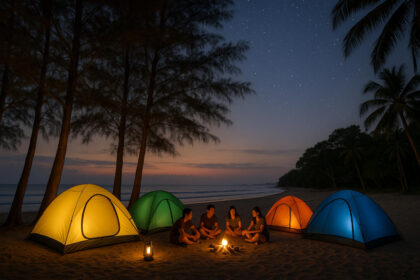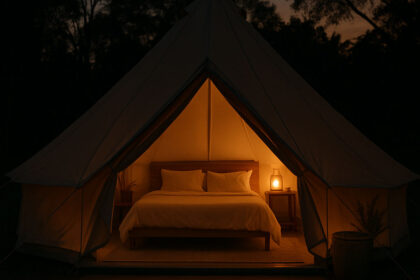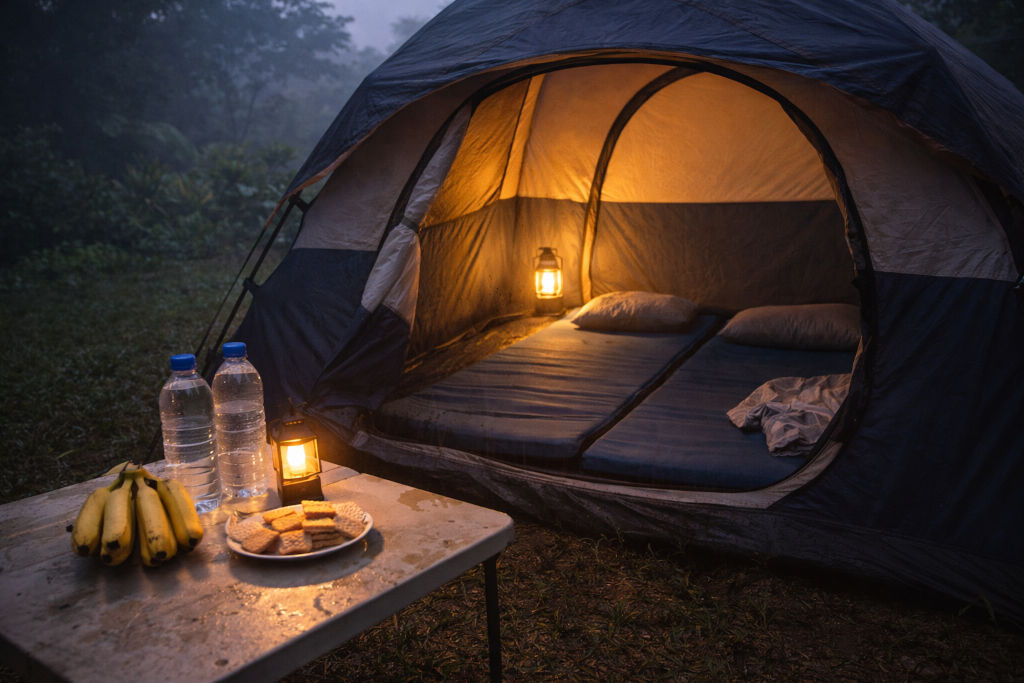
The first time I tried family camping Philippines-style, I expected “cute bonding moment” and got… humidity on my neck, a surprise drizzle at 6 PM, and a child asking “Uwi na tayo?” right as I was figuring out which pole goes where. But then the lantern warmed the tent walls to a soft glow, the rice-and-ulam baon tasted strangely better outside, and the kids fell asleep to crickets instead of screens. It wasn’t perfect. It was real—and that’s why it worked.
If you’re a first-timer parent planning family camping Philippines, this guide is for you: the checks that actually matter, the simplest setups that reduce stress, and the calm-night routines that help kids feel safe. I’ll talk like a friend who wants your weekend to be peaceful—not like a brochure. We’ll cover tent camping vs glamping for families, what to pack for camping with kids in the Philippines, a rainy-night plan, mosquito and minor allergy safety, and the red flags that mean “leave early” without guilt.
A Quick Intro Scene: What First-Timers Should Expect in the Philippines
Camping Here Is Not “Cold Weather Aesthetic”—It’s Warm, Wet, and Worth It
In the Philippines, camping is often warm (even at night), and weather can change fast. You’ll deal with sudden rain, slippery ground, mosquitoes, and the very Filipino need for comfort: snacks, slippers, and a clean bathroom plan. The payoff is the kind of family memory that sticks: kids finding a tiny frog near the grass, parents sipping coffee while watching fog move over trees, and everyone sleeping earlier than usual because darkness feels different outdoors.
Set Your Success Standard: Calm and Safe, Not “Perfect”
For beginner family camping Philippines trips, your goal isn’t to do everything. It’s to make everyone feel secure and cared for. If the tent is stable, kids are dry, and you have a predictable bedtime flow—winner na. The rest is bonus.
The “Safe Spot” Checklist: How to Evaluate Any Campsite
Security and Boundaries: Who’s Watching the Gate?
What makes a campsite truly family-friendly in the Philippines starts with basic security. Look for clear entry/exit points, staff presence (even if it’s a simple caretaker), and rules about guests. In family-friendly campsites, you should feel comfortable letting kids move between your tent and the restroom without anxiety (with supervision, of course).
Terrain and Ground: Flat, Draining, Not a Surprise Puddle
Choose ground that’s flat enough for sleeping and has decent drainage. Avoid depressions where rainwater pools. If you can, pick a spot slightly elevated from surrounding areas—still flat, but not the “lowest point.” For family camping Philippines, this single choice can prevent a soggy, meltdown-y night.
Water Risks: River Safety and Flash-Flood Risk
Rivers are beautiful and tempting, but parents should ask: How close are campsites to the waterline? Is there a history of sudden rising water? Are there visible markers or staff reminders about flash-flood risk? If a campsite is right beside a river with no elevated alternative, that’s a big decision point—especially during rainy months.
Weather Exposure: Wind, Falling Branches, and “Open Field Heat”
Scan above your pitch area. Avoid dead branches (“widowmakers”) and areas directly under leaning trees. Also avoid wide-open areas with no shade if you’re camping with kids Philippines—heat builds fast, and cranky heat is a known enemy.
Emergency Access: Can a Vehicle Reach You Quickly?
Ask if an ambulance or rescue vehicle can reach the area, and how far the nearest clinic is. For beginner family camping Philippines trips, you want easy access, not remote hero mode.
Cell Signal and Lighting: Small Things That Reduce Parent Stress
Even if you want a digital detox, it’s helpful to know signal strength for emergencies. Check if common areas and paths to toilets have adequate lighting. If not, plan your own lighting route (headlamps + lantern).
Toilets and Water: The Amenities That Matter Most With Kids
With children, toilets aren’t “nice-to-have.” They’re sanity. A family-friendly campsite usually has clean-ish restrooms, a place to wash hands, and a clear system for trash. If restrooms are far, dark, or questionable, you’ll need a stronger portable toilet / bathroom plan (more on that later).
Family-Friendly Campsite Types: Pros and Cons for Kids
Developed Campgrounds: Best for First Trips
Developed campgrounds usually have designated pitch areas, toilets, basic lighting, and staff. For family camping Philippines beginners, this is often the easiest entry point because you’re practicing systems—without also battling complete lack of facilities.
Farm Camps: Gentle Nature + Easy Food Options
Farm camps can be great for toddlers and preschoolers: animals, gardens, wide open spaces, and often a calmer vibe. Many also sell simple meals or have a small store—useful when you forgot one important thing (you will).
Beach Camping: Fun, But Watch Wind and Salt
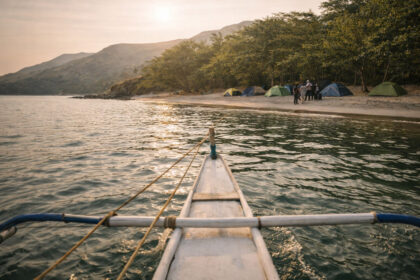
Beach camping is magical… and tricky. Wind can flatten cheap tents, sand gets into everything, and salt air can make gear feel damp. For camping with kids Philippines at the beach, pick a sheltered area, use strong stakes (or sand anchors), and plan extra tarps for shade.
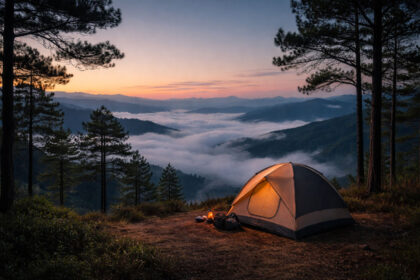
Mountain Camping: Cooler Air, Bigger Temperature Swings
Mountain sites can be cooler and more comfortable—especially for parents who sleep better without sticky heat. But nights can get surprisingly cold for kids. If you want ideas on cooler areas, this guide fits well: Cordillera camping Philippines cool air guide.
Glamping as a Family Option: When Comfort Is the Point
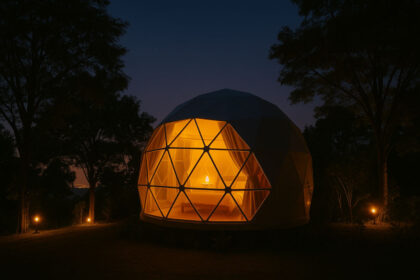
Tent camping vs glamping for families depends on your goal. If your kids are very young, you’re postpartum-tired, or you’re doing a “first taste” of outdoors, glamping can be a smart bridge: real nature, less setup stress, proper beds, and usually better toilets. It still counts. It’s still family camping Philippines—just with training wheels.
Simple Setup Blueprint: A Low-Stress Arrival-to-Bedtime Flow
Arrival Timeline: Aim for Daylight, Not “Setting Up in the Dark”
Try to arrive with at least 2–3 hours of daylight. When kids see the space clearly, they feel safer. When parents set up calmly, everyone stays calmer. Darkness + rain + hungry kids is the classic combo for “ayoko na.”
Where to Pitch: The 5-Minute Parent Scan
Before unpacking, do a quick scan: flat ground, no dead branches above, not in a low-lying puddle zone, not too near the waterline, and close enough to toilets that you won’t dread the midnight walk.
 Tent Layout: Make a Kid Corner
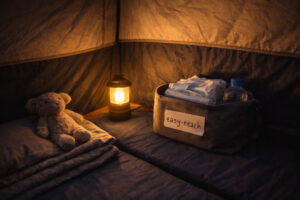
Inside the tent, create a predictable layout: sleeping area on one side, bags lined along the wall, and a “kid corner” with their comfort item (stuffed toy or blanket) plus a small pouch for easy reach. This tiny structure helps nights feel less scary.
Lighting Plan: One Lantern, Two Headlamps, Zero Panic
Set one lantern in the tent (soft light) and keep headlamps by the entrance. Parents should each have a headlamp for hands-free toilet trips and quick checks. In family-friendly camping Philippines situations, lighting is comfort and safety in one.
Food Plan: Simple, Familiar, and Fast
For first-timers, don’t try a fancy camp menu. Think: reheatable adobo, hotdogs/sausages, instant lugaw or oatmeal, sandwiches, fruits, and easy noodles. Hungry kids are not adventurous kids. Also, bring “emergency snacks” that you don’t touch unless needed—your secret weapon.
Toilet Plan: Decide Before Night Falls
Walk your kids to the restroom while it’s still light. Show them the path, the landmark (a tree, a sign), and explain the rule: always with a parent. If restrooms are far or gross, prep a portable toilet plan (foldable potty for toddlers, wag bags where appropriate, wipes, and hand sanitizer).
Kid Rules That Prevent Drama
Keep it simple and positive: “Stay where we can see you,” “Shoes/slippers on outside,” “No running near the cooking area,” and “Tell Mama/Papa before you go anywhere.” Repeat once, then practice once.
Safety Checks Parents Actually Use (Before Booking and Before Leaving Home)
The PAGASA Weather Check: Do It Twice
Check weather before booking and again the day before you leave. Don’t just glance—look at rain probability, wind, and any advisories. This official page is your baseline: PAGASA weather. For family camping Philippines, weather is not a background detail; it’s the whole vibe.
Heat and Hydration: The Quiet Risk
Kids can overheat faster than adults. Pack more water than you think, plus oral rehydration salts if your pediatrician okays it. Build shade early (tarp or canopy) and schedule active play for cooler hours.
Rivers and Flash Floods: The No-Negotiable Rule
If you’re near a river: no unsupervised wading, no playing on slippery rocks, and no “just a quick dip” when clouds are building upstream. If there’s continuous rain or rising water, move to higher ground early—don’t wait to see what happens.
Mosquito and Insect Protection: Layer Your Defense
Use long sleeves at dusk, mosquito repellent appropriate for your child’s age, and consider a mosquito net for sleeping if your tent ventilation is wide. Keep the tent zipped. In family camping Philippines, insect management is half the comfort battle.
Food Safety: Coolers, Clean Hands, and “When in Doubt, Throw It Out”
Bring a cooler with ice packs for perishables. Wash hands (or sanitize) before eating. Don’t let cooked food sit out for hours in humidity. Simple rule: cook smaller batches more often rather than one massive pot left uncovered.
Vehicle Readiness: Your Exit Plan Is Part of Safety
Check tires, brakes, headlights, and fuel. Know the road conditions to the campsite—especially if it’s muddy after rain. A reliable exit plan keeps family-friendly camping Philippines from turning into “stuck overnight when we don’t want to be.”
Training and First Aid: Keep It Practical
You don’t need to become an emergency expert overnight, but basic first aid confidence helps. If you want formal training, this is a reputable starting point: Philippine Red Cross trainings.
For general travel safety habits you can apply to camping too, link readers here: travel safety Philippines guide.
Kid-Friendly Camp Activities by Age (Including Wind-Down Ideas)
Toddlers: Tiny Tasks and Short Nature Walks
Keep it simple: collecting leaves (not insects), helping “wipe the mat,” carrying a small water bottle, or looking for shapes in clouds. Toddlers love feeling helpful. For camping with kids Philippines, small wins prevent big tantrums.
Preschool: Scavenger Hunts and Water Play (Controlled)
Try a short scavenger list: “find something smooth,” “find something green,” “find a rock that looks like a heart.” If there’s water nearby, do supervised splash time only in safe, shallow areas—or bring a small basin for water play at your site.
Grade School: Simple Skills and “Camp Jobs”
Let them learn: how to use a headlamp, how to help stake a tent (with guidance), how to sort trash, and how to refill water. Give them a job title—kids love that.
Quiet Wind-Down Activities: The Secret to Calm Nights
Bring cards, a small coloring set, storybooks, or a “camp journal.” As the sky darkens, switch from active play to quiet play so their bodies match the nighttime mood. This supports beginner family camping Philippines bedtime routines so you’re not battling adrenaline at 9 PM.
Realistic Packing List: Essentials vs Nice-to-Haves
 Essentials: Safety and Shelter
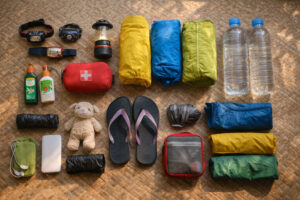
Tent with rainfly and stakes, footprint or groundsheet (to protect the floor), tarp for extra coverage, sleeping mats, and a basic tool kit (duct tape, extra cord, multi-tool). Add headlamps and lanterns—lighting is not optional.
Comfort Items That Prevent Meltdowns
Extra slippers, small towel, wet wipes, comfort toy/blanket, familiar snacks, and a lightweight jacket even if you think it’s warm. Also: a small foldable chair for parents—back comfort affects mood more than we admit.
Rain Plan: Stay Dry, Stay Sane
Rain jackets, extra socks, plastic bags for wet clothes, quick-dry shirts, and a way to hang wet gear under cover. If you only remember one thing: keep one set of clothes dry and reserved for sleep.
Sleep System: Warmth, Texture, and Familiarity
Sleeping mats (thicker for kids if possible), light blankets, and a thin extra layer for early morning chill. If your child is sensitive, bring their pillowcase from home—small familiar smells can calm anxiety.
Kitchen Basics: Simple and Safe
Portable stove (safer and easier than open fire for beginners), fuel, lighter/matches in waterproof container, pot, utensils, plates, soap, sponge, and a trash system (bags + separate bag for wet/food waste if needed). For meal ideas and more camping basics, this internal resource belongs naturally here: camping in the Philippines beginners guide.
Hygiene and Bathroom Kit: The No-Stress Plan
Tissue, wipes, hand sanitizer, small soap, toothbrush kit, and a portable toilet option depending on your child’s age and the campsite facilities. Bring a small flashlight dedicated to bathroom trips—even if you already have headlamps.
First Aid Basics: For Real Life, Not Hero Mode
First aid kit with band-aids, antiseptic, gauze, tape, fever medicine appropriate for your child (per your doctor’s guidance), antihistamine for minor allergies (again, per guidance), hydrocortisone for bites if appropriate, and any personal meds. Add insect bite relief and a small thermometer.
Nice-to-Haves: If You Have Space
Power bank, small fan, extra tarp, picnic mat, and a waterproof box for phones and matches. For packing mindset tips that apply perfectly here, link readers to: 10 smart packing tips travelers should know.
Calm Nights for Children: A Bedtime Routine That Works Outdoors
Keep the Same “Home Steps,” Just Simpler
Brush teeth, change into sleep clothes, quick story, cuddles, then lights low. Don’t reinvent the wheel. For family camping Philippines, routine is your most powerful comfort tool.
Night Light Strategy: Soft Glow, Not Harsh Beam
Use a small lantern on low or a tiny night light. Harsh flashlights can make shadows scarier. Place the light where it won’t shine directly into eyes but still outlines the tent shape.
Noise Management: Wind, Rain, and “New Sounds”
Explain sounds in advance: “That’s rain on the rainfly,” “That’s leaves moving.” If your child is sensitive, bring soft earplugs for adults (so you’re not jumpy) and consider gentle white noise from a phone at low volume—only if it helps.
What to Do When a Child Gets Scared or Wants to Go Home
Validate first: “Naririnig mo, no? Medyo nakakatakot.” Then ground them: “We are safe. The tent is strong. I’m here.” Offer a job: holding the flashlight, checking the zipper, hugging the comfort toy. If they’re truly distressed, don’t power through for pride. Beginner family camping Philippines is about building confidence, not forcing toughness.
Troubleshooting: Rain, Wet Gear, Bored Kids, and When to Call It
What’s the Rainy-Night Plan?
Before sleeping, check that the rainfly is fully tensioned, vents are open (to reduce condensation), and gear is off the tent walls. Put shoes in a bag. Keep towels and wipes within reach. If water starts pooling near the tent, move early—don’t wait until everything is soaked.
Wet Gear and Condensation: The “It’s Not Leaking, It’s Sweat” Moment
In humid weather, condensation happens. Don’t let sleeping bags touch tent walls. Ventilate even when it’s raining if your tent allows it. Wipe down the inside in the morning and dry gear during breaks in rain.
Bored Kids and Sibling Fights: Reset With Snacks and Structure
When moods spike, go back to basics: water, snack, shade, and a simple task (“help me organize the bags”). Then offer one calm activity: cards, journaling, drawing, or a short “nature detective” walk.
Tummy Aches, Minor Allergies, and Mosquito Bites
For tummy aches, stick to bland food and hydration. For minor allergies and bites, use the items in your first aid kit appropriately and keep nails short to reduce scratching. If there’s swelling, breathing difficulty, or symptoms that worry you—end the trip and seek medical help. Family-friendly camping Philippines is never worth pushing through a health scare.
Non-Negotiable Cooking and Campfire Safety Rules
Cook away from the tent. Keep kids out of the cooking zone. Never leave flame unattended. Keep water nearby. If you use a campfire (only where allowed), keep it small, contained, and fully extinguish it. Store fuel safely away from heat and curious hands.
Bathroom Needs Without Stress
For little kids: schedule bathroom attempts before bed, right after waking, and before long walks. Bring a small potty seat adapter if your child is toilet-trained but afraid of unfamiliar restrooms. Always carry wipes and hand sanitizer. Make bathroom trips routine, not a late-night drama.
Red Flags That Mean “Leave Early” or “Don’t Push Through”
Trust your gut. Leave early if you see: rising river water, strong winds that threaten the tent, repeated lightning nearby, a child with persistent fever/vomiting, unsafe behavior around water you can’t control, or a campsite environment that feels sketchy (no staff, chaotic crowd, poor lighting, unclear rules). In family camping Philippines, choosing to leave is not “failure”—it’s excellent parenting.
Short FAQ: Quick Answers for Parents
What makes a campsite truly family-friendly in the Philippines?
Secure entry, flat safe terrain, clean toilets, lighting on paths, staff presence, emergency access, and clear rules (including quiet hours).
What safety checks should parents do before booking and before leaving home?
Before booking: security, water risks, terrain, toilets, and emergency access. Before leaving: PAGASA check, vehicle readiness, first aid kit, water plan, and insect protection.
Which amenities matter most with kids?
Clean toilets, handwashing area, lighting, potable water access (or clear policy), shade, and a reasonable distance to parking for easy unloading.
Tent camping vs glamping: which is better for a first trip?
Glamping is often better for very young kids or anxious sleepers; tent camping works if you have a simple setup, good weather window, and a solid bathroom plan.
What are kid-friendly camp activities by age?
Toddlers: tiny tasks and short walks. Preschool: scavenger hunts and supervised water play. Grade school: simple camp skills and “camp jobs,” plus quiet wind-down games at dusk.
What is a realistic packing list (essentials vs nice-to-haves)?
Essentials: tent, rainfly/footprint, sleep mats, lighting, water, first aid, hygiene kit. Nice-to-haves: extra tarp, power bank, chairs, small fan, waterproof boxes.
How do you keep nights calm for children?
Keep the home routine, use a soft night light, explain outdoor sounds, and give comfort tools (toy, blanket, easy-reach pouch). If fear escalates, choose calm reassurance over forcing it.
What’s the rainy-night plan?
Arrive early, pitch on higher flat ground, tension the rainfly, keep one sleep outfit dry, store shoes in bags, and move early if water pools or wind intensifies.
If you want more campsite ideas and planning inspiration, you can guide readers to Bakasyon.ph Camping. Family camping Philippines doesn’t have to be extreme to be meaningful—just safe, simple, and kind to your family’s comfort level. Start small, choose a good spot, build routines, and celebrate the tiny wins: a calm bedtime, a dry tent, and kids who wake up proud that they slept outdoors.