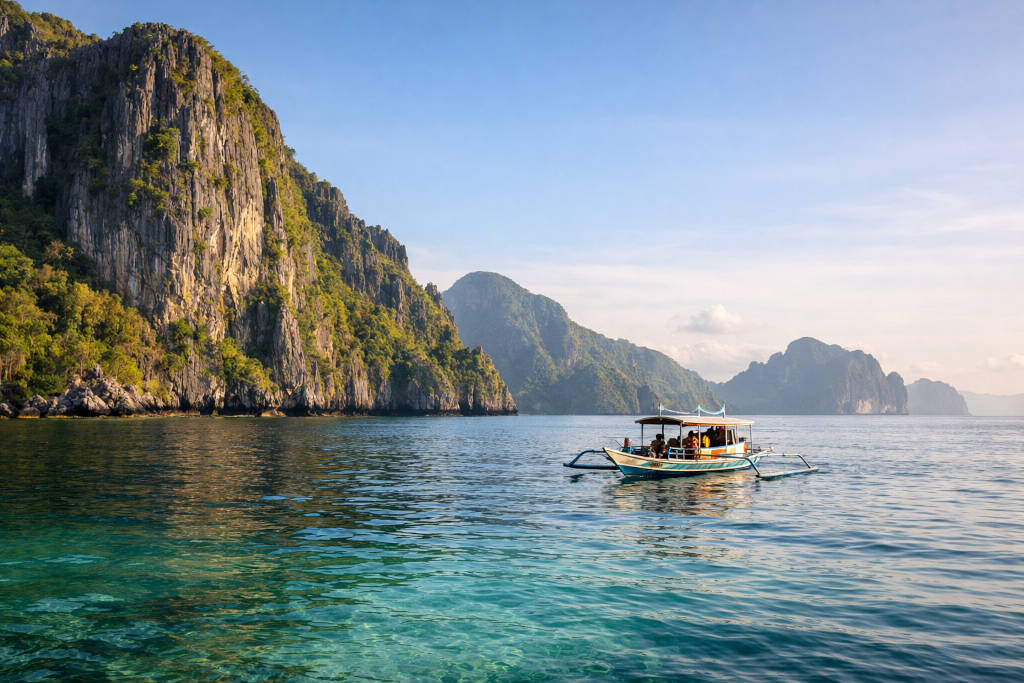
If you’re comparing El Nido Tours A B C D, it helps to think in “what the route usually prioritizes,” not “the exact stops.” In Bacuit Bay, operators commonly follow the same general map, but the day’s wind, waves, tide, and safety calls can change the order—or swap a stop entirely. That’s normal, and it’s why the best plan is choosing a tour that matches your swimming comfort, crowd tolerance, and what you want most (lagoons, beaches, snorkeling, or caves).
This guide breaks down what each tour usually focuses on, which parts tend to be busiest, what changes when the sea is rough, and what to ask before you pay. It’s written in plain language, with Philippine conditions in mind—Amihan and Habagat seasons, Coast Guard sea travel advisories, and the reality that “island hopping” often means climbing in and out of a boat all day.
Quick Summary: El Nido Tours A B C D At A Glance
At-a-Glance: Best time window usually falls during calmer sea months, but day-to-day conditions matter more than the calendar. Realistic tour time is commonly a full day (often around 8:00 AM to 3:00–5:00 PM, depending on pickup and sea traffic). Budget band: joiner tours are typically cheaper; private tours cost more but can reduce waiting and crowd stress. Crowd risk is highest on popular lagoons and peak-season weekends. Backup plan for rain or rough seas: keep a land-based day ready (cafés, viewpoints, beaches in town, or a slower activity) because trips can be delayed or suspended.
Reality Check: Even on a “good weather” day, you can still get choppy crossings between islands. Bring motion sickness meds if you’re prone, and don’t assume mobile signal will be strong once you’re out in Bacuit Bay.
One-Sentence Focus For Tour A
Tour A usually focuses on lagoons and iconic limestone scenery—often the top pick if Big Lagoon or Small Lagoon is your priority, with kayaking commonly offered (sometimes required at specific lagoon stops).
One-Sentence Focus For Tour B
Tour B usually focuses on caves, sandbars, and scenic islands—good for variety and photo-friendly stops, with less emphasis on the most famous lagoons.
One-Sentence Focus For Tour C
Tour C usually focuses on hidden beaches, dramatic cliffs, and open-water swims—often best for confident swimmers who want “wild” coastal views and snorkeling potential.
One-Sentence Focus For Tour D
Tour D usually focuses on quieter lagoons and beaches around the Cadlao area—often chosen for a calmer pace, though it’s still weather-dependent and can be rerouted.
Fast Pick Recommendations By Traveler Type
Not a strong swimmer: Tour D is often easier to pace, while Tour A can still be doable with a life vest if you’re okay with short swims and climbing in and out of the boat. Kids or seniors: Private Tour D (or a slower Tour A variant) can reduce waiting and help you control timing. Snorkel-first: Tour C can feel rewarding, but only if you’re comfortable with open water. Crowd-avoid: Tour D commonly feels calmer; a private boat on any route helps most. Caves and sandbars: Tour B is usually the strongest match.
To map your tour day into a longer itinerary, you can also check El Nido Travel Guide: Tours And Local Tips.
Tour A Usually Focuses On Lagoons And Kayaking-Friendly Scenery
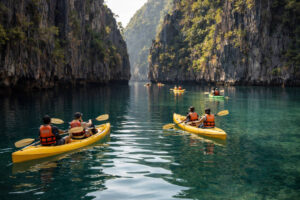 When people say “the classic El Nido day,” they often mean Tour A. It’s commonly built around lagoons framed by limestone walls, plus a couple of beaches or snorkeling stops depending on the operator and conditions. If your goal is to see Big Lagoon and/or Small Lagoon, Tour A is usually the route that tries to make that happen.
Typical Highlights And Why People Choose It
Tour A commonly includes lagoon scenery (often Big Lagoon, sometimes Small Lagoon) plus a mix of beach time and snorkeling. The main appeal is the “calm inside the limestone” feeling—paddling a kayak near towering cliffs and clear water. For many travelers, this is the most “photographed” route in Bacuit Bay.
Reality Check: If you’re expecting a quiet, reflective kayak session, remember that Tour A is popular. At peak hours, you may share the lagoon with many boats and kayaks, and there can be waiting time to enter narrow areas.
Swimming And Crowd Reality Check For Tour A
What does El Nido Tour A usually focus on compared to Tours B C and D? Tour A usually concentrates your day around lagoons and kayaking-friendly scenery. Tour B leans more toward caves and sandbars. Tour C leans toward hidden beaches and open-water stops. Tour D commonly aims for a calmer Cadlao-area mix of lagoons and beaches.
Is kayaking required in the lagoons or optional? It depends on the operator and the specific lagoon rules that day. Many boats offer kayak rental as an add-on, and in some lagoons kayaking can feel “practically required” because it’s the easiest way to move around without a long swim. Still, you can often choose to stay near the boat with a life vest while others kayak—ask before booking so you’re not surprised.
Swimming reality: Even if the lagoon water looks calm, you’ll often do short swims (or float) to get to a spot, plus repeated climbing up and down the boat ladder. Expect slippery steps, wet hands, and salt on everything. A properly fitted life vest usually makes the day manageable for average swimmers, but it won’t remove the need to be steady on your feet when boarding.
Tour B Usually Focuses On Caves, Sandbars, And Scenic Islands
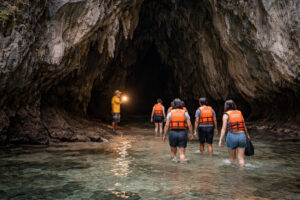 Tour B is commonly the “variety route” for travelers who want scenic island stops, a cave experience, and sandbar time—without making lagoons the main event. If someone in your group is less excited about kayaking, Tour B can be an easier sell.
Cave And Sandbar Stops: Comfort Level And Expectations
Tour B often includes at least one cave-style stop (conditions permitting). Cave entries commonly mean wet feet, uneven footing, and low light. Some operators provide guidance, but don’t assume helmets or headlamps unless you confirm. Sandbars (like Snake Island’s sandbar, when included on a route) are tide-sensitive—timing matters, and the “perfect sandbar photo” can change by the hour.
Reality Check: Caves can close or be skipped if waves surge at the entrance or visibility is poor. Sandbars can also look very different depending on tide and crowd timing.
Who Tour B Fits Best: Mixed Groups, Snorkeling, And Beach Time
Tour B is often a practical choice for mixed groups—some swimmers, some not; some who want photos, some who just want a relaxed beach break. Snorkeling time varies by operator, and the snorkeling quality can be weather-dependent. If your main goal is long snorkeling sessions, ask if they plan a dedicated reef stop and how long they typically stay there.
Tour C Usually Focuses On Hidden Beaches, Dramatic Cliffs, And Stronger Swim Comfort
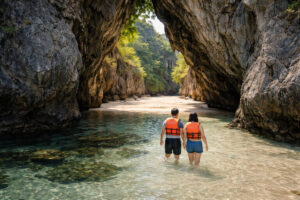 Tour C is commonly described as the route for dramatic coastal views and hidden beach-style stops. It can feel more “adventure-coded,” mostly because some entries are through narrow openings or short open-water swims—conditions allowing.
Hidden Beach Style Stops And Why Swimming Comfort Matters
Some Tour C-style highlights (like Secret Beach-type entries on certain days) may require confident swimming, especially if there’s surge near the rocks or the entry is narrow. On calmer days, it can feel straightforward with a life vest and guide support. On rougher days, operators may swap the stop to something safer.
Reality Check: If you’re not comfortable swimming near rocks or you get anxious in open water, Tour C can feel stressful even with a life vest. It’s okay to skip a stop and stay on the boat—ask how the crew handles that.
Snorkeling And Crowd Patterns Compared With Tour A
Which tour is better for snorkeling versus beaches versus caves? For snorkeling, Tour C can be rewarding if seas are calm and your operator builds in a solid reef stop. For beaches, Tours C and D commonly deliver the “hangout” feeling (with Tour D often calmer). For caves, Tour B is usually the best match.
Which El Nido tour is usually the most crowded and which is calmer? Tour A is often the most crowded because lagoons are a major draw and many boats converge there. Tour D commonly feels calmer, especially on non-peak days. Tour C can be crowded too, particularly in peak season, but the crowding depends heavily on which stops are accessible and how many operators run the same route that day.
Tour D Usually Focuses On Quieter Lagoons And Beaches Around The Cadlao Area
 Tour D is commonly chosen by travelers who want a slightly softer pace—often with lagoon-and-beach variety closer to the Cadlao area. It can still include beautiful water and limestone scenery, but it typically avoids the “everyone goes here” feeling of the most famous lagoon cluster.
Why Tour D Can Feel More Relaxed (But Still Weather-Dependent)
Tour D can feel more relaxed because some of its usual stops are less bottlenecked than the flagship lagoons. It’s also a good route for people who want shorter, simpler water entries. That said, it’s still Bacuit Bay: wind direction and wave height can shift the plan quickly.
Reality Check: “Relaxed” does not mean “no walking” or “no swimming.” You still board a boat, get wet, and spend hours under sun and salt. If you want the easiest possible day, a private tour with conservative stops is often the biggest difference-maker.
What Operators May Swap In Or Out On Tour D
Operators may swap lagoons or beaches depending on crowding, tide, and safety. Cadlao Lagoon is commonly associated with Tour D, but the exact lineup can change by day. If a specific lagoon is your must-see, ask how often they actually visit it during your travel window.
How To Choose A Tour By Swimming Ability
Your best tour is the one that matches your comfort in saltwater, your confidence climbing in and out of the boat, and how you handle open-water moments. Life vests help a lot, but they don’t automatically make every stop comfortable.
Not A Strong Swimmer: What’s Usually Doable, What To Avoid, What To Ask
Which El Nido tour is best if I am not a strong swimmer? Many non-swimmers do fine on Tour D (often calmer pacing) or a carefully chosen Tour A with clear support—especially if you plan to use a life vest all day and you’re okay skipping one stop if needed. Tour B can also work if you prioritize beaches and sandbars over open-water entries. Tour C is the one to approach carefully if you’re anxious in open water.
Before booking, ask: Do they require swimming for any stop? Can you stay near the boat? Will a guide assist? Are life vests available in multiple sizes and in good condition?
Reality Check: Some “short swims” can feel longer when there’s current, chop, or nerves. Plan for your comfort, not for what looks easy on a sunny Instagram clip.
Strong Swimmers: When Open-Water Stops Feel Worth It
If you’re comfortable floating, snorkeling in deeper water, and handling mild chop, Tour C can feel “worth it” for dramatic coastlines and hidden beach-style entries on calm days. Strong swimmers can also enjoy Tour A’s lagoons without feeling pressured to kayak. Even then, it’s smart to use a life vest when you’re tired—boat days are long.
How To Choose A Tour By Crowd Tolerance
 Crowds in El Nido are less about “too many people exist” and more about timing: boats tend to bunch at the same highlight at similar hours, especially in peak season.
Most Crowded Versus Calmer: What To Expect
Which El Nido tour is usually the most crowded and which is calmer? Tour A is commonly the busiest, especially around Big Lagoon and Small Lagoon time windows. Tour D commonly feels calmer. Tour B and Tour C vary depending on the day’s sea conditions and which stops are accessible.
Reality Check: “Less crowded” is not “empty” in peak season. You can still share beaches with multiple boats, and you may still queue to climb in and out at popular ladders.
Practical Strategies To Reduce Crowd Stress
Simple moves that help: choose an earlier departure if offered, consider a private tour for control, travel on weekdays when possible, and avoid holiday weekends. If you’re on a joiner tour, ask how many people they cap per boat and whether they group by pickup zone (to reduce long loops in town).
What Changes By Season, Wind, Waves, And Tide
Bacuit Bay can feel calm one day and choppy the next. Season matters, but wind direction and wave exposure matter even more for the specific route.
Amihan Versus Habagat: Plain-Language Impact
Amihan (Northeast Monsoon) commonly brings cooler air and can bring stronger winds on certain coastlines, while Habagat (Southwest Monsoon) is often linked with wetter conditions and rougher seas in many areas. The key takeaway: operators adjust routes based on where waves are hitting that day, not just on the month.
For a broader planning view, it helps to read Philippines Weather And Best Months To Travel—then pair that general idea with the actual marine forecast during your specific week.
Reality Check: A sunny morning in town does not guarantee calm water in Bacuit Bay. Wind can pick up midday, and crossings can feel very different on the way back.
Reroutes, Rough Seas, And Coast Guard Advisories
What stops are most likely to change when the sea is rough? Open-water and exposed stops are usually first to be swapped—especially narrow-entry beaches, cave entrances, and crossings that require strong swimming. Lagoon access can also change if safety teams limit entry or if currents increase in tight areas.
What does a Coast Guard sea travel advisory mean for cancellations and reschedules? If trips are suspended, operators commonly pause departures and shift to rescheduling or refunds based on their policy. A Coast Guard call usually overrides individual operator plans—so it’s important to ask your operator what “suspension day” procedures look like.
To check marine conditions, start with the PAGASA Marine Forecast and then ask your operator how they interpret it for Bacuit Bay routes.
Costs And Inclusions: How To Avoid Surprise Fees
Pricing can look simple (“Tour A for X pesos”) until you arrive and realize there are add-ons. The fix is asking for itemized pricing in writing before you pay—especially for El Nido Tours A B C D where lagoon access and kayak choices can change your final cost.
Common Fees In El Nido Island Hopping And Which Ones Are Often Extra
What fees are common in El Nido island hopping and which ones are often extra? Common items include a tour fee plus required local charges such as an environmental fee and, on some routes, a lagoon fee (often tied to specific lagoon access). Kayak rental is frequently extra, and some operators charge more for premium pickup points, private boats, or special add-ons. Always ask: “What is included in the posted price, and what will I still pay on-site?”
Joiner tour vs private tour: Joiner tours are usually cheaper per person and follow a fixed pace. Private tours cost more but can be worth it if you want to control stop duration, reduce waiting, adjust for kids or seniors, or keep the day calmer for nervous swimmers.
Is a private tour worth it for families, seniors, or groups? Often, yes—if your group benefits from flexible timing, shorter exposure to waves, or a slower boarding rhythm. For a large group splitting the cost, private can sometimes come close to joiner pricing per person while improving comfort.
For broader budgeting and booking habits (especially if this is your first multi-stop Philippines trip), Philippines Travel Planning Guide For First Trips can help you build a simple, realistic plan.
Logistics Sidebar: If you’re also planning how to move between towns or islands before and after El Nido, bookmark Philippines Public Transport Guide so you can compare vans, buses, jeepneys, and ferries with fewer surprises.
Reality Check: Cash planning matters. ATMs can run out, signals can be spotty, and some payments happen right before boarding. Screenshot confirmations and itemized inclusions while you still have stable data.
What To Ask Before Booking (Copy-Paste Checklist)
This section is designed so you can copy-paste questions into chat with an operator. It’s especially useful when comparing El Nido Tours A B C D across different sellers who list similar photos but different inclusions.
Booking Checklist: Pickup, Lunch, Gear, Safety, And Refunds
What time do tours usually start and end and how does pickup work? Ask for the exact pickup or meet-up time window, where you’ll wait, and what happens if traffic delays the van. Many tours commonly start in the morning and end mid-to-late afternoon, but town pickup loops can shift timing.
- Pickup and meeting point: “What is my exact meeting time window? What’s the meeting point address? What’s your late policy?”
- Lunch and water: What should I ask about lunch, water, and dietary needs before booking? “Is lunch included? Is drinking water included or should we bring our own? Can you handle vegetarian, halal, seafood allergy, or no-pork requests? How do you keep food covered on the beach?”
- Gear: What gear is typically provided and what should I bring myself? “Do you provide life vests in multiple sizes? Snorkel masks? Fins? Aqua shoes? Dry bags? If not, what can we rent and what are the prices?”
- Kayaks and lagoon rules: “Is kayaking optional or required on your Tour A lagoon stop? What is the current kayak rental fee? Can non-kayakers stay near the boat?”
- Safety: “What’s your guide-to-guest ratio? Do you carry a first-aid kit? What happens if someone can’t swim a stop—can they skip and stay on the boat with staff?” You can also scan Travel Safety Guide For The Philippines for a simple checklist mindset.
- Official contacts: If you want to verify local advisories or ask about current rules, save Official Municipal Tourism Office Of El Nido.
- Refunds and reschedules: What is the cancellation or refund process if the Coast Guard suspends trips? “If there’s a Coast Guard suspension, do you automatically reschedule? How many days is rebooking valid? If we choose a refund, what’s the timeline and method?”
- Photos and add-ons: “Do you offer GoPro rental? Are drones allowed on beaches you visit? Where can we store valuables so they stay dry?”
Reality Check: Two sellers can advertise the same letter tour but handle cancellations, gear quality, and crowd pacing very differently. The questions above often matter more than the poster photo.
What To Bring On Boat Days (Philippine Conditions)
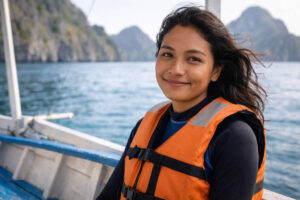 Boat days in El Nido are long, sunny, and salty. Pack for comfort, not aesthetics. Even if you’re taking the “calmer” route, you’ll likely be wet most of the day and exposed to sun and wind.
Boat-Day Packing List That Covers Sun, Cuts, And Wet Phones
- Sun and salt protection: Reef-friendly sunscreen, rash guard, hat, and sunglasses with a strap. A light long-sleeve can feel better than reapplying sunscreen constantly.
- Waterproofing essentials: Dry bag, waterproof phone pouch, and a small zip pouch for cash. Keep one “dry set” (ID, cash, phone) separate from your wet items.
- Footwear and cuts: Aqua shoes help with slippery rocks and beach entries. Bring a few band-aids or blister tape—small cuts can sting in saltwater.
- Comfort items: Quick-dry towel, change of clothes for the ride back, motion sickness meds (if needed), and a small snack. Even with lunch included, some people get hungry between stops.
- Responsible travel: Refillable bottle, a small trash bag, and patience with protected-area rules. Leave shells and corals where they are.
Reality Check: Expect your skin to feel tight from salt, your hair to tangle, and your phone to be at risk every time you board. If you protect your basics well, the day feels much easier.
Quick Links For Planning Your El Nido Trip
If your boat day gets canceled or you want a lighter alternative between tours, browse Free Things To Do In El Nido and build a simple backup day you’ll still enjoy.
More El Nido Guides: If you want to compare neighborhoods, trip length, and other day plans, check More El Nido Travel Guides.
When you’re ready to plan beyond Palawan, you can keep exploring Bakasyon.ph Travel Guides.