A Dumaguete Itinerary 5 Days works best when you treat it as a template, not a strict schedule. The biggest “trip breakers” here are not the attractions—it’s weather, sea conditions, ferry schedule shifts, and early pickup times that compress your mornings. This guide is built for a calm pace with buffers, so you can still enjoy the city even if one big day trip gets moved or canceled.
For a fuller city overview you can skim before planning, start with the Dumaguete Travel Guide. If you’re trying to compress the same ideas into fewer days, the Dumaguete Itinerary 3 Days is the shorter version. And if you like collecting route ideas across the country, browse Travel Guides for more realistic pacing templates.
At-a-Glance
- Best planning mindset: One major excursion per day, with at least one built-in “slow day” for recovery.
- Sea-dependent days: Apo Island Snorkeling and Manjuyod Sandbar are weather and sea-condition sensitive.
- Typical friction points: Early starts, port waiting time, road time that feels longer due to stops and queues.
- Budget band (very rough): PHP 1,500–6,000+ per day depending on comfort level, group size, and tours.
- Rain/heat backup: Use the Slow Day buffer and move sea days to the best-weather day.
Reality Check: Tour pickup windows and ferry schedules can shift, sometimes with short notice. Plan your mornings assuming you’ll be ready earlier than the “official” start time, then treat any extra minutes as a bonus.
Quick Overview: Dumaguete Itinerary 5 Days At A Realistic Pace
 This Dumaguete Itinerary 5 Days balances three kinds of days: an easy city day, a sea day (weather-dependent), and an inland day (more weather-proof). It also gives you one choice day you can turn into a Siquijor day trip or keep as your built-in buffer when energy is low or the sea is rough.
Who This Pace Is For
This pace works for first-timers who want the “classic” highlights without stacking too much in a single day. It also fits families who need more downtime, and remote workers who want a predictable work block without feeling like they’re wasting the trip.
Reality Check: If you try to fit every attraction into five days, you’ll spend more time waiting (port lines, transfers, regrouping) than actually enjoying Dumaguete.
What “Buffers” Mean In Real Travel
Buffers are small pieces of flexible time and flexible sequencing. In Dumaguete, buffers matter because the sea decides your day more than your spreadsheet does. If the water is rough or the wind is strong, boat trips may be delayed or canceled. If it rains, trails can become slippery and slow. A buffer plan tells you exactly what to swap so you don’t lose the whole day.
Reality Check: A “late start” after a sea day is normal. Build that recovery time into your plan rather than feeling behind.
Before You Go: What To Prebook Vs Decide On The Day
If you want a calm trip, prebook only the things that become stressful when you decide last-minute. Leave everything else flexible so you can adapt to weather and energy.
Prebook Or Reserve Early
- Apo Island Snorkeling: Arrange a day tour or boat setup early if you’re traveling in peak periods or weekends. Confirm the jump-off area, meeting time, what’s included, and cancellation rules.
- Manjuyod Sandbar: Pre-arrange if it’s a must-do, because it’s a long day and timing matters. Confirm the earliest pickup window and how they handle sea condition changes.
- Peak-season ferries (especially for Siquijor side trips): If your trip dates are tight, reserve early to reduce port stress.
Reality Check: Even when you prebook, you may still need an early morning confirmation message because sea conditions can change overnight.
Decide On The Day
In-town Dumaguete is best left flexible: boulevard strolls, café time, light museums, and quick food stops are easier when you decide based on your energy and the weather. This is how you keep the itinerary calm without losing the “feel” of the city.
Reality Check: If you pack too many “small stops” into a day, it can feel more tiring than one big excursion.
What To Check The Night Before
- Weather and wind: Not just “rain/no rain,” but wind strength and morning conditions for sea days.
- Sea condition updates: Ask your tour operator what conditions look like for the next morning.
- Pickup time window: Confirm the earliest time you should be ready and the exact pickup point.
- Meeting point details: Ask if you’re meeting at your hotel lobby, a landmark, or the port gate.
For a planning framework you can reuse across Philippine trips, keep Philippines Travel Planning Guide in your tabs while you build your schedule.
Reality Check: The night-before check is what separates a calm itinerary from a stressful one. It’s the small confirmations that prevent big morning surprises.
Transport Reality In Dumaguete
Typical Pickups
 Many day tours offer hotel pickup within Dumaguete City proper, but locations outside the usual pickup zone may have a surcharge or require you to meet at a central point. If you’re staying farther out, ask early: “Included po ba ang pickup sa area namin?” and request the nearest meeting point if not.
Reality Check: A “pickup included” promise can still come with conditions (minimum pax, limited zones). Always confirm your exact address coverage.
Port Reality
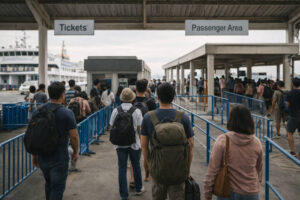
For any Dumaguete To Siquijor Ferry plan, arrive early—ports involve ticket lines, terminal fees (sometimes), security checks, and boarding procedures. Schedules can shift due to weather, vessel changes, or operational adjustments.
Use OceanJet for schedule verification only (not as a guarantee): https://www.oceanjet.net/news-and-updates/oceanjet-daily-schedule. Other operators and times can vary, so treat your ferry plan as “verify close to departure.”
Reality Check: The port is rarely a “quick in-and-out.” Build at least an hour-plus buffer before departure, more during weekends or holidays.
Road Time Friction
On paper, distances can look short. In practice, your day stretches due to regrouping, comfort stops, traffic pockets, and the simple pace of provincial roads. Valencia day trips are usually easier than northbound excursions because you’re not layering boat schedules and long transfers.
Reality Check: If your day includes both a long drive and a boat schedule, assume you’ll be moving (or waiting) more than you expect.
Local Transport Basics
In-town, tricycles are the common short-hop option and are useful when you want to conserve energy. For Valencia, you can use public transport routes and terminals, but waiting time adds up—especially if you’re trying to catch a specific time window at a falls trail or hot spring.
For a deeper overview of how Philippine public transport typically works (and why it can feel slower than expected), use Philippines Public Transport Guide.
Reality Check: Private rides cost more but often “buy you time and calm.” Public transport saves money but can cost energy through waiting and transfers.
The 5-Day Itinerary
Use this Dumaguete Itinerary 5 Days as a realistic template. Your goal is not to “complete everything,” but to keep one clean highlight per day and protect your energy with buffers.
Day 1: Dumaguete Easy Arrival + City Center + Boulevard
Morning: Arrival, hotel check-in or bag drop. If you have time and energy, do a light city walk around the Silliman area or nearby central spots. Keep it simple: one walk loop, one snack stop, then back to rest.
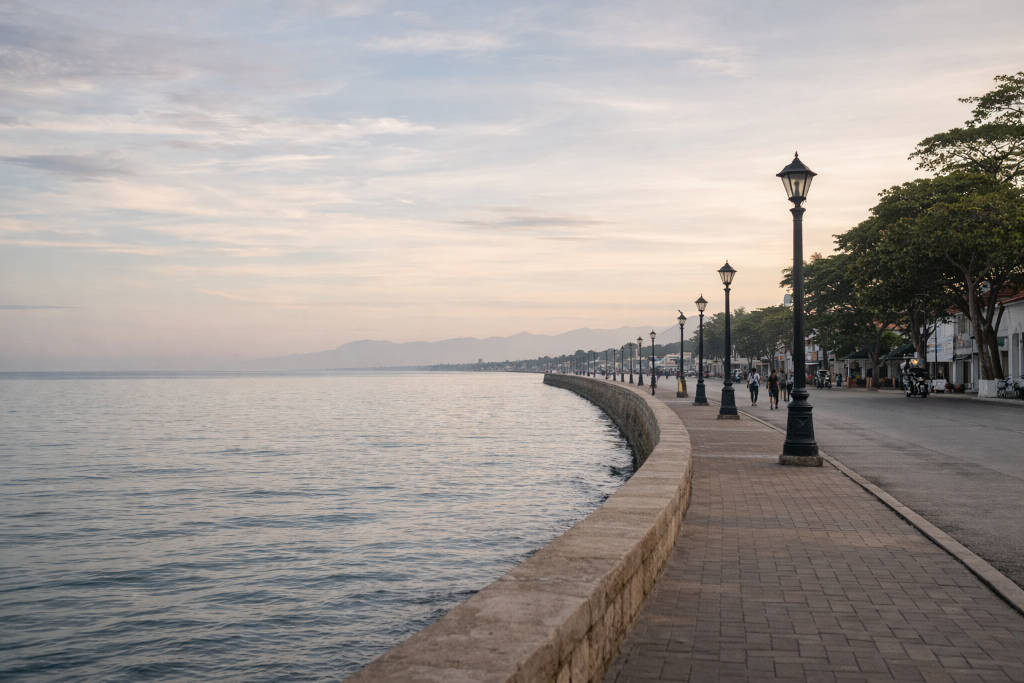
Afternoon: Late afternoon boulevard window for a slow stroll when the light is softer. Early dinner and an early night if you have a sea day tomorrow.
Mini Notes: Easy to decide same-day: café time, boulevard food, quick museum stops. Easy to skip if tired: extra shopping detours and long walks in midday heat.
Reality Check: Day 1 is not the day to “prove you can do it all.” The best Day 1 outcome is feeling settled, not exhausted.
Day 2: Sea Day Option Apo Island Snorkeling
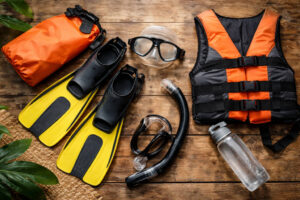 Morning: Very early start. Expect a pickup window rather than a single exact minute. Transfer to the jump-off area (Apo Island access is commonly via the Malatapay area), briefing, then first snorkel session.
Afternoon: Lunch on or near the island, then a second snorkel only if energy and conditions are good. Return with a generous buffer for late arrival, shower time, and a slow dinner.
Comfort Notes: Plan for seasickness risk (ginger candy or meds if you use them), sun exposure (rash guard, sunscreen), footwear with grip (boat entries can be slippery), and a dry bag for phone and valuables.
Planning-First Note: Do not overpromise this day. If the sea is rough, plans can shift. Confirm conditions through your operator and use official destination references as a starting point: https://www.negor.gov.ph/tourist-destination/.
Reality Check: A sea day can feel long even when it’s fun. Protect your evening—don’t schedule anything that requires sharp timing.
Day 3: Inland Day Valencia Nature Day
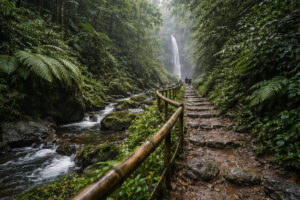 Morning: Valencia hot springs or a gentle nature stop first. Choose the lower-effort activity early so your body warms up gradually rather than jumping straight to a steep trail.
Afternoon: Choose one: Pulangbato Falls or Casaroro Falls depending on fitness, rain, and trail conditions. Return to Dumaguete for an early dinner.
Comfort Variations: Budget travelers can DIY via public transport and short rides, with more waiting. Midrange can mix public transport with occasional private tricycle or hired car segments. Comfort travelers can use a private car for smoother timing and fewer pauses.
Safety Note: Trails and steps get slippery in rain. Bring sandals or shoes with grip, and avoid forcing the steeper option if weather turns.
Reality Check: Valencia is “more weather-proof,” not weather-proof. Rain can slow everything down and change which falls is realistic.
Day 4: Choice Day Siquijor Day Trip Or Dumaguete Slow Day
Option A: Siquijor Day Trip
Morning: Early port time, ferry crossing, then a realistic island loop with drive-time expectations. Keep your highlight list short so you don’t spend the day rushing between stops.
Afternoon: Return ferry with a buffer for delays, then dinner in Dumaguete.
Warning: Treat this as optional. Sea conditions and schedules can change. Verify close to your travel date and again the day before using OceanJet’s schedule page as a reference point only: https://www.oceanjet.net/news-and-updates/oceanjet-daily-schedule.
Reality Check: The “hard part” of a day trip isn’t the island—it’s the port timing. If you hate waiting, keep Day 4 as a Slow Day instead.
Option B: Dumaguete Slow Day
Morning: Late start. Brunch, then a museum stop or a café work block. This is also a good day for admin tasks that help the rest of your trip (laundry, booking confirmations, packing organization).
Afternoon: Pasalubong stops, another boulevard stroll, massage/rest, and an early night if you plan a big Day 5.
Reality Check: A Slow Day is not a “wasted day.” It’s what keeps the itinerary enjoyable when weather shifts or a sea day runs long.
Day 5: North Day Trip Twin Lakes Or Manjuyod Sandbar
Morning: Choose one major excursion only.
- Option A: Balinsasayao Twin Lakes for nature, walking, and viewpoints (more predictable than sea days).
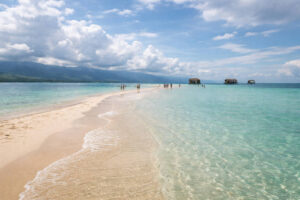
- Option B: Manjuyod Sandbar for a very early start, weather-dependent conditions, and a longer day with more timing friction.
Afternoon: Return with a departure buffer. Do not plan tight connections after a long day trip—especially if you still need to pick up bags, eat, or travel onward.
Reality Check: Day 5 is where people overstack. If you try to do both Twin Lakes and Manjuyod, you’ll likely rush, wait more, and enjoy less.
The Buffer Rule
 Here is one clear buffer option you can use without rewriting your whole trip:
- If the sea is rough on Day 2: Swap Day 2 and Day 3. Do Valencia first (more weather-tolerant), then move Apo Island Snorkeling to the next best-weather day (often Day 4 if you choose the Slow Day, or replace Siquijor if sea conditions are not ideal). You lose: the “perfect sequence.” You gain: less sunk cost stress and a higher chance of a good sea day.
- If you’re drained: Turn Day 4 into the Dumaguete Slow Day buffer, then keep only one big excursion on Day 5. You lose: one extra destination. You gain: better energy, fewer rushed transfers, and a calmer last day.
To time buffers around rain seasons and shifting conditions, use Philippines Weather Travel Guide to choose your best travel window and set realistic expectations.
Reality Check: Buffer swaps are not “plan B.” In island travel, buffers are part of plan A.
Budget And Comfort Variations
Prices vary by season, fuel costs, operator policies, and group size. Use ranges, not exact targets, and treat these as rough daily guidance.
Budget Lane
What changes: You’ll spend more time waiting for rides, coordinating meeting points, and walking. You’ll likely pick fewer paid day tours and do more DIY planning.
Rough daily range: Often PHP 1,500–2,800 per person per day if you keep excursions limited and meals simple.
Reality Check: Budget travel can still get expensive fast on sea days because boats and transfers don’t scale down much for solo travelers.
Midrange
What changes: Joiner tours reduce planning effort, and mixing in private tricycle or car segments saves energy. You can keep early starts manageable without paying for full private tours every day.
Rough daily range: Often PHP 2,800–4,800 per person per day depending on which day trips you include.
Reality Check: Midrange is the sweet spot for many travelers, but it still benefits from buffers. Joiner tours also wait for the group.
Comfort
What changes: You buy calm: earlier pickups, fewer transfers, less waiting, and more control over stop timing. This is best for families, tight deadlines, or travelers who get tired quickly with long rides.
Rough daily range: Often PHP 4,500–6,000+ per person per day depending on private tour inclusions and group splitting.
Reality Check: Comfort doesn’t remove weather risk. It mainly reduces the stress of logistics when plans shift.
Safety And Comfort Notes
For sea days, keep valuables minimal and dry: use a dry bag, bring only what you need on the boat, and protect phones and passports from splash risk. For inland trails, assume slippery paths after rain and prioritize footwear with grip. If you’re moving between multiple pickup points, screenshot confirmations and keep your meeting point written in plain language.
For a broader reference that fits Philippine travel realities, keep Travel Safety Philippines Guide handy while you plan.
Reality Check: The most common problem is not “danger,” it’s fatigue plus rushing. A calm itinerary is a safety strategy.
FAQ
Is A 5-Day Dumaguete Itinerary Better With Or Without A Siquijor Side Trip?
It depends on what you value. If you want variety and don’t mind port time and schedule checks, Siquijor can fit as an optional Day 4. If you want calm pacing, fewer transfers, and more flexibility for sea conditions, skipping Siquijor and keeping Day 4 as a Slow Day often makes the whole Dumaguete Itinerary 5 Days feel smoother.
What Should You Prebook In Dumaguete (Tours And Ferries)?
Prebook Apo Island Snorkeling and Manjuyod Sandbar if they are must-dos, especially in peak season or weekends. Consider reserving ferries for fixed-date side trips. Keep city time, cafés, and boulevard food flexible so you can adjust to weather and energy.
How Do You Plan Buffers If Weather Changes Fast?
Put sea days earlier in the trip so you have more days to move them if needed. Keep one inland day (Valencia) ready as a swap. And keep one Slow Day that can absorb delays, laundry, and rest without feeling like you “lost” the day.
What Are The Typical Pickup Points And How Early Should You Be Ready?
Typical pickup points are hotel lobbies in Dumaguete City proper or central meeting points near main roads if you’re outside coverage. Be ready earlier than the stated window (often 15–30 minutes earlier) because routes change based on other pickups. Confirm the meeting point and the earliest pickup time the night before.
How Much Budget For 5 Days In Dumaguete At Different Comfort Levels?
Very roughly, budget lane travelers may spend around PHP 1,500–2,800 per day, midrange PHP 2,800–4,800, and comfort PHP 4,500–6,000+ depending on tours and transport style. Season, group size, and whether you prebook private tours can change totals quickly.
What’s The Most Realistic Mistake To Avoid (Overstacking Day Trips)?
The most realistic mistake is stacking two major excursions in one day, especially on Day 5, then scheduling a tight departure. It creates stress when roads, ports, and weather add delays. The calm move is: one big thing per day, plus a buffer day you protect on purpose.
If you keep the plan flexible, this Dumaguete Itinerary 5 Days becomes easy to live with: a gentle city start, one sea highlight when conditions cooperate, a more weather-tolerant inland day, one optional side trip, and one final excursion you don’t overstack. That’s the version of five days that still feels like a vacation.