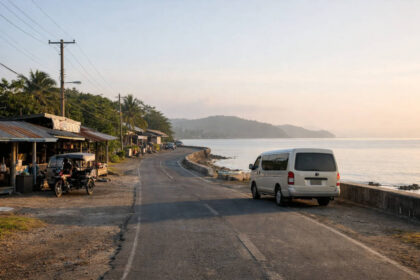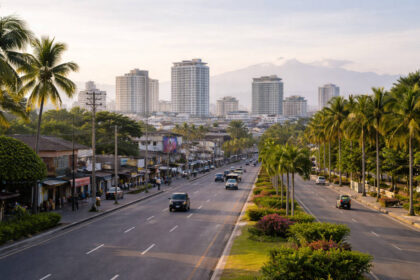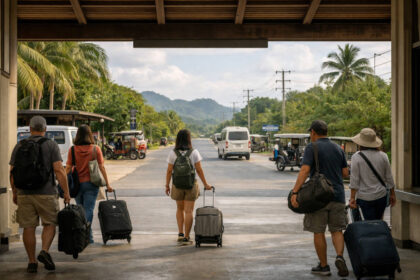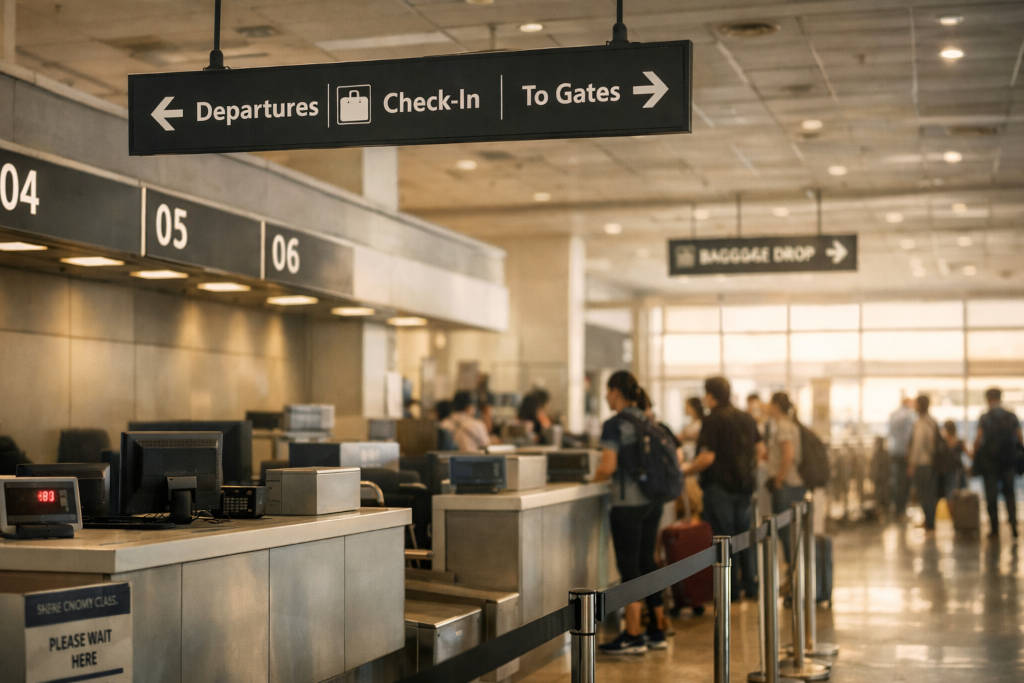
Planning Davao City to Siquijor is mostly about managing “friction”: airport transfers, port lines, weather cancellations, and timing the last boat. The good news is there are now lower-stress combinations—especially if flight days line up—so you can spend less energy on terminals and more on arriving calm in Siquijor (usually aiming for San Juan).
For quick local context (airport access, peak hours, and practical city tips), it helps to skim Davao travel guides and tips before locking anything in. Reality check: even “short” routes can feel long if one transfer slips, so the best plan is the one with the fewest moving parts for your comfort level.
At-a-Glance: Davao City to Siquijor Logistics
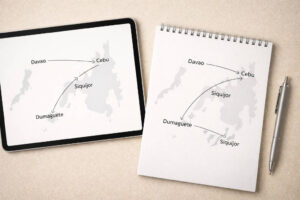 Best time window: drier months usually mean fewer sea cancellations, but flights and ferries still shift—build buffers year-round for Davao City to Siquijor. Realistic door-to-door time: about 6–10 hours on a smooth fly-fly day, 8–14 hours for fly-ferry routes, and 18+ hours for sea-heavy trips. Budget band: “mid” to “higher” if you prioritize fewer transfers; “lower” if you accept longer, more variable timing.
Crowd and traffic risk: Cebu and Dumaguete terminals can spike around holidays and weekends; Cebu airport-to-pier traffic is the classic stress point. Rain and heat backup: keep a Plan B overnight option in Cebu City or Dumaguete ready, and pack a light layer plus rain cover for port queues. Reality check: the last ferry of the day is the one most often missed—plan around it, not wishful timing.
Quick Answer: Least-Stress Plans
Low-Stress Default Plan
If schedules match, the least stressful Davao City to Siquijor plan is typically: fly Davao (DVO) to Cebu (CEB), then Cebu to Siquijor by commercial flight. This can reduce “port friction” (ticket booths, terminal fees, boarding queues, sea conditions). It also shortens the day and lowers the chance of missing the last boat.
Reality check: flight-day availability matters. If the Cebu–Siquijor flight does not operate on your travel day, a “flight-first” plan can still work—but you may need a Cebu overnight or a shift to Dumaguete or ferry routing.
Low-Stress Alternative
The most reliable backup for Davao City to Siquijor is: fly Davao (DVO) to Dumaguete (DGT), then ferry Dumaguete to Siquijor. It’s a classic route because the last leg is short, and Dumaguete port steps are straightforward once you know the flow.
Reality check: even short sea crossings get cancelled in strong wind or rough seas. If you’re traveling with a strict check-in time in Siquijor, plan as if a same-day ferry might not happen.
Before You Book: Routing Style, Buffers, and Baggage Reality
Start by choosing your “routing style” for Davao City to Siquijor: (1) minimize transfers (usually fly-fly), (2) maximize schedule flexibility (fly-ferry), or (3) minimize cost (sea-heavy, but time-variable). If this is a first multi-leg trip inside the country, the Philippines travel planning guide for first trips is a helpful reset on buffers, documents, and common transport quirks.
Choose Your Routing Style (Stress vs Flexibility)
Pick your top priority, then plan everything around it. If stress avoidance is #1, aim for the fewest terminals in one day. If flexibility is #1, choose a route with many departure options (like Cebu ferry days or Dumaguete ferries). If budget is #1, accept that Davao City to Siquijor may become a two-day travel story.
Reality check: “cheapest” can become expensive if you add last-minute rebooking, extra nights, or missed non-refundable bookings.
The Buffer Rule (The One Habit That Prevents Panic)
Use simple buffers: (1) allow 2–3 hours before any domestic flight, (2) allow 3–4 hours between landing and a ferry you “must” catch, and (3) avoid planning around the last trip of the day. For Davao City to Siquijor, the safest same-day plan usually requires an early first flight out of Davao.
Reality check: Cebu traffic and terminal lines don’t care about your itinerary—buffers are not “extra,” they’re the plan.
Baggage Reality Check (What You Can Carry Smoothly)
Baggage allowances vary by airline and fare type, and add-ons can cost more close to departure. For ferries, rules differ between fast craft and RORO, and you’ll likely carry bags through ramps or stairs. For Davao City to Siquijor, a “one manageable bag” mindset reduces the hardest part: moving when lines are slow and the weather is wet.
Reality check: carts can be limited at small ports, and porter services (optional) may cost extra—have small cash ready if you prefer help.
Option 1: Davao → Cebu → Siquijor by Flight
Who This Route Is Best For
This Davao City to Siquijor option is best for travelers who want fewer queues and less sea uncertainty, and who can match their travel day to the Cebu–Siquijor flight schedule. It’s also a good fit for families with kids, travelers with limited mobility, or anyone who wants to arrive with the least transfer “noise.”
Reality check: when flight schedules shift, it’s not unusual to need a Cebu overnight—build that possibility into your mindset (and budget).
Step-by-Step (What the Day Looks Like)
1) Hotel/home in Davao to Davao International Airport (DVO). 2) Fly DVO to Mactan-Cebu International Airport (CEB). 3) Check in for the Cebu to Siquijor flight. 4) Land in Siquijor, then take local transport (usually tricycle or pre-arranged transfer) to your base—most often San Juan.
Commercial flights to Siquijor via Cebu are now a real option; this is the key reason Option 1 can reduce port friction. For a quick reference on the milestone, see this news release on commercial flights to Siquijor. Reality check: “commercial flights exist” does not always mean “daily flights”—always check the exact operating days before committing.
Door-to-Door Time and Cost (Realistic Ranges)
Time estimate for Davao City to Siquijor via Cebu by flight: roughly 6–10 hours door-to-door on a smooth connection day, including Davao city transfer, airport check-in, possible waiting time, and ground transport on Siquijor to San Juan. If the layover is long or flights don’t align, the range becomes 10–16 hours and may effectively turn into an overnight plan.
Cost range: expect a “mid to higher” total compared with fly-ferry routes, because you’re paying for two flights and baggage add-ons. Prices are driven by season (holidays and summer), day of week, how early you book, seat sales, baggage weight, and rebooking flexibility. Reality check: the cheapest base fare can become stressful if it’s strictly non-changeable—consider paying a little more for change options if your schedule is tight.
Where to Buy Tickets and What to Save
Buy flights through official airline websites or apps whenever possible for Davao City to Siquijor, especially if you expect to change dates. After booking, screenshot or save: booking reference/PNR, e-ticket/itinerary, proof of payment, baggage add-on confirmation, and the flight schedule page showing date and flight number. If you pay terminal fees onsite (varies by airport and setup), keep the receipt until you’ve completed all legs.
Reality check: airport Wi-Fi can be unreliable. Save copies offline (phone folder) and consider a printed backup of your itinerary if you’re traveling during peak season.
Terminal Friction Checklist (How to Keep It Low-Stress)
Arrive early: aim for 2 hours before domestic flights, longer during holidays. Expect lines at bag drop and security. Keep an easy-access pouch for ID, cash, and phone. Watch for last-minute gate changes. If running late: prioritize check-in/bag drop deadlines first, then security; if you miss the flight, go straight to the airline counter to ask about rebooking rules for your fare.
Low-stress packing tip for Davao City to Siquijor: keep liquids, chargers, and snacks in one pocket; use a rain cover even for airport days because transfers can happen under sudden downpours. Reality check: tight connections feel “doable” on paper but become stressful with delayed arrivals—choose longer layovers when possible.
Option 2: Davao → Dumaguete → Siquijor by Ferry
Who This Route Is Best For
This classic Davao City to Siquijor route is best for travelers who want a dependable structure with one flight plus a short ferry, and for days when the Cebu–Siquijor flight doesn’t line up. It also suits travelers who are okay with port steps as long as they’re clearly laid out.
Reality check: your stress level here depends on timing the last Dumaguete-to-Siquijor trip—plan to arrive in Dumaguete earlier than you think you need.
Step-by-Step (Dumaguete Airport to Port, Then Ferry)
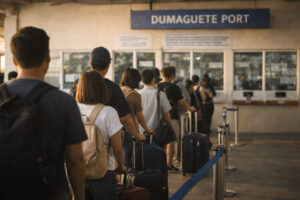 1) Get to Davao International Airport (DVO). 2) Fly to Dumaguete (DGT). 3) From Dumaguete airport, take a short ride to Dumaguete Port (usually tricycle/taxi; time varies with traffic). 4) At the port: find the correct ticketing area, pay any required terminal fees, pass security, then proceed to the boarding gate for your ferry to Siquijor. 5) Arrive at Siquijor Pier or Larena Port, then take a tricycle/transfer to San Juan or your chosen base.
If you want a broader primer on how terminals, ticketing, and local transfers usually work in the Philippines, this is a good moment to reference the Philippines public transport guide (bus, jeepney, ferry). Reality check: port layouts can change, and staff may direct passengers differently on busy days—follow posted signs and confirm your vessel name and destination port.
Door-to-Door Time and Cost (Realistic Ranges)
Time estimate for Davao City to Siquijor via Dumaguete: roughly 8–14 hours door-to-door when connections are smooth, including airport time, flight time, transfer to Dumaguete Port, waiting and boarding, the sea crossing, and local transport to San Juan. If your flight lands late afternoon and you miss the last ferry, the trip becomes 12–24+ hours with an overnight in Dumaguete.
Cost range: usually “mid,” because you’re paying one flight plus ferry tickets and local transfers. Price drivers include flight demand, baggage add-ons, ferry class (if offered), and holiday surges. Reality check: if you travel with large bags, the combination of airline baggage fees plus port handling can narrow the gap versus a fly-fly route.
Where to Buy Tickets and What to Save
 For the flight leg, use official airline sites/apps. For the ferry, check the ferry operator’s official site or official ticketing channels when available, especially during peak travel dates for Davao City to Siquijor. Port ticket booths make sense when you have flexible timing or you want to decide based on actual sea conditions that day—but it can mean longer lines.
Save screenshots: flight PNR and itinerary; ferry booking reference/QR code (if issued); proof of payment; the schedule page for your ferry; terminal fee receipts; and a note of the ferry name plus destination port (Siquijor or Larena). For schedule checking context, see OceanJet daily schedule updates (even if you don’t book that specific operator, it shows how schedules can vary by day). Reality check: schedules can change for weather or maintenance—reconfirm the day before and again the morning of travel.
Port Friction Checklist (Dumaguete to Siquijor)
Arrive at Dumaguete Port earlier than you think: 60–90 minutes before departure is a calm target in normal weeks, and longer during holidays. Expect separate lines for ticket validation, terminal fee payment (sometimes), and security. Keep small bills for fees and snacks. Watch for announcements: boarding can start earlier than posted.
If you’re running late for Davao City to Siquijor: go straight to the ticket counter or staff desk and ask (1) if revalidation is possible for the next trip, and (2) whether you need to pay a change fee or new terminal fee. Reality check: the “next trip” might be the next day—know where you’ll sleep if that happens.
Option 3: Davao → Cebu → Siquijor by Ferry
Who This Route Is Best For
This Davao City to Siquijor option fits travelers who can’t match flight days to Siquijor, prefer a sea crossing, or want more schedule choices than a limited flight frequency. It can also work well if you’re comfortable doing an overnight in Cebu City to keep the day relaxed.
Reality check: the stress point here is not the ferry—it’s the transfer between Mactan-Cebu airport and the Cebu City pier area.
Cebu Transfer Reality (Airport to Pier Buffers Matter)
 Typical flow: land at CEB, claim bags, then transfer by taxi/ride-hailing/van to the pier area in Cebu City (often where fast craft departures are concentrated). Travel time can be highly variable due to traffic, weather, and time of day. For Davao City to Siquijor, a conservative buffer of 3–4 hours between landing and ferry departure keeps the day calm.
Low-stress move: if you land midday or later, consider sleeping in Cebu City and taking a morning ferry. Reality check: trying to “sprint” to a late-afternoon boat can turn a simple plan into a stressful one, especially with checked baggage.
Door-to-Door Time, Cost, and Friction Checklist
Time estimate for Davao City to Siquijor via Cebu by ferry: roughly 9–15 hours door-to-door if you connect same-day, including airport time, road transfer, port steps, sea crossing, and Siquijor land transfer to San Juan. If you choose (or need) a Cebu overnight, the active travel time may be similar, but the total calendar time becomes 1–2 days with much lower stress.
Cost range: usually “mid,” driven by the Davao–Cebu flight price plus ferry ticket class, baggage handling, and Cebu city transfers. Friction checklist: arrive at the pier 60–90 minutes early; prepare for separate queues (ticket validation, terminal fee, security); keep a dry bag or rain cover ready; and expect limited seating near boarding time. Reality check: if seas turn rough, even a “short” crossing can feel long—choose seats that reduce motion discomfort when possible.
Option 4: Budget/Overland or Sea-Heavy Routes (High-Level Only)
There are more budget-leaning ways to do Davao City to Siquijor with more sea legs and long overland segments, but they are time-variable and best for travelers with flexible schedules and buffer days. Expect multiple tickets, more terminals, and higher exposure to weather disruption.
Safety and comfort matter more on long, multi-leg days: travel in daylight when possible, keep valuables close, and don’t push onward if you’re exhausted. Reality check: saving on one ticket can be cancelled out by an unplanned overnight, missed connections, or stress from very long transfer days.
Which Siquijor Arrival Point to Choose (Siquijor Pier vs Larena Port)
Match the Port to Your Base (Especially San Juan)
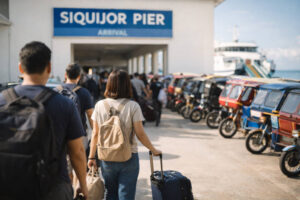 When planning Davao City to Siquijor, confirm whether your ferry or flight arrival is closer to your accommodation plan. Many visitors base themselves in San Juan for beaches and sunsets; from either Siquijor Pier or Larena Port, you’ll likely use tricycles or pre-arranged transfers. Ask your accommodation which port is easier for late arrivals and whether they can help arrange a driver.
Reality check: tricycle availability can thin out in the evening, and rain can slow pickups—message your host with your updated ETA once you’ve landed or boarded the ferry.
What to Screenshot/Save (A Simple Checklist in Sentences)
For Davao City to Siquijor, save a small “Travel Day” album on your phone. Include: flight PNR/booking reference, e-ticket itinerary, baggage add-on receipts, and proof of payment. For ferries: booking reference/QR code (if issued), schedule page showing the date and time, terminal fee receipt, and a clear note of ferry name plus destination port (Siquijor Pier or Larena Port). Also save your accommodation address in Siquijor (with a pin if possible), plus a screenshot of any pickup instructions.
Reality check: when your phone signal is weak at a port, screenshots are faster than loading email confirmations.
Luggage and Comfort Tips (What Makes the Day Smoother)
The calmest Davao City to Siquijor days usually belong to travelers who pack for movement, not for “maximum outfit options.” Aim for one main bag you can lift safely and one small day pouch. Waterproofing matters: use a pack cover or dry bag for electronics, and keep a spare shirt in your carry-on because sudden rain plus port humidity can feel sticky.
Friction points to plan for: luggage tagging at ports, limited carts, stairs/ramps during boarding, and optional porter services with small fees. Keep small cash ready, but only use porters if you truly want help—there’s no need to feel pressured. Reality check: fast craft cabins can feel cold with strong aircon—bring a light layer even in summer.
Delay/Cancellation Backup Plan (Plain-Language Decision Tree)
What to Do If Something Slips (Without Panicking)
If a flight delay threatens your Davao City to Siquijor connection, decide early whether you’re still aiming for same-day arrival or switching to an overnight. Step 1: check the “last realistic” ferry/transfer of the day (not the last scheduled one). Step 2: if you’re likely to miss it, stop chasing—rebook calmly and protect tomorrow’s plan. Step 3: message your Siquijor accommodation with a simple update: “Travel delayed, likely arriving tomorrow; can the first night be moved or credited?” Step 4: choose the least stressful overnight location: Cebu City if you’re in Cebu, or Dumaguete City if you’re in Dumaguete. Step 5: keep receipts and screenshots; they help with rebooking discussions.
To reduce risk on travel days with multiple legs, the travel safety guide for the Philippines is a good reference for night travel choices, keeping valuables secure, and choosing transport options that feel comfortable. Reality check: weather cancellations happen most often for sea legs—if seas look rough, prioritize safety and accept the overnight as the “calm choice.”
Protecting the first night booking: when possible, book accommodations with flexible change policies, or plan your Siquijor check-in for the day after travel if you’re taking a ferry. If your booking is strict, consider booking the first night somewhere closer to your transfer point (Cebu or Dumaguete), then start Siquijor the next morning. Reality check: paying one extra flexible night can cost less than last-minute rebooking and stress.
FAQs
Can Davao City to Siquijor be done in one day? Yes, it can—especially on a fly-fly day or an early flight to Dumaguete with a comfortable ferry buffer. But “possible” is different from “low-stress.” If arriving after dark makes you uneasy, plan an overnight in Cebu or Dumaguete.
What is the least stressful route for Davao City to Siquijor? When operating days match, Davao to Cebu to Siquijor by flight is often the lowest friction. If flight days don’t match, Davao to Dumaguete then ferry to Siquijor is the most straightforward alternative.
How much buffer time is enough? For Davao City to Siquijor, aim for 3–4 hours between landing and a ferry you “need” to catch, and avoid planning around the last trip of the day. If your trip is during a holiday week, add more buffer or plan an overnight.
Which port should be the target: Siquijor Pier or Larena Port? Either works, but match it to your accommodation and arrival time. If you’re staying in San Juan, ask your host which port is easier for your specific check-in hour, and whether they can help with a driver or tricycle arrangement.
Where should tickets be booked? Use official airline websites/apps for flights. For ferries, use the operator’s official website or official ticketing channels when available; port ticket booths are fine for flexible travelers but can mean longer lines. Always save screenshots: PNR/QR, schedule page, and receipts for Davao City to Siquijor.
What if the ferry is cancelled? Treat it as a safety call, not a personal failure. Rebook to the next available trip, secure an overnight near the port, and update your accommodation. If Siquijor arrival must happen the same day for an event, consider switching to a flight-based plan when available.
If you’re ready to plan the island days (not just the transfers), browse Siquijor travel guides and itineraries for practical bases, pacing ideas, and low-stress ways to structure a short stay after a travel day from Davao City to Siquijor.
With the right buffers and a calm Plan B, Davao City to Siquijor doesn’t have to feel like a gamble. Choose the route that matches your stress tolerance, save your documents offline, and give yourself permission to overnight when timing turns tight—Siquijor will still be there tomorrow, and arriving steady is part of the trip.