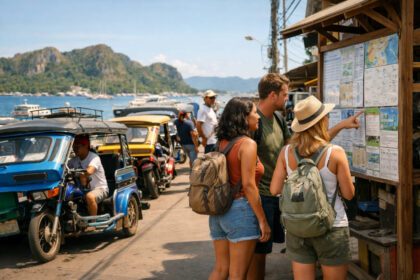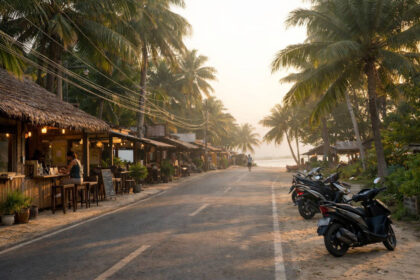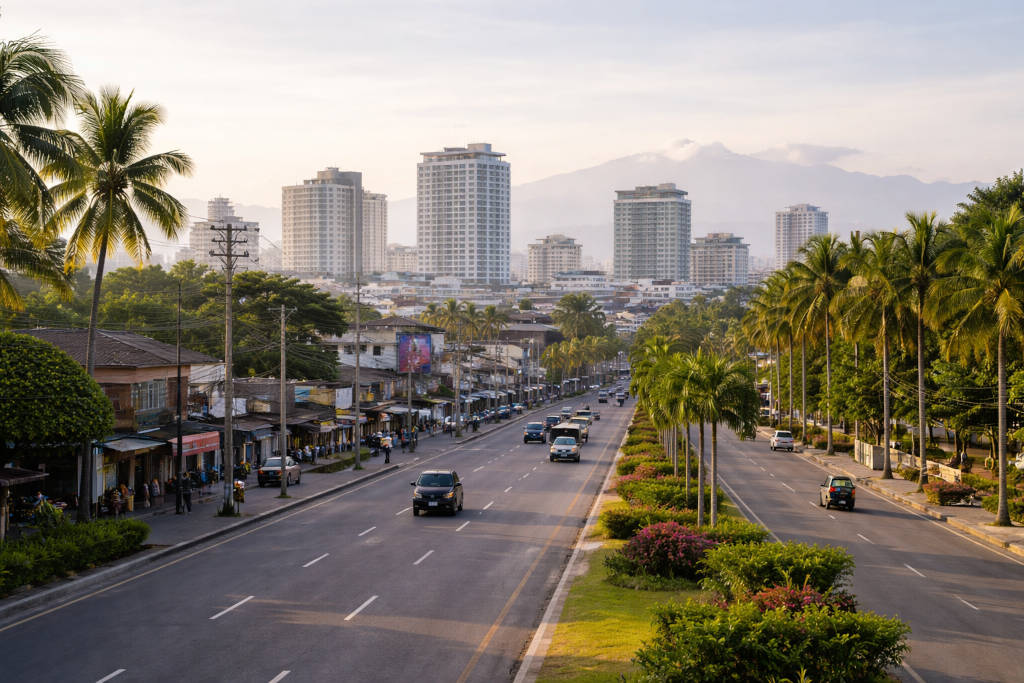
A good itinerary should make the trip feel easier before you even land. This plan does not try to squeeze every famous stop into one long rush. Instead, this supporting guide uses a planning-first approach for travelers who want a balanced four-day stay: one main anchor per day, room for meals and traffic, and a buffer that still works if the weather shifts or energy dips.
For broader context on neighborhoods, food, and city basics, pair this with the general Davao travel guide. You can also browse more Travel Guides or explore the Davao hub. For readers still shaping a wider route around the country, the Philippines first-trip planning guide can help connect Davao to the rest of a bigger journey.
At-a-Glance
 This davao city itinerary 4 days plan works best for travelers who want a steady rhythm, not a hero schedule. A relatively drier stretch is easier to work with, and the Philippines weather guide can help when choosing months.
The basic pattern is simple: Day 1 for settling in, Day 2 for upland Davao, Day 3 for Samal or a buffer day, and Day 4 for a light city close before departure. It can work for budget travelers using DIY transport, but it is also easy to upgrade for comfort. Traffic and crowd pressure can build near wharves, airport corridors, weekends, and holiday periods, so it helps to keep Day 3 as the most flexible part of the trip.
Reality Check: four days is enough for a balanced first trip, but only if you accept that Davao is best enjoyed with a calm route. Upland travel, island transfer time, and airport timing all add more friction than they first appear.
Who this Davao City itinerary is for
Best fit for first-timers, couples, small families, and low-stress travelers
This itinerary suits travelers who want a clear plan without turning every morning into a logistics puzzle. It works especially well for first-timers who want to experience both city and nature, couples who prefer an easy pace, small families with different energy levels, and anyone who values comfort over maximizing every hour.
The structure is simple on purpose: one main anchor, then a few optional add-ons only if time, weather, and mood still support them. It also fits travelers who like to lock in only the parts that really matter.
In Davao, that often means securing the first nights of accommodation, any must-have transfer, and any resort or tour with fixed slots, while leaving cafes, parks, and low-stakes food stops open until the day itself.
What this itinerary does not try to cover
This plan does not attempt a complete Davao checklist. It does not stack upland Davao and Samal on the same day. It does not assume you want pre-dawn starts, long cross-city jumps, or dinner plans that depend on perfect timing.
It also does not compete with a broader destination overview. The goal here is narrower and more useful: help readers spend 4 days in Davao City in a way that still feels good on Day 4.
Reality Check: a packed itinerary can look impressive on paper, then become tiring once waiting time, loading time, and meal delays enter the picture. The calmer route is often the one that actually gets followed.
Before Day 1: keep the plan simple
Where to base yourself for a smoother four-day stay
For a short stay, it usually helps to base near practical city corridors rather than chase the most scenic possible location. A central or easily connected hotel can make airport arrival simpler, reduce restaurant decision fatigue, and keep the last day less stressful. Travelers planning a Samal day trip may be tempted to sleep closer to transfer points, but for most first-timers, a comfortable city base is still the easier choice.
It keeps the trip flexible and makes late check-in or early departure more manageable. Comfort-focused travelers should prioritize reliable pickup access, ride-hailing convenience, and breakfast timing over novelty. Budget travelers can save more by choosing simpler accommodations with good transport access rather than the absolute cheapest stay that adds extra transfers.
What to prebook before the trip
Prebook the first nights of accommodation, especially if arrival is late or if you simply do not want to troubleshoot a room after landing. Prebook any fixed-slot activity you genuinely care about, any resort transfer you do not want to miss, and any airport transfer for a very late arrival or very early departure.
If you expect to rely heavily on boats or organized pickups for a Samal Island day trip, reducing uncertainty here can save a lot of mental energy. Travelers who want more official trip-planning references can also check the Davao City Tourism official guide and the Samal Turismo official guide before finalizing details.
What to keep flexible until the day itself
Keep easy city cafes, museum visits, park walks, casual merienda, and flexible sunset choices open until the day itself. These are the easiest pieces to move around if rain starts, energy drops, or an earlier activity runs long. Too much prebooking lowers freedom. Too little planning raises decision fatigue.
The sweet spot for this four-day Davao plan is to prebook the friction-heavy parts and leave the low-stakes city moments soft around the edges.
Reality Check: flexibility is only helpful when it sits on top of a clear base plan. Without that base, “we’ll decide later” can turn into lost time and tired group decisions.
Day 1: Arrival and easy city intro
Morning arrival version
If you arrive in the morning, treat the first half of the day as a landing buffer rather than a sightseeing race. Check in or leave bags, have an early meal, then choose one easy city introduction stop. This could be a low-effort park, a simple museum, or just a neighborhood walk with coffee and merienda.
The point is not to collect attractions. It is to settle into the city’s rhythm and avoid burning energy you will need for the next two days. A good Day 1 formula is morning arrival, lunch, hotel reset, one light stop, then dinner near your base. That still leaves enough rest so Day 2 can be your stronger outing.
Afternoon arrival version
If you land in the afternoon, shrink expectations even more. A realistic afternoon arrival often means airport formalities, bag handling, the ride into the city, check-in, and maybe one short stop before dinner. Travelers sometimes treat an afternoon arrival as half a full day, but in practice it often behaves more like a transition block.
For this version, the smart play is to keep the evening easy. Save your energy for the upland day. A short café stop, a quick walk, or an uncomplicated dinner is enough.
Light evening stop and early dinner option
Your first evening should feel grounding. Choose somewhere convenient rather than ambitious. This is a good time for a local-style merienda, a low-key restaurant, or a short city viewpoint if it does not require a complicated transfer.
Travelers with children, older companions, or early starts the next day will benefit from finishing dinner early and treating the evening as recovery time.
Reality Check: Day 1 is where overplanning often begins. The best arrival day is the one that removes stress, not the one that proves how much you can do before bedtime.
Day 2: Upland Davao day
Philippine Eagle Center as the main anchor
 Day 2 is the best place for the main upland outing, with the Philippine Eagle Center as the anchor. This gives the trip a meaningful nature-and-conservation day without requiring a packed schedule. Because upland travel involves road time in both directions, it deserves its own lane in the itinerary.
Leaving too late, adding too many side stops, or underestimating return time can turn a pleasant day into a long one. In a planning-first Davao itinerary, the Philippine Eagle Center works best when treated as the centerpiece, not just one of many boxes. Build the rest of the day around it, not on top of it.
Add Malagos or Eden based on energy and budget
After the main anchor, choose only one meaningful add-on. Malagos is often a practical pair for travelers who want a softer continuation with food, chocolate, or a gentler pace. Eden may appeal more to travelers who want a resort-style feel or more open-air time, but it can also stretch the day depending on traffic and your chosen activities.
Budget travelers may prefer the simpler add-on with less transfer complexity. Higher-comfort travelers may prefer the option with easier movement and more space to sit, eat, and reset. The right choice depends on energy. If the group is moving well, one extra stop can be pleasant. If not, returning earlier is often the better decision.
Return timing and why this day should not be overloaded
Return to the city before the day becomes a test of patience. Upland Davao is exactly the kind of outing that seems manageable on a map, then grows once road time, late lunches, queueing, weather pauses, and fatigue are added.
That is why this day should not be overloaded. Give yourself a city dinner close to the hotel rather than another ambitious evening plan.
Reality Check: upland Davao rewards a slower approach. One strong anchor plus one optional add-on is usually enough to make the day feel full without becoming heavy.
Day 3: Samal day trip or flexible buffer day
If weather is good and energy is high
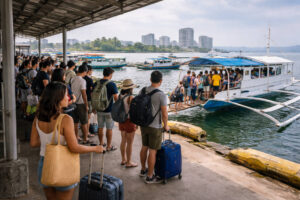 Day 3 is the best buffer day in this itinerary. If weather is good and energy is high, make it your Samal Island day trip. This timing works because you already have your bearings after two days, and you still have Day 4 as a light wrap-up. Samal can be a rewarding contrast to the city and the uplands, but it should be approached with realistic expectations about movement.
Ferry time is only one piece of the day. You also need to think about the ride to the wharf, waiting and loading, the crossing itself, onward land transfer after arrival, and the return chain in reverse. That is why a Samal day trip can be fun without ever feeling quick.
If the traveler wants a lower-effort city day instead
If weather looks unstable, energy feels low, or the group wants an easier rhythm, turn Day 3 into a softer city buffer instead. This might mean a museum, a simple café route, a park, a flexible market stop, or a longer lunch with a short walk before heading back to the hotel.
For many travelers, this is the day that keeps the whole trip feeling sustainable. This lower-effort option is especially useful for families, travelers with seniors, or anyone who arrived tired and wants at least one day with very little transfer friction. A calm city day is not wasted time. It is what protects the rest of the itinerary from collapse.
Prebooked resort transfer versus DIY ferry approach
 If Samal is a priority, decide early whether you want the simplicity of a prebooked resort transfer or the savings of a DIY route. The prebooked version usually wins on reduced decision chains: fewer moving parts, clearer pickup points, and less uncertainty about return timing.
The DIY ferry approach can save money, but travelers should budget for the full transport chain, not just the posted ferry leg. That includes getting to the wharf, possible waiting time, loading, and onward transfer on the island.
For budget travelers, DIY can absolutely work when expectations are realistic. For comfort-focused travelers, direct or coordinated transfers often feel worth paying for because they remove the small frictions that add up over a day.
Reality Check: Samal should be the flexible day, not the fixed one, unless you have already committed to a specific resort or timed transfer that matters more than weather flexibility.
Day 4: Light city close before departure
Version for early flights
If your flight is early, do very little beyond a final meal, checkout, and a sensible airport transfer. This is not the time to squeeze in one last cross-city errand. Keep bags organized the night before, settle transport early if your departure window is tight, and leave enough room for normal city friction. A neat ending is better than a stressful final rush.
Version for late flights
If your departure is later in the day, you can add one final low-stress stop. Keep it near your base or along a practical route. A market, a calm café, a short park visit, or a simple cultural stop works better than anything that creates time pressure. The goal is to close the trip gently rather than create a last-minute scramble back for bags.
Pasalubong, last meal, or one final low-stress stop
 Day 4 is ideal for pasalubong, a relaxed lunch, or one final easy place that gives the trip a pleasant finish. This is where the realistic structure of the itinerary pays off. Because earlier days were not overloaded, the last day can feel calm instead of fragile.
Reality Check: departure days shrink quickly. A late flight often feels spacious until checkout, bag storage, traffic, and airport timing begin to eat into the day.
What to prebook versus what to decide on the day
Accommodations, fixed tours, and time-sensitive transfers
Prebook what is hard to replace on short notice: your first nights of accommodation, any activity with limited slots, and transfers attached to awkward timing. This includes late-night airport arrival, prearranged pickup points, and resort access that becomes stressful if handled on the fly. The benefit is lower decision fatigue and fewer moments where one delay can distort the rest of the day.
Cafes, parks, museums, and flexible sunset choices
Decide easy city activities on the day itself. Cafes, parks, museums, and simple sunset choices are the best flex pieces because they can expand, shrink, or move depending on weather and mood. That is the core tradeoff: more prebooking can reduce uncertainty, but too much of it removes the weather flexibility that makes a four-day trip feel human.
Transport notes that actually change the plan
Airport arrival friction
Airport arrival is rarely just land and go. There may be waiting for bags, ride matching, traffic into the city, and a slower-than-expected check-in. Travelers depending on a scheduled pickup should confirm the meeting point clearly. Those using app-based rides should still allow for queueing and pickup friction, especially during busy periods.
Wharf and ferry decision points
For Samal, the wharf decision matters more than many first-timers expect. Your total day is shaped not only by crossing time but by access to the wharf, waiting, loading, onward transfer after the crossing, and the timing of your return. A short sea crossing does not automatically mean a short day. That is why a Samal day trip should stay in its own box.
Why upland travel and island travel should not be stacked on the same day
Upland travel and island travel are both transfer-heavy in different ways. Combining them turns the day into a chain of deadlines. The better strategy is to give each one breathing room, then let the city pieces fill the gaps.
Travelers using public transport will also benefit from reading the Philippines public transport guide before relying on a fully DIY route.
Reality Check: the calmest itinerary often comes from respecting transfer friction, not from finding the most attractions in the smallest area.
Budget and comfort variations
Budget version
The budget version of this itinerary leans on simpler accommodations, DIY transport when manageable, flexible food choices, and one or two well-chosen paid anchors rather than constant spending. This works best for travelers comfortable with waiting, transfers, and more active navigation.
Mid-comfort version
The mid-comfort version is often the sweet spot. Use ride-hailing or easier transfers when they save significant time, choose a central hotel, keep one main paid outing per day, and avoid turning every meal into another long trip across the city. This usually produces the best balance of value and low stress.
Higher-comfort version
The higher-comfort version values direct transfers, shorter decision chains, more convenient meal planning, and a more relaxed pace over squeezing in extra stops. It is less about luxury for its own sake and more about protecting energy, especially on a short trip.
Travelers who want a smoother experience may also appreciate the practical reminders in the Philippines safety guide.
Weather, crowds, and safety notes
Rainy-day fallback logic
If the forecast looks uncertain, keep Day 3 flexible and preserve Day 2 for the upland anchor only if conditions still support it. Rain does not always cancel a plan, but it changes comfort, transfer time, and appetite for long movement. This is where the buffer structure of the itinerary becomes genuinely useful rather than decorative.
Long weekends and festival-period caution
Long weekends, school breaks, and festival periods can increase waiting time, raise transport pressure, and make same-day adjustments harder. In these periods, it is even more important to prebook the parts you truly care about and reduce unnecessary cross-city zigzags.
Basic city safety and low-stress habits
Use the same low-stress habits you would use in any busy Philippine city: keep valuables secure, confirm pickup points clearly, stay aware of return timing, and avoid last-minute transport decisions when tired. Davao is most enjoyable when the plan stays simple enough to absorb small surprises.
Four days is enough for a balanced first trip, especially when you accept that the smartest route is not the busiest one. A good four-day Davao plan leaves room for weather, appetite, waiting time, and the ordinary pauses that make travel feel lighter. Lock in what would be annoying to miss, leave the softer city moments open, and let Davao reveal itself at a pace that still feels kind on the last day.