The most meaningful moments in my travels have rarely come from the big-ticket attractions.
And if you’re searching for “cultural immersion near me” while you’re in Manila, Cebu, or Baguio, the best options are often close by: neighborhood experiences and easy day trips that don’t require heavy logistics.
Instead, they bloom quietly — inside kitchens fragrant with broth, in early-morning markets, or during soft conversations with people who treat you less like a visitor and more like a new friend. My own journey into cultural immersion Philippines began in a small homestay perched on a hillside in Batangas, where the scent of brewed kapeng barako drifted through thin curtains at sunrise and laughter from the kitchen signaled breakfast long before I got out of bed. Experiences like these are the essence of philippines immersion, a way of traveling rooted in presence and humility.
Homestays: Where Culture Lives in Everyday Rituals
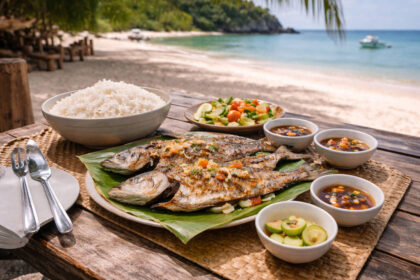
 Staying with local families has changed the way I see the country. In one homestay in Northern Luzon, my host mother insisted on teaching me how to cook pinakbet using vegetables she had picked from her garden that morning. She guided my hand as I stirred the pot, telling stories of her childhood and the rituals her family kept through the years. Moments like these are the quiet, tender heart of cultural immersion Philippines — learning by doing, listening, tasting, and sharing. Many communities even offer cultural experiences and tours that help visitors understand traditions more deeply.
Finding Home in Unexpected Places
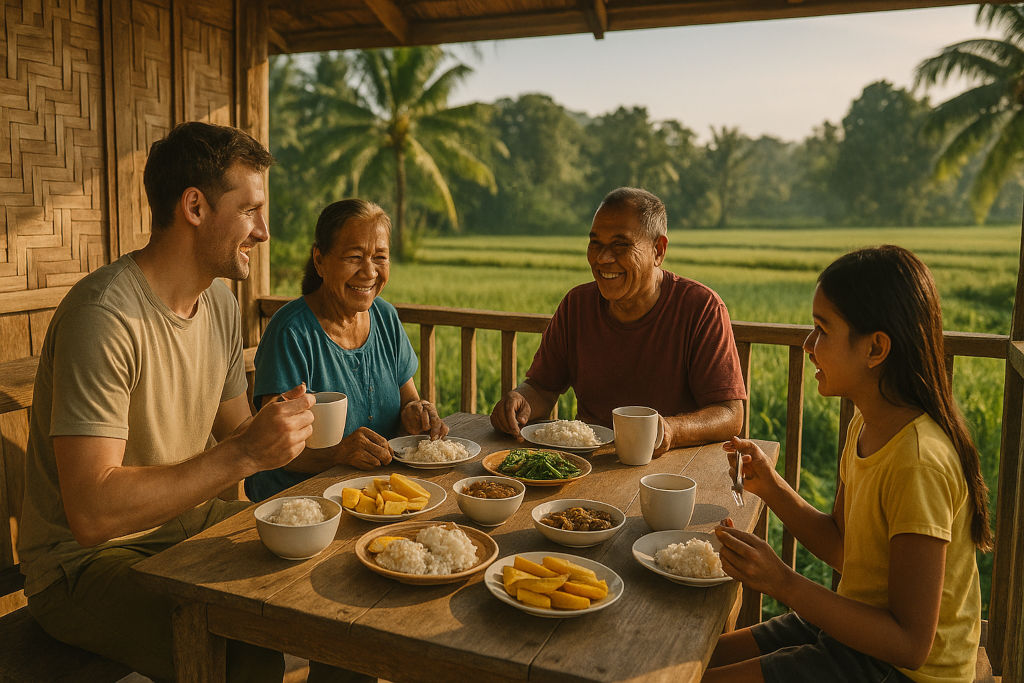
Another homestay in Bohol felt like stepping into a familiar dream. The family’s wooden house faced a rice field that shimmered with late-afternoon light, and each evening we would sit outside watching fireflies drift across the paddies. They taught me local expressions and shared stories that revealed what makes a place uniquely Filipino. It reminded me that cultural immersion Philippines often unfolds not through grand gestures but through simple, sincere hospitality.
 These quiet exchanges lingered with me long after I left — the way a grandmother folds woven mats, the way children race to the nearest sari-sari store for snacks, the way neighbors gather without planning. This is culture lived, not displayed.
Markets and Workshops: Where Skill, Story, and Tradition Meet
There is no livelier classroom for cultural immersion Philippines than a local market just after sunrise. Vendors arrange fresh produce like vibrant mosaics, each item carrying stories of farms, families, and early-morning labor. These moments echo the purpose of cultural immersion: connection guided by respect and curiosity.
Conversations and Craftwork That Stay With You
 In Cebu, a fruit vendor once urged me to taste a freshly sliced mango from his stall, explaining how his family wakes at 2 a.m. for the morning harvest. In Davao, a durian seller reassured me with playful confidence after a hesitant first bite. These exchanges make cultural immersion Philippines feel alive and grounded in human story.
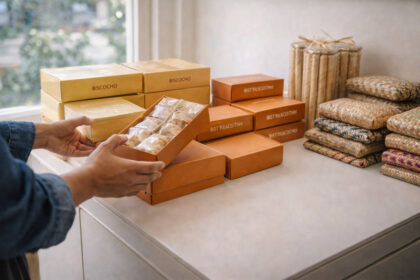
Workshops reveal another layer of tradition. In Iloilo, artisans taught me to weave using looms passed down through generations, their patient rhythm turning threads into meaning. In Pampanga, home cooks led a sizzling sisig class where every motion echoed family recipes. These hands-on moments show how deeply culture is shared through action. More insights into regional traditions can be found in guides like this Ilocos cultural travel guide.
 And in Quezon, a potter’s gentle instruction — “Pakiramdaman mo,” feel it — reminded me that craft is storytelling in physical form. It is in these creative spaces that cultural immersion Philippines becomes tactile, shaping not just objects but understanding.
Everyday Life: The Quiet Soul of Cultural Immersion Philippines
 Beyond major cities lie small towns where time slows and every encounter feels personal. In Antique, neighbors greet each other at dawn while fruit trees cast soft shadows across narrow streets. In Laguna, a baker shaping pan de sal before sunrise offered a warm window into community rituals. These scenes reveal why cultural immersion Philippines remains rooted in ordinary life — shared food, shared spaces, shared laughter.
Simple Encounters That Deepen Connection
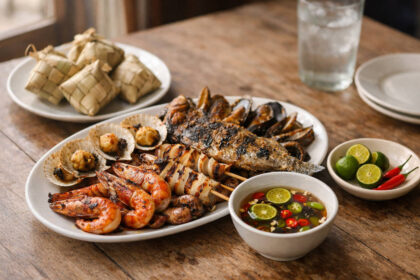
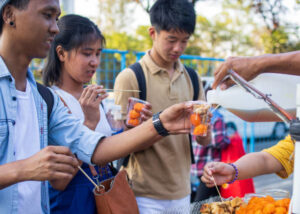 During a walk through a coastal Visayan town, students invited me to join their after-school merienda on chapel steps. Between banana fritters and festival stories, I learned more about local identity than any guidebook could teach. Such moments illustrate what cultural immersion aims to achieve: understanding built from authentic human connection.
Travelers often ask what examples of cultural immersion look like. They can be as simple as joining a family meal, learning a traditional craft, visiting heritage towns, or participating in local celebrations. This country offers countless cultural regions — including Tagalog, Ilocano, Visayan, Kapampangan, and Moro — each with its own stories and traditions. Places rich in history, such as Intramuros or Vigan, highlight where to go in the Philippines for culture and context.
Ultimately, the purpose of cultural immersion is to learn with humility. It is about stepping into someone’s world with openness, letting their rhythms teach you, and carrying those lessons long after you depart. Cultural immersion Philippines thrives when travel becomes not just movement but meaningful exchange.