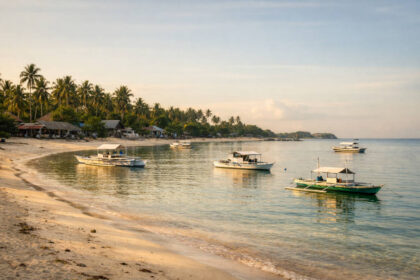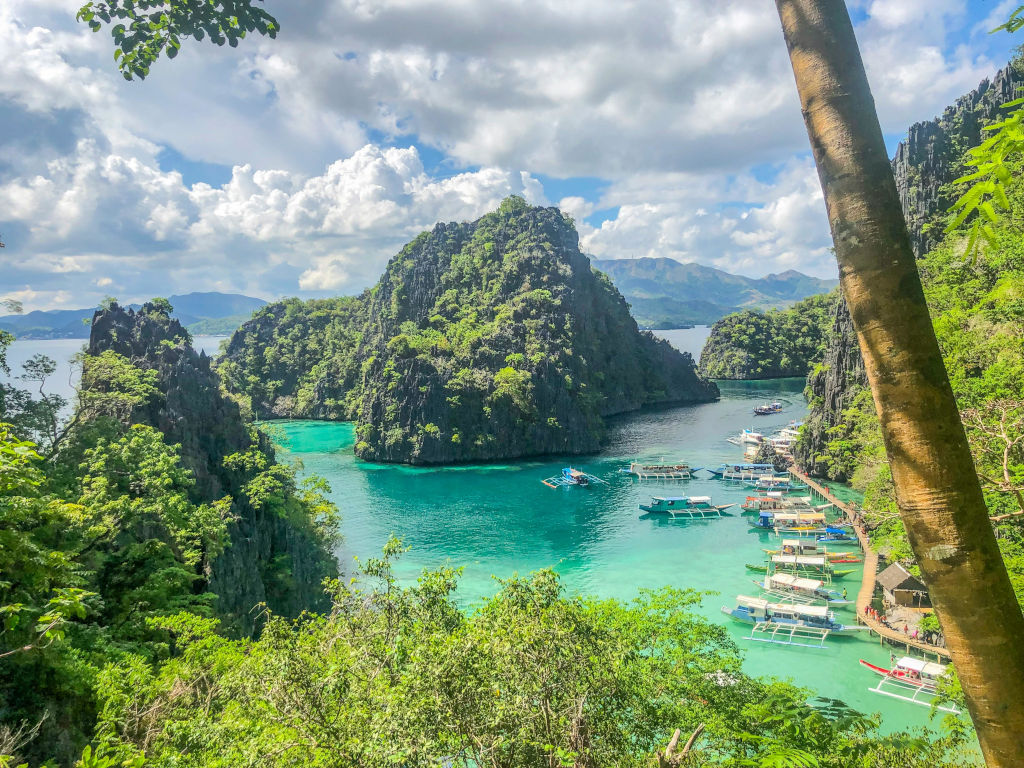
There’s something magnetic about Coron—the way limestone cliffs rise like ancient sentinels over glassy blue waters, and how morning light softens the lakes and coves as the island warms up for the day. This travel guide is a practical, planning-first way to experience the best of Palawan without turning your trip into a rushed checklist. Expect lagoons and viewpoint moments, yes—but also real-world tips that reduce friction: timing, transport, tour choices, and how to stay comfortable in heat and saltwater days.
Every traveler experiences Coron differently—some prioritize World War II wreck dives, others want calm lakes, snorkeling, and quiet beach time. This Coron travel guide is built for both: it keeps the “wow” stops, but adds the practical details that prevent stress (boat timing, crowd windows, fees, and pacing). The goal is simple: help you enjoy Coron at your own speed, with fewer surprises and fewer regrets.
Coron in one sentence (so you can plan properly)
Coron is best when you treat it like a rhythm: early water activities → midday rest → sunset viewpoint or town dinner. The island rewards people who plan around heat and boat schedules, not people who try to “do everything” in one day.
How to Get There: Your Essential Coron Travel Guide for Transport
Most visitors enter Coron via Busuanga Airport (Francisco B. Reyes Airport). From the airport, shared vans and hotel shuttles typically handle transfers to Coron town. Travel time is often around 30–45 minutes depending on stops and traffic.
Arrival timing that keeps your first day enjoyable
If possible, plan your arrival so you still have energy for a gentle “settling-in” evening:
- Best: arrive before late afternoon so you can check in, shower, and do an easy sunset view or dinner.
- Still workable: arrive evening, eat in town, then save tours for the next morning.
- Most tiring: late-night arrival + early tour next day (doable, but you will feel it).
If you’re coming from El Nido, the Montenegro fast craft is a scenic option—expect coastal views and salt-air energy. If you’re prone to motion sickness, sit mid-boat when possible and keep the day after arrival flexible.
Getting Around Town
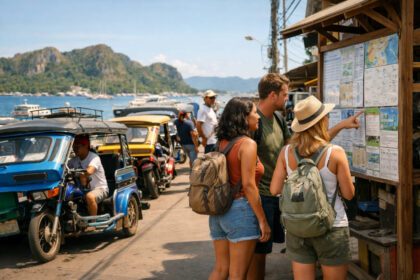
Coron town is compact and easy to move around. Tricycles are the default for short hops to restaurants, dive shops, and tour meet-up points. For more independence, some travelers rent a scooter to explore outskirts like Cabo Beach or Concepcion Falls, but comfort and safety come first: roads can be narrow, winding, and slick after rain.
Comfort rule: plan transport like a “heat management tool”
Even short distances feel longer when it’s humid. When your plan includes boat tours + swimming, it’s usually smarter to spend a little on tricycle rides and save your energy for the water.
Best Time to Visit Coron (and What “Best” Actually Means)
Coron is a year-round destination, but your experience changes a lot depending on sea conditions and weather mood.
- Dry season comfort: calmer seas, clearer snorkeling days, easier island-hopping schedules.
- Rainy season reality: still enjoyable, but boat trips may shift or cancel on short notice.
Time-of-day matters more than month
For most people, the biggest difference in Coron isn’t the date on the calendar—it’s when you start the day. Early tours usually mean calmer water, fewer crowds, and less heat stress.
Kayangan Lake: A Highlight of Any Coron Travel Guide
 Often called one of the cleanest lakes in the Philippines, Kayangan Lake is known for emerald water, limestone walls, and a short viewpoint climb that delivers Coron’s most iconic postcard scene. Most visitors remember two parts: the viewpoint photo and the cool, still swim after the walk.
What to expect (so it feels calm, not chaotic)
- The climb: short but warm in midday sun, especially if it’s humid.
- The crowd pattern: busiest mid-morning to early afternoon.
- The swim: refreshing and quiet once you’re away from the entry cluster.
Tips for a Peaceful Visit
Kayangan can get busy. For a lower-stress experience, join an early tour, hydrate before the climb, and keep essentials simple: reef-safe sunscreen, a dry bag, and water. Kayangan feels best when you treat it as a slow stop, not a fast “in-and-out” task.
Wreck Diving: A Coron Travel Guide to Underwater Time Travel
 Coron is famous among divers for its World War II shipwrecks scattered across the bay. The appeal is simple: the dives feel cinematic—rusted hulls, coral growth, and light filtering through broken structures. Even non-divers often love the “history + sea” atmosphere that Coron carries.
A good Coron travel guide approach is to choose dive operators that prioritize safety, briefing quality, and sustainable practices. For general background context, global references like Wikipedia’s scuba diving resources can help readers understand basic terms and equipment.
Best Wrecks for Different Skill Levels
- Beginner-friendly: Skeleton Wreck, Lusong Gunboat (gentler conditions, great visuals)
- More advanced: Irako, Kogyo Maru (deeper, moodier, more demanding)
Decision rule: if you only do one dive day
If your trip is short, it’s often better to do one high-quality dive day (with rest built in) than squeeze diving into a packed island-hopping schedule and end up exhausted.
Island-Hopping Bliss
 Island-hopping is where Coron becomes pure “water day” joy: snorkeling stops, bright coves, small beaches, and the feeling of your brain quieting down as soon as you’re offshore. For comfort, many travelers prefer smaller group tours or private boats so the day feels paced instead of rushed.
Where to Go
Banol Beach offers picnic-friendly corners, CYC Beach works well for relaxed swimming days, and Bulog Dos delivers wide views with water that can look unreal in good light. If you want a deeper dive into Palawan’s culture and landscapes, Bakasyon.ph’s guide to Palawan’s best experiences pairs naturally with this travel guide of Coron, Palawan.
Tour comfort tips that prevent “pagod mode”
- Bring your own snorkel mask if you’re picky about fit (or sensitive to shared gear).
- Pack dry clothes for the boat ride back (wind + wet skin can feel surprisingly cold).
- Don’t over-schedule dinner right after a full boat day. A simple meal wins.
What a Low-Stress Coron Itinerary Looks Like
This is the pacing that works for most first-timers who want both highlights and breathing room.
3D2N (tight but satisfying)
- Day 1: Arrival + town dinner + early night
- Day 2: Island-hopping day (early start) + easy dinner
- Day 3: Kayangan viewpoint stop (if not included already) + travel out
4D3N (more comfortable, better rest)
- Day 1: Arrival + town reset
- Day 2: Island-hopping
- Day 3: Wreck diving or a lighter land activity + sunset viewpoint
- Day 4: Slow morning + depart
Simple rule
Don’t stack a full island-hopping day and a full diving day back-to-back unless your group is high-energy and heat-proof. Coron is much more enjoyable when you build in one “soft day.”
Sustainable Travel: A Coron Travel Guide for Responsible Adventures
Coron is breathtaking—but fragile. Bring a reusable water bottle, choose reef-safe sunscreen, and support local businesses that care for the islands’ ecosystems. This Coron travel guide approach is practical: ask tour operators about reef care rules, avoid stepping on coral, and pack your own small trash bag for snack wrappers and plastic.
Small actions that matter on island trips
- Use reef-safe sunscreen or wear long-sleeve rashguards.
- Keep snacks in reusable containers to reduce single-use plastic.
- Respect quiet zones near communities and shoreline homes.
Where to Eat and Stay
Coron town has plenty of casual, satisfying options—sizzling seafood platters, kinilaw, grilled fish, and fresh mango shakes that hit perfectly after a saltwater day. Lodging ranges from practical inns to eco-lodges with quieter settings.
Where to stay (based on how you want your trip to feel)
- Near town center: easiest for tours, dinner, and tricycle rides (lowest friction)
- Quieter coastal roads: calmer mornings and sunsets, but more transport planning
Comfort checklist for picking a hotel
- Reliable aircon (hot boat days feel intense without it)
- Early breakfast option or takeaway plan (tour days start early)
- Drying space for swimwear (small detail, big comfort)

Final Notes: The Best Coron Trip Is the One That Breathes
Coron stays with people for a reason: the hush of limestone coves, the color of the water on a good day, and the feeling that the island makes you slow down without forcing it. If this Coron travel guide does one thing well, it’s this: it helps you choose a pace that keeps the trip satisfying, not exhausting. Plan early starts, protect midday rest, and leave space for the moments you can’t schedule—the ones you remember most.