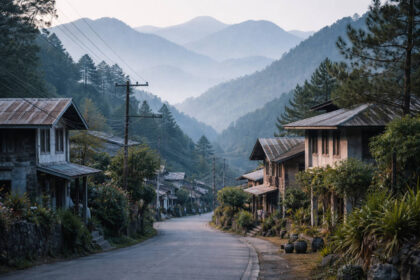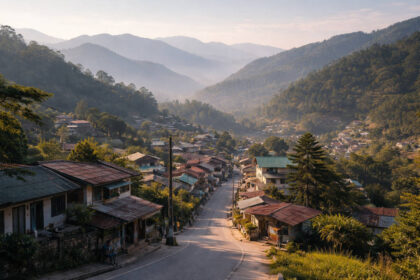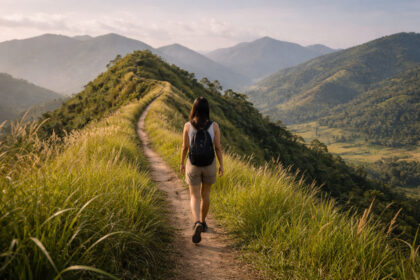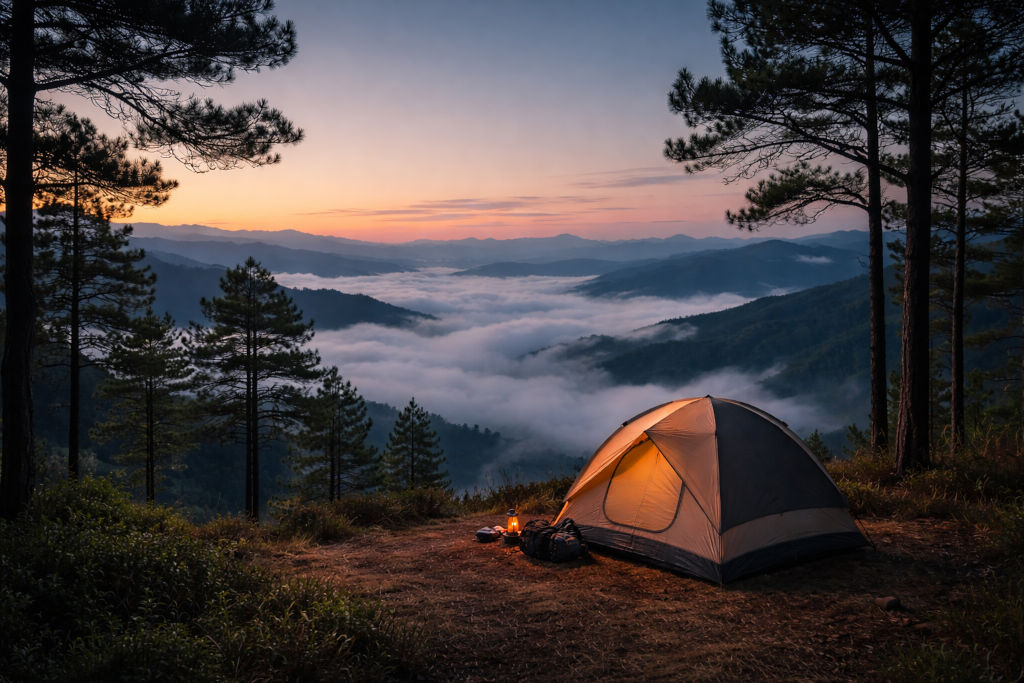
I wake before sunrise because the cold won’t let me sleep in. My breath comes out in small clouds inside the tent, and the air smells like pine needles and damp earth. Outside, the world is quiet in that highland way: no city hum, just wind moving through trees and the faint clink of cookware from a nearby camp. In the distance, terraces sit like gentle steps, half-hidden by fog. Then the light changes. A sea of clouds spills over the ridgeline, turning the mountains into layered silhouettes. This is Cordillera camping Philippines at its best: cool air that clears your head, views that make you whisper, and mornings that feel earned.
But let’s set expectations early. Weather changes fast up here: bigla ang hamog, bigla ang ulan. Rules vary by place, barangay, and community. Road conditions can be slow, winding, and landslide-prone in certain seasons. And in many areas, respect isn’t an optional “nice-to-have.” It’s part of the adventure. This guide helps you plan Cordillera camping Philippines around Baguio and Benguet, Sagada, and Bontoc terrace areas without romanticizing rule-breaking or overpromising “always allowed” spots. For more highland ideas and destination context, you can also browse Cordillera Region travel guides on Bakasyon.ph.
If your main goal is simply to chase crisp air without committing to a tent, you can also use cool-weather escapes Philippines for highland stays and easy itineraries that still deliver the same “reset” feeling.
Cordillera camping Philippines: What Cool-Air Camping Really Feels Like
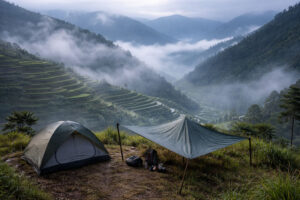 The Cordillera highlands don’t do predictable. One minute you’re admiring a clear ridge view, the next minute fog rolls in and swallows everything beyond ten meters. Nights can feel surprisingly cold, especially with windchill, so your comfort depends on shelter, layers, and a warm sleep system. Campsites can range from accessible, car-camping-friendly clearings near Baguio to community-managed viewpoint areas in Sagada, to terrace-side zones in Bontoc where permission and local norms matter. If you’ve only camped in warmer lowland sites, Cordillera camping Philippines feels like a different country in the same archipelago.
Think of Cordillera camping Philippines as three things at once: a nature trip, a logistics trip, and a culture trip. You’ll plan food and water, but you’ll also plan how to behave around farms, homes, and sacred spaces. Done well, it feels peaceful and grounding, not “wild and lawless.”
Best Seasons, Cold Nights, and When to Avoid the Trip
“What’s the best season for camping in the Cordillera?” Most campers aim for the drier months when roads are generally safer and tent life is easier. In practical terms, that often means late amihan season into early summer (roughly around November to May), with the coolest nights typically falling in the months that feel most “winter-like” in the Philippines (often December to February). For many travelers, the sweet spot for Cordillera camping Philippines is when mornings are crisp but rain is less persistent. But even in dry season, Cordillera weather can flip fast.
“When should you avoid it?” If forecasts show persistent heavy rain, strong winds, or multi-day storm systems, it’s not worth forcing. Rain plus steep mountain roads is where landslide risk becomes a real planning factor. If you’re doing terrace-view camping in Bontoc areas or traveling deeper into mountain roads, be extra conservative with your go/no-go decisions for Cordillera camping Philippines.
“How cold does it get at night in Benguet, Sagada, and Bontoc?” It varies by elevation, wind, and cloud cover. Expect genuinely chilly nights, often cold enough that you’ll want a proper sleeping bag and insulation pad, not just a blanket. Windy ridges can feel colder than the thermometer suggests. Plan for “colder than you think,” especially if you’re a first-timer doing Cordillera camping Philippines.
Weather Planning That Actually Works: How to Read the Highlands
Highland camping is won or lost in weather prep. Don’t rely on a single app screenshot. Check patterns and timing. A practical habit for Cordillera camping Philippines is to look at: (1) the regional forecast, (2) rain probability and timing, and (3) wind and fog likelihood for your specific travel days.
Use PAGASA for Northern Luzon (and what it means for campers)
Start with PAGASA’s Northern Luzon regional forecast here: https://www.pagasa.dost.gov.ph/regional-forecast/nlprsd. For Cordillera camping Philippines, interpret it with a camper’s lens:
Rain and fog: Light rain can be manageable with good gear, but persistent rain often means wet ground, slippery trails, and miserable packing. Fog reduces visibility and can make ridge camps feel exposed and disorienting.
Monsoon cues: If the pattern looks like a monsoon surge or continuous rain bands, treat it as a serious red flag, especially if you’re driving mountain roads or camping near slopes during Cordillera camping Philippines trips.
Landslide risk: This isn’t about fear. It’s about respect. After heavy rains, some roads become risky. If locals or guides advise against travel, listen. That’s part of planning smart Cordillera camping Philippines.
Go/No-Go signals and how to adjust when weather turns
Go (with caution): scattered showers, manageable wind, stable forecast trend, safe road reports, and a campsite that can handle wet conditions.
No-go: heavy rain warnings, strong winds on ridges, rapidly worsening forecast, reports of road closures or landslides, or your group lacking proper insulation and rain protection for Cordillera camping Philippines.
If weather turns mid-trip: choose the safer plan early. Move to a more sheltered campsite, switch from ridge to forest cover, shorten hikes, or call it and head down before roads worsen. The mountains will still be there next time. Your pride doesn’t need to camp in a storm during Cordillera camping Philippines.
Baguio and Nearby Benguet: Easy-Access Cool Camps and Car-Camping Comfort
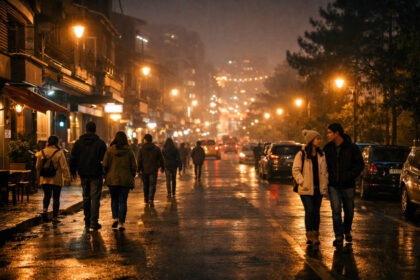
If you’re new to highland nights, Baguio and nearby Benguet are often the easiest “first camp” area. Commutes are simpler, supply runs are possible, and you can choose more established campgrounds or managed spaces rather than fully remote setups. For many beginners, this is the most forgiving entry point to Cordillera camping Philippines. For Baguio trip planning alongside camping, you can skim Baguio travel guides and build a weekend that includes both camp time and city comforts.
What camps are like here
Expect more “organized camping” options: flatter spaces, designated tent areas, sometimes basic facilities (toilets, sinks), and rules around quiet hours and campfires. Car-camping-friendly sites exist in Benguet areas, meaning you can bring heavier gear, coolers, and thicker sleep systems. That’s a big advantage when nights get cold on Cordillera camping Philippines weekends.
Best cool-air camping spot types around Baguio and Benguet
Instead of naming exact campsites (rates and access can change), think in types: pine-forest clearings, ridge-view camp areas that are still reachable by vehicle, and managed campgrounds that cater to weekend campers. If your goal is “sea of clouds,” look for higher, open viewpoints, but remember those also come with stronger windchill and less shelter. In Cordillera camping Philippines, views and exposure often come as a package deal.
Beginner reality check
Yes, beginners can do Cordillera camping Philippines. Starting near Baguio and Benguet is usually the gentlest entry. If you want a step-by-step fundamentals refresher before your first cold camp, read beginner camping tips for Philippine trips and then upgrade your sleep system for the highlands.
Sagada: Viewpoints, Community Norms, and Quieter Camping Culture
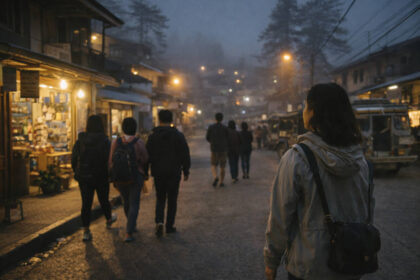
Sagada camping is often less about “party camp” and more about calm mornings, terrace-like views, and community norms. Many visitors come for the mountain atmosphere: cool air, foggy sunrises, and a pace that encourages early nights. If you’re doing a longer northbound route, this Sagada and Banaue mountain journey guide can help you think about the road rhythm and how to pace your stops. For travelers seeking a quieter flavor of Cordillera camping Philippines, Sagada often delivers.
What camps are like here
Expect stricter quiet hours in many areas and more emphasis on asking permission and following community guidelines. Some camps may be near viewpoints; others are closer to town but still cool and foggy at night. Facilities vary widely. Don’t assume hot showers or strong signal. Bring a headlamp and power management (offline maps, power bank) as standard for Cordillera camping Philippines.
Which Cordillera campsites have the best mountain or terrace views?
Sagada is known for dramatic morning scenes: fog layers, pine silhouettes, and viewpoint-style landscapes. View camps can be stunning, but they can also be exposed. If you prioritize views in Cordillera camping Philippines, commit to wind-ready gear and a warmer sleep system. If you prioritize comfort, choose a more sheltered area and treat viewpoints as sunrise visits rather than your sleeping spot.
Respect notes that matter in Sagada
Keep voices low at night. Be mindful with photography around people’s homes and daily life. If you plan to fly a drone, ask first. Some places may discourage it for privacy or cultural reasons. Sagada’s charm is partly its quiet. Protect that, and Cordillera camping Philippines stays welcoming for the next travelers too.
Bontoc and Terrace Areas: Maligcong, Mt. Kupapey, and the “Ask First” Rule
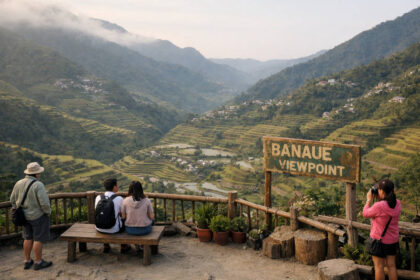
Bontoc and nearby terrace areas, often associated with Maligcong and the Mt. Kupapey region, can deliver the terrace-view anchor many campers dream of: ridges overlooking rice terraces, fog lifting like curtains, mornings that feel suspended between sky and stone walls. But this is also where rules can differ by barangay, and camping may be restricted in certain spots depending on community decisions, farming seasons, and site protection. This is a core truth of Cordillera camping Philippines: access is earned through respect.
What camps are like here
Expect community-managed access. You may need to register, pay local fees, or be guided. Camps can be basic, sometimes just designated areas with minimal facilities. Water and toilets may be limited. Weather exposure can be intense on ridgelines. The reward is the view, but the responsibility is higher too in Cordillera camping Philippines terrace zones.
Terrace etiquette (non-negotiable)
Rice terraces are not theme-park scenery. They are working landscapes: food, livelihood, and heritage. Stay on paths. Don’t step on stone walls or terrace edges. Don’t set up tents where it can damage plants or soil. If a barangay says “no camping here,” that’s the end of the discussion. Practicing this “ask first” rule is part of doing Cordillera camping Philippines properly.
Gear and Packing for Cordillera Nights: What’s Non-Negotiable
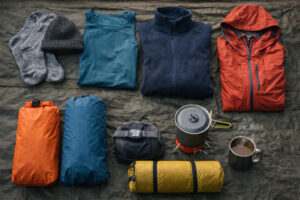 “What gear is non-negotiable for Cordillera nights?” In one line: layers + rain protection + warm sleep system + light + emergency basics. The cold is manageable when you’re prepared, but miserable when you’re not. The fastest way to enjoy Cordillera camping Philippines is to treat sleep warmth as your main “luxury.”
The Cordillera layering system (base, mid, shell)
Base layer: moisture-wicking top and bottom. Avoid cotton if you can. When cotton gets damp, it steals warmth. This is one of the most common beginner mistakes in Cordillera camping Philippines.
Mid layer: fleece or insulated jacket to trap warmth.
Shell: windproof/rainproof outer layer. Windchill is real on ridges, especially in Cordillera camping Philippines viewpoint areas.
Rain and fog protection
Bring a reliable rain jacket, pack cover or dry bags, and a small towel for wiping condensation. Fog can soak gear quietly, even without heavy rain. Condensation management is part of the reality of Cordillera camping Philippines.
Warm sleep system (this is where comfort lives)
A sleeping bag is important, but don’t forget the insulation pad. No ground insulation is a classic Cordillera mistake. Cold ground will drain your warmth fast. Pair a warm sleeping bag with a proper sleeping pad (foam or inflatable with insulation). If you sleep cold, add a liner, thicker socks, and a beanie for sleeping. If you want to remember one thing about Cordillera camping Philippines, remember this: warmth starts from the ground up.
Headlamp, stove cooking, hydration, emergency basics
Headlamp: hands-free light is essential for cold nights and early mornings.
Stove: a safer alternative to campfires, great for hot soup, coffee, or ginger tea. For Cordillera camping Philippines, hot drinks can feel like morale gear.
Hydration: cold air can hide dehydration. Bring enough water capacity and a plan to refill safely.
Emergency basics: whistle, first aid kit, personal meds, power bank, and offline directions. In remote areas, assume signal can disappear during Cordillera camping Philippines trips.
Local Guides and Community Respect: The Warm-but-Firm Rules
Do you need local guides? Sometimes, yes, and hiring them is not just about navigation. In terrace communities, restricted areas, and certain trails, local guides are your bridge to permission, safety, and respectful behavior. It’s also a way to support local livelihoods fairly. In many areas, doing Cordillera camping Philippines without local guidance can lead to misunderstandings that are completely avoidable.
When to hire guides (and how to ask permission)
Hire a guide when you’re entering terrace zones, following community-managed trails, camping near farms, or going anywhere with unclear rules. Ask at the proper community point (tourism desk, barangay contact, or designated registration). If someone says a route is closed or camping is not allowed, accept it. No bargaining, no “one night lang.” That’s respectful Cordillera camping Philippines.
Behavior around homes and farms
Keep noise low, especially after dark. Don’t treat fields as shortcuts. Avoid shining headlamps into homes. Ask before taking close-up photos of people. For drones, assume “not okay” until you receive a clear yes. These habits matter everywhere, but they matter even more in Cordillera camping Philippines where communities and campsites often sit close together.
IPRA context (without the legal lecture)
The Cordillera includes indigenous communities with ancestral domains and community rules that deserve respect. A helpful context reference is the Indigenous Peoples’ Rights Act (IPRA); you can view the legal text here: https://elibrary.judiciary.gov.ph/thebookshelf/showdocs/2/2562. As a camper, the takeaway is simple: ask, follow local guidelines, and don’t assume access is automatic just because a view is beautiful. That mindset is essential to Cordillera camping Philippines.
Responsible Camping Checklist: Leave No Trace, Cordillera Edition
Responsible Cordillera camping Philippines style means adapting Leave No Trace to a place with terraces, water sources, and tight community spaces.
Pack out what you pack in: bring your trash back down. Don’t leave “biodegradable” waste thinking it disappears. It attracts animals and changes the area.
Human waste: use provided toilets when available. If none exist, follow local guidance on where and how to manage waste. Never contaminate water sources. This is one of the quickest ways a Cordillera camping Philippines site gets restricted.
Protect water: wash dishes away from streams, use minimal soap, and keep runoff controlled.
Campfire rules: Don’t assume fires are allowed. Some sites prohibit them due to forest risk, limited wood, or community rules. A stove is the safer alternative, and it fits most Cordillera camping Philippines setups better anyway.
Terrace protection: don’t step on stone walls, don’t pitch tents on fragile edges, and don’t move rocks “for aesthetics.”
Respect signage: if there’s a boundary sign, treat it as real. Quiet hours exist for a reason.
If you want more trip ideas that align with responsible practices, you can explore Bakasyon.ph camping guides and build a habit of Cordillera camping Philippines that leaves places better than you found them.
Safety Risks in the Highlands and How to Plan Around Them
The most common safety risks for Cordillera camping Philippines are weather-driven, not wildlife-driven. Think: sudden rain, thick fog, cold exposure, slippery trails, and road hazards.
Cold exposure and windchill: manage with layers, dry clothing, and a warm sleep system. Don’t wait until you’re shivering hard. Change into dry layers early.
Wet ground and hypothermia risk: keep a dry set of clothes in a waterproof bag. Protect sleeping gear from moisture at all costs. This is basic survival comfort in Cordillera camping Philippines.
Fog and visibility: don’t push ridge hikes when visibility drops. Stay close to known paths and camp boundaries.
Road conditions: plan daylight travel when possible. Avoid rushing night drives on unfamiliar mountain roads, especially after rain. Road safety is part of planning Cordillera camping Philippines responsibly.
Group management: agree on a simple rule: no one wanders alone in fog or after dark. Keep a headcount culture, especially with beginners doing Cordillera camping Philippines for the first time.
FAQ: Cordillera Camping Questions Travelers Actually Ask
Where are the best cool-air camping spots around Baguio and Benguet? Look for accessible pine-forest camp areas and managed campgrounds in nearby Benguet where car-camping is possible. These are often the easiest for first-timers because supply runs and exits are simpler. For many people, this is the easiest first chapter of Cordillera camping Philippines.
Which areas have the best mountain or terrace views? Viewpoint-oriented areas in Sagada and terrace zones near Bontoc (Maligcong/Mt. Kupapey region) are known for dramatic morning scenes, if permitted and if weather cooperates. Views often mean exposure, so pack for wind. That “view versus shelter” tradeoff is classic Cordillera camping Philippines math.
Can beginners do Cordillera camping, and what’s the easiest first camp area? Yes. Start near Baguio and Benguet where access and facilities are more forgiving, then graduate to Sagada and terrace areas once you’re confident with cold nights and community norms. A beginner-friendly plan makes Cordillera camping Philippines feel empowering instead of punishing.
How do you check the weather properly, and what are red flags? Use PAGASA’s Northern Luzon forecast, watch for multi-day heavy rain patterns, strong winds on ridges, and worsening trends. Red flags include warnings, reports of landslides, and forecasts that show persistent rain during travel days. In Cordillera camping Philippines, “maybe okay” forecasts are often a signal to choose a safer site type.
Are campfires allowed? It depends on the site and community rules. Never assume. Bring a stove as your default safer alternative for warm drinks and meals. Stove-first habits fit Cordillera camping Philippines well.
Do you need local guides, and how do you do it respectfully? For terrace communities, restricted areas, and certain trails, yes. Ask permission through proper channels, follow rules, pay fairly, and keep your behavior quiet and considerate around homes and farms. This is one of the most important “unwritten rules” of Cordillera camping Philippines.
How do you manage water, toilets, and trash responsibly? Bring enough water capacity, use toilets when available, follow local guidance when not, and pack out all trash. Keep washing away from water sources and protect terraces and paths. Responsible habits keep Cordillera camping Philippines sustainable.
My favorite part of Cordillera camping Philippines isn’t the “wow” photo moment, though the sea of clouds helps. It’s the small routine: warming your hands around a mug, hearing pine needles move in the wind, watching fog lift from terraces like the day is slowly exhaling. Camp with preparation, camp with humility, and Cordillera camping Philippines will leave you with more than a view. You’ll leave with a kind of quiet that stays in your chest long after you’ve gone back down to the heat.