Planning a Clark to Sorsogon trip is mostly about choosing the kind of stress you can tolerate: airport buffers and baggage rules, or long bus hours and transfer navigation, or (for a small group of travelers) sea-travel uncertainty. This guide lays out three route options with realistic door-to-door time ranges, cost ranges, and “what to save on your phone” so the day stays manageable even when delays happen.
Reality check: there is rarely one perfect plan for Clark to Sorsogon. Weather, holiday crowding, traffic through Metro Manila, and airline or bus availability can quickly change what’s “best,” so the goal is a route with enough buffer to stay calm.
At-a-Glance
Best time window: aim for weekday daytime departures if possible; weekends, paydays, and holiday eves add queues and traffic to any Clark to Sorsogon plan.
Realistic travel time: the fly-then-land approach is typically 8–12 hours door-to-door, while the bus-only route is typically 14–20 hours door-to-door for Clark to Sorsogon depending on Metro Manila traffic and terminal waiting.
Budget band: expect roughly mid-range costs for flight plus land transfer and lower-to-mid costs for bus-only Clark to Sorsogon; prices swing with season, seat class, and how last-minute the booking is.
 Crowd and traffic risk: highest around PITX and Metro Manila approaches, and during long weekends; lowest stress usually comes from avoiding late afternoon Metro Manila crossings.
Rain and heat backup: during typhoon season or days with heavy rain forecasts, build extra buffer and consider shifting to next-morning departures; for a Clark to Sorsogon plan that includes sea travel, add a full-day buffer or skip the ferry option.
Quick decision guide (fastest, cheapest, lowest stress)
Fastest on a normal day: Option 1 (fly from CRK to a Bicol airport, then bus or van) is usually the quickest Clark to Sorsogon route when flight timing lines up and you land early enough for onward trips.
Cheapest and simplest to execute: Option 2 (land trip via Metro Manila then an overnight bus) is often the easiest Clark to Sorsogon plan to understand and book, because it uses common terminals and fewer “what if” points.
Lowest stress for many travelers: Option 1 is often least exhausting if the flight is at a reasonable time and baggage is straightforward. The day feels shorter even if the costs are higher for Clark to Sorsogon.
Only for specific travelers: Option 3 (ferry-based) is an advanced, conditional Clark to Sorsogon route that can make sense if it fits an itinerary that already includes a sea leg, or if land routes are fully booked, and the traveler is comfortable with “no sail” risk.
Reality check: for Clark to Sorsogon, “fastest” can flip if a flight cancels, if Metro Manila traffic is severe, or if a terminal transfer is missed. Choose the option with the best backup path for your travel day.
Before you book (choose your transfer hub, buffers, what day/time matters)
Start by picking your main transfer hub: for flight-based Clark to Sorsogon, the hub is Clark International Airport (CRK) plus a Bicol arrival airport; for bus-only Clark to Sorsogon, the hub is typically PITX, with Cubao or Alabang as alternates depending on the bus operator and your connection.
Set buffers first, then choose schedules. For CRK, assume early arrival and security time; for provincial buses, assume you arrive at the terminal early enough to find the gate or bay, confirm the bus, and handle last-minute changes. If you want a planning baseline, skim this Philippines travel planning guide for first trip before locking anything in.
Day and time matter more than many people expect. For Clark to Sorsogon, a late afternoon Metro Manila transfer often turns into a long, tiring wait because traffic squeezes your margin. A morning connection to PITX, or a flight that lands with plenty of daylight for onward trips, is usually calmer.
Reality check: for Clark to Sorsogon on peak dates (long weekends, Christmas season, Holy Week), seats sell out and queues get slower. If you can’t avoid peak dates, book earlier and add longer buffers between segments.
Option 1: Fly + onward land transfer (step-by-step)
This option works best for travelers who want to reduce total hours sitting, who have seniors or kids with them, or who prefer paying more to avoid an all-night ride. The key decision is the Bicol airport: Legazpi or Daraga (often treated as the main gateway for Albay) or Naga (when flights are operating on your travel date). Choose based on what is actually available and timed well for onward travel for Clark to Sorsogon.
Step 1: Get to CRK and plan airport buffers
Door-to-door time assumption for this segment: 30 minutes to 2 hours depending on where you’re coming from in Pampanga, Tarlac, or nearby. Add extra time if you’re coming from farther north or if you’re traveling during rain.
Plan to arrive at CRK early enough for check-in cutoffs and security. For domestic flights, many travelers use a “be there about two hours early” rule to keep Clark to Sorsogon low-stress, especially if checking bags or traveling in a group.
Reality check: the most common stress point is not the flight itself, but getting to the correct drop-off and then realizing check-in cutoffs are close. If using airport shuttles or buses, confirm where they stop and which terminal area they serve on your travel date via Clark Airport ground transport options.
Step 2: Fly CRK to a Bicol airport (Legazpi or Naga, depending on operations)
Typical door-to-door time range for the flight portion of Clark to Sorsogon (including early arrival, check-in, boarding, and disembark): 4 to 7 hours. If it’s a bad day (delays, long queues, runway flow, or a late re-accommodation): 7 to 12 hours.
Cost range: airfare moves a lot, so treat this as a planning band rather than a promise. A realistic one-way flight portion for Clark to Sorsogon can land anywhere from roughly budget promo levels to peak-season pricing, and total costs shift with day of week, how early you book, and whether you need checked baggage. Expect the final number to rise if you add bags, choose seats, or book close to departure.
Where to buy: book directly on airline websites or official apps when possible, or through reputable booking channels you already trust. For Clark to Sorsogon, prioritize bookings that clearly show baggage allowance and rebooking rules.
What to screenshot now (you’ll also see a fuller checklist later): save the booking reference, the e-ticket or itinerary PDF, baggage allowance rules, check-in cutoff time, and the terminal information for CRK and your Bicol arrival airport so Clark to Sorsogon stays easy to verify on the day.
Step 3: From the Bicol airport to Sorsogon by bus or van
From Legazpi or Daraga, onward trips to Sorsogon City are usually shorter than from Naga, but your best choice depends on timing. Typical door-to-door time for the Bicol ground portion of Clark to Sorsogon: 2 to 5 hours including waiting for the next departure and travel time. If it’s a bad day (late arrival, long wait, heavy rain, road slowdown): 5 to 8 hours.
Total door-to-door time for Option 1 Clark to Sorsogon: typically 8 to 12 hours. If it’s a bad day: 12 to 18 hours, especially if you land late and need to wait for the next safe onward trip.
Total cost range for Option 1 Clark to Sorsogon: expect a wide band because airfare dominates. A realistic planning range is “mid to high” compared with bus-only, plus extra for airport transfers and food. Costs climb during peak dates, with checked baggage, and with last-minute bookings; costs drop with seat sales and if you travel light.
Reality check: the main friction is timing. If the flight lands late afternoon or evening, the onward bus or van choices may thin out, and Clark to Sorsogon can turn into a long wait. If arriving late, consider a short, safe overnight near the terminal area and continue early the next day.
Option 2: Bus-only via Metro Manila (step-by-step)
This option is usually best for travelers who want the most predictable booking process, who are comfortable with long rides, or who want to keep costs controlled. The most common Clark to Sorsogon execution is Clark to Metro Manila, then PITX for an overnight bus south.
When you’re new to transfers, queues, and terminal etiquette, it helps to know the basics of how bus and ferry systems work in the Philippines. This guide is a good companion read: Philippines public transport guide (bus, jeepney, ferry).
Step 1: Clark to Metro Manila (aim to arrive with margin)
Typical door-to-door time for Clark to Metro Manila before the long bus: 3 to 6 hours including waiting, boarding, and traffic. If it’s a bad day (rain plus traffic, slow terminal flow, holiday volume): 6 to 10 hours. For Clark to Sorsogon, the goal is to arrive at PITX early enough to navigate without rushing.
Costs for this segment depend on whether you take point-to-point buses, a mix of buses and rail, or a private ride. For Clark to Sorsogon, the “low-stress” play is usually a route that drops you closest to your next terminal without multiple transfers, even if it costs a bit more.
Reality check: Metro Manila traffic is the biggest uncertainty in Option 2 Clark to Sorsogon. If you’re targeting a specific overnight departure, plan to arrive at PITX earlier than you think you need, especially on Fridays and Sundays.
Step 2: PITX to an overnight bus to Sorsogon
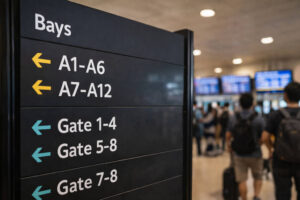 PITX is often the cleanest “main transfer reference point” because it consolidates provincial departures and has clearer wayfinding than many curbside terminals. For Clark to Sorsogon planning, use PITX as your default unless your chosen operator clearly departs from Cubao or Alabang and that is easier for your route.
Typical door-to-door time for the PITX portion of Clark to Sorsogon (arrive early, locate gate or bay, queue, boarding buffer): 1 to 2.5 hours. If it’s a bad day (heavy volume, long lines, last-call changes): 2.5 to 4 hours.
For PITX reference info and the idea of what’s available on your travel date, check the official passenger guide and transport information here: PITX transport info. Reality check: schedules and bays can change, so Clark to Sorsogon should be built around “confirm on the day” rather than assuming a screenshot of a timetable is permanent.
Step 3: Overnight bus travel to Sorsogon
In-vehicle time varies by route, road conditions, and the number of stops. For Clark to Sorsogon, a realistic overnight bus portion is often 10 to 14 hours. If it’s a bad day (accidents, roadwork, heavy rain, multiple long stops): 14 to 18 hours.
Total door-to-door time for Option 2 Clark to Sorsogon: typically 14 to 20 hours. If it’s a bad day: 20 to 28 hours, especially if Metro Manila traffic causes a missed departure and you need to wait for the next trip.
 Total cost range for Option 2 Clark to Sorsogon: usually low to mid compared with flying, but still variable by bus class (regular aircon, deluxe, sleeper), whether you book last-minute, and how much you spend on meals and quick transfers. Add a food buffer because overnight trips often include stopovers where prices are higher than usual.
Where to buy: buy tickets from official operator channels, reputable ticketing platforms, or terminal ticketing counters. What to screenshot now for Clark to Sorsogon: ticket confirmation, trip code or QR if any, seat number, gate or bay number, departure time, operator contact details, and a receipt screenshot in case you need help rebooking.
 Reality check: overnight buses can feel cold and bright, and rest stops can be crowded. The calm Clark to Sorsogon move is to treat comfort as a safety issue: bring layers, keep essentials within reach, and avoid rummaging in the cargo hold mid-trip.
Option 3: Ferry-based route (conditional; when it makes sense)
This is not the default plan for Clark to Sorsogon. It is only worth considering when it truly reduces stress for a specific traveler profile: people who already plan to stop in Masbate, travelers who can add a large buffer day, or travelers who strongly prefer breaking the trip into “land then sea then land” with an overnight rest in between.
A common ferry-based shape for Clark to Sorsogon is to travel by land to a major port, take a RoRo or ferry leg toward Masbate, and then connect onward toward Sorsogon via ports that serve Pilar or nearby. The exact ports and sailing times change by operator and season, so this option should be built from official advisories and current schedules, not memory.
Typical door-to-door time for a ferry-based Clark to Sorsogon route: 20 to 30 hours if connections line up and the sea is calm. If it’s a bad day: 30 to 48 hours or more, because “no sail” decisions, delayed boarding, and missed connections can cascade quickly.
Total cost range for ferry-based Clark to Sorsogon: usually mid-range once you include land transfers, terminal fees, food, and the very likely need for an overnight stay to protect connections. Costs rise fast when you add last-minute lodging or premium cabins.
Where to buy: use official operator booking channels when possible, or port ticketing counters when you’re already on the ground and can confirm the sailing is pushing through. For Clark to Sorsogon, save the e-ticket or booking reference, the departure port and terminal, the sailing time, and the advisory source you used to check sea conditions. Make sure the passenger name matches your ID, because mismatches are a common friction point.
Reality check: sea conditions can override plans even when the sky looks clear. If you cannot afford to lose a full day, skip this Clark to Sorsogon option during rough-season forecasts.
What to screenshot/save (checklist style in sentences, not bullets)
For any Clark to Sorsogon plan that includes a flight, save the booking reference and the e-ticket or itinerary PDF in offline-accessible form, plus a screenshot of baggage allowance rules and the check-in cutoff time so you can settle questions fast at the counter.
Also save the terminal information for CRK and your arrival airport, and keep a screenshot of your chosen airport-to-town transport plan (pickup location, estimated fare range, and who to contact) so Clark to Sorsogon doesn’t turn into guesswork after landing.
For any Clark to Sorsogon plan that uses buses, save the ticket confirmation, trip code or QR if the operator uses it, your seat number, gate or bay number, the published departure time, the operator contact number or help channel, and a screenshot of your payment receipt in case a reissue is needed.
If your Clark to Sorsogon plan includes a ferry, save the e-ticket or booking reference, the departure port and terminal name, the sailing time, and the advisory source you checked for weather or “no sail” notices; keep a screenshot showing passenger name details to match your ID at the gate.
Reality check: low battery is an underrated travel problem. For Clark to Sorsogon, keep these screenshots in a folder that is accessible offline and bring a power bank and cable that actually fits your phone.
Luggage rules + comfort tips for long rides
Luggage rules vary by airline, bus operator, and bus class, so the safest Clark to Sorsogon approach is to check the operator’s official terms before travel and pack with flexibility. Flights often separate cabin and checked baggage rules, while buses typically place large items in the cargo hold and keep small bags with you inside the cabin.
Common friction points for Clark to Sorsogon: strict weighing at airports, surprise fees for additional kilos, limited overhead space on buses, and fragile boxes that shift in the hold. If traveling with oversized items, fragile pasalubong, or wet gear, pack a protective layer and label your bag clearly, then ask the staff where it should go rather than forcing it into a tight space.
For overnight buses, keep a small daypack for valuables and essentials: ID, wallet, phone, power bank, a light jacket, meds, wet wipes, and a small water bottle. This keeps Clark to Sorsogon calmer because you won’t need to open the cargo hold during stopovers.
If traveling with pets, treat rules as operator-specific and route-specific for Clark to Sorsogon. Confirm whether pets are allowed, whether they must be crated, and whether they ride in-cabin or in a designated area, then plan for ventilation and temperature.
Reality check: buses can be cold, and rest stops can be hectic. A simple jacket and an eye mask can make a Clark to Sorsogon overnight ride feel much more manageable.
Transfer friction: Clark, PITX, late-night arrival in Sorsogon
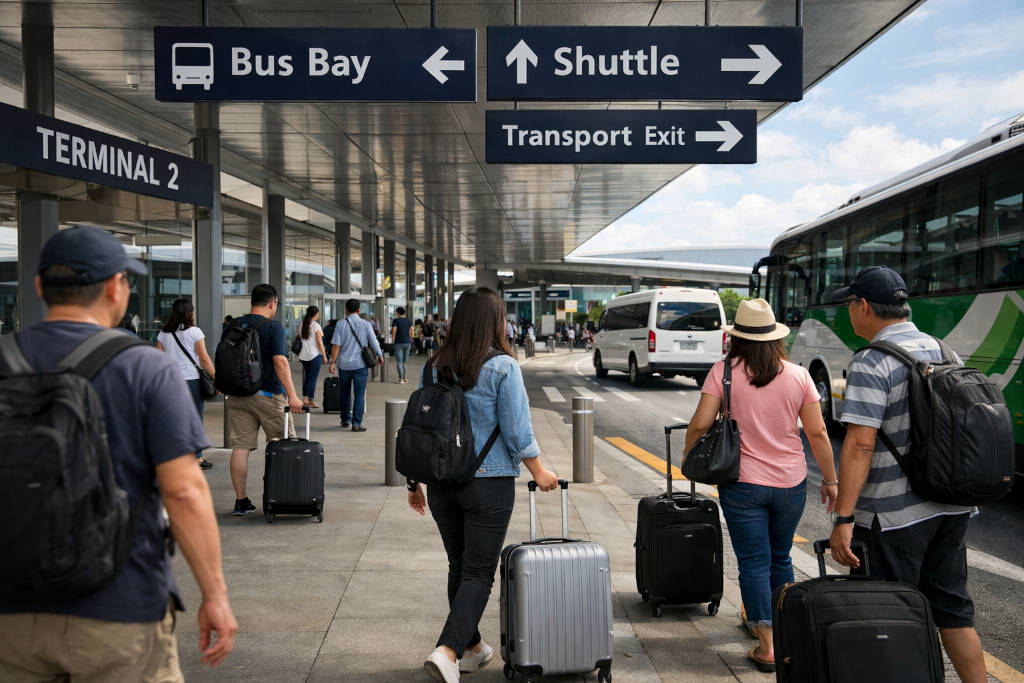
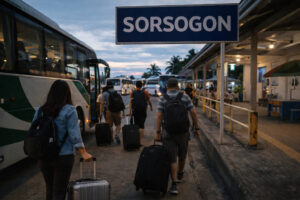 Clark Airport bus bay and “finding the right bus” friction usually comes from not knowing which bay serves which route, and from assuming all services run at all hours. For Clark to Sorsogon, confirm your ground transport plan before leaving home, and keep a screenshot of the official CRK shuttle and bus information via Clark Airport ground transport options so you can verify pick-up points on arrival.
PITX navigation basics: arrive early enough to read the wayfinding and locate your gate or bay without rushing, then confirm the operator name and destination on the signage or with staff. Expect lines for restrooms and food during peak hours; if your Clark to Sorsogon bus departs late at night, eat earlier and keep small bills handy for quick purchases.
Reality check: last-call behavior happens. Gates can close boarding earlier than expected, or the bus may load and leave when the last passengers are seated. For Clark to Sorsogon, treat the printed departure time as “be at the gate earlier,” not “arrive exactly then.”
Late-night arrival in Sorsogon: the safest plan is to know where you’re going before stepping out. If you have a hotel or host, pre-arrange pickup or at least confirm the best drop-off point and typical tricycle rules. Keep small cash, avoid wandering to look for ATMs, and stick to well-lit areas while organizing your ride so Clark to Sorsogon ends quietly, not chaotically.
For broader reminders on staying calm and safe during long transfers, keep this bookmarked: travel safety in the Philippines guide.
Backup plans and “if something goes wrong” playbook
If a flight cancels on a Clark to Sorsogon day, start by checking the airline’s rebooking options and the earliest next available flight that still allows same-day onward travel. If the rebooked flight lands too late, consider cutting losses: stay near the airport area for the night and continue the next morning, or switch to the bus-only Clark to Sorsogon route if you can reach Metro Manila with enough margin for an overnight departure.
If you miss the Bicol bus or van after landing, don’t panic and don’t rush into unsafe rides. For Clark to Sorsogon, the practical choices are to wait for the next scheduled trip, transfer to a larger terminal where more departures are available, or stay overnight near a safe hub and depart early. Keep receipts and booking references, because they help staff assist you faster.
If you miss a PITX departure for Clark to Sorsogon, ask the operator about revalidation, rebooking fees, and the next trip, then decide whether waiting is safe and comfortable. If you need to stay at PITX overnight, keep your valuables on your person, choose a well-lit waiting area, and avoid leaving bags unattended during restroom or food runs.
If weather affects sea travel for a ferry-based Clark to Sorsogon plan, assume “no sail” is possible even if you already reached the port. Build a full-day buffer if you insist on this option, or avoid it entirely during rough-season forecasts. When in doubt, choose land routes with more frequent departures rather than betting on a single sailing.
Reality check: the best backup is the one you decide before the day gets messy. For Clark to Sorsogon, write down two alternates in your notes app: an alternate flight timing or an alternate terminal and bus operator, plus a safe overnight area near CRK or PITX.
FAQ
Is there a direct Clark to Sorsogon bus?
Sometimes routes and special schedules appear, but they are not reliable enough to build a plan around unless you confirm availability on your travel date. Most travelers should assume a transfer in Metro Manila (often PITX) for Clark to Sorsogon.
Can Clark to Sorsogon be done in one day?
Yes, especially with Option 1 if flight timing works and you land with enough daylight for onward trips. Option 2 can also land the next day by morning with an overnight bus, but it’s still effectively a full travel cycle.
Which is better: fly to Legazpi or fly to Naga for Clark to Sorsogon?
When both are operating and timed well, Legazpi or Daraga often means a shorter onward land ride. Naga can still work if the flight timing is better, but build more buffer for the longer road segment in a Clark to Sorsogon plan.
What should travelers do if arriving in Sorsogon late at night?
For Clark to Sorsogon, prioritize a clear pickup plan: pre-book a hotel that can advise on arrival, arrange a pickup when possible, keep small bills, and avoid walking around unfamiliar streets looking for transport.
How much should travelers budget for food and small fees?
For Clark to Sorsogon, a realistic buffer is “enough for two meals, snacks, and water” plus a little extra for terminal prices. Add more buffer on peak dates or if traveling with kids or seniors.
Where can travelers find more planning reads after this? Browse more Tips and Inspiration on Bakasyon.ph for route guides, packing reminders, and low-stress travel planning ideas that match your Clark to Sorsogon style.