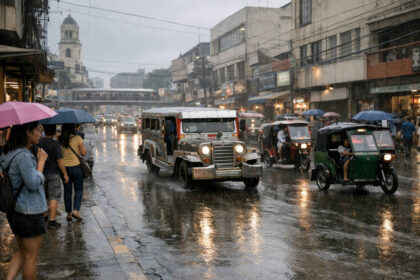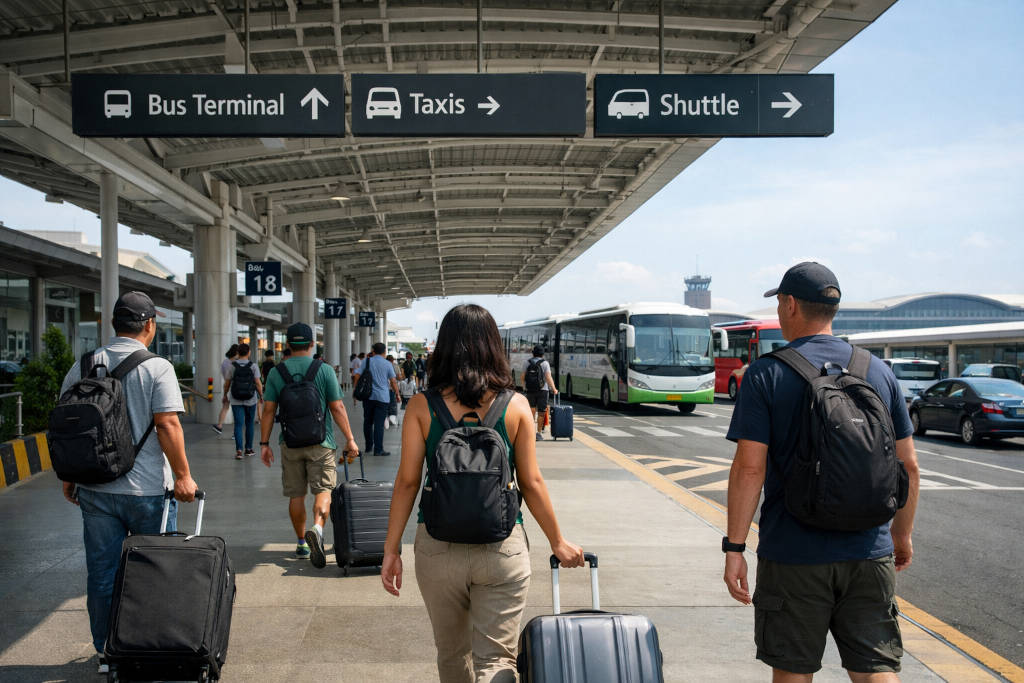
If you’re planning the trip from Clark to Baler, the biggest “make or break” detail is not the distance—it’s the timing. Baler is reachable by road, but the last stretch includes winding mountain roads where daylight travel usually feels calmer. This guide focuses on what’s actually practical in the Philippines: land transfers, realistic waiting time, and backup plans that don’t require rushing.
At-a-Glance: Plan-Changing Logistics
 Best time window: Dry months are generally easier for road travel, but any month can work with flexibility. During Habagat season and typhoon alerts in Aurora, build extra buffer and be ready to pause plans.
Realistic door-to-door time: Around 8 to 14 hours for bus-heavy routes once you include waiting, terminal walking, traffic, and transfer buffers. Private car can be faster, but still needs rest stops and daylight planning.
Budget band (transport only): Roughly ₱800 to ₱2,500+ depending on how many transfers you accept and whether you hire a car.
Crowd and traffic risk: Weekends, long holidays, and late-afternoon departures from Metro Manila increase delays and sell-outs.
Rain and heat backup: If weather advisories go up or roads look risky, choose an overnight reset in a terminal town (Clark/Angeles City, San Fernando, Cubao, or Cabanatuan City) and travel early the next day.
Reality Check: Schedules in the Philippines change. Treat published times as “targets,” then add buffers so you’re not forced into stressful night travel.
Clark to Baler in One Sentence: What Most Travelers Actually Do
Most travelers first get from Clark International Airport to a major bus terminal (often Cubao in Metro Manila, or sometimes a North Luzon terminal town like Dau, San Fernando, or Cabanatuan City), then take a long-haul bus toward Aurora and finish with a short tricycle ride in Baler.
Low-stress planning rule: If you can, aim to arrive in Baler before early evening so the winding roads are done in daylight and you still have energy to settle in. If your arrival will likely be late, an overnight reset is usually calmer than pushing through.
Your Realistic Options
This section is written with clear transfer logic—what you do first, second, and third—so you can pick a route that matches your landing time and comfort level.
Option 1: Clark to Metro Manila Then Direct Bus to Baler
Who this fits: You want the simplest “one long bus ride” for the Baler leg (fewer transfers after you reach the city), and you’re okay with Metro Manila traffic risk.
Transfer logic:
1) From Clark International Airport, go to the Clark International Airport bus terminal area and choose an airport-approved shuttle or bus route toward Metro Manila or a major terminal zone. Use the airport’s official reference page: Clark International Airport Shuttle And Bus Services.
2) Get to a convenient Metro Manila terminal area (commonly around Cubao). For a planning overview of routes and friction points, see Clark Airport To Manila Transfer Options.
3) Take a Cubao to Baler bus (if available on your travel day) or a route that reaches Aurora with a final connection to Baler.
Operator reality check: Some travelers look at Genesis as a reference for routes and terminals, but availability can change by season and demand. Verify current routes on the official site: Genesis Transport Routes And Terminals.
Reality Check: This option can be smooth when timed well, but it’s also the most sensitive to Metro Manila traffic and terminal crowds—especially on Fridays, Sundays, and long weekends.
Option 2: Clark to a North Luzon Terminal Town Then Transfer to Baler
Who this fits: You prefer staying north of Metro Manila (less city traffic stress), or you want a calmer overnight stop if you land later in the day.
Common terminal towns to plan around: Dau (Mabalacat), San Fernando in Pampanga, SM Pampanga area (for onward rides), and Cabanatuan City in Nueva Ecija for a more “inland transfer” approach.
Transfer logic (example patterns):
1) Clark International Airport → Dau or San Fernando (via local transport options approved in the area; plan extra time for waiting).
2) Dau/ San Fernando/ SM Pampanga → a terminal town with onward trips toward Aurora. People sometimes search “SM Pampanga to Baler,” but in practice, it often means SM Pampanga to an intermediate hub first.
3) If you route through Nueva Ecija, look for a Cabanatuan to Baler bus or a connection that gets you closer to Aurora before the final ride into Baler.
What about “Dau to Baler” direct? Some travelers ask for Dau to Baler as a single ride, but direct schedules are not consistently reliable across seasons. Treat it as a “nice if it exists” option—then plan a transfer-based route as your real backup.
Reality Check: This option can reduce Metro Manila stress, but it adds transfer uncertainty—so your buffers matter even more (especially if you’re carrying bulky luggage).
Option 3: Private Car or Hired Ride (Least Transfers, Higher Cost)
Who this fits: You’re traveling as a small group, you have a lot of luggage (surfboard bags, fragile gear), or you want the least terminal friction.
Transfer logic:
1) Clark pickup → 2) Expressway segments (where applicable) → 3) Inland highways toward Nueva Ecija → 4) Mountain-road approach into Aurora → 5) Baler drop-off at your accommodation.
What to plan for: tolls, fuel, driver rest, and daylight timing. Ask upfront about driver swap options, cancellation rules, and whether the quote already includes tolls and waiting time.
Reality Check: A private ride reduces transfers, but it doesn’t eliminate weather risk or road closures. It also shifts the “stress point” from terminals to road conditions and driver fatigue.
Are Flights or Ferries Relevant for Clark to Baler
Flights: For most travelers, flying is not a dependable primary plan for Baler because regular commercial schedules (if any) can be limited or inconsistent. If you see a flight option, treat it as a bonus—then keep a road plan ready.
Ferries: Ferries are not a practical way to reach Baler from Clark since Baler sits on the Pacific side with road-based access being the common approach.
Reality Check: If your goal is predictability, land routes with buffers are usually easier to control than rare flight options.
Door-to-Door Travel Time: Realistic Ranges
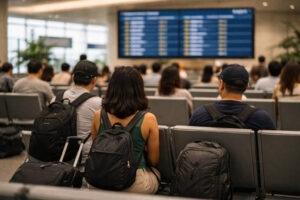 When people underestimate time, it’s usually because they count only “bus driving hours” and forget walking time inside terminals, queueing, traffic leaving cities, and the minutes that disappear during transfers. For more examples of how to buffer long rides, see How Bakasyon Plans Long Transfers From Clark.
Typical planning ranges:
• Bus-heavy route with transfers: 9 to 14 hours
• Fewer-transfer route (if you catch a clean connection): 8 to 12 hours
• Private car (with stops): 7 to 10 hours
Reality Check: Add at least 45 to 90 minutes of buffer for each major terminal transfer, especially on weekends and holiday rush dates.
If You Land in the Morning
Lowest stress pattern: Airport ground transport → midday long-haul segment → arrive before evening.
If your flight lands early, you have the most flexibility to pick a route that finishes the mountain-road portion in daylight. Build time to buy snacks, withdraw cash, and find the correct bay without rushing.
Mini-checklist: Confirm your next departure time, find the restroom early, and keep a small meal plan so you’re not searching for food during a tight transfer.
Reality Check: Morning arrivals can still get delayed if you wait too long at the airport. Decide early whether you’re going Metro Manila-first or terminal-town-first.
If You Land in the Afternoon
Least stressful option for afternoon landings: Choose a plan that does not force you into late-night mountain roads. Often that means either (a) travel to Metro Manila or a terminal town and sleep near the terminal, or (b) travel partway north and do the long ride the next morning.
Practical decision rule: If you can’t realistically be on your final long-haul bus by mid-to-late afternoon, consider stopping for the night. You’ll trade “one more check-in” for calmer daylight travel.
Reality Check: Afternoon traffic and terminal queues are real. Even a small delay at baggage claim can snowball into a missed connection.
If You Land Late
If your flight lands late, the calm choice is usually to sleep near Clark/Angeles City, San Fernando, or a Metro Manila terminal area—then leave early the next day. This avoids navigating terminals while tired and reduces the chance you’ll be deciding on mountain-road travel at night.
Overnight reset checklist: pick lodging within a short ride of the terminal, set a morning alarm with extra prep time, and message your accommodation in Baler about your updated arrival window.
Reality Check: “Pushing through” often sounds efficient, but fatigue plus unfamiliar roads plus rain can make the final hours feel longer than the entire morning.
Cost Guide: Transport Budget You Can Actually Plan Around
Costs vary by route, seat type, and season, so the goal is a planning range—not a perfect number. Bring extra small bills for terminal rides and last-mile tricycles.
Budget Range for Bus-Heavy Routes
Planning range: roughly ₱800 to ₱1,600 per person for a bus-heavy plan with transfers (airport ground transport + one or two bus legs + tricycle at the end).
Expect the range to shift on peak dates, and remember that “cheaper” can cost you time if it adds transfers.
Reality Check: If you land late and need an overnight stop, the “true cost” includes lodging and meals—so build a buffer fund.
Budget Range for Fewer-Transfer Routes
Planning range: roughly ₱1,200 to ₱2,500+ depending on whether you pay for a more direct long-haul seat option or use a hired ride for part of the route.
Group math: Private car or hired rides can make sense when split between 3 to 5 people, but always confirm what’s included (tolls, waiting time, and late changes).
Reality Check: Paying more can reduce transfers, but it doesn’t guarantee faster arrival if weather or road conditions slow traffic.
Hidden Costs: Terminal Rides, Meals, Last-Mile Tricycles, Extra Baggage
Plan small extras: short rides between terminals, snacks and water, charging fees in some areas, and the tricycle ride from the Baler stop to your hotel or to Sabang Beach.
If you’re carrying bulky items, some operators may charge extra or require different loading rules. Always ask before travel day.
Reality Check: The cheapest plan can become expensive if it causes a missed connection and forces a last-minute ride or overnight stay.
Tickets: Where to Buy and What to Screenshot
For long rides, buy tickets either at the terminal (in person) or through official operator channels when available. Avoid relying on forwarded screenshots from strangers—use confirmation messages tied to your name when possible.
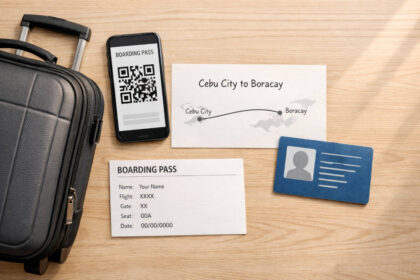
What to Save Offline Before You Leave Signal
Before you lose signal or battery, save these in your phone (screenshots plus a note in your offline notes app). For a broader checklist, see Philippines Travel Planning Guide For First Trips.
Screenshot or save:
• Booking confirmation (reference number, date, passenger name)
• The schedule you intend to take (and one later backup schedule)
• A map pin of the correct terminal entrance (not just the city name)
• Operator contact number or official page message thread
• Your accommodation name, address, and contact number in Baler
• A photo of your ID (only if you’re comfortable storing it on your device)
• Emergency contacts written in notes (in case your phone app logouts)
Reality Check: Terminals can be noisy and stressful. Having the right pin and booking reference ready prevents “panic scrolling” at the counter.
What to Double-Check on Travel Day
• Your departure bay or gate number (it can change)
• Whether your bus is point-to-point or makes multiple town stops
• Luggage rules for bulky items or wet gear
• Whether the operator requires an ID check at boarding
• Your last-mile plan in Baler (tricycle fare estimate, drop-off point)
Reality Check: If anything feels unclear, ask calmly at the counter early—five minutes of checking can save an hour of backtracking.
Luggage and Terminal Friction: What Slows People Down
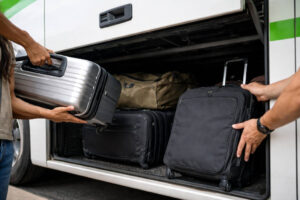 Bus travel in the Philippines is very doable, but luggage is where friction happens: overhead racks fill up fast, compartments have limited space, and wet items can cause stress for you and other passengers. For a deeper overview of local transport norms, see Philippines Public Transport Guide.
Bulky Items and Wet Gear
If you’re bringing a surfboard bag or bulky beach gear, message or call the operator before travel day to confirm what they allow and whether extra fees apply. Policies vary, and some routes have smaller compartments than you expect.
Practical packing tips for a long ride: use a cheap rain cover or large plastic bag for wet items, keep a small towel accessible, and pack a separate dry change of clothes in your carry-on.
Reality Check: Even when bulky items are allowed, the “how” matters. Arrive earlier so loading isn’t rushed.
Keeping Valuables Safe and Accessible
Keep your passport (if applicable), wallet, phone, power bank, medicines, and one layer (jacket or shawl) in a small bag that stays with you. Avoid putting valuables in the luggage compartment.
Reality Check: You may need to open your bag at checkpoints or terminals. A simple, organized pouch system saves time and keeps things from falling out.
Low-Stress Tips That Matter in the Philippines
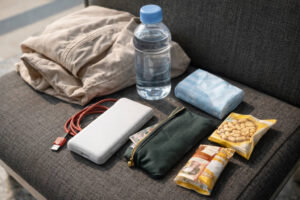 These are the small things that quietly make the day smoother: cash, charging, comfort, and timing.
Cash and Signal Reality at Terminals
Bring small bills (₱20/₱50/₱100) for short rides, snacks, and terminal purchases. Don’t assume stable data signal inside every terminal—save your screenshots and location pins before you move.
Reality Check: Even when there’s signal, online payment pages can time out. Having cash prevents last-minute stress.
Motion Sickness and Comfort on Long Roads
The road into Aurora can be winding. If you’re prone to motion sickness, keep basics in your pocket: medicine you trust (taken as directed), water, light snacks, and tissues. Dress in layers because buses can run cold even when it’s hot outside.
Carry-on essentials checklist: jacket, water, small cash, power bank and cable, wet wipes, simple snacks, and earphones.
Reality Check: “I’ll just buy it later” is harder on mountain routes with fewer convenient stops. Pack small comfort items early.
Timing Your Arrival to Avoid Risky Fatigue
If you can choose, aim to arrive with daylight left. It’s not only about safety—it’s about having the energy to find your accommodation, eat a proper meal, and sleep well.
If you’re deciding whether to travel the mountain roads at night, consider your fatigue level, the weather forecast, and how confident you feel with your driver or bus conditions. For general safety planning, review Travel Safety In The Philippines Guide.
Reality Check: Night travel can be done, but it’s rarely the calmest choice—especially when rain or fog is possible and roadside services are limited.
Backup Plans for Delays or Cancellations
Backup plans are not pessimistic—they’re how you keep the trip calm when schedules change. Here are options that don’t require sprinting between bays.
If Your Trip Is Sold Out
Calm fallback: Take the next available departure the following morning and do an overnight reset near the terminal (Clark/Angeles City, San Fernando, Cubao, or Cabanatuan City depending on where you are). This protects you from stressful “maybe” transfers late in the day.
Another fallback: Switch to a transfer-based route (terminal town first, then onward) instead of insisting on a single direct ride. You may arrive later, but with more predictable steps.
Reality Check: On peak dates, the sold-out problem is often “seats,” not “routes.” Having a flexible departure time is more useful than searching for a perfect direct bus.
If Weather Turns Bad
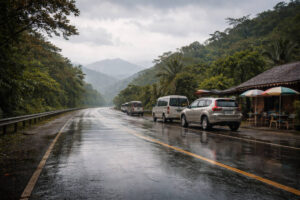 If Habagat rains or typhoon warnings affect Aurora, prioritize safety over momentum. Pause in a terminal town and reassess in the morning. If you want a season-by-season planning framework, see Philippines Weather Travel Guide.
Calm fallback: Rebook to a daylight departure, message your accommodation with an updated ETA, and keep receipts and confirmations saved.
Reality Check: Road issues can lead to long, unpredictable delays. The “smart move” is the one that keeps you rested and not stranded mid-route at night.
If You Miss a Connection
If you miss a bus in an intermediate terminal, avoid chasing the next ride blindly. First, confirm what the next realistic departure is (and whether seats are available). Then decide between two calm choices:
• Wait and reset: Eat, charge devices, and take the next confirmed trip.
• Overnight nearby: Sleep close to the terminal and depart early, especially if the next option would put you on mountain roads late.
Reality Check: Missing a connection feels stressful, but rushing often creates a second mistake (wrong bay, wrong bus, lost items). Slow down, confirm, then move.
Quick FAQs for First-Timers
Is there a direct route from Clark International Airport to Baler or do you need transfers?
Direct airport-to-Baler routes are not something you should rely on. Plan for at least one major transfer, usually to Metro Manila (often Cubao) or a North Luzon terminal town.
What is the least stressful option if you are landing at Clark in the afternoon?
If an afternoon landing makes it likely you’ll reach the winding roads late, do an overnight reset near a terminal and leave early the next day. It’s calmer than forcing a late arrival.
How long is Clark to Baler door to door once you include waiting and city transfers?
A realistic planning range is about 8 to 14 hours depending on traffic, wait time, and how clean your connections are. Add extra buffer on weekends and during heavy rains.
What is the most realistic budget for transport from Clark to Baler?
Plan roughly ₱800 to ₱1,600 per person for bus-heavy routes, and ₱1,200 to ₱2,500+ for fewer-transfer plans or partial hired rides. Bring extra cash for last-mile tricycles and food.
Where should you buy tickets and what exactly should you screenshot or save offline?
Buy at terminals or official operator channels when available. Save: booking confirmation, schedule, terminal location pin, operator contact, hotel address, ID photo if needed, and emergency contacts.
What luggage rules usually cause friction at terminals and on buses?
Bulky items, wet luggage, and fragile gear cause the most friction. Overhead space is limited, compartments fill quickly, and policies vary. Verify with the operator before travel day and keep valuables on you.
What is the backup plan if your bus is sold out, delayed, or cancelled?
Choose a calm reset: overnight near the terminal and depart early, or shift to a transfer-based route through a terminal town where you can wait safely without rushing.
Is it safe to travel the mountain roads to Baler at night?
Night travel is possible, but it’s usually less calm: visibility can drop, services are limited, and fatigue adds risk. If rain, fog, or typhoon alerts are present, prioritize daylight travel.
What time should you aim to arrive in Baler to keep the trip low-stress?
Aim for arrival before early evening so you can check in, eat, and rest without pressure. If your plan pushes arrival late, consider an overnight reset earlier in the route.
What should you do differently during Habagat season or typhoon warnings in Aurora?
Build extra buffer days, avoid tight connections, and be ready to pause travel in a terminal town. Save confirmations offline and message your accommodation early if you’re adjusting dates.
Can you realistically fly to Baler instead of taking the road?
For most travelers, flying is not a dependable primary plan because regular commercial availability can be limited or inconsistent. Treat flights as a “maybe,” and keep a road plan ready.
What should solo travelers do to keep the trip simple and safe?
Travel in daylight when possible, keep valuables in a small bag on you, share your itinerary with a trusted contact, and save terminal pins and contacts offline so you’re not stuck searching under pressure.
If you want more calm, planning-first reads like this, browse the next guides in Tips And Inspiration. Wherever you start your journey, a little buffer time—and a clear “if-then” backup plan—goes a long way toward arriving in Baler feeling steady.