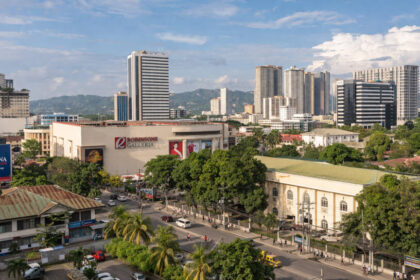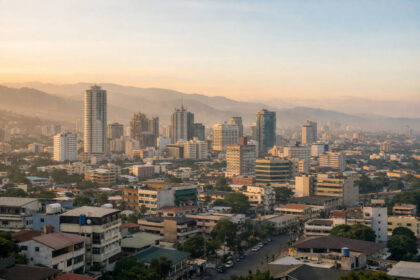
If you’re planning Cebu City to Baguio, the “best” route is usually the one with the fewest transfer surprises. This guide breaks down the main options (flight via Clark, flight via Manila, ferry via Metro Manila), with realistic door-to-door timing, cost buckets, where friction usually happens, and what to screenshot so travel day feels calmer. For more planning reads in the same practical style, you can browse Tips And Inspiration.
At-a-Glance
Best time window: For cooler weather in Baguio City, many travelers aim for late November to February, but weekends and holidays can be crowded and pricier.
Realistic door-to-door time: 8–12 hours (via Clark) is often the most predictable; 9–14 hours (via Ninoy Aquino International Airport) can be fast or stressful; 28–45 hours (via ferry) is the slow lane.
Budget band: Flights plus bus are usually mid to higher; ferry plus bus can be lower to mid if you’re flexible and book early.
Crowd and traffic risk: Highest around Ninoy Aquino International Airport and weekend bus departures; moderate in Clark; variable at ports.
Rain and heat backup: Build an overnight buffer if your arrival is late, and keep a “missed last bus” plan ready.
Reality Check: Even the smoothest Cebu City to Baguio plan can slow down due to queues, traffic, and waiting for the next departure. Your goal is to reduce the number of tight connections.
Quick Answer: The Lowest-Stress Route For Most Travelers From Cebu City To Baguio
For most travelers who want fewer moving parts, the lowest-stress route is usually Cebu City to Baguio via a flight to Clark International Airport and then a bus to Baguio City. Clark is generally easier to navigate than Metro Manila, and you avoid the heaviest airport-area traffic.
Decision Guide (Budget, Time, Transfers)
Choose Clark + bus if you want fewer traffic variables and simpler airport flow, even if you might wait a bit for the next bus.
Choose Ninoy Aquino International Airport + bus if your flight options are cheaper or better timed, and you can tolerate city traffic and terminal friction.
Choose ferry + bus if you prefer a slower, more flexible pace and don’t mind giving up time to save money or reduce flight dependence.
Reality Check: The “lowest-stress” option changes if your flight lands late afternoon or evening. Missing the last comfortable bus window is a common stress trigger on Cebu City to Baguio travel days.
Know Before You Choose: What “Door-to-Door Time” Really Includes
When people compare routes from Cebu City to Baguio, they often compare only the flight time (or sailing time). Door-to-door is the full chain: getting to the terminal, buffers, queues, waiting for the next ride, and the last mile in Baguio City. If you’re planning your first multi-leg trip, this is a helpful companion: Philippines Travel Planning Guide For First Trip.
Airport Buffer Time (Check-In, Security, Boarding)
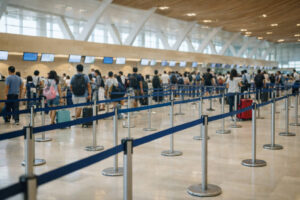 For domestic flights out of Mactan-Cebu International Airport, many travelers build 2–3 hours before departure as a practical buffer, especially during peak seasons, early mornings, or long weekends. Add more if you’re checking baggage or traveling with a family group.
Reality Check: The line that eats time isn’t always security. It can be bag drop, gate changes, or a late boarding call that compresses your transfer window later.
Transfer Time (Terminal Changes, Waiting For The Next Bus)
Transfers are where Cebu City to Baguio plans can feel unpredictable. Even if the bus ride is “only” a few hours, you may wait 30–120 minutes for the next departure depending on arrival time, queueing, and whether you need to move between terminals.
Reality Check: If your schedule requires a perfect connection, assume it won’t be perfect. Build slack so you don’t spend the day rushing.
Arrival-to-Hotel Time In Baguio City
Once you arrive in Baguio City, add time for disembarking, finding a taxi or ride-hailing pickup point, and moving through traffic near Session Road, Burnham Park, or market areas. If you’re arriving on a weekend, it can take longer than you expect to cover a short distance.
If you want ideas for an easy first afternoon after a long travel day, save this for later: Baguio Travel Guide: Art Cafes And Markets.
Reality Check: Baguio’s cool air feels like a reward, but the last mile can be slow during check-in hours and peak tourist weekends.
Option A: Flight To Clark International Airport, Then Bus To Baguio City
Who This Is Best For
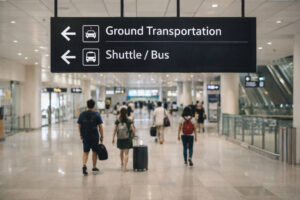 This is often the calmest choice for Cebu City to Baguio if you want a simpler arrival environment, fewer traffic variables than Metro Manila, and a straightforward “airport to bus to Baguio City” rhythm.
Realistic Door-to-Door Time Range (With Waiting Included)
A practical door-to-door estimate is often around 8–12 hours, depending on how long you wait for the next bus and how quickly you clear arrival flow and baggage. The bus leg from Clark area to Baguio City can be faster on light-traffic periods and slower on peak weekends.
Reality Check: The most common delay here is not the bus ride itself, but the “in-between time” (waiting, regrouping, finding the right bay, and syncing with departure times).
Cost Buckets (Low, Mid, Higher)
Low: Promo flight plus standard bus fare, typically possible when you book early and travel off-peak.
Mid: Regular airfare plus bus fare, plus small add-ons (snacks, baggage fees if applicable, local rides).
Higher: Peak-season airfare, checked baggage fees, and a contingency buffer (like an overnight stay if you land late).
Reality Check: For Cebu City to Baguio, the price swing usually comes from airfare timing and baggage add-ons, not the bus.
Where The Friction Happens (Arrival Flow, Finding The Bus Area, Baggage)
Expect friction at three points: (1) clearing the arrival stream and orienting yourself, (2) walking to the correct transport area, and (3) waiting for the next departure. If you checked baggage, add pickup time and keep essentials in your carry-on.
For an official reference on Clark ground transport connectivity, see https://clarkinternationalairport.com/shuttle-and-bus-services/ and verify the current instructions close to travel day.
Reality Check: Signage can be clear and still feel confusing when you’re tired. Plan to move slowly and double-check bay labels before lining up.
What To Screenshot/Save For This Route
Save your flight e-ticket and booking reference, then also save a map pin screenshot for your bus pickup area and your destination drop-off in Baguio City. If you’re new to buses in the Philippines, this plain-language guide can help you recognize what to look for at terminals: Philippines Public Transport Guide: Bus, Jeepney, Ferry.
Option B: Flight To Ninoy Aquino International Airport, Then Bus To Baguio City
Who This Is Best For
This route can work well for Cebu City to Baguio if your best flight deals or arrival times are in Manila, or if you’re pairing Baguio with other Metro Manila errands. It’s also useful when Clark flights are limited.
Realistic Door-to-Door Time Range (With Waiting Included)
A realistic door-to-door estimate is often 9–14 hours. On a good day with aligned timings, it can feel smooth. On a heavy-traffic day, the same plan can stretch because road transfers in Metro Manila are the wild card.
Reality Check: Your main risk is not the flight. It’s the time lost between Ninoy Aquino International Airport and your bus terminal, especially if you need to switch terminals or cross the city.
The Main Stress Points At Ninoy Aquino International Airport (Traffic, Terminal Transfers, Queues)
Common friction points include: pickup congestion at arrival bays, queues for airport transport, and the extra time needed if your bus terminal is not close to your arrival terminal. If you have to change terminals, treat it like a separate trip with its own buffer.
Reality Check: Even when distances look short on a map, Metro Manila travel time can balloon during rush hour or weather disruptions.
Bus Terminals Overview In Plain Language (Don’t Overpromise Exact Schedules)
Most travelers heading to Baguio City look for departures from big hubs like Cubao or PITX. Operators commonly associated with Baguio routes include JoyBus and Genesis Transport. Treat published schedules as a starting point: verify close to travel day, and don’t build a plan that depends on the very last trip.
Reality Check: Terminal time includes lining up, tagging baggage, and waiting for boarding to start. Arrive earlier than you think you need to, especially on weekends.
What To Screenshot/Save For This Route
In addition to your flight details, save a screenshot of (1) your target terminal address (Cubao or PITX), (2) a map route from Ninoy Aquino International Airport to that terminal, and (3) your bus ticket confirmation if you pre-book. Keep a note of your bus operator’s customer support page for rebooking rules.
Option C: Ferry To Metro Manila, Then Bus To Baguio City
Who This Is Best For (Budget, Comfort Preference, Flexible Time)
This route is for Cebu City to Baguio travelers who have flexible time, prefer a slower pace, or want an alternative when flights are expensive or disrupted. It can also suit travelers who sleep well on overnight sailings and don’t mind longer travel days.
Realistic Door-to-Door Time Range (With Waiting Included)
Door-to-door can realistically land around 28–45 hours, depending on sailing duration, boarding and disembarkation flow, the time you reach the bus terminal, and whether you choose to rest overnight in Metro Manila before continuing to Baguio City.
Reality Check: Ferry travel feels “set and forget,” but port processes and timing shifts can move your whole chain. Plan it like a multi-step day, not a single ride.
Port And Boarding Friction To Plan For (Lines, IDs, Baggage Handling, Terminal Fees If Any)
Expect lines for verification, possible baggage handling steps, and time spent locating your designated area on board. Bring valid ID, keep valuables in a daypack, and keep your booking details easy to open offline. For advisories and booking management, use https://travel.2go.com.ph/ and re-check close to your departure date.
Reality Check: If the sea is rough or arrivals shift, you may reach Metro Manila later than expected and miss your preferred bus departure window.
What To Screenshot/Save For This Route
Save your ferry e-ticket, QR code (if provided), cabin or accommodation details, and a screenshot of the port address and entry point. Also save your plan for getting from the port to the bus terminal you’ll use toward Baguio City.
Option D: Overland RORO Road Trip Style (Only If You Truly Want A Long Multi-Day Journey)
It is technically possible to approach Cebu City to Baguio with a multi-leg overland plan using a mix of RORO crossings and long road segments, but it is rarely “low-stress.” This is best reserved for travelers who specifically want a multi-day road trip experience, have strong tolerance for delays, and are comfortable adapting routes on the fly.
Reality Check: The friction here compounds: multiple terminals, multiple waiting windows, and more chances for weather or capacity issues to ripple through your schedule.
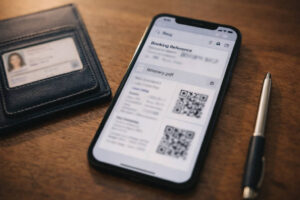
Ticket Buying And What To Screenshot Or Save (Copy-Paste Friendly Checklist)
Use this checklist for any Cebu City to Baguio route (flight, ferry, bus). Keep these in one offline folder on your phone and, if possible, one backup in your email.
☐ Booking reference and passenger names exactly as on ID
☐ E-ticket or itinerary PDF and QR codes
☐ Baggage allowance rules for your ticket type
☐ Terminal and gate or pier details plus a map pin screenshot
☐ Customer support or rebooking page screenshot
☐ Proof of payment screenshot
☐ Hotel address and offline map screenshot in Baguio City
☐ Emergency contact note and a screenshot of your next step (bus terminal address or pickup area)
Reality Check: The best screenshots are the boring ones: rules, references, and directions. They save you when signal is weak or you’re too tired to search.
Luggage Rules And Common “Friction” Moments (How To Avoid Surprises)
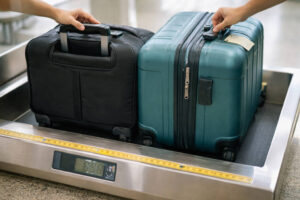 Luggage is a frequent stress point on Cebu City to Baguio days because each leg (plane, ferry, bus) treats bags differently. Plan for weighing, labeling, and keeping valuables close. For safety reminders that apply across transport types, read Travel Safety Philippines Guide.
Flights: Cabin Vs Checked Baggage, Weighing, Power Banks Rules Reminder
Expect cabin baggage to be weighed more often during busy periods. If you’re near the limit, move dense items (chargers, small gadgets) into a personal item if allowed by your ticket type. Keep power banks in your carry-on, and avoid packing loose batteries in checked baggage.
Reality Check: Airline baggage rules can vary by fare type and can change. Re-check your allowance in your booking details before you leave for the airport.
Ferries: Cabin Class Expectations, Large Bags, Labeling
For ferry trips, label your bags and keep essentials (meds, chargers, a light jacket) with you. If you booked a cabin class, pack so you can access what you need without repeatedly opening large luggage in tight spaces.
Reality Check: Port and boarding areas can be crowded. A simple luggage tag and a small daypack for valuables reduce mental load.
Buses: Under-Bus Baggage, Fragile Items, Keeping Valuables With You
Most long-distance buses store large luggage under the bus. Keep valuables, gadgets, documents, and a warm layer in a small bag you carry onboard. If you have fragile items (like pastries or souvenirs), keep them with you and avoid crushing them under heavier bags.
Reality Check: The bus ride to Baguio City can feel cold inside due to air-conditioning, even when it’s warm outside. Pack one easy layer in your daypack.
Backup Plans For Delays And Cancellations (Make This Concrete And Reassuring)
The calm way to plan Cebu City to Baguio is to assume one piece might slip, then decide in advance what you’ll do. Weather can also reshape timing, especially during rainy months, so it helps to understand seasonal patterns here: Philippines Weather Travel Guide: Best Months.
If Your Flight Is Delayed And You Might Miss The Last Bus
Step one: stop trying to “make” a tight connection. Check the realistic arrival time, then decide whether you’ll (1) take the next available departure, (2) switch terminals for a later option, or (3) overnight near Clark or in Metro Manila and continue early the next day. If traveling in a group, keep everyone aligned on one decision to avoid split plans.
Reality Check: The most stressful scenario is landing late with no plan. A pre-decided overnight backup can feel like relief, not failure.
If Your Ferry Arrival Time Shifts
If your ferry arrives earlier or later than expected, prioritize: get your bearings, confirm how to reach your bus terminal, and reassess departure windows. Don’t rush into the first available ride if it creates confusion; choose the option you can execute clearly.
Reality Check: A timing shift often means you’ll be traveling during heavier traffic hours. Keep snacks and water accessible and protect your phone battery.
When To Choose An Overnight Buffer In Clark Or Metro Manila
Consider an overnight buffer if your arrival is late afternoon onward, if you’re traveling with seniors or kids, or if you simply want to arrive in Baguio City with energy rather than exhaustion. A buffer also helps when you’re traveling during holidays, when queues and sold-out departures are more likely.
Reality Check: One night can sometimes cost less than rebooking fees plus stress purchases (expensive last-minute rides, extra baggage fees, rushed meals).
The Calm Reset Checklist: Food, Water, Charging, Cash, And Rebooking Steps
Eat something simple before you start troubleshooting
Refill water and keep one snack for the next queue
Charge your phone and power bank (or find a charging spot early)
Withdraw enough cash for small terminal expenses and short rides
Open your booking apps and screenshots, then re-check rules before changing anything
Message your hotel in Baguio City if arrival time changes significantly
Reality Check: When you’re tired, small needs feel big. A quick reset keeps you from making rushed choices during Cebu City to Baguio disruptions.
FAQs
Reality Check: Transport details change. Use these answers to choose a route shape, then verify your specific flight, ferry, and bus details close to your date.
What Is The Best Low-Stress Way To Travel From Cebu City To Baguio?
For many travelers, Cebu City to Baguio via flight to Clark International Airport plus bus is the lowest-stress because it reduces Metro Manila traffic exposure and tends to have simpler transfer flow.
Is There A Direct Flight From Cebu City To Baguio City?
There is no commonly available direct commercial flight that reliably lands in Baguio City for typical travelers. Most itineraries involve flying to Clark or Ninoy Aquino International Airport, then taking a bus or private transfer onward.
Is There A Direct Bus From Cebu City To Baguio City?
No. A direct bus from Cebu City to Baguio City would require sea crossings and multiple overland segments. The practical pattern is flight or ferry to Luzon, then bus to Baguio.
How Long Does Cebu City To Baguio Really Take Door To Door, Including Waiting?
Typical ranges: around 8–12 hours via Clark, around 9–14 hours via Ninoy Aquino International Airport, and around 28–45 hours via ferry to Metro Manila plus bus. Your exact total depends heavily on buffers, waiting, traffic, and whether you add an overnight.
Which Is Cheaper: Flight Via Clark, Flight Via Manila, Or Ferry Via Manila?
It depends on airfare promos and baggage needs. Ferry via Metro Manila can be cheaper if you book early and accept longer travel time. Flights via Clark or Manila can be cost-effective on promo fares, but baggage fees and peak-season pricing can move the total into mid or higher buckets.
Where Do I Buy Tickets And What Should I Screenshot Or Save Before Travel Day?
Buy flights through your airline’s official channels or trusted booking platforms, ferries through official operators (such as 2GO Travel), and buses through operator channels or terminal ticketing where applicable. Screenshot your booking reference, passenger names, QR codes, baggage rules, terminal details with map pins, proof of payment, and rebooking instructions.
How Strict Are Luggage Rules For Flights, Ferries, And Buses In The Philippines?
Flights tend to be the strictest about weight and cabin sizing, especially on busy days. Ferries are more flexible but still require practical handling and labeling. Buses usually store big bags underneath and expect you to keep valuables with you. Re-check your specific ticket type rules before departure.
What Should I Do If My Flight Is Delayed Or Canceled And I Miss My Bus To Baguio?
Shift into your backup plan: decide if you’ll take the next departure, switch terminals for a later option, or overnight and travel early the next day. Notify your accommodation in Baguio City if arrival changes significantly, and keep receipts and screenshots for any rebooking steps.
Should I Overnight In Clark Or Metro Manila Before Heading To Baguio?
Overnighting can be the calmer choice if your arrival is late, you’re traveling during peak dates, or you want to avoid night transfers. It often improves safety, reduces decision fatigue, and gives you a fresh start for the bus ride to Baguio City.
More Baguio Reads
Once you’ve locked in the Cebu City to Baguio route, you can plan the fun part next. Start here: Baguio Travel Guides. If you want a ready-made flow for a first visit, save this: Baguio Itinerary: Art, Markets, Mountain Escapes.
With a few buffers, the right screenshots, and one calm backup plan, Cebu City to Baguio can feel less like a marathon and more like a well-paced handoff from island warmth to mountain air.