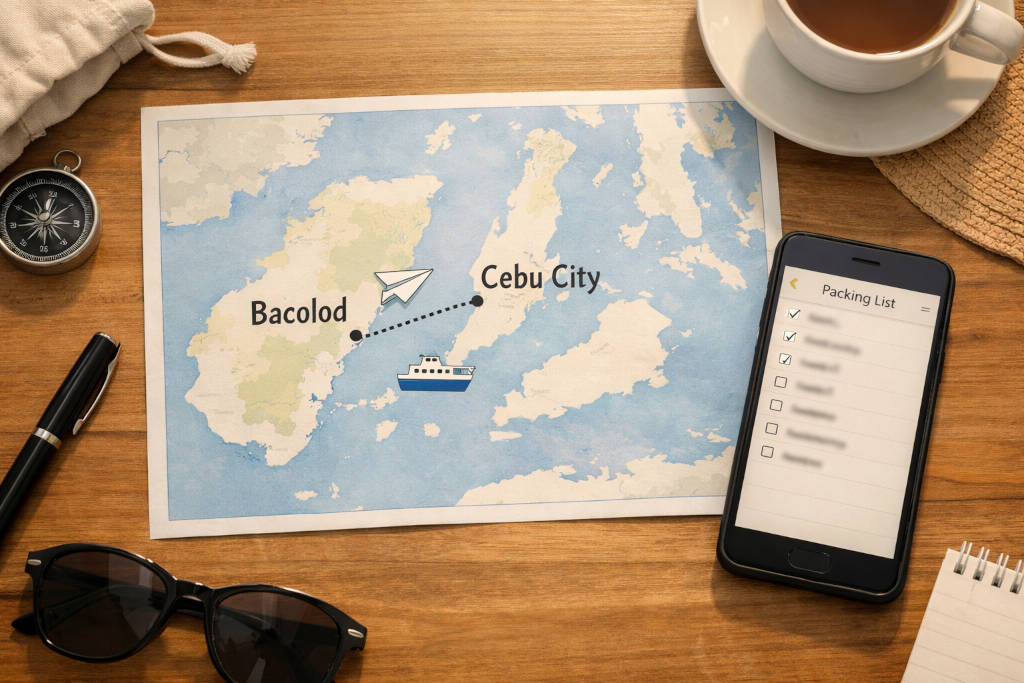
Planning Cebu City to Bacolod is less about the “fastest” route on paper and more about the calmest door-to-door plan: how long you’ll wait, where queues form, what your luggage will trigger (weight checks, stairs, boarding lanes), and what you’ll do if something slips. The good news: you have a genuinely low-stress option (a short flight) and a practical budget option (bus plus ferry via Toledo and San Carlos) that many travelers use successfully—with the right buffers.
If you’re still shaping your Cebu days before you leave, this is a good time to save Cebu Travel Guide City Waterfalls Whale Sharks so your departure day is realistic (and not squeezed between a late waterfall return and an early check-in).
At-a-Glance
Best time window: For smoother seas and fewer storm disruptions, the months that are typically drier in the Visayas (often around November to May) tend to be easier for ferry timing. Rainy months can still work—just plan wider buffers for traffic and sailings.
Realistic travel time: Flight plans commonly land in a 3.5–7 hours door-to-door range depending on airport transfers and queues. Bus plus ferry commonly lands around 8–18 hours depending on traffic and sailing windows.
Budget band: Flight totals swing wide based on fare and baggage. Bus plus ferry is usually steadier and easier to estimate.
Crowd and traffic risk: Weekends, paydays, and holiday weekends can inflate lines at terminals and slow Cebu roads—especially if you’re aiming for a specific ferry sailing.
Heat and rain backup: Pack water, a light layer, and a small towel in your day bag. For ferry days, add a simple rain jacket and keep documents in a zip pouch.
Reality Check: A “low-stress” plan still means waiting—security lines, boarding cutoffs, and traffic are part of the route. Your goal is to make those waits predictable.
Quick Decision Guide: Choose Flight vs Bus Plus Ferry Based on Time and Stress
Choose Option A (Flight) if you value simpler steps, fewer transfers, and arriving with more energy. It’s often the lowest-stress Cebu City to Bacolod route when the fare is reasonable and your baggage needs are straightforward.
Choose Option B (Bus Plus Ferry via Toledo and San Carlos) if you want a more stable budget and don’t mind a longer day. It’s sensitive to Cebu traffic and ferry sailing windows, so buffers matter more than speed.
Choose Option C (DIY Transfers Plus Ferry) if you want control—like leaving Cebu City at a specific hour or choosing your own mix of taxi, van, and ferry. It’s flexible, but it adds transfers, so it’s best for travelers who are comfortable managing multiple moving parts.
For a simple checklist mindset (IDs, cash, timing buffers, and what to do when plans change), keep this open as you plan: Philippines Travel Planning Guide for Your First Trip.
Reality Check: The lowest-stress choice depends on your tolerance for uncertainty. Flights can be disrupted, but the steps are fewer. Ferries are workable, but missing one sailing can add hours.
Option A: Fly From Mactan-Cebu International Airport to Bacolod-Silay Airport
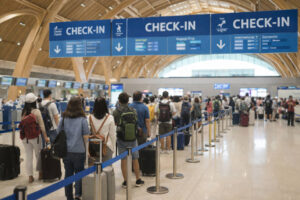 If you want the simplest sequence—one transfer to the airport, one short flight, then one transfer into Bacolod—this is usually it. For Cebu to Bacolod Flight planning, the in-air time is short, but your comfort comes from building a door-to-door schedule that includes waiting.
Door-to-Door Time Range Including Waiting
Instead of chasing a single “total time,” plan in blocks. Here’s a realistic way to estimate Cebu City to Bacolod by air:
- Cebu City to Mactan-Cebu International Airport: ~30–90 minutes depending on where you’re coming from, time of day, and traffic.
- Arrive-early buffer (check-in + security): ~1.5–2.5 hours for domestic flights (more if you need to buy baggage at the counter or travel on a peak day).
- Flight time + taxi-out/taxi-in: in-air time is usually under an hour, but add ~15–30 minutes total for runway movement.
- Deplane + baggage claim buffer (if checked bags): ~15–45 minutes.
- Bacolod-Silay Airport to Bacolod City: ~30–60 minutes depending on your ride and traffic.
Best case: ~3.5–4.5 hours (light traffic, smooth queues, no checked baggage). Typical day: ~4.5–6 hours. Traffic/queue day: ~6–7 hours.
For practical tips on choosing transport inside Cebu City—especially if you’re deciding between taxi, ride-hailing, or point-to-point options—save How to Get Around Cebu City Local Transport so you can pick the least stressful airport transfer for your departure hour.
Reality Check: The most common stress points are not the flight—it’s getting to the airport during Cebu traffic and hitting a security line you didn’t budget for.
Cost Range and What Adds Up Fast (Bags and Transfers)
Flight totals vary the most because fares and add-ons change by date, airline, and how early you book. A planning-friendly way to think about costs is “flight + ground transport + baggage.”
- Flight fare: often the biggest swing factor, especially around weekends and holidays.
- Baggage add-ons: checked baggage and even heavier carry-ons can add cost quickly, especially if purchased late.
- Transfers: Cebu City to Mactan and Bacolod-Silay Airport to Bacolod City can each add a meaningful last-mile cost.
- Possible airport fees and small add-ons: keep a little buffer for terminal purchases and unexpected rebooking differences.
As a wide planning range, many travelers end up somewhere from roughly PHP 2,300 to PHP 8,500+ all-in depending on fare and baggage needs. If you prefer booking direct with an airline, you can check schedules and book here: Philippine Airlines Cebu to Bacolod booking page.
Reality Check: A “cheap fare” can stop feeling cheap if you add last-minute baggage, then pay higher transfers because you’re rushing.
Low-Stress Tips for Airport Friction
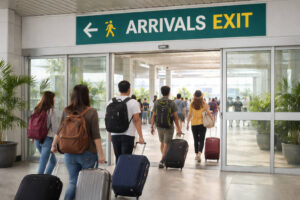
- Protect your buffer: treat your arrive-early time as non-negotiable. It’s cheaper than rebooking.
- Expect carry-on checks: some carriers can be strict about carry-on weight and size, especially at busy times. Pack so you can shift items quickly.
- Liquids and power banks: keep liquids within rules and power banks where they’re allowed. Put them where you can show them fast at screening.
- Day bag strategy: keep IDs, phone, wallet, and a pen in one pocket so you aren’t digging at the counter.
- Arrival plan in Bacolod: decide in advance how you’ll get from Bacolod-Silay Airport to Bacolod City so you’re not making decisions in a crowded arrival area.
Once you arrive and settle in, you can plan your first easy meals and slow afternoons with Bacolod Travel Guide Slow Afternoons Food Heritage.
Reality Check: Airports are bright, loud, and full of micro-decisions. The calmer you make your “what’s next” steps (ride, cash, SIM/data), the less drained you’ll feel on arrival.
Option B: Bus Plus Ferry via Toledo and San Carlos to Bacolod
 This is the classic Cebu to Bacolod Bus and Ferry route: start at Cebu North Bus Terminal, ride to Toledo, cross by ferry from Toledo Ferry Terminal to San Carlos Port (often on a RoRo Ferry), then continue by land to Bacolod. Many long-distance bus services use this corridor, and you may see operators like Ceres Liner involved on the Negros side depending on how your land leg is arranged.
Door-to-Door Time Range Including Waiting and Traffic
For Cebu City to Bacolod via Toledo San Carlos, timing depends on two things you can’t fully control: Cebu traffic and sailing windows. Plan with “best case vs typical vs slow day” thinking:
- Cebu City to Cebu North Bus Terminal: ~15–60 minutes depending on pickup point and traffic.
- Bus travel to Toledo + terminal entry: ~2.5–5 hours (traffic and terminal approach can stretch this).
- Toledo Ferry Terminal waiting + check-in: ~30–120 minutes (longer if you arrive close to departure or during peak periods).
- Ferry crossing (Toledo to San Carlos): crossing time varies by vessel; FastCat is a common reference point for planning. Always confirm the sailing time for your travel date.
- San Carlos Port to Bacolod City by land: ~2.5–5 hours depending on vehicle, stops, and traffic.
Best case: ~8–10 hours (good traffic, short waits). Typical: ~11–14 hours. Slow day: ~15–18 hours (heavy traffic + missed or delayed sailing + longer land travel).
Reality Check: The stress spike usually happens when you realize you’re “almost there” but still have a queue, a cutoff time, and a ferry schedule to respect.
Cost Range and Comfort Tradeoffs
This option is often easier to budget because the pieces are familiar: bus fare(s), ferry fare, and small last-mile costs. Your total depends on bus type (ordinary vs more comfortable), ferry class/seat, and whether you need extra rides for transfers.
- Bus fares: vary by service type and whether your ticket is bundled with the crossing.
- Ferry fare: depends on seat class and discounts (students, seniors, PWDs where applicable). Keep your ID ready if you’re claiming a discount.
- Terminal fees and small add-ons: ports may have small fees; last-mile tricycles or short rides add up.
As a wide planning range, many travelers land around roughly PHP 900 to PHP 2,500+ depending on comfort choices and how many transfers they pay for. If you want a broader context on how buses, jeepneys, and ferries usually work together across the country, keep this handy: Philippines Public Transport Guide Bus Jeepney Ferry.
Reality Check: A low fare can still feel costly if you have to buy extra last-mile rides because you arrived late, tired, and out of options.
The Two Biggest Risks (Traffic to Toledo and Sailing Windows) and How to Buffer
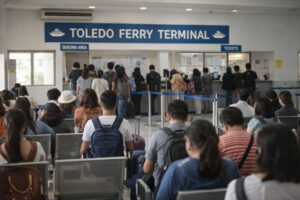 Risk 1: Cebu traffic makes you miss a sailing. The easiest fix is planning a “not-just-in-time” departure. If the ferry is at 2:00 PM, don’t aim to arrive at 1:45 PM. Aim earlier, even if it means waiting at the terminal.
Risk 2: Sailing windows shift and queues can be long. For planning your Toledo to San Carlos crossing, check sailing times close to your travel day on the official schedule page: FastCat routes and schedules. Then build a buffer that assumes you might stand in line, re-check your baggage, or walk farther than expected inside the terminal area.
- Choose a safer sailing: if you need to reach Bacolod before evening, avoid late-day crossings that leave little margin for the San Carlos to Bacolod leg.
- Pack for the wait: water, snacks, and a charged power bank reduce stress while you’re sitting in a terminal window.
- Big luggage strategy: assume stairs, crowded boarding lanes, and limited overhead space on some vehicles. Keep a small day bag separate so you can move without opening your main bag.
Reality Check: Missing one key ferry window can add hours, especially if the next sailing is much later. Buffers are the “ticket” you buy for calm.
Option C: DIY Transfers Plus Ferry (Most Flexible, More Transfers)
If you want control over timing, you can do Cebu City to Toledo on your own (taxi, ride-hailing, van, or other options), take the ferry, then choose your onward transport from San Carlos to Bacolod. This can be useful if you’re coordinating with friends, carrying specific gear, or trying to match a schedule that doesn’t line up neatly with a bundled bus ticket.
- Why it can be lower-stress: you can leave Cebu City earlier than the bus schedule, choose a more comfortable vehicle, or build a longer buffer before the ferry.
- Why it can be higher-stress: more transfers means more chances for delay, more payment points, and more moments where you’ll need to confirm where to go next.
- Who it fits best: travelers who like “modular planning”—separate tickets, flexible departure times, and a willingness to adjust on the day.
Reality Check: Flexibility only feels calm if you prepare: know terminal names, keep cash accessible, and have your screenshots ready before you’re in a line.
What to Screenshot and Save Offline Before You Leave Cebu City
This is the easiest low-stress upgrade for Cebu City to Bacolod planning: assume your signal will be weak at the exact moment you need proof. Save these offline (screenshots plus a copy in email or files):
Flights
- Booking reference and e-ticket
- Baggage purchase confirmation (especially if you added baggage after booking)
- Payment receipt
- Rebooking and refund rules for your fare type (a screenshot of the key terms is enough)
- Airport transport notes: pickup point, estimated time, and backup ride option
Ferry and Land Legs
- Your chosen sailing time (save the schedule view for Toledo Ferry Terminal to San Carlos Port)
- Ferry ticket or booking confirmation if purchased online
- Terminal names and map pins: Toledo Ferry Terminal and San Carlos Port
- Any bus ticket details (seat number, departure bay, baggage rules if provided)
- A simple note of your Plan B sailing window (what you’ll do if you miss the target crossing)
Reality Check: When you’re tired, small frictions feel big. Screenshots remove “searching stress” from the hardest moments—counter lines and boarding calls.
Luggage and Terminal Friction Checklist (Air and Sea)
Low-stress travel is mostly friction management: where your bag goes, how it’s weighed, and how fast you can move through choke points. For general safeguards (cash handling, scams to avoid, and situational awareness), it also helps to keep Travel Safety Philippines Guide bookmarked for quick reference.
Air Travel Friction Points
- Carry-on weight checks: pack so you can quickly shift items into your personal bag if needed.
- Liquids and screening: keep toiletries tidy and easy to pull out. Avoid last-minute repacking at the conveyor.
- Power banks and electronics: keep them accessible and follow airline and screening rules. If you’re unsure, keep them in your carry-on where you can show them.
- Checked baggage timing: if you check a bag, plan extra time on both ends (drop-off and claim).
Sea and Land Travel Friction Points
- Terminal queues and boarding cutoffs: Toledo Ferry Terminal lines can move in bursts. Arrive earlier than you think you need.
- Traffic into Toledo: don’t choose a sailing that requires “perfect traffic” to make it.
- Big luggage movement: expect stairs and tight lanes. Keep hands free by using a backpack/day bag and a rolling bag if possible.
- Limited overhead space: some vehicles fill fast. Keep valuables on your body, not in overhead storage.
Reality Check: The route isn’t hard, but it’s physical—standing, walking, lifting, and waiting. Pack like you’ll carry your bag more than once.
Backup Plan for Delays, Cancellations, and Missed Sailings
A good Cebu City to Bacolod plan includes a Plan B you’ve already accepted. The goal is not to “beat delays,” but to prevent delays from turning into panic.
If Flying Is Disrupted
- Switch to bus plus ferry the same day if timing allows: if you can still reach Toledo with a safe buffer before the sailing window, the Cebu to Bacolod via Toledo San Carlos route can rescue your day.
- Have a Plan B departure window заранее: decide what you’ll do if your morning flight slips—example: “If the morning flight is cancelled, I’ll aim for a noon bus departure or travel early tomorrow.”
- Avoid the last trip of the day: last departures remove your ability to recover.
If the Bus Plus Ferry Route Is Disrupted
- If you miss your intended sailing: assume you may need to wait for the next sailing window. This is where snacks, water, and power matter.
- If you arrive too late for a safe onward trip: consider overnighting near the terminal area and continuing early the next day rather than pushing a late, tiring land leg.
- Keep essentials in a small day bag: IDs, cash, chargers, meds, and one change of clothes should stay with you at all times.
Reality Check: The biggest travel “loss” is not time—it’s energy. A backup plan protects your energy so you can still enjoy Bacolod when you arrive.
Cebu City to Bacolod FAQs
What is the lowest-stress way to get from Cebu City to Bacolod?
For most travelers, the lowest-stress route is Option A: flying from Mactan-Cebu International Airport to Bacolod-Silay Airport—especially if the price is reasonable and you can pack within your baggage plan. It’s fewer steps and fewer places where a missed window adds hours.
How long is the trip door-to-door including waiting for each option?
Flight: often ~3.5–7 hours door-to-door depending on transfers and airport queues. Bus plus ferry via Toledo and San Carlos: commonly ~8–18 hours depending on Cebu traffic, terminal waiting, and sailing windows. DIY transfers plus ferry: highly variable—potentially faster than the bus in specific cases, but only if your transfers are smooth and you build buffers.
Is there a direct ferry, or do I need to cross via Toledo and San Carlos?
Many travelers use the Toledo to San Carlos crossing because it’s a well-known corridor with regular activity. Direct Cebu to Negros Occidental sailings can exist in some form depending on operator and season (you may see names like Lite Shipping mentioned), but schedules can change. For planning reliability, treat Toledo–San Carlos as the default and verify any “direct” listings carefully before you commit.
What should I screenshot and save before leaving?
At minimum: your flight e-ticket or ferry details, booking references, baggage confirmation, receipts, key rules on rebooking, and terminal names (Toledo Ferry Terminal, San Carlos Port) plus your chosen sailing time. Also save your Plan B window so you’re not deciding under pressure.
How do I avoid missing a ferry sailing because of traffic or queues?
Don’t plan to arrive “just in time.” Choose a sailing that still works even if Cebu traffic is worse than expected, and aim to reach Toledo Ferry Terminal early enough to absorb lines and walking time inside the port. If you’re coming from deeper parts of Cebu City, widen your buffer further.
What should I do if my flight is cancelled or I miss my ferry?
If a flight is cancelled, shift to the bus plus ferry route if you can still catch a safe sailing window—or move your travel to early the next morning and avoid the last trip of the day. If you miss a ferry, assume you’ll wait for the next sailing window; if that pushes your arrival too late, overnight near the terminal area and continue early so you arrive in Bacolod more rested.
Keep Planning Your Next Legs
If you’re continuing beyond Negros Occidental, save Bacolod to La Union Options Time Cost Tips for another logistics-first route breakdown. For more planning-focused guides in the same style, browse Tips and Inspiration. And if you’re collecting “slow travel” treats for future trips, this one is a cozy add: Baguio Coffee Guide Cafes Cool City Sips.
However you go from Cebu City to Bacolod, the calmest trip is the one with a little extra time built in. Save your proofs, protect your buffers, keep essentials on your body, and treat delays as normal—not a failure. That mindset turns a long travel day into a steady, manageable plan.