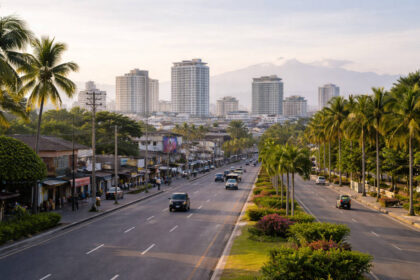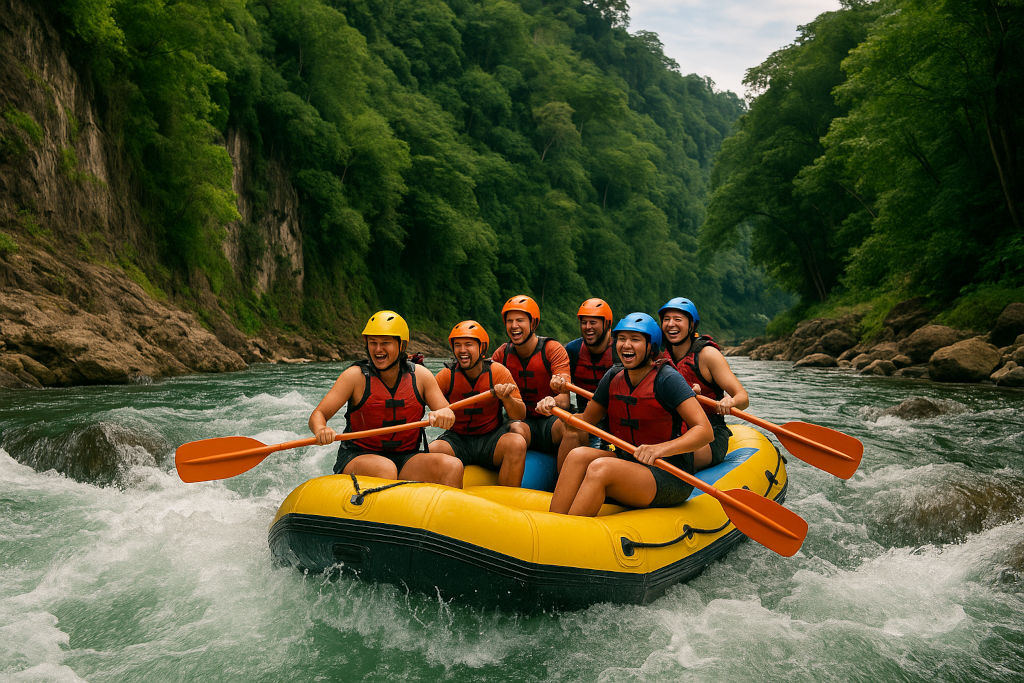
 On the drive out of Cagayan de Oro’s city center, the buildings thin out, the air cools, and the road begins to follow a dark green line in the landscape. That line is the Cagayan de Oro River—sometimes calm and glassy, sometimes laughing over rocks—and it’s the stage for the many shapes that CDO river adventures can take. Some days it’s all shrieks and high-fives over big waves; on others, it’s quiet drifting, birdsong, and guides telling stories about the mountains they grew up under.
Known as the whitewater rafting capital of the Philippines, Cagayan de Oro (CDO) has built its name on this river. The Cagayan de Oro River (also called the Cagayan River of Mindanao) rises in the Kitanglad and Kalatungan mountain ranges of Bukidnon and flows roughly 90 kilometers north through deep valleys and farmlands before meeting Macajalar Bay near the city. Along the way, it carves out cliffs, curves around banana groves, and drops over boulders just enough to create rapids that feel wild but, with good guides, reassuringly manageable. It is this balance of drama and comfort that makes many travelers fall in love with CDO river adventures after just one run.
This guide is for anyone who has ever wondered: “Is Cagayan de Oro whitewater rafting beginner-friendly?” or “What if I’m scared but still curious?” We’ll walk through routes, seasons, and safety; show you what a day on the river actually looks like; and peek into the lives of the guides and communities who call the river home. Think of it as riding in the jeep with me on the way to the put-in, chatting about everything you’re excited and nervous about before your first splash and planning the kind of CDO river adventures that fit your comfort level.
Why CDO River Adventures Belong on Your Mindanao Map
Cagayan de Oro as Whitewater Capital and Gateway
Cagayan de Oro sits on the northern coast of Mindanao, a city that feels equal parts student town, business hub, and jump-off point for adventures. It’s close to Bukidnon’s pine-covered plateaus, Camiguin’s volcano beaches, and Iligan’s waterfalls—but its most famous claim to fame runs right through it: Cagayan de Oro whitewater rafting.
The river has been promoted for years by local outfitters and the Philippine Department of Tourism as the city’s banner adventure activity, with rafting and kayaking tours running on different sections of the river. Here, Mindanao river adventures aren’t just about conquering rapids; they’re a way to see another side of the island—steep canyon walls, quiet farms on the banks, and glimpses of everyday life that you’d miss from the highway. Fold a day or two of CDO river adventures into your Mindanao itinerary and the region’s map suddenly feels more connected and alive.
What Makes These River Adventures Special
What makes CDO river adventures different from other outdoor activities in the Philippines? Partly, it’s the variety. You can choose mellow beginner-friendly rafting in CDO with long, lazy stretches between rapids, or jump into advanced courses with tighter, more technical waves. The river is also runnable year-round, with different moods depending on season—making it one of the country’s most dependable whitewater playgrounds.
But the secret ingredient is the people. Guides know the river like a friend: where it jokes, where it sulks, where it roars. They can tell you which bend used to be all rock before a big flood reshaped it, or which stretch is best for beginners to jump in for a quick swim. That mix of high-energy fun and local storytelling is what keeps many travelers coming back for another run and turning simple rafting days into CDO river adventures they talk about for years.
Meet the Cagayan de Oro River: Landscapes and Seasons
From Mountain Headwaters to Macajalar Bay
The Cagayan de Oro River’s headwaters lie in Bukidnon’s highlands, in the Kalatungan and Kitanglad mountain ranges. From there, it threads through municipalities like Talakag and Baungon, forming natural boundaries between provinces before eventually entering Misamis Oriental and Cagayan de Oro City itself.
On the rafting sections, you’ll see a tapestry of landscapes: moss-covered rock faces, bamboo clumps leaning over the water, hanging vines, and stretches where the river swings wide around pebbly beaches where buffalos might be cooling off. In some places, the banks draw in close, creating canyon-like walls that frame the sky into a narrow blue strip. This variety—tight canyons one minute, open bends the next—is part of what gives CDO river adventures such a dynamic, story-like flow.
Dry Season vs Rainy Season Rafting
If you’re nervous, it helps to understand how the river changes. In the drier months (roughly late December to May), water levels tend to be lower and rapids a bit tamer, with more exposed rocks and smaller waves—perfect for cautious first-timers and families who want more float, less chaos. In the wetter months (often June to November, with peak rains varying by year), the river swells, waves grow taller, and rapids connect more closely, giving thrill-seekers a more intense ride.
Most outfitters will honestly tell you when conditions are mellow or spicy. If you’re anxious, booking in dry season or asking specifically for a “basic course” or beginner-friendly rafting in CDO is a great way to ease into the experience. If you’re the kind of traveler who says “The bigger the waves, the better,” then a rainy-season run—weather permitting—might be your version of river bliss and will quickly become one of your most memorable CDO river adventures.
Choosing Your CDO River Adventure Route
Lower Section: First-Timer Friendly and Family-Oriented
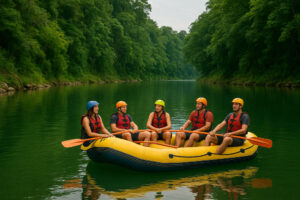 Many operators describe their trips in levels: lower, middle, and upper or advanced sections. The lower section is usually the most beginner-friendly rafting route in Cagayan de Oro. Expect around 2 to 2.5 hours on the water, with a mix of gentle rapids and long, calm stretches where you can practice paddling, float beside the raft, or simply take in the scenery.
This section is ideal if you’re traveling with older kids, nervous friends, or family members who want to experience Cagayan de Oro whitewater rafting without going straight into “scream-your-lungs-out” mode. Waves are still big enough to feel exciting, but guides can often choose lines that are smoother for those who’d prefer more glide than slam. For many families, their first taste of CDO river adventures starts on this gentler lower section.
Middle Section: Balanced Thrills and Scenic Floats
The middle section often steps up the intensity: more rapids in a row, bigger drops, and a longer overall river time—sometimes 3 to 3.5 hours. It’s a great choice if you’ve tried basic courses before, are reasonably comfortable in the water, or if your group includes a mix of cautious and bold travelers looking for a shared adventure.
Physically, expect more “hold on, lean in, paddle hard!” moments followed by relaxed floating in between. Visually, this section can offer some of the most beautiful riverbank views: higher cliffs, deeper-looking pools, and more opportunities to jump off safe rocks (if your guide says it’s okay) or swim through calmer stretches. Many repeat visitors say this middle course is where CDO river adventures hit their sweet spot: big fun without feeling overwhelming.
Upper or Advanced Section: For Confident Paddlers
The upper or advanced routes are usually recommended for those who have rafted before, are comfortable with stronger currents, or simply love being tossed around by big water. Rapids here can be steeper and more technical, sometimes with less recovery time in between. River time can stretch to 4 hours or more depending on conditions and your operator’s exact put-in and take-out points.
If you crave challenge and don’t mind the real possibility of taking an unplanned swim, advanced CDO river adventures might be perfect. Just remember: even thrill-seekers benefit from listening closely during the safety briefing and following guide commands—“forward, back, stop, lean in!”—like your fun depends on it (because it kind of does).
How to Choose the Right Course for You
If you’re unsure which route to pick, ask yourself a few questions: Are you comfortable with the idea of possibly falling into the water? Are you traveling with small kids or older family members? Does your group have mixed comfort levels? Share honest answers with your chosen outfitter. They’ll usually recommend a basic or lower course for first-timers, especially if you’re anxious or traveling with children, and a middle or upper section for more confident groups.
For solo travelers or nervous adventurers, starting with the basic route is a smart move—you can always come back for a stronger run next time. If you’re into slow, nature-heavy trips in general, this kind of gradual progression fits nicely with the mindset from guides like Bakasyon.ph’s off-the-beaten-path Philippines escapes, where you’re encouraged to lean into experiences at your own pace and build up to bigger CDO river adventures over time.
Planning CDO River Adventures: Getting There and Timing Your Day
How to Get to Cagayan de Oro
 Most travelers reach CDO via Laguindingan International Airport, about an hour’s drive from the city center. Direct flights connect Cagayan de Oro with Manila, Cebu, and other major hubs, often in under two hours. If you prefer slow travel or are on a tighter budget, long-distance buses and ferries also link CDO with other parts of Luzon, Visayas, and Mindanao, though these can take a full day or more.
From the airport or bus terminal, taxis and ride-hailing cars can bring you to your hotel downtown. Many rafting outfitters include hotel pick-up in their packages, so once you’re in the city, logistics become very straightforward: sleep, wake up, get picked up, go splash. Building your CDO river adventures on top of this simple gateway makes the whole experience surprisingly low-stress.
From City Center to River Jump-Off
Rafting packages typically include transfers from the city to the jump-off point, usually around Barangay Mambuaya or other upstream put-ins, about 30–45 minutes away by van. You’ll travel uphill, watching the urban sprawl shift into rolling hills and fruit stands, until the road dips close to the river and you see rafts being pumped, helmets lined in rows, and guides getting gear ready. That’s the moment when your planned CDO river adventures start feeling very real.
Best Time of Day and Sample Itinerary
Morning trips are often recommended: the air is cooler, the light is softer for photos, and you have extra time in case your run takes longer. Afternoon runs can be beautiful too, especially toward golden hour, but may be more subject to sudden rain showers depending on the season.
A simple one-day CDO river adventure might look like this:
- 7:00–8:00 AM – Hotel pick-up and drive to the outfitter base.
- 8:00–9:00 AM – Safety briefing, gear fitting, and van ride to the put-in.
- 9:00–12:00 NN – Rafting on the lower or middle section (with breaks, photos, and maybe a swim).
- 12:30–1:30 PM – Late lunch back at base or in the city.
- Afternoon – Rest at your hotel, explore cafés and riverside spots, or try a short city tour.
If you have 3–4 days in Northern Mindanao, you can pair your rafting with a day trip to Camiguin, hikes in Bukidnon, or even a slower riverside walk or park visit, turning your stay into a well-rounded Mindanao nature break that uses one or two CDO river adventures as the centerpiece.
For budget-conscious travelers, combining river tours with smart choices on transport and accommodations is where tips from guides like budget travel Philippines: explore more for less can really stretch your pesos without sacrificing safety or comfort.
What a Day on the River Feels Like
Briefings, Gear, and That First “What Am I Doing?” Moment
A typical Cagayan de Oro rafting day starts with paperwork (waivers, guest forms) and a pile of gear: helmets, life vests, paddles, sometimes rash guards or river shoes for rent. Guides demonstrate how to adjust your vest snugly, how to tuck your feet inside the raft, and the basic paddling strokes you’ll use.
Then comes the safety briefing: what to do if you fall in, how to float on your back with your feet up, how to listen for commands. For nervous first-timers, this can be the scariest part—hearing all the hypothetical things that could happen. But as guides patiently answer the big questions (“Do I need to know how to swim?” “Has anyone my age done this?”), you start to realize they’ve seen every kind of guest and are ready to take care of you too, no matter which CDO river adventures you’ve signed up for.
From First Easy Rapids to “One More Time!”
Once you’re on the water, it usually starts gently: a calm stretch to practice paddling and get used to how the raft moves. You’ll hear the first rapid before you see it—the low roar of water tumbling over rocks ahead. Your guide calls for paddles in, you tuck your feet, and the raft tilts slightly as the nose dips into the wave. For a moment, everything is spray, noise, and instinct. Then, just as quickly, you’re through, and everyone bursts into laughter.
Rapids vary in length and character—some are short punchy drops, others are longer stretches of churning water. In between, there are quiet sections where birds flit across the river, butterflies hang over the surface, and your guide might tell you about how this bend looked ten years ago or point out the boundary line between Bukidnon and Misamis Oriental. These alternating bursts of adrenaline and calm are the emotional backbone of many people’s favorite CDO river adventures.
Calm Stretches, Cliff Jumps, and Last-Rapid Glow
Most CDO river adventures include mellow intervals where you can jump in and float beside the raft, always under guide supervision. Some operators offer safe cliff-jumping spots or simple rock ledges for photos, as long as water depth and conditions are good. You’ll likely feel your nerves melting into a mix of adrenaline and a strange, cozy tiredness by the last few rapids.
By the time you reach the take-out point, helmets are slightly askew, arms pleasantly heavy, and everyone has “that one rapid” they can’t stop talking about. It’s the moment when many nervous beginners say, “I was scared at first, but now I kind of want to do the longer course next time,” and they start planning their future CDO river adventures before they’ve even dried off.
Life Along the River: Guides and Riverside Communities
Guides as River Readers and Storytellers
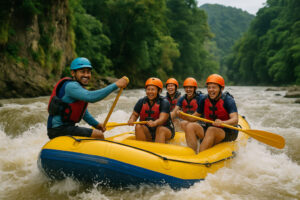 Spend a day on the Cagayan de Oro River and it’s impossible not to appreciate how guides read the water. They notice tiny changes in current color that hint at hidden rocks, listen to how the noise of a rapid shifts with water level, and keep a running mental map of eddies where a flipped paddler can be quickly retrieved.
On calm stretches, guides often share personal stories: how they first learned to swim in the river, how the community rallied to rebuild put-ins after major floods, how rafting has given them stable work and a chance to meet travelers from all over the world. Tourism, when handled responsibly, becomes part of the river’s support system, turning waves into school fees, grocery budgets, and new opportunities. Behind many successful CDO river adventures is a guide whose livelihood and pride are tied to the river’s well-being.
Riverside Sari-Sari Stores and Homestays
Along parts of the road leading to and from the river, you might pass small sari-sari stores and simple homestays that cater to rafters and day-trippers. A local family might run a home-based eatery offering sinugba, tinolang manok, or cold buko to groups fresh off the river. Choosing to eat or stay at these places keeps more of your money within the community and lets you see slices of daily life you’d miss in larger hotels.
Families Who Grew With the Rafting Scene
Talk long enough with locals and you’ll hear stories of families who have watched the rafting scene evolve. Some remember when only a handful of rafts ran on weekends; now, they see groups go by almost every day in high season. Parents who once farmed or fished full-time now split their days between agriculture and tourism-related work, and young people who might have left for bigger cities sometimes choose to stay and become guides themselves.
CDO river adventures, in this sense, are as much about economic currents as water currents. Supporting reputable, community-anchored outfitters helps ensure that the benefits of tourism ripple outward, instead of pooling in only a few hands.
Beginner-Friendly Tips, Safety, and What to Pack
“Do I Need to Know How to Swim?” and Other Big Questions
One of the most common worries: “What if I can’t swim?” The reassuring answer is that many first-time rafters in CDO are non-swimmers. You’ll be wearing a certified life vest and helmet, and guides will explain exactly what to do if you fall in—from how to float on your back with your feet up, to how to grab the safety rope or the raft’s handles.
Is rafting in Cagayan de Oro safe if you follow instructions? Like any adventure activity, there’s always some risk, but reputable operators follow strict safety protocols: thorough briefings, properly maintained gear, trained guides, and constant monitoring of river conditions. Choosing DOT-recognized or well-reviewed outfitters is key; official Department of Tourism channels, like their website at tourism.gov.ph, can help you understand broader safety standards in the Philippines. For a wider context on staying street-smart across the country, guides like the travel safety Philippines guide complement river-specific precautions with everyday tips that support safe, enjoyable CDO river adventures.
What to Wear and Bring on the River
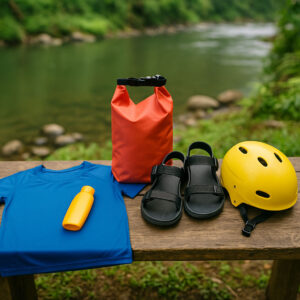 For CDO river adventures, think “comfortable, secure, quick-drying.” A simple packing list:
• Top and bottoms you’re okay getting soaked (rash guard and board shorts or leggings work well).
• Secure footwear like strapped sandals, aqua shoes, or old sneakers (no loose slippers).
• Sunscreen, ideally reef- and river-safe, applied at least 20 minutes before you get in the raft.
• A small dry bag or zip-lock for essentials if your outfitter allows it, or leave valuables at base.
• Change of clothes and small towel waiting in the van or at the base for post-river comfort.
• Light snacks and reusable water bottle if permitted (many operators also provide water and lunch).
Mindset Tips for Nervous First-Timers and Solo Travelers
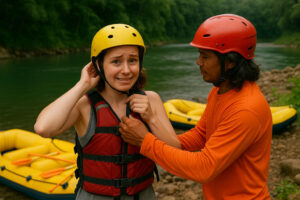 If you’re the kind of person whose brain whispers “What if I panic?” on the way to the put-in, you’re not alone. A few gentle mindset tricks:
• Tell your guide you’re nervous. They can adjust where you sit, keep an extra eye on you, and offer more encouragement.
• Focus on one rapid at a time, not the whole run.
• Breathe out loudly after each big splash—it tricks your body into relaxing.
• Remember that being cautious is a strength on the river; it makes you more likely to listen and respond well.
CDO river adventures can also be beautiful for solo travelers: you’re placed in a raft with other guests, so you’re never actually alone once you’re on the water. If you’re curious about exploring the country on your own in general, pieces like solo travel Philippines: traveling alone offer a comforting bigger-picture view of going at your own pace and finding community on the road.
Beyond the Raft and Responsible CDO River Adventures
Trails, Viewpoints, and Non-Rafting Nature Time
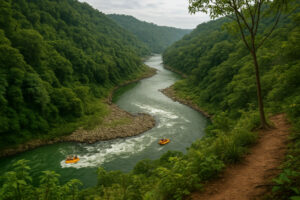 If you fall in love with the river (emotionally, not just literally), there are gentler ways to spend time with it beyond the rapids. Some areas offer riverside walks, hanging bridges, or small eco-parks where you can look down on rafts navigating bends below. In the wider region, you’ll find waterfalls, ridge hikes, and farm-stay experiences that round out a more relaxed Mindanao nature itinerary. These quieter moments frame your CDO river adventures within a wider landscape of mountains, farms, and everyday life.
Choosing Operators and Traveling Light on the River
Responsible CDO river adventures start before you even touch the water. When choosing an outfitter, look for clear safety information, proper insurance, and local guide employment. Check if they limit group sizes, maintain gear well, and brief guests on environmental etiquette (like not littering and respecting local communities along the banks).
On your part, travel light in terms of waste: bring a refillable bottle instead of single-use plastic, secure any snack wrappers, and make sure nothing flies out of your raft into the water. Ideas from sustainable travel practices: Filipino guide apply directly here—small, everyday choices that add up when multiplied by thousands of visitors.
Respecting Communities and Keeping the River Future-Friendly
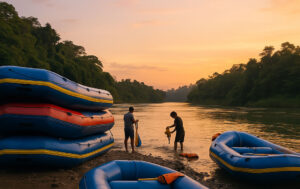 Remember that the river is a neighbor, not just an attraction. People farm, fish, bathe, and sometimes even commute along its banks. When you pass riverside houses, avoid shouting or blasting music; wave if locals wave first, but also let them enjoy their day without feeling like they’re part of a show. Ask guides before taking close-up photos of people along the river, especially children.
Ultimately, what makes CDO river adventures special is the combination of water, landscape, and human care—the guides who steer, the families who cook your post-rafting meals, and the generations who have watched this river shift and surge long before helmets and life vests showed up. By choosing thoughtfully, paddling gratefully, and leaving the river a little cleaner than you found it, you help ensure that future visitors will feel the same rush of joy on the first rapid and the same quiet satisfaction on the last calm stretch.
So whether you’re plotting your first-ever Mindanao river adventure, searching for beginner-friendly rafting in CDO, or coming back for a stronger course after tasting your first wave, the invitation is simple: come meet the Cagayan de Oro River with respect and curiosity. Let it challenge you a little, comfort you a lot, and send you home with CDO river adventures that feel like they were carved into your memory by water and sun.