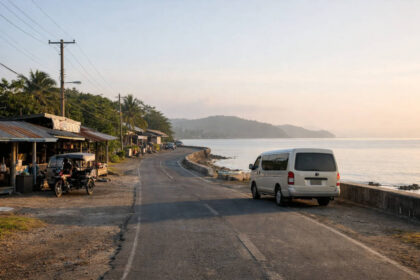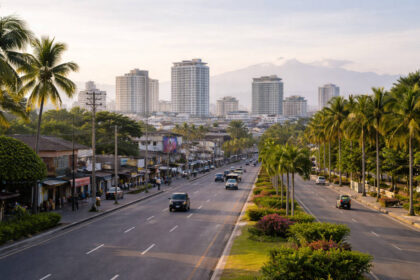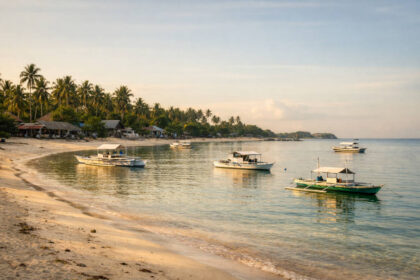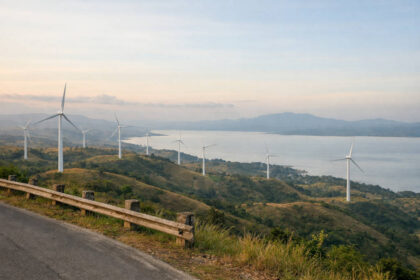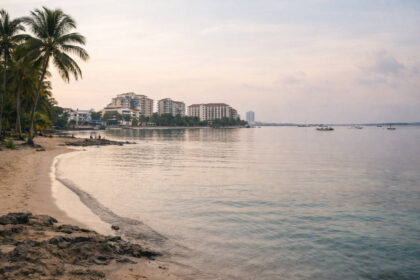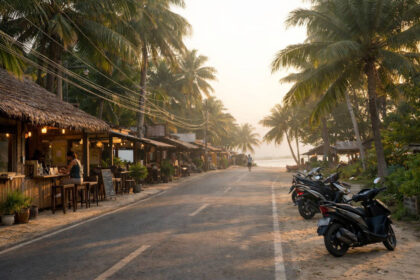
If you’ve ever stared at Google Maps on a Friday night, wondering where you could escape from Manila without flying or driving eight hours, Cavite is one of the first names that pops up. It’s close, but layered: independence shrines by the bay, old churches tucked into small towns, and cool uplands stitched with coffee trees. A Cavite heritage road trip pulls all of that into one loop—history in Kawit, church and garden stops in Silang, and coffee country calm in Amadeo—plus a few low-key food detours I’ve quietly collected like souvenirs.
On paper, Cavite is the “Historical Capital of the Philippines,” a province on the southern shores of Manila Bay, just southwest of the city. On the road, though, it feels like a set of chapters: lowland towns slowly giving way to greener, cooler uplands as you climb toward the Tagaytay-Amadeo ridge. This guide follows that arc from Manila—mixing practical driving info and suggested stops with small, human details, as if you’re borrowing a friend’s tried-and-tested itinerary.
Why a Cavite Heritage Road Trip Belongs on Your Weekend Map
Close Enough for a Day, Rich Enough for an Overnight
Cavite is one of those places that always sounds “near Manila” in theory—but it’s only when you actually drive down that you realize how much history is compressed into that space. The province is about an hour or so from the Metro’s southern edge, depending on traffic and route, yet it holds some of the country’s most important sites: from the Aguinaldo Shrine in Kawit, where independence was proclaimed, to upland churches and coffee-growing towns.
If you’re already scouting best weekend getaways near Manila for 2025, this Cavite heritage tour fits beautifully as either a long day trip or a relaxed overnight. It’s not about ticking off every marker; it’s about tracing one satisfying line through history, food, and countryside air.
History, Food, and Coffee in One Loop
 This route focuses on three anchors: Kawit for independence-era heritage, Silang for church-and-garden countryside, and Amadeo for coffee farms and slow afternoons. In one loop you get national history, local devotion, and everyday life—plus a lot of good food and coffee. It’s a Cavite road trip from Manila that feels full but not frantic, especially if you leave early and drive with a “scenic detours welcome” mindset.
Planning Your Cavite Heritage Road Trip
Choosing Routes: CAVITEX, CALAX, or the Old Roads
If you’re wondering how to plan a Cavite heritage road trip from Manila, start with your entrance. Most drivers from the north and central Metro take either CAVITEX (coastal expressway) straight toward Kawit, or combine expressways like NLEX–SLEX–MCX–CALAX to drop into the province nearer to Imus or Silang. The expressways are faster and friendlier for beginner drivers: more predictable, fewer tricycles, and safer overtaking.
The older highways—like the routes passing through Bacoor and Imus—can be slower but reveal more everyday Cavite life: roadside carinderias, hardware stores, and barangay centers. If it’s your first time, I’d suggest taking the faster route into Kawit in the morning and maybe trying an older highway on your way home when you’re more relaxed and familiar with the area.
Best Time to Leave, Drive Times, and Tolls
For a smooth Cavite heritage road trip, aim to leave Manila around 5:00–6:00 AM on a weekend. This usually lets you cruise through SLEX/CAVITEX before the late-morning build-up. Rough guideline (traffic can stretch these):
- Manila (Alabang area) to Kawit via CAVITEX: around 1–1.5 hours.
- Kawit to Silang via Imus/Dasmariñas backroads or CALAX segments: roughly 1–1.5 hours.
- Silang to Amadeo: around 30–45 minutes, depending on where in Silang you start and which road you take toward Amadeo.
On tolls, expect to spend a few hundred pesos per direction if you’re stacking expressways. Add fuel based on your car’s consumption; for a loop like this in a typical sedan, many travelers budget around ₱800–₱1,500 for fuel, plus tolls. For more detailed budgeting habits across trips, you might find tips in budget travel Philippines: explore more for less helpful as a mindset.
Day Trip vs Overnight: Which Fits You?
A determined driver can do Kawit–Silang–Amadeo and back to Manila in one long day, especially if you’re okay with a sunrise departure and a post-sunset return. But if you prefer slow lunches and extra coffee stops, an overnight is gentler. Tagaytay—Cavite’s highland darling just beyond Silang and Amadeo—is an easy base, especially with resources like Tagaytay travel guide 2025 and 15 best things to do in Tagaytay if you’d like to extend the cool weather and ridge views.
Private resort in Cavite: quick checklist for a calm overnight
If your goal is less driving and more rest, booking a private resort in Cavite can turn this heritage loop into a low-effort reset, especially for small families or groups that want one base (pool, meals, naps) and just 1–2 short heritage stops.
- Location: Pick one cluster (Kawit/Imus lowlands OR Silang/Amadeo uplands). Avoid “two clusters in one day” if you are trying to rest.
- Noise check: Scan reviews for karaoke, nearby roads, thin walls, or “loud at night.”
- Access: Confirm road condition, gate/parking setup, and late check-in rules (some areas get dark and confusing fast).
- Water + power: Look for recent reviews mentioning water pressure and brownout backup (generator/solar/inverter).
- Pool safety: If kids are coming, verify depth info, barriers/railings, and whether lifeguards are present (usually not).
- Kitchen rules: Clarify corkage, cooking permissions, and whether basic cookware is actually included.
- Signal/Wi-Fi: Confirm mobile signal (Smart/Globe) and real Wi-Fi reliability if anyone needs to be reachable.
- Hidden fees: Ask about cleaning fees, extra guest fees, towel charges, and deposits before paying.
First Leg: Manila to Kawit – Cradle of Independence and First Food Stops
Walking Through the Aguinaldo Shrine
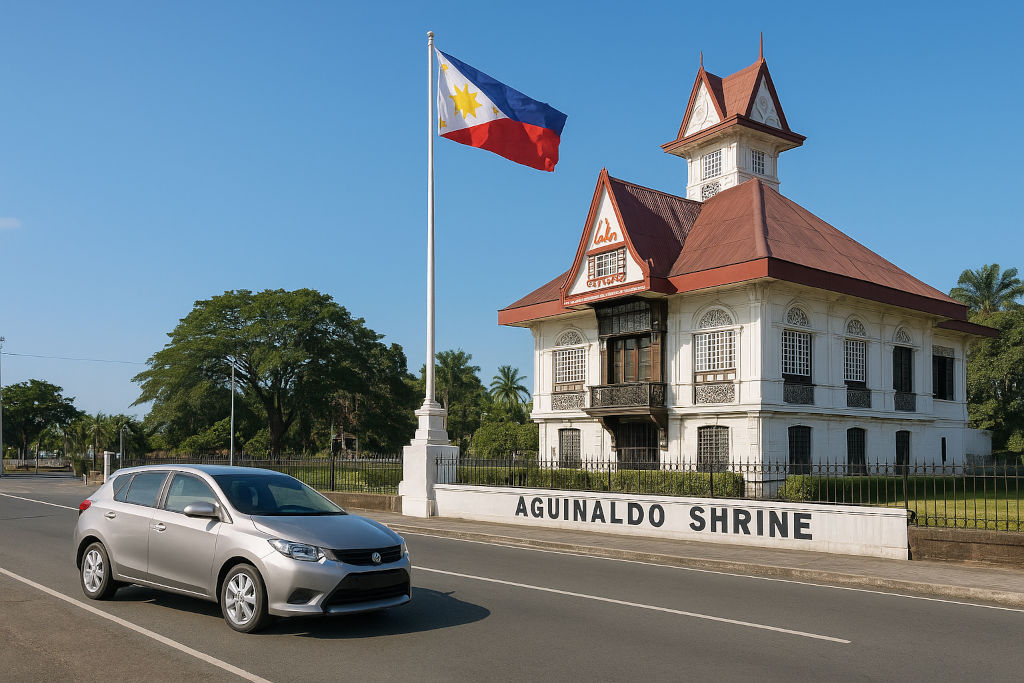
 Kawit sits along the low coastal plain of Cavite, one of the province’s historic gateway towns next to Manila Bay. The main reason you’re here on a heritage route is the Emilio Aguinaldo Shrine—the ancestral home where the Philippine Declaration of Independence from Spain was proclaimed on June 12, 1898. Today it’s a national shrine with a small museum and carefully preserved rooms that feel like time stopped just after the speeches and celebrations ended.
As you climb the wooden stairs, the floors creak underfoot. There’s that distinct polished wood smell, mixed with faint varnish and old paper. The museum on the ground floor lays out memorabilia, while upstairs you’ll find the “Independence balcony,” the dining hall with intricate ceilings, and hidden corners where you can imagine the quiet planning that happened off-stage from the big historical moments.
Other Kawit Heritage Corners (and a Church Stop)
Depending on your interest and time, you can also swing by nearby Kawit heritage sites and churches—like the local parish and small plazas that give a sense of everyday life around these big national stories. Some travelers pair the main shrine with smaller museums in Cavite (like the Baldomero Aguinaldo Museum) if they’re doing a broader Cavite heritage tour later, but for this road trip, it’s enough to linger a bit, read the markers, and walk slowly through the house’s hallways.
First Food Stop: Carinderia by the Highway
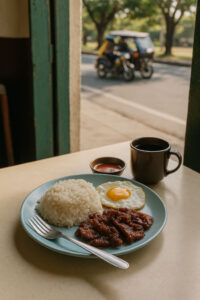 Leaving Kawit, hunger usually hits right around the time you pass clusters of eateries near the highway. This is your chance for a proper Cavite breakfast: tapsilog, bangsilog, or even a humble mami and siopao combo if you’re leaning toward comfort food. Look for carinderias busy with locals rather than only big chains; those plastic-covered tables and trays of ulam are part of the story too.
Parking-wise, arrive at the Aguinaldo Shrine early for easier slots along the street or designated areas. After your visit, many drivers hop back on the main road toward Imus/Dasmariñas, eventually angling toward Silang via CALAX or older provincial roads.
Second Leg: Silang – Old Churches, Gardens, and Countryside Lunch
Climbing Into the Green: Manila Bay Plain to Upland Towns
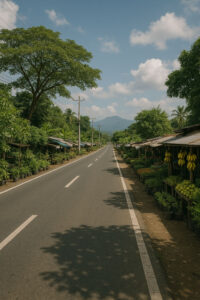 From Kawit, the landscape slowly shifts. Low, tight townscapes loosen into roadside nurseries selling ornamental plants, coconut trees appear more frequently, and the air takes on a faint coolness—especially once you’re nearing Silang. Cavite’s central hilly and upland areas are known for agriculture and gardens, and Silang is one of the municipalities with the biggest land areas in the province.
This is the part of the Cavite heritage road trip where you might roll down the windows a little and turn down the music just to listen to the wind and the occasional church bell.
Silang Church: Our Lady of Candelaria
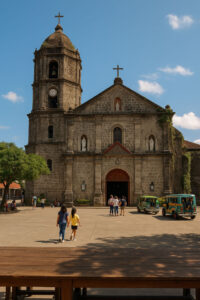 Silang’s Diocesan Shrine and Parish of Our Lady of Candelaria—often simply called Silang Church—is one of Cavite’s oldest existing stone churches, completed in 1639 and later dedicated to Nuestra Señora de Candelaria. Inside, rococo-influenced retablos and thick adobe walls carry centuries of parish life: baptisms, weddings, quiet weekday rosaries.
On the plaza, jeepneys idle, kids chase each other near the steps, and vendors sell sampaguita garlands. To me, this is where “heritage” feels tangible—not just in architecture, but in how the town still orbits around the church. When you visit, dress modestly (no super-short shorts, cover shoulders if you can), speak softly, and hang back if a Mass is ongoing.
Garden Cafés and Countryside Lunch
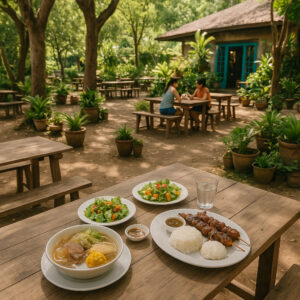
Silang is dotted with garden cafés and roadside restaurants that feel tailor-made for slow lunches. Some are tucked behind plant shops, others are hidden along narrow side roads leading toward Tagaytay. Expect menus that mix Filipino comfort food with café staples—bulalo, grilled liempo, salads featuring local greens, plus coffee and cakes for dessert.
One of my favorite Silang moments was an unplanned lunch in a small garden café where the owner also ran a plant nursery. I remember eating sinigang na baboy at a table under a mango tree while a radio played 90s OPM inside. On your Cavite heritage tour, leave space for those accidents: a roadside sign for “home-cooked lutong bahay” or a small coffee shop that looks like it grew out of the surrounding plants.
Little Stops: Produce Stalls and Sari-Sari Chats
 On your way out of Silang toward Amadeo, you’ll pass fruit and vegetable stalls selling pineapples, coffee, leafy greens, and sometimes local delicacies. These are good places to pick up pasalubong: bags of coffee beans, jars of peanut brittle, or fresh lettuce if you’re heading straight back to the city later.
Take a moment to talk to the vendor—ask where the produce comes from, how the season’s been. Those small conversations are as much part of a Cavite heritage road trip as any monument.
Third Leg: Amadeo – Coffee Country and Slow Afternoons
Welcome to Coffee Town
 From Silang, the road keeps climbing gently until you reach Amadeo—a municipality often described as the “coffee capital” of Cavite and known for its cool climate and agricultural lands. Coffee farming here dates back to the late 19th century, when families discovered that the sloping, volcanic soil and upland air were perfect for coffee trees. The town still celebrates an annual Pahimis Coffee Festival, honoring both harvest and heritage.
Today, Amadeo coffee farms and smallholders supply beans to cafés in Cavite and beyond. Some farms have simple viewing decks or tasting areas; others work with roadside coffee stalls and home-based roasters, creating a quiet but steady coffee culture outside the big cities.
Farm Cafés and Heritage Murals
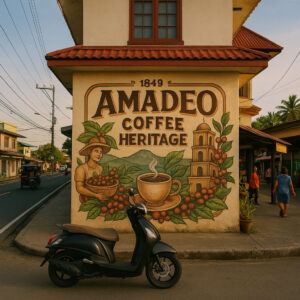 Depending on current offerings (which change as businesses open, close, or rebrand), you may find cafés set right beside coffee plots or with views of the town’s hills. Ask locals or check the latest from the provincial tourism office at cavite.gov.ph for updated recommendations and events.
Amadeo has also leaned into its identity with coffee-themed murals and markers—some near the town center, others by cafés or public spaces. They’re picturesque, sure, but they’re also a reminder that this isn’t just trendy branding; it’s a nod to generations of farmers who quietly kept planting, harvesting, and drying beans even as cities changed around them.
Coffee Where It’s Grown vs City Café Vibes
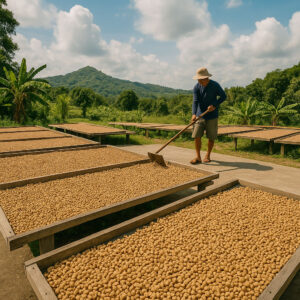 If you’re used to Manila’s café scene—third-wave shops, minimal interiors, playlists curated down to the last indie track—Amadeo feels slower, more grounded. When you sip a brewed cup with beans grown a few kilometers away, you might be sitting on a monobloc chair, listening to roosters and motorcycles instead of lo-fi beats.
It’s a good place to think about the wider Philippine coffee culture, from Benguet beans heading down to Manila cafés to Cavite’s own contribution from towns like Amadeo. City cafés are great for design and variety; coffee-country stops like this are for remembering that every cup starts with soil, rain, and someone’s calloused hands.
Sample Cavite Heritage Road Trip Itineraries
Option 1: Long Day Trip Loop
Here’s a sample timeline for a full but doable Cavite road trip from Manila:
- 5:30 AM – Leave Manila (southern area) via SLEX + CAVITEX.
- 7:00–9:00 AM – Kawit: Aguinaldo Shrine and nearby heritage corners, plus breakfast nearby.
- 9:00–10:30 AM – Drive Kawit to Silang via Imus/Dasmariñas and CALAX/backroads (quick stop for gas or snacks).
- 10:30 AM–1:00 PM – Silang: visit Our Lady of Candelaria Church, wander the plaza, then enjoy a garden café lunch.
- 1:00–1:45 PM – Drive to Amadeo.
- 1:45–4:30 PM – Amadeo: coffee farm/café visit, coffee-tasting, light snacks, photo stop at any coffee heritage murals.
- 4:30–7:00 PM – Head back toward Manila via Tagaytay–Sta. Rosa or Silang routes (optional quick Tagaytay ridge stop if traffic and weather allow).
Driving time may stretch, especially on late-afternoon returns, so keep your evening open and avoid booking anything time-sensitive right after.
Option 2: Overnight with Tagaytay Side Trip
 If you’d like a slower Cavite heritage road trip, add one night:
Day 1 – Follow the Kawit and Silang portions as above, but take your time in Silang: maybe visit an extra garden café or nursery. Mid- to late-afternoon, head up to Tagaytay, check into a hotel or homestay, and enjoy dinner overlooking Taal. Guides like Tagaytay travel guide 2025 and 15 best things to do in Tagaytay can help you choose where to stay and eat along the ridge.
Day 2 – After a relaxed breakfast, drive the shorter stretch to Amadeo for your coffee-country afternoon. You can loop back to Manila via Silang or Sta. Rosa. An overnight also makes it easier to slot this into a wider string of weekend getaways near Manila, especially if you’re combining multiple nearby provinces over several weekends.
Food Stops, Budgets, and Practical Tips
What to Eat: Kawit Breakfast, Silang Lunch, Amadeo Coffee
Each leg of this Cavite heritage tour has its own food personality:
- Kawit and lowland Cavite – Breakfast silog plates, pancit, lomi, or mami at carinderias; local bakeries for pan de sal and monay; halo-halo if the heat kicks in early.
- Silang – Bulalo, fried tawilis or bangus, inihaw meats, farm-to-table salads, and kakanin at garden cafés; fruit shakes using pineapples or mangoes.
- Amadeo – Coffee in many forms (brewed, pour-over, iced), often with simple pastries, suman, or kakanin sourced from nearby homes or bakeries.
Ballpark Budget for a Small Group
Per person estimates for a two- to four-person group, sharing costs:
- Fuel: around ₱800–₱1,500 for the loop, depending on car and route.
- Tolls: roughly ₱300–₱700 per round trip, depending on how many expressways you use.
- Food: ₱150–₱300 per meal in carinderias; ₱300–₱600 per person in cafés and sit-down restaurants; coffee in Amadeo ₱100–₱250 per cup.
- Entrance/parking/donations: Many heritage sites like the Aguinaldo Shrine are free or donation-based; expect ₱20–₱100 for parking or church donations, depending on the area.
Budget-conscious travelers can keep this road trip relatively affordable, especially by leaning on carinderias and mid-range cafés—again, the mindset in budget travel Philippines: explore more for less applies nicely here: spend where it adds meaning (like local coffee and home-style meals), save on flashy extras.
Driving and Safety for Beginners
If you’re new to self-driving trips, Cavite is a reasonable starter province. Major roads are paved and signposted, and navigation apps work well in most areas. Still, a few things to watch for:
- Be patient with tricycles and jeepneys on older highways; avoid risky overtakes.
- Expect tighter streets around churches and markets—drive slowly and watch for pedestrians.
- Fuel up before heading too deep into backroads; while there are gas stations in every town, you don’t want to stress over low fuel while exploring unfamiliar streets.
- Park only in designated or clearly allowed areas near shrines and churches; ask tanods or locals if unsure.
For a wider safety mindset across Philippine trips, Bakasyon.ph’s budget travel and safety-themed guides dovetail well with the common-sense precautions you’ll need on any road.
Traveling Respectfully on a Cavite Heritage Road Trip
Dress, Behavior, and Space in Sacred Sites
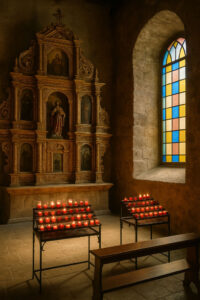 Cavite’s heritage is not just historical; it’s spiritual and emotional for many locals. In places like the Aguinaldo Shrine and Silang’s Our Lady of Candelaria Church, keep voices low, avoid blocking doorways or altar views for photos, and dress with a bit more coverage than your usual road-trip shorts-and-crop-top combo. If you’re unsure, follow what most locals are wearing and lean more conservative than not.
Supporting Small Businesses and Keeping Towns Clean
One of the easiest ways to honor Cavite’s living heritage is to support small shops, eateries, and farms. Buy coffee beans in Amadeo, order an extra dish in a Silang garden café, purchase pasalubong from roadside stalls instead of only malls. On the flip side, take your trash with you if bins are overflowing; don’t leave cups or wrappers on church steps or plaza benches.
Learning Beyond the Selfie
If this Cavite heritage road trip leaves you wanting more context—about the province’s role in national history, its geography, or its tourism programs—official resources like the Cavite page on Wikipedia and the provincial government’s tourism pages at cavite.gov.ph are good next layers. But the richest learning will still come from talking to people: a museum guide in Kawit, a church volunteer in Silang, a coffee farmer or barista in Amadeo.
In the end, what makes a Cavite heritage road trip special isn’t just that it’s close to Manila or that it bundles three great stops into one loop. It’s that you can feel the province’s history under your feet—wooden floors that remember June 12, 1898; stone church steps smoothed by centuries of prayers; soil that has fed coffee trees since the 1800s. Drive gently, linger where it feels right, and carry those small, quiet details home with you. That’s how road trips turn into stories—and how heritage keeps living on, one weekend at a time.