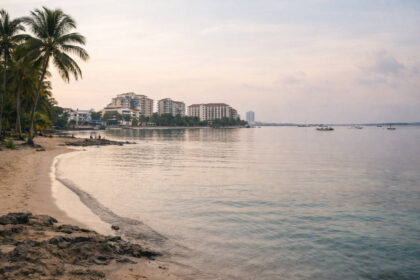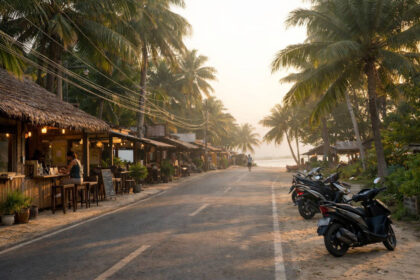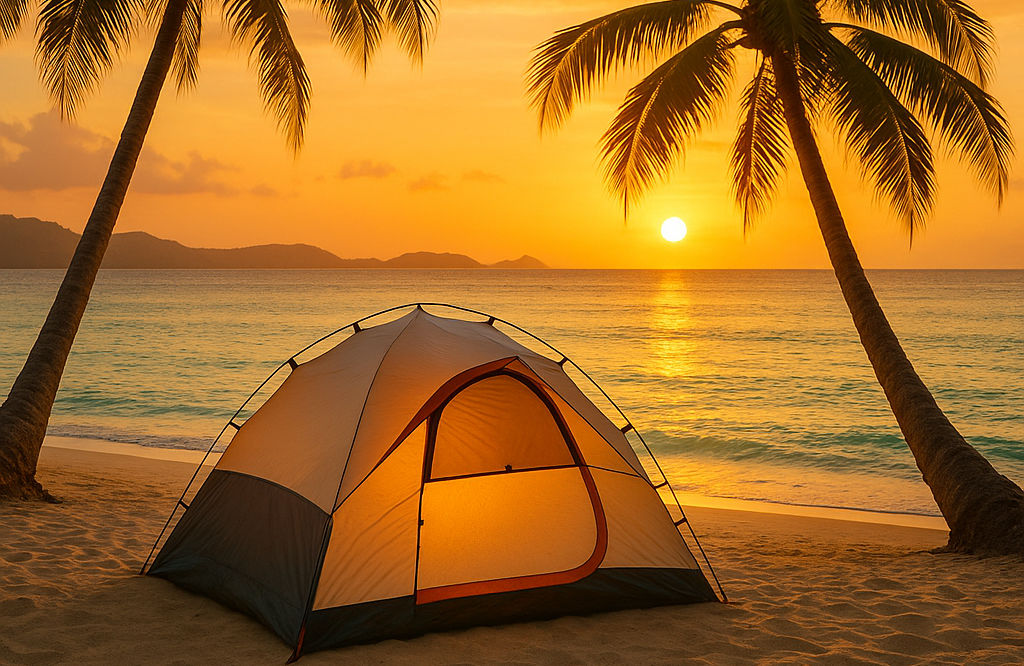
If you’ve been flirting with the idea of camping in the Philippines but feel scared of tents, bugs, or sudden ulan, you’re not alone. A lot of us grew up with barkada outings in resorts or family reunions in rented beach houses, not sleeping on the ground. The good news: your first night of camping doesn’t have to be extreme or hardcore. It can be soft, slow, and surprisingly comfortable—as long as you pick the right spot, bring a few key things, and know what to expect from sunset to sunrise.
Think of camping in the Philippines as a more flexible version of the usual “beach trip” or “Baguio getaway.” You still get your inihaw, your coffee in the morning, your chismis with friends—but this time, your room has fabric walls, your ceiling is the sky, and the soundtrack includes waves, crickets, and maybe a neighbor’s karaoke two coves away. This guide is built for true beginners: people who’ve never slept in a tent, who aren’t sure what car camping or glamping even is, and who just want to try one easy weekend first.
Why Try Camping in the Philippines Even as a Total Beginner
There’s a special kind of magic to waking up outside in the Philippines. The air is heavy with salt or pine, the sky is already bright by 6 a.m., and somewhere a rooster is doing his best alarm-clock impression. You unzip your tent and suddenly you’re staring at Zambales mountains, a glassy lake, or a calm stretch of sea dotted with bangkas. It’s the same country you know—but camping sites in the Philippines let you feel it in a closer, quieter way.
For beginners, the biggest surprise is how doable it can be. Many camping spots in the Philippines now offer comforts like clean CRs, small sari-sari stores or carinderias nearby, tent rentals, even glamping setups with mattresses and fairy lights. You can choose your level of challenge: from basic beach camping in the Philippines with your own gear, to car camping where you sleep in a tent five steps from your trunk, to glamping where the tent is basically a cozy hotel room with canvas walls.
Beyond the Instagram sunsets, Philippines camping also helps you slow down. With weaker signal and fewer distractions, you notice the tiny things: the smell of charcoal while someone grills liempo, the creak of bamboo huts in the breeze, the way kids run around barefoot and muddy, totally free. Even one weekend of camping in the Philippines can reset your brain in a way a mall staycation never will.
What a First Night of Camping in the Philippines Really Feels Like
So, what actually happens from sunset to sunrise on your first trip? Here’s how three different nights might feel—beach, island, and mountain—so you can picture your own first night a bit more clearly.
Luzon beach camp: It’s late afternoon in Zambales, somewhere near Anawangin or Nagsasa Cove. The sand is warm under your tsinelas, and agoho trees cast long shadows over colorful tents. You hear a mix of things—waves rolling in, a group laughing over pusoy dos, the faint echo of karaoke from a small resort further down the shore.
As the sky turns pink-orange, people rush to finish pitching tents, hang their hammocks, and set up tiny camp kitchens: butane stoves, rice cookers powered by extension cords, ihaw grills loaded with hotdogs and liempo. By 9 p.m., it’s dark-dark. You’re suddenly very aware of your flashlight, of how the sand feels cooler under your feet, and of how loud the crickets are. It’s a bit sticky, a bit noisy, but also strangely peaceful when you step away from the crowd to look up at a sky full of stars.
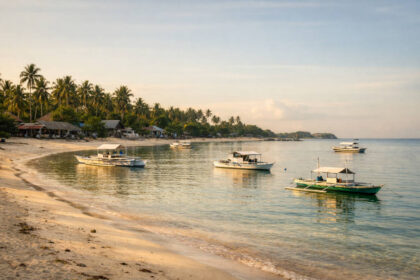
Visayas island camp: Somewhere off Bohol or Cebu, you’re on a small island where a few tents line the shore. After dinner—maybe grilled fish from a local fisherman and rice cooked in a pot—you lie back on the sand and just listen. Gentle waves, the soft splash of a bangka arriving late, someone humming while washing dishes in a plastic palanggana.
The humidity is real, but there’s a breeze. Inside your tent, you sleep on a simple foam or mat. It’s not as soft as your bed at home, but you’re tired in a good way. At dawn, the light comes early and strong. When you unzip the tent, the sea is glassy and calm, and a few boats are already heading out. You make 3-in-1 coffee on a tiny stove or grab brewed coffee from the island canteen if they have one, barefoot, hair still salty.
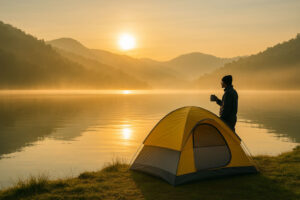 Mindanao mountain or lakeside camp: In Mindanao, picture a cool camp near the highlands—maybe somewhere in Bukidnon or a lakeside spot in South Cotabato. By late afternoon, you’re already in a hoodie. The air smells like grass and woodsmoke, not salt. As night comes, the temperature drops and suddenly that thin blanket you thought was “too much” is your best friend. You hear crickets, the wind through pine or tall grass, maybe a dog barking in a distant barangay. Morning comes with fog hugging the hills and roosters calling from invisible farms. Compared to beach camping in the Philippines, this feels quieter, slower, and surprisingly cozy.
Beach, Mountain, Car Camping, or Glamping?
When you first start planning camping in the Philippines, the biggest decision is not the brand of tent—it’s the style of camping that fits your comfort level. Here’s a simple way to decode the main options so you don’t accidentally book something way too hardcore.
Beach and Island Camping
Beach camping in the Philippines is the classic picture: tent on the sand or under trees, waves as your background noise, salt on your skin 24/7. It’s great for beginners because many popular beaches offer tent rentals, toilets, showers, and food stalls or sari-sari stores. Zambales coves, some Batangas beaches, and many Visayas islands fall into this category. It’s usually warmer at night, so ventilation matters more than thick sleeping bags. Expect sand everywhere (including inside your tent), but also effortless sunrises and long, lazy swims.
Mountains, Car Camping, and Glamping Comfort
Mountain camping and highland spots—like camps near Tanay, parts of Benguet, or around Mt. Pulag’s jump-off villages—are cooler and usually more peaceful. True summit camping at Mt. Pulag is not ideal for absolute beginners, but staying in designated campsite areas or near homestays in the national park zone gives you a taste of the highlands without intense hiking.
Car camping, where you park close to your tent and keep your things in the vehicle, is perfect if you’re nervous about comfort and security. You can do this style of camping near Manila, around Tanay or Batangas, and at some family-friendly camps across the country. Glamping in the Philippines is the softest launch: big canvas or bell tents with proper beds, lighting, and sometimes even air-conditioning or fans. It costs more, but it’s a nice way to try Philippines camping without fully committing to gear just yet.
Beginner-Friendly Luzon Camping Spots
Luzon camping is the easiest starting point if you’re based in or passing through Manila. Travel times are reasonable, there are lots of options for car-free travelers, and many campsites are already used to first-timers who don’t own gear yet.
Zambales Coves and Lake Mapanuepe, Zambales
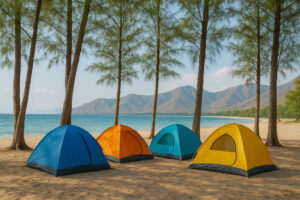 Zambales is almost a rite of passage for people trying camping in the Philippines for the first time. Anawangin and Nagsasa Cove are classics: soft gray sand, agoho trees that feel almost like pine forests, and those dramatic, lahar-formed hills behind the beach. You can ride a bus to San Antonio, hop on a tricycle to Pundaquit, then take a boat to the coves. Many operators can include tent rentals, simple meals, and boat transfers in one package. This makes these camping spots in the Philippines feel less stressful—you’re not thrown into full DIY mode immediately.
Lake Mapanuepe, also in Zambales, offers a different vibe: a tranquil lake framed by mountains and grassy banks, great for car camping or group trips. Nights can be cooler here, and you’ll likely wake up to low-lying mist over the water.
These areas are also a good place to think about quieter escapes. Once you’re comfortable, you can branch out to the lesser-known shores and coves you’ll find in a Zambales travel guide to hidden beaches, combining camping with exploring small coastal barangays.
Easy Car Camping Near Tanay and Batangas
If you want camping near Manila without too much travel time, Tanay, Rizal and parts of Batangas are your best friends. In Tanay, there are many campgrounds along ridges and rivers where you can park close to your tent, watch sea-of-clouds-style views at sunrise, and still have access to basic toilets and showers. A typical scene: groups grilling pork belly, a pot of sinigang bubbling on a portable stove, and someone pouring hot coffee from a battered kettle as fog rolls in.
Batangas coastal camps offer similar car camping convenience but with the sea instead of mountains. For true beginners, this style of camping in the Philippines is ideal: if you forget something, it’s probably in your trunk.
When planning Luzon camping, you can also peek at weekend trip ideas in a broader Luzon or best weekend getaways near Manila guide, then simply swap one resort night for a simple campsite in the same region.
Beginner-Friendly Visayas Camping Spots
Visayas camping often blends easily with island-hopping or beach resort stays. You don’t have to dedicate your whole trip to tents; you can try one or two nights outside then return to a regular room, which makes the idea of camping in the Philippines feel less intimidating.
Island and Coastal Camping Near Bohol or Cebu
Around Bohol and Cebu, there are small islands and coastal barangays where locals offer tent spaces near the shore. Imagine spending the day island-hopping, then instead of sailing back to a busy town, you stay on a quieter island with just a handful of other guests. You swim until sunset, rinse off with a bucket shower or simple tap, then eat grilled fish, rice, and maybe kinilaw prepared by your hosts. These camping sites in the Philippines are usually basic but warm and family-run, perfect if you want to feel looked after rather than left alone in the wild.
Transport is often a mix of public buses, jeepneys, and short bangka rides, so build in some buffer time. A coastal escapes guide to places like Bohol can help you choose good jump-off towns, then you can ask local tour operators or homestays if they offer tent spaces or overnight island trips.
Visayas Beach Glamping for Soft-Starters
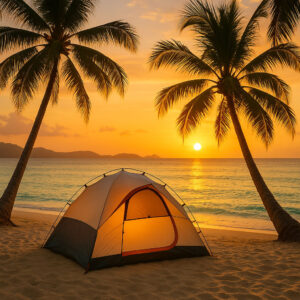 If you like the idea of the sea but not the idea of pitching your own tent, beach glamping in the Philippines is your sweet spot. In parts of Bohol, Cebu, and nearby islands, you can find glamping sites with pre-set tents on platforms, soft bedding, electric fans, and sometimes even private CRs. At night, string lights glow against the palm trees, and you still hear the waves and feel the breeze—but you don’t have to wrestle with poles or worry about leaky seams. This style of Philippines camping costs more than DIY tents but often includes breakfast and other amenities, and it’s a gentle way to test whether you enjoy sleeping under canvas at all.
Beginner-Friendly Mindanao Camping Spots
Mindanao camping often feels quieter and cooler, especially in the highlands. If you’re already planning to visit places like Davao, it’s easy to add one or two nights of tent life to your itinerary without going off the deep end.
Gentle Beach Camps Around Davao and Samal
Near Davao City, Samal Island and nearby coasts have small camps and simple resorts that allow tents. The vibe is peaceful: coconut trees, calm waves, and small sari-sari stores where you can buy extra snacks or sachets of coffee. Many spots offer basic facilities—shared toilets, showers, maybe a covered area in case of rain—and may rent tents if you don’t have your own. It’s a great introduction to camping in the Philippines because you’re not far from a major city yet you still get to sleep close to the sea. Morning comes with soft light on the Davao Gulf, boat engines humming in the distance, and the smell of someone grilling breakfast fish.
If you’re nervous about solo camping, these more established beach camps are also where you’ll likely meet other travelers, families, and groups, so you can feel part of a community rather than alone on a remote shore.
Lakeside and Highland Camps in South Cotabato and Bukidnon
For a cooler Mindanao experience, look toward lakes and highland areas in South Cotabato or Bukidnon. Lakes like Holon or Sebu have designated campsites with guides and porters available, though some require hikes that may be better once you have a bit of camping experience. For absolute beginners, look for easily accessible farms or view deck campsites where you can arrive by vehicle, pitch a tent on a grassy terrace, and enjoy chilly nights under thick blankets. These spots are a beautiful introduction to Mindanao camping: fog clinging to hills, roosters and church bells in the distance, and the smell of brewed coffee mixing with mountain air.
Wherever you base yourself in Mindanao, it’s helpful to read regional travel guides first, then ask local operators which camping spots in the Philippines near them are best for first-timers.
Tropical Camping Gear Made Simple
You don’t need a full outdoor-gear-shop worth of equipment to start camping in the Philippines. Focus on staying dry, cool enough to sleep, and protected from bugs. Many beginner-friendly camps offer rentals, so you can test the lifestyle before investing.
Shelter and Sleeping That Can Handle Heat and Rain
For tents, prioritize ventilation and a proper rainfly. Mesh panels plus windows you can open on opposite sides help air flow during humid nights, but you still want a flysheet that can handle sudden downpours. Look for taped seams and at least 2,000 mm waterproof rating if you plan to camp during the rainy months. For sleeping, a full-on thick sleeping bag is often too hot for camping in the Philippines. Instead, try a thin mat or inflatable pad, plus a compact blanket or sleeping bag liner you can push aside. In the highlands, you may want a slightly warmer layer; on beaches, a light sarong or malong can be enough.
Don’t forget a groundsheet or footprint under your tent to protect from sharp stones and help with water resistance. If you’re just testing the waters, you can often rent tents and foam mattresses at more developed camping sites in the Philippines, especially in popular areas like Zambales, Tanay, or Davao’s nearby beaches.
Light, Food, and Little Comforts That Make a Big Difference
Good lighting turns a stressful night into a cozy one. A small headlamp keeps your hands free for walking to the CR, cooking, or unpacking after dark. A simple rechargeable lantern inside your tent makes it feel like a tiny room. For food, copy what Filipino families already cook: hotdogs, inihaw na liempo, marinated chicken, and lots of rice. Add canned tuna or sardinas for backup, instant noodles for late-night cravings, and maybe some marshmallows for dessert. A compact butane stove and one pot are enough for coffee, noodles, and even simple ulam.
Other tropical camping gear that helps: a microfiber towel, small battery or USB fan for lowland heat, dry bags or heavy-duty plastic bags for clothes and gadgets, and a sarong that can be a blanket, shade, or picnic mat. For bugs, bring mosquito repellent, light long sleeves, and if possible, choose tents with fine mesh. Many people who fall in love with camping in the Philippines say it’s these small comfort items—not fancy gear—that make them excited to go again.
Safety, Etiquette, and Low-Impact Camping
Camping is more fun when you feel prepared. The goal isn’t to scare yourself with worst-case scenarios; it’s to understand Philippine weather, water, and local rules enough to make calm, smart decisions.
Weather, Water, and Choosing a Safe Tent Spot
Before any trip, check the forecast for heavy rain, strong winds, or storms. If a tropical depression is forming or a typhoon is on the way, reschedule. On beaches, never pitch your tent right at the waterline, no matter how pretty it looks for photos. Look for the high-tide mark—often a line of seaweed or shells—and set up well above that, ideally on slightly higher ground under trees. Near rivers or creeks, avoid setting up on dry riverbeds or too close to the water; in heavy rain upstream, water levels can rise faster than you expect. If you’re unsure, ask locals where they usually camp during the rainy season.
In mountains and highland areas, be mindful of landslide-prone slopes and overhanging branches. National parks and protected areas, like those listed in resources on Philippine national parks, often have designated camping areas for a reason: they’re chosen to be safer and lower impact than random clearings you might find on your own.
Wildlife, Community Respect, and Protected Areas
Most wildlife you’ll meet while camping in the Philippines is small: ants, mosquitoes, maybe frogs, friendly dogs, or curious cats. Keep food sealed so dogs and stray cats don’t raid your camp, and never feed wild animals. Wear slippers or shoes when walking at night, and use a light so you can see where you step. In some areas, you might encounter monkeys; keep a distance and avoid leaving food or shiny items unattended.
Respecting local communities is just as important. Keep noise down after around 10 p.m., especially loud music and karaoke. Dress modestly when walking through nearby barangays or using shared facilities. Buy from local sari-sari stores, carinderias, and guides when you can; your camping trip becomes part of the local economy, not just a photo op. In protected areas, follow posted rules about fires, waste disposal, and where you can or can’t camp.
Bring trash bags and pack your basura out with you, even if some camps offer garbage bins. If you want a deeper dive into broader travel safety basics, you can also read a dedicated travel safety in the Philippines guide before your trip.
For sustainability, think “leave no trace, but leave a little good behind.” Pick up a few extra pieces of trash that aren’t yours, support community-run camps, and choose tours or campsites that follow environmental guidelines from the official Department of Tourism and local authorities.
Easy Trip Planning and Sample Itineraries
Now let’s put it all together. Here are simple ways to weave camping in the Philippines into trips you might already be planning, plus a rough sense of costs so you know what you’re getting into.
Weekend Camping Near Manila
For a first-timer based in Manila, a classic plan is a two-day, one-night Luzon camping trip. Leave early Saturday for Tanay or Zambales; arrive before lunch, pitch your tent, and enjoy the afternoon exploring nearby viewpoints or swimming. Night is for simple inihaw, card games, and stargazing. Sunday morning, you wake up with a view, have coffee and rice plus longganisa or tuyo, then slowly pack up and head back to the city by mid-afternoon.
Budget-wise, think roughly: bus or van fares (if you’re not driving), campsite fees per person, optional tent rental if you don’t own one yet, and shared food costs. If you’re traveling on a tight budget, a budget travel in the Philippines guide can help you estimate typical transport and food prices, then you can layer campsite fees on top. Many beginners aim to keep their first weekend under the cost of a mid-range resort stay—and it’s absolutely possible.
Visayas and Mindanao Add-Ons
In the Visayas, you can add one night of island or coastal camping to an existing Bohol or Cebu itinerary. Spend a few nights in a regular beach resort, then head out for a simple overnight on a quieter island where you sleep in tents. This way, even if you don’t love sleeping on a mat, you know you’re heading back to a comfy bed the next day. In Mindanao, you can do something similar from Davao: enjoy the city for a night or two, then hop to Samal Island or a nearby beach camp for one night under canvas, or drive up to a highland campsite for a cooler experience.
For packing, start with what you already use for regular travel, then add a few camping-specific items like a small headlamp, quick-dry towel, and light sleeping mat. If you’re unsure how to pack efficiently, a guide on smart packing tips for travelers is a good place to start, then you can adapt the advice for tents instead of hotel rooms. Over time, as you fall in love with camping in the Philippines, you can fine-tune your bag and maybe upgrade from rentals to your own gear.
Quick Answers for Nervous First-Time Campers
What does the first night actually feel like? A bit sticky, a bit noisy, but also surprisingly cozy. Expect new sounds (waves, roosters, dogs), a firmer sleeping surface than your bed, and lots of fresh air. Many people don’t sleep perfectly on night one, but they wake up happy because the view and feeling of being outside are worth it.
How do I stay comfortable in heat and rain? Choose ventilated tents, bring a small fan if you’re in lowland areas with electricity, and sleep on a mat with a light cover instead of a thick bag. Use a tarp or flysheet to protect from sudden rain, and pack clothes in dry bags. In cooler places like highland Mindanao or Mt. Pulag-adjacent areas, add a hoodie, leggings, and warm socks.
Is it safe? Most beginner-friendly camping sites in the Philippines are used by families, barkadas, and even company outings. Choose legal, managed campsites, check the weather, avoid risky tent spots near rising water, and follow local rules. For extra peace of mind, especially if you’re going solo, join a group trip or go with a campsite that has caretakers or on-site staff. Solo travelers can also find reassurance in broader solo travel and safety guides that focus on the local context.
How much will it cost? A basic weekend of camping near Manila can cost similar or less than one night in a mid-range resort: transport, campsite fees, rental gear if needed, and shared food. In the Visayas and Mindanao, adding one camping night to an existing trip usually just adds campsite and rental costs to what you already planned to spend. Over time, owning your own tent and simple gear makes repeat trips cheaper.
How can I minimize my impact? Camp only where it’s allowed, respect protected national parks, pack out your trash, and keep fires small or use stoves where bans are in place. Support local communities by hiring guides, buying food from nearby stores, and choosing lesser-known escapes—many of which you’ll discover through off-the-beaten-path Philippines escapes instead of viral hotspots.
What do Filipino campers usually cook? Expect rice, grilled meats or fish, hotdogs on sticks, instant noodles, and lots of coffee. If you’re feeling extra, add grilled vegetables, pre-marinated chicken, or even breakfast silog plates on a portable pan. Copying what local families eat when camping in the Philippines keeps things simple, affordable, and familiar.
When you’re ready, you can use all this as a starting point to pick your first campsite—maybe a Zambales cove, a soft glamping tent in the Visayas, or a cool lakeside camp in Mindanao. From there, every trip gets easier: you learn which gear you actually use, which camping spots in the Philippines match your personality, and how you personally like to spend slow mornings outside.
Note for editors: For the featured image, a strong concept would be a simple dome tent pitched on a sandy Philippine beach at golden hour, with palm trees framing the shot and a calm sea glowing in the background. Additional supporting photos could include a cluster of tents beneath agoho trees in Zambales, an island campsite in the Visayas with bangkas in the distance, a misty lakeside or highland camp in Mindanao at sunrise, close-up details of tropical-ready tents and basic camp kitchens, and human moments like someone pouring coffee outside a tent or a family looking up at a bright starry sky.