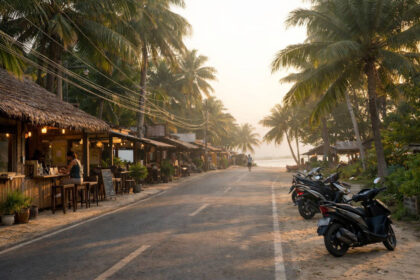
Why This Camarines Sur Travel Guide Is All About Lakes and Countryside
Say “Camarines Sur” and most people think of wakeboarding parks or Caramoan’s island-hopping scenes. Those are great, sure—but there’s another side to this province: still lakes catching the first light, quiet barangay (village) roads lined with rice fields, and trails under Mount Isarog that lead to cold waterfalls and steaming hot springs.
This Camarines Sur travel guide is affectionately biased toward that quieter side. It’s for the traveler who likes nature but doesn’t need to rappel off a cliff to feel alive. The one who wants to wake up by a lake in Buhi, hear tricycles and roosters, sip instant coffee on a balcony, then spend the day moving slowly—walking under trees, dipping into rivers, eating tinola or laing in a roadside carinderia while the afternoon rain passes.
We’ll talk about lakes (Buhi, Bato, Baao), Mount Isarog and its accessible trails, simple accommodations, and countryside dining. The goal is to help you picture how Camarines Sur feels and give you enough structure to plan a 2–4 day trip. When you’re ready to connect this with other stops, you can pair this Camarines Sur travel guide with more detailed travel guides around the Philippines and road trip ideas for other Luzon destinations.
Getting Oriented – Where Camarines Sur’s Lakes and Trails Sit on the Map
 Camarines Sur sits in the Bicol Region in southern Luzon, a few hours’ land travel from Manila. If you look at a simple map or a reference like this Camarines Sur overview, you’ll see Naga City roughly in the middle, with Mount Isarog rising just to the east and major lakes scattered around the province.
Naga City as a Hub
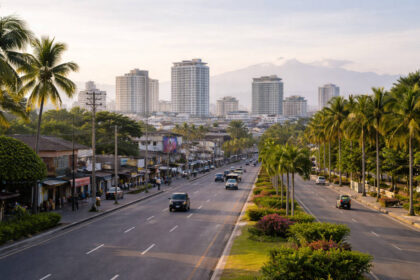
Naga is usually your entry point. Long-distance buses from Manila arrive at terminals here, and some travelers fly into Naga Airport. The city itself has malls, churches, restaurants, and a busy downtown, but you’re never far from the countryside. From Naga, you can reach Mount Isarog’s trails and hot springs, or head out toward the lakes by bus, van, or private car.
In this Camarines Sur travel guide, think of Naga as your “reset” place: comfortable base, more choices for food, and better transport connections. You can stay here and do day trips to the countryside, or use it as a transition between a lakeside town and another Bicol stop, like exploring neighboring Albay and Mayon views.
Lakes and Small Towns
East and south of Naga are the lakes:
- Lake Buhi – Cradled between hills and volcanic slopes, famous for sinarapan (tiny freshwater fish) and quiet lakeside mornings.
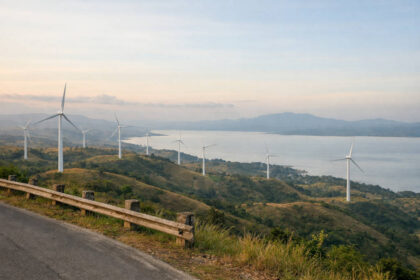
- Lake Bato – Wide and wind-swept, with simple lakeside communities focused on fishing and farming.
- Lake Baao – Smaller and more low-key; a good place for slow drives and short walks along fields and waterside corners.
Between these lakes are rice fields, coconut trees, and barangay roads where kids wave at passing vehicles and carabaos chew lazily in the distance. This is the Camarines Sur countryside this Camarines Sur travel guide keeps pointing you toward.
Lakes of Camarines Sur – Buhi, Bato, and Baao
Together, these three lakes form the core of this Camarines Sur travel guide route: simple mornings by the water, slow roads between towns, and plenty of time to just look and breathe.
Lake Buhi – Sinarapan and Volcano Views
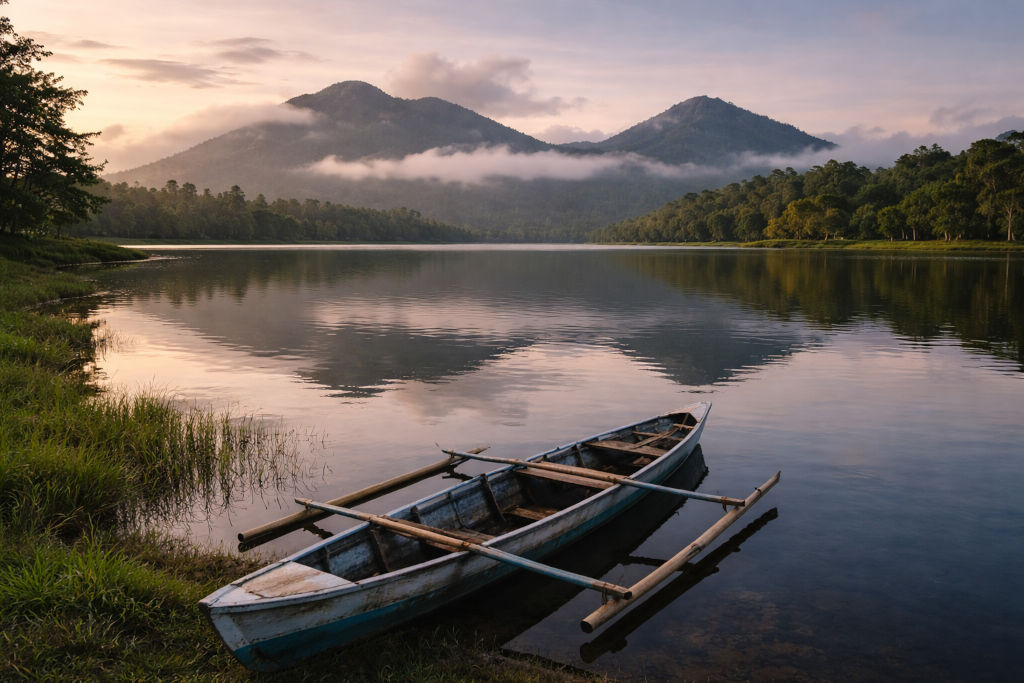
Lake Buhi wakes up before you do. Fisherfolk paddling small wooden banca (outrigger boats) are already on the water as the first light hits the lake’s surface. If you’re staying in town or in a simple lakeside inn, step outside in the early morning and listen: frogs, birds, the soft slap of water against boat hulls, and the distant hum of a radio playing Bicolano songs somewhere onshore.
The lake sits between mountains, with gentle slopes at some edges and more dramatic volcanic shapes at others. On a clear day, you get layers: water, narrow shore, fields, then dark green hills lined with trees. Buhi is known as the home of sinarapan, one of the world’s smallest commercially harvested fish. You probably won’t see the fish individually—they’re tiny—but you might spot them being sold in the palengke or dried in thin sheets.
Experience-wise, Lake Buhi offers:
- Short boat rides with locals (arrange through your accommodation or at the shore, always agreeing on the rate before boarding).
- Lakeside walks near the town proper, watching daily life unfold—kids biking, sari-sari (corner) stores opening, tricycles loading passengers.
- Visits to the Buhi public market to see how the lake’s catch and nearby farms feed the town.
The facilities are basic: simple inns or guesthouses, small eateries, uneven pavements. But that’s the charm—this isn’t a polished tourist lake; it’s a working one.
Lake Bato – Wide, Windy, and Bird-Friendly
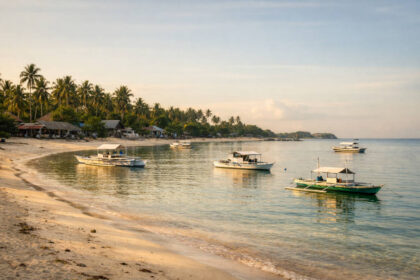
Lake Bato feels more open. The water stretches wide, and on breezy days small waves ruffle the surface. The sky feels larger here, especially in the late afternoon when clouds turn soft and pink. Beside the lake, you’ll see clusters of houses, nets drying, and boats pulled up on the shore.
Travelers come here for:
- Simple lakeside viewing—sit on a concrete ledge or low wall, watch boats and birds, and let the wind mess up your hair.
- Quiet photography; the combination of water, small boats, and fishermen at work makes for gentle, documentary-style shots.
- Possible birdwatching during certain seasons; bring binoculars if that’s your thing.
Lake Bato’s countryside is classic Bicol: rice paddies, coconut groves, and small roads where you might share space with tricycles, motorbikes, and the occasional goat. It’s more about mood than activities—perfect if you like to just be somewhere, not always doing something.
Lake Baao – Fields, Water, and Slower Days
Lake Baao is smaller and often quieter than Buhi and Bato. It’s the kind of place you weave into a longer countryside drive: stop for a few photos, take a short walk along the roadside, buy snacks from a sari-sari store overlooking the water, and watch the world go by.
Here, you’re close to everyday life: people washing clothes at the lake edge, farmers heading to or from the fields, kids using narrow paths as their own playground. If you’re the type who loves scenes rather than “attractions,” Lake Baao will make you happy—no dramatic show, just slow, tahimik (peaceful) countryside.
Mount Isarog and Nearby Nature Walks
East of Naga, Mount Isarog rises like a green giant, its slopes cloaked in forest and clouds. Official references like Visit CamSur will tell you about its national park status; on the ground, it feels like a shoulder of cool air pressed against the lowland heat.
Malabsay Falls and Forest Trails
One of the most accessible “nature walks” around Isarog is the trail to Malabsay Falls and nearby small cascades. Getting there usually involves a drive up a mountain road—concrete in many parts, rough in others—until you reach a trailhead or park entrance. From there, you walk under a canopy of trees, ferns brushing your legs, the soil and rocks damp from frequent rain.
The path is often a mix of dirt, stones, and man-made steps. It’s not a hardcore hike, but you need decent balance and footwear you don’t mind getting muddy. As you go deeper, the air gets cooler and the sound of water grows louder. When you finally reach the falls, the first thing that hits you is the temperature—water so cold your ankles gasp when you step in.
This is a good spot for travelers comfortable with uneven terrain but not necessarily mountaineers. Families with older kids who like walking should be okay; toddlers might need to be carried in some sections. Always check local advice about trail conditions, especially during or after heavy rain.
Hot Springs and Mountain Resorts
On the lower slopes of Mount Isarog are hot-spring areas and small mountain resorts, like those in the Panicuason side. Here, natural warm water is channeled into pools surrounded by trees and simple cottages. The air is cool enough that slipping into a hot pool feels like stepping into a warm hug.
These resorts usually have:
- Concrete or stone pools of varying temperatures.
- Basic changing rooms and restrooms.
- Simple food options or cottage rentals where you can bring your own baon (packed food).
Spend the morning at a waterfall, then the late afternoon soaking in a hot spring with a view of the valley. As dusk falls, you’ll hear insects and see fog start to creep over the hills.
Quiet Roads and Barangay Walks
You don’t always need a “trail” to enjoy nature. Sometimes the best walks are along quiet kalsada (roads) where everyday life flows around you. In the countryside around Naga and the lakes, you can:
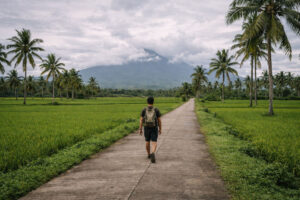
- Walk along cemented barangay roads, with rice fields on both sides and Mount Isarog in the distance.
- Pass sari-sari stores, kids playing basketball, and carabaos grazing near muddy dikes.
- Stop at a small chapel or roadside waiting shed when sudden rain hits—welcome to Bicol weather.
If you’re curious about expanding this into light camping or more nature time, it’s worth reading beginner camping and nature tips in the Philippines for mindset and basic gear ideas, even if you’re sticking to simple lodges for this trip.
Where to Stay – Rural Bases and Simple Comforts
Choosing the right base is what turns this Camarines Sur travel guide from a list of places into a trip you can actually follow on the ground.
Staying in or near Naga for Day Trips
Basing in Naga City is the most convenient option if you like variety and easy transport. You get:
- A range of hotels and guesthouses from budget to more comfortable.
- More food choices—fast food, cafés, local restos, and night spots.
- Better access to buses, jeepneys, and vans for day trips.
The trade-off is city noise and traffic. Nights may include jeepney horns and tricycle engines instead of crickets and frogs, but you’ll find it easier to coordinate day trips to Mount Isarog and nearby lakes without worrying about limited schedules in smaller towns.
Lakeside Town Stays
If waking up to water is your priority, consider staying in or near towns like Buhi or around Lake Bato. Expect:
- Simpler inns, homestays, or small resorts; usually fan or basic aircon rooms.
- Quiet evenings, with few nightlife options beyond sari-sari stores and maybe videoke drifting from a neighbor’s house.
- Limited restaurant options; you might rely on carinderias, small eateries, or pre-ordering meals from your accommodation.
This is where you feel the countryside pace most clearly. Nights are dark, sometimes with clear stars when clouds cooperate, and mornings start early with roosters and motorbikes.
Mountain Lodges and Farm Stays
Near Mount Isarog and in some rural barangay, you may find mountain lodges, farm stays, or simple eco-style accommodations. They can offer:
- Cooler air and sometimes foggy mornings.
- Garden or forest surroundings with short walking paths.
- Farm-to-table or garden-to-table meals using local vegetables and herbs.
Comfort-wise, think basic but charming: bed, private or shared bathroom, sometimes spotty mobile signal and limited Wi-Fi. It’s the kind of place where you accept a slower connection in exchange for watching fireflies or listening to rain on a tin roof.
Countryside Dining – Simple Plates with a View
 Market Meals and Carinderias
In Camarines Sur’s towns, palengke (markets) and carinderias (small eateries) are your best friends. Look for:
- Laing or pinangat: Taro leaves cooked in coconut milk, sometimes with small bits of meat or fish; rich, earthy, and very Bicol.
- Sinigang or tinola: Sour soup or ginger broth with fish or chicken, perfect after a rainy walk.
- Inihaw na isda: Grilled fish seasoned simply with salt and served with calamansi and native vinegar.
- Kakanin: Rice-based snacks like puto, suman, or bibingka, often sold near markets or churches.
A typical carinderia plate with rice and one or two ulam might cost between ₱70 and ₱150, depending on portion and location. It’s the kind of place where the ate behind the counter might say, “Dagdagan ta na lang sabaw mo”—I’ll add more soup for you—just because you look like you came from a long walk.
Lakeside and Roadside Eateries
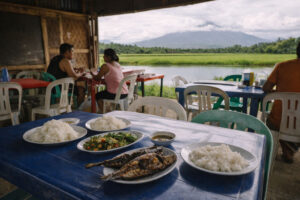
Along the edges of lakes and provincial roads, you’ll find small eateries with plastic tables and monoblock chairs, Coke in glass bottles, and maybe a view of water or fields just beyond a low wall.
Imagine eating grilled tilapia or inihaw na liempo (grilled pork belly) with rice while a light breeze comes off the lake. Kids play nearby; a tricycle pulls up for take-out; someone inside flips the radio from slow ballads to Bicolano pop. There might be a halo-halo stand nearby for dessert—the shaved-ice, milk, and sweet-topping mix that’s perfect after a humid day.
The food isn’t fancy, but the context makes it taste like pure countryside: your clothes still a little damp from a waterfall dip, legs pleasantly tired, and your mind finally slower than your fork.
Farm-to-Table and Garden Cafés
In and around Naga and the foothills of Isarog, you may find small garden cafés or farm-side eateries. They often serve:
- Simple pasta or rice meals using local vegetables.
- Fresh salads or juices made from what’s in season.
- Coffee and merienda you can enjoy under trees or in open-air gazebos.
These are nice options if you want a step up from carinderias while still staying close to nature. They also work well as rest stops on a countryside loop where you’re mixing lakes, barangay roads, and short walks.
Suggested Itineraries – Quiet Days in Camarines Sur
Two-Day Naga and Mount Isarog Nature Break
Day 1 – Isarog trails and hot springs: Arrive in Naga (early bus or flight), check in, then head straight toward Mount Isarog. Spend the morning walking to Malabsay Falls or a similar accessible cascade. Swim if you’re brave enough for cold water; if not, sit on rocks with your feet in the stream. After lunch, move to a hot-spring resort on the lower slopes. Soak until late afternoon, then head back to Naga for dinner and a quiet night.
Day 2 – Countryside drive and lakeside lunch: Rent a car with driver or coordinate with local transport to visit either Lake Buhi or Lake Bato. Do a slow loop: lake viewpoints, short roadside walks, and a lakeside eatery for grilled fish and laing. Return to Naga by late afternoon for pasalubong shopping before your evening bus back to Manila.
Three-Day Lakes and Countryside Loop
Day 1 – Naga to lake town: Arrive in Naga, have lunch in town, then travel to Buhi or near Lake Bato. Check into a lakeside or town guesthouse. Spend the late afternoon walking by the water or through the barangay roads, then dinner in a small eatery.
Day 2 – Lake morning, countryside afternoon: Start with an early boat ride on the lake if possible, or simply sit by the shore watching fishermen. After breakfast, explore nearby roads and fields—short walks, small markets, and spontaneous stops. In the afternoon, travel back toward Naga or another town, stopping by Lake Baao for quick photos and merienda.
Day 3 – Isarog or city wander: Use your last day either for a light Isarog walk plus hot springs or for a laid-back Naga city day—church visits, cafés, markets—before heading out of the province. This kind of loop fits easily into a wider Bicol itinerary that could include exploring neighboring Albay and Mayon views the next leg.
Adding Camarines Sur Countryside to a Longer Bicol Trip
If you’re doing a longer Bicol road trip—maybe coming from Albay or Sorsogon—you can:
- Spend 2–3 nights in Camarines Sur, splitting time between Naga and one lake town.
- Focus on one full day for Mount Isarog (falls + hot springs) and one day for lakes and roads.
- Optionally add a quick Caramoan or beach side trip at the end if you want a mix of countryside and coast.
This slower approach works especially well if your overall travel mindset is more “gentle road trip” than “must see everything.” For more mindset ideas, check out more tips and inspiration for planning gentler trips.
Practical Tips for Lakes, Trails, and Quiet Roads
Getting There and Around
From Manila, you can:
- Take an overnight or early-morning bus to Naga (many companies operate this route).
- Fly into Naga Airport, then take a van or taxi into the city proper.
From Naga to the countryside, options include:
- Public transport: Jeepneys, UV express vans, and buses heading toward Buhi, Bato, Baao, and nearby towns. This is cheaper but slower and less predictable.
- Tricycles: Useful for short hops from town centers to lakeside spots or trailheads; always agree on a fare before riding.
- Private vehicle: Renting a car with driver or joining a small tour makes it easier to combine multiple stops in a day and reach more remote trailheads comfortably.
When to Go and Weather to Expect
Camarines Sur, like much of Bicol, has a marked rainy season. Dry months (roughly December to May) are generally better for clear lake views and safer trail conditions, though March–May can be quite hot in the lowlands. Rainy months bring lush greenery and moody skies, but also muddy paths, slippery rocks, and occasional road issues.
Heat and humidity near the lakes can be strong midday; early mornings and late afternoons are more comfortable for walks. On Mount Isarog’s slopes, the air is cooler, especially near waterfalls and hot springs, but sudden showers are common—pack a light rain jacket or umbrella even on days that start sunny.
What to Pack for Camarines Sur Countryside Days
Essentials include:
- Light but sturdy footwear (sneakers or sandals with good grip) for mixed roads and trails.
- A small backpack for water, snacks, and a towel if you plan to swim.
- Sun protection: hat, sunscreen, sunglasses.
- Rain gear: foldable umbrella or lightweight rain jacket.
- Simple first-aid kit: band-aids, basic meds, antiseptic wipes.
- Cash in small bills for jeepneys, tricycles, carinderias, and market snacks; card terminals may be rare outside Naga.
If you’re considering more nature time or very simple stays, browsing beginner camping and nature tips in the Philippines can help you decide what extra comforts to bring so things feel rustic, not stressful.
Camarines Sur Travel Guide FAQs
Is Camarines Sur a good choice if I am not into wakeboarding or island hopping?
Yes. This Camarines Sur travel guide is built exactly for that scenario. With lakes like Buhi, Bato, and Baao, plus Mount Isarog’s trails and hot springs, you can easily fill a few days with nature walks, quiet roads, and simple countryside meals without ever stepping on a wakeboard.
How many days do I need to enjoy lakes and nature walks without rushing?
Two full days is enough for a taste—one for Mount Isarog and hot springs, one for a lake and countryside loop. Three to four days let you slow down properly: one or two nights in Naga, one or two nights in a lake town, and more time to linger in carinderias, markets, and small barangay roads.
Are the trails around Mount Isarog and the lakes suitable for beginners or families?
Many are beginner-friendly, especially the more popular paths to falls and hot springs, as long as you’re okay with some stairs, mud, and uneven ground. They’re not paved city parks, but you don’t need technical hiking skills either. Families with older kids tend to do well; just take it slow, wear decent footwear, and avoid heavy rain days.
Do I need a private vehicle to explore the countryside, or can I rely on public transport and tricycles?
You can rely on public transport and tricycles for a simple version of this trip, especially if you focus on one lake plus Isarog. But if you want to combine multiple lakes, smaller roads, and timed stops in just a few days, a private vehicle or hired driver makes life easier. It’s a trade-off: more flexibility and comfort versus higher cost.
What kind of budgets should I set aside for basic accommodation, meals, and simple activities in the countryside?
Basic rooms in towns or simple lodges might start around ₱800–₱1,500 per night, midrange options in or near Naga around ₱1,500–₃,000+. Carinderia meals often land between ₱70 and ₱150 per plate, with slightly higher prices in more polished cafés or garden restos. Entrance fees to falls or hot springs are usually modest. Overall, Camarines Sur countryside days can be quite affordable, especially if you’re already used to budget travel in the Philippines.
Is it easy to combine this quiet countryside focus with a visit to Caramoan or Naga City’s churches, if I want a bit of everything?
Yes. You can spend a couple of days following this lakes-and-trails plan, then add a Caramoan side trip or a day in Naga exploring churches, plazas, and food spots. The key is not to squeeze too much travel into too few days; give yourself enough time to actually feel the lakes, trails, and quiet roads instead of just ticking them off.
In the end, this Camarines Sur travel guide is an invitation to move a little slower. To sit on a lakeshore banca and watch ripples instead of waves, to feel ferns brush your legs on a forest path, to eat tinola while the rain drums on a countryside roof. If that sounds like your kind of adventure, Bicol’s quiet side is ready whenever you are.