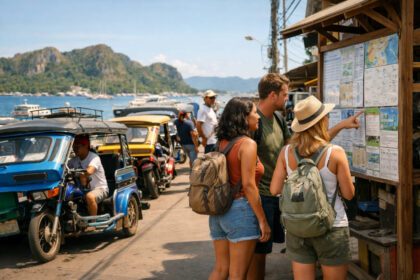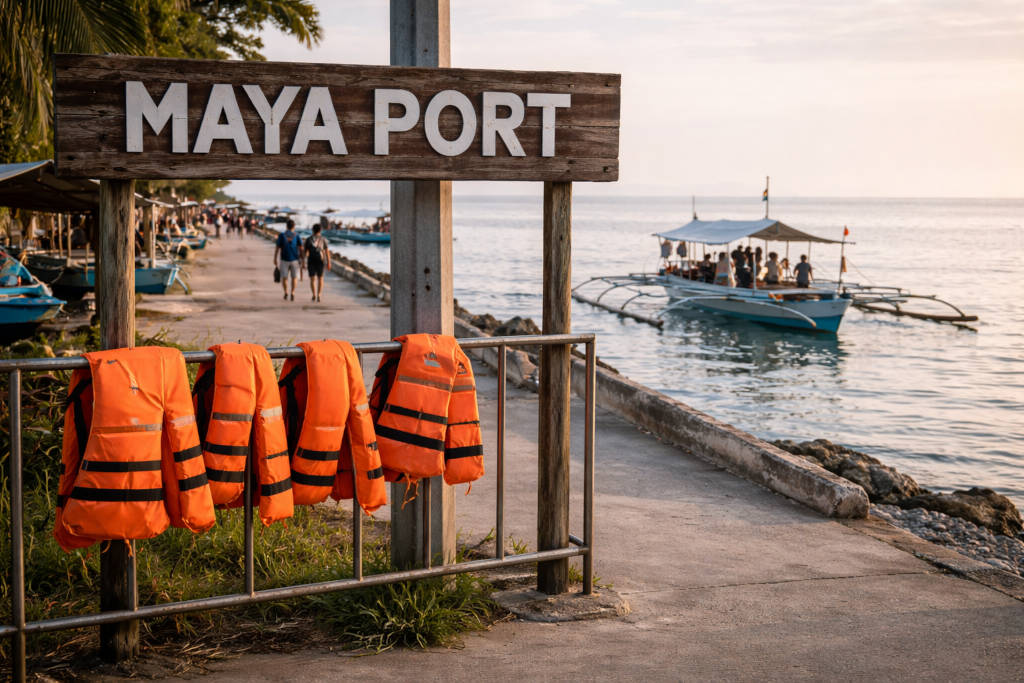
Getting from Cagayan de Oro to Malapascua is very doable, but it is not a single straight ride. The key is to plan the Cagayan de Oro to Malapascua route as three main legs: (1) Cagayan de Oro area to Cebu, (2) Cebu City to Maya Port in northern Cebu, then (3) a short banca (also called a pump boat, a small outrigger boat) crossing to Malapascua. This guide explains the best realistic options, who each suits, where to buy tickets, what to screenshot, and how to build buffers so delays do not ruin the trip.
This Cagayan de Oro to Malapascua plan changes based on weather, sea conditions, and schedules that can shift. Treat the steps below as a planning template, then confirm timing close to your travel date using official sources. For a solid planning mindset (buffers, Plan B days, and realistic pacing), read the Philippines travel planning guide for first-timers.
In this article, the focus keyword cagayan de oro to malapascua refers to the full door-to-door trip, not just the Cebu portion.
Quick Answer: Cagayan de Oro to Malapascua Lowest-Stress Route
Default plan for most travelers: fly to Cebu, then go north to Maya, then boat (Cagayan de Oro to Malapascua)
The lowest-stress route for most people is: Fly from Laguindingan Airport (CGY) to Cebu (CEB), then travel overland to Maya Port (by bus or van/v-hire), then take the boat to Malapascua. For most first-timers, this Cagayan de Oro to Malapascua route is the simplest to control with buffers.
Why the Cagayan de Oro to Malapascua route above is usually the most predictable
Flights reduce the “unknown hours” that come with overnight sea travel and port delays. Once you are in Cebu, the steps are straightforward: get to Cebu North Bus Terminal, ride north to Maya, then cross by banca. It still takes time, but the Cagayan de Oro to Malapascua plan is easier to manage when each leg has slack.
Reality check: The final boat crossing can stop due to rough seas. The lowest-stress Cagayan de Oro to Malapascua route is not the “fastest on paper.” It is the route that gives you the best chance of arriving with fewer surprises.
Before You Commit: Cagayan de Oro to Malapascua Route Realities
Malapascua is reached via Maya Port, not a big airport or direct ferry (Cagayan de Oro to Malapascua)
Malapascua is a small island off the northern tip of Cebu. You reach it by going to Maya Port (in Daanbantayan area), then taking a short banca/pump boat crossing. There is no direct airport on Malapascua and no single-ticket “all the way” transfer from Cagayan de Oro, which is why the Cagayan de Oro to Malapascua route must be planned in legs.
The last leg is a small boat, and weather can stop it
The banca crossing is short, but it depends on sea conditions. Rough seas, strong winds, or certain weather warnings can pause or cancel boat operations. This is why the Cagayan de Oro to Malapascua plan needs a buffer (and why arriving late in Maya can create an overnight risk).
Late arrivals create an overnight risk in Cebu City or near Maya
If you reach Cebu late in the day, you may not have enough time to reach Maya before it is too late or before boats stop operating. If you reach Maya late and boats are not running, you may need to sleep nearby and continue the Cagayan de Oro to Malapascua transfer the next day.
Schedules and fees can change
Airline schedules, ferry sailings, bus departures, and port fees can change with limited notice. Plan with this in mind: confirm schedules close to departure, keep screenshots of bookings, and avoid tight same-day connections when possible on your Cagayan de Oro to Malapascua trip.
Reality check: The biggest stress usually comes from trying to “perfectly connect” every leg. Build at least one meaningful buffer into the Cagayan de Oro to Malapascua route.
Option 1: Cagayan de Oro to Malapascua via Flight to Cebu + Overland + Boat
Door-to-door time estimate for Cagayan de Oro to Malapascua (with real buffers)
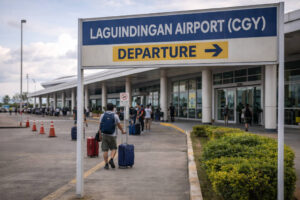 A realistic door-to-door estimate for this Cagayan de Oro to Malapascua option is often 10 to 14 hours, depending on flight time, arrival delays, and how smoothly you connect to the Cebu-to-Maya land transfer.
- Cagayan de Oro city to Laguindingan Airport: often 1 to 2 hours, depending on pickup point and traffic.
- Airport buffer and check-in: arrive 2 hours before the flight (more if you are unfamiliar with the airport or traveling during peak days).
- Flight time CGY to Cebu: usually around 1 to 1.5 hours (confirm your exact flight schedule).
- Arrival friction in Cebu: 45 to 90 minutes for taxiing, baggage claim, restroom, ATM/SIM, and meeting your ride.
- Transfer to Cebu North Bus Terminal or your departure point: often 30 to 75 minutes, depending on traffic and time of day.
- Cebu City to Maya by land: often 4.5 to 6.5 hours, depending on bus type, traffic, and stops.
- Waiting at Maya Port + registration + boarding: often 30 to 90 minutes.
- Boat crossing to Malapascua: commonly under 1 hour, but the total time depends on boarding flow and sea conditions.
- Arrival on Malapascua to accommodation: usually a short transfer, but factor time for walking or local transport depending on where your lodging is located.
Low-stress takeaway: The “make or break” for the Cagayan de Oro to Malapascua route is arriving in Cebu early enough to comfortably reach Maya before evening. If your flight lands late afternoon, strongly consider the two-day split timing template later in this Cagayan de Oro to Malapascua guide.
What to book ahead vs what you can decide on the day (Cagayan de Oro to Malapascua)
Book ahead (recommended):
- Flight ticket (prefer the airline’s official website/app when possible).
- First night in Cebu City if you plan a two-day split (recommended for low stress on the Cagayan de Oro to Malapascua transfer).
- Your first night in Malapascua (important for registration and for peace of mind).
- Airport transfer if arriving late or if you want a predictable pickup.
Decide on the day (often fine):
- Whether to take a bus or van/v-hire from Cebu to Maya (based on energy and schedule).
- Exact departure time to Maya (based on how your flight arrival goes).
- Which boat departure you catch (based on sea condition and port flow).
Luggage notes for the Cagayan de Oro to Malapascua route: keep essentials accessible and protect electronics
Pack for the boat leg like a mini-transfer day. Keep essentials in a small bag that stays with you: phone, wallet, IDs, booking screenshots, any medication, and one dry layer. Bring a dry bag or waterproof pouch for electronics. Boat spray can happen, especially in windy conditions. Avoid placing electronics in outer pockets without protection.
Reality check: The Cebu-to-Maya land ride plus boat can feel long if you arrive already tired. A calmer Cagayan de Oro to Malapascua plan is often worth more than saving a few hours.
Option 2: Cagayan de Oro to Malapascua via Overnight Ferry to Cebu + Continue North
Who this Cagayan de Oro to Malapascua ferry option suits
This option can suit travelers who:
- Want a budget option compared to flights (especially if airfare is high on your dates).
- Prefer one overnight block (sleeping while you travel).
- Are carrying more baggage and prefer not to deal with airline baggage rules.
It is also useful if flight schedules do not match your preferred timing for the Cagayan de Oro to Malapascua transfer.
What to expect at the port (check-in, ID, waiting)
Expect port steps similar to airports but less standardized: you will typically check in earlier than departure, present an ID, and wait in the terminal until boarding. Seating and waiting conditions vary, so bring water, snacks, and power.
Keep your valuables and essentials with you. If you booked a cabin/berth, confirm the accommodation class and what is included (bedding policy varies by operator and ship).
Verify sailing days and last-minute changes using official operator pages
Do not rely on old blog posts or screenshots from months ago. Sailing days and times can change. Check the official schedule close to your date. A commonly used reference for scheduling is Trans-Asia Shipping schedule. If you book through any channel, confirm your departure pier/terminal details and keep a screenshot of the final confirmation for your Cagayan de Oro to Malapascua trip.
Door-to-door time estimate for Cagayan de Oro to Malapascua (with real friction included)
A realistic door-to-door estimate is often 16 to 22 hours, depending on sailing time, port processes, and how quickly you can transition to the Cebu-to-Maya leg.
- Cagayan de Oro city to the port: usually 30 to 75 minutes depending on location and traffic.
- Port check-in and waiting: often 1.5 to 3 hours total (arrive earlier than you think).
- Overnight sailing: varies by operator and schedule; confirm close to your date.
- Arrival and disembarkation in Cebu: often 45 to 90 minutes.
- Transfer to Cebu North Bus Terminal + northbound travel: similar to Option 1, with the added challenge that you may arrive early morning and need to align with your bus/van timing.
If you want more context on sea travel logistics and what typically causes delays, you can also use the Philippines ferry travel guide as a planning reference.
Reality check: An overnight ferry can feel “efficient” because you sleep while moving, but it still demands energy at both ports. Plan a recovery buffer if you are continuing the Cagayan de Oro to Malapascua transfer to Maya immediately after arrival.
Cebu Arrival: Cagayan de Oro to Malapascua Continuation to Maya Port
Where you start in Cebu and what “transfer friction” looks like (Cagayan de Oro to Malapascua)
 Your starting point in Cebu depends on your arrival mode:
- If you fly: you start at Cebu airport, then travel into Cebu City or directly to Cebu North Bus Terminal.
- If you arrive by ferry: you start near the Cebu City pier/terminal area, then transfer to Cebu North Bus Terminal.
Transfer friction usually comes from (1) waiting for a ride, (2) traffic into the city, and (3) finding the correct terminal bay or departure lane. Build buffer time, especially if arriving during rush hours on your Cagayan de Oro to Malapascua route.
Public bus vs van/v-hire (define terms, then compare)
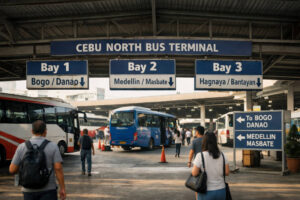 Bus: A large public bus from Cebu North Bus Terminal to Maya. It is usually the most predictable in terms of “official route,” and it tends to have more space for baggage. It can be slower due to stops.
Van/v-hire: “V-hire” means van-for-hire. In practice, it is usually a shared van with a fixed route and a per-seat payment. It can be faster if it leaves quickly and makes fewer stops, but comfort can be tighter, and departure timing can depend on filling seats.
Low-stress choice: If you want predictability and baggage space, the bus often feels calmer. If you value speed and your baggage is manageable, a v-hire can work, but accept that timing can be less certain on the Cagayan de Oro to Malapascua transfer.
Where delays usually happen on the Cebu-to-Maya leg
- Waiting for enough passengers (common for vans).
- Terminal confusion (finding the right bay, especially when tired).
- Road traffic leaving Cebu City.
- Multiple stops (more common on buses).
- Meal/comfort stops that stretch the timeline.
Practical tip for the Cagayan de Oro to Malapascua route: aim to reach Maya earlier than you think
Even if the map looks straightforward, plan as if Cebu-to-Maya will take longer than you hope. If your goal is to reach Malapascua the same day, target arriving in Maya by mid-afternoon when possible. That gives you room for wharf steps, waiting time, and sea-condition changes.
If you are unfamiliar with local terminal systems, this Philippines public transport guide (bus/jeepney/ferry) will help you understand the basic flow and what to expect at terminals.
Maya Port Step-by-Step for Cagayan de Oro to Malapascua: Fees, Checks, and Boarding
Step 1: arrive, find the correct window, and stay calm
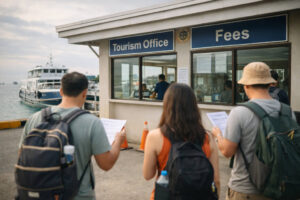 Maya Port can feel busy, especially during peak travel days. The low-stress approach on the Cagayan de Oro to Malapascua route is to move step by step: locate the tourism office/registration area first, then confirm where to pay fees, then proceed to boat ticketing and boarding.
Step 2: register and present your lodging confirmation
Expect to register for Malapascua entry, and be ready to show your accommodation booking confirmation. Even if it is not always requested, having it ready reduces delays. Keep a screenshot available offline in case signal is weak during your Cagayan de Oro to Malapascua trip.
Step 3: pay environmental/tourism fees and keep the receipt
Environmental and tourism-related fees may apply at the port, and they can differ by guest type (for example, Filipino/local vs foreign visitors). There may also be exemptions or discounts for certain groups (often including seniors and persons with disability, and sometimes students or children, depending on policy). Use the official Daanbantayan Tourism Office PDF as your reference point and confirm current rates close to your date: Daanbantayan Tourism Office fee guidelines (PDF).
After payment, keep the receipt/stub and any ticket. Store them in an easy-to-access pocket, not buried in your main bag.
Step 4: buy the boat ticket and board the banca/pump boat
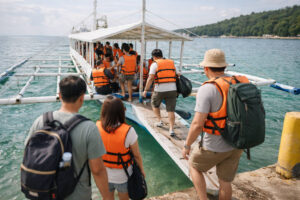 The final crossing is typically by banca/pump boat (a small outrigger boat used for short sea crossings). Boarding may involve stepping across wet areas or narrow platforms. Wear footwear that can handle water and grip (not slippery fashion sandals). Keep electronics protected and keep your small bag close.
Reality check: Even with perfect planning, the boat schedule can pause due to sea conditions. Arriving earlier gives your Cagayan de Oro to Malapascua route options that late arrivals do not.
What to Screenshot/Save for Cagayan de Oro to Malapascua (Specific Checklist You Can Copy)
Flights
- Itinerary with date/time and passenger name (screenshot).
- Booking reference (PNR) and airline confirmation page (screenshot).
- Baggage allowance and add-ons (screenshot).
- Payment receipt (screenshot or PDF).
Ferry (if using Option 2)
- Booking confirmation (screenshot or PDF).
- Vessel name and departure pier/terminal (screenshot).
- Accommodation class (seat/berth/cabin) (screenshot).
- QR code or reference number, if provided (screenshot).
IDs and emergency info
- A clear photo of your ID/passport stored offline (not only in chat apps).
- Emergency contacts written in Notes and saved as a screenshot.
- Any medical info that matters (allergies, meds), saved offline.
Lodging (important for Malapascua registration)
- Malapascua accommodation booking confirmation (screenshot + PDF if possible).
- Property address and contact number saved in your phone contacts.
Offline backup setup (small habits that prevent stress)
- Save everything in a dedicated album named “Malapascua Trip.”
- Download PDFs, do not rely on loading emails online.
- Power bank charged and cable ready in your day bag.
Cost and Comfort Guide for Cagayan de Oro to Malapascua (Use Ranges, Not Exact Fares)
What drives price changes on this route
Costs change based on season, promos, seat/cabin class, and whether you use shared vs private transfers. A “cheap” plan can become expensive if you miss a connection and need an unplanned overnight stay. The low-stress approach for the Cagayan de Oro to Malapascua route is to budget for buffers.
Typical cost buckets (planning ranges)
- CGY to Cebu by flight: ranges widely by promo timing and baggage. Prices rise near holidays and weekends, and checked baggage can add cost.
- Cagayan de Oro to Cebu by overnight ferry: varies by accommodation class (basic seat vs berth vs cabin). Cabins cost more but can reduce fatigue.
- Cebu to Maya by bus: usually the most budget-friendly overland option, but slower due to stops.
- Cebu to Maya by v-hire: typically higher per person than the bus, sometimes faster, but depends on filling and traffic.
- Maya Port fees: environmental/tourism fees may apply; rates can differ by guest type and can change (verify via the official PDF).
- Maya to Malapascua boat: a separate ticket/fee for the banca crossing; expect weather-related changes.
Comfort tradeoffs to decide early
If you want comfort, spend it on the parts that reduce stress the most: reliable arrival timing in Cebu (flight vs uncertain sailing), a predictable overnight in Cebu City, and safe packing for the boat leg. If you want budget, accept longer waits and earlier starts on the Cagayan de Oro to Malapascua transfer.
Low-Stress Timing Templates for Cagayan de Oro to Malapascua (Fit Into a Cebu Itinerary)
Template A: One-day push (only with an early arrival)
Who this suits: travelers who land in Cebu early enough to travel north immediately, with good energy and a flexible mindset.
- Early morning: depart Cagayan de Oro (airport transfer + flight, or overnight ferry arrival).
- Late morning to midday: arrive Cebu, transfer to Cebu North Bus Terminal.
- Midday to afternoon: travel Cebu City to Maya by bus/van.
- Afternoon: register, pay fees, and cross by banca to Malapascua.
Main risk: delays can push you into a late Maya arrival, which increases the chance of needing an overnight near the port during the Cagayan de Oro to Malapascua route.
Template B: Two-day split (recommended): overnight Cebu City, then go north early
Who this suits: most travelers, especially first-timers, families, and anyone who wants predictable timing.
- Day 1: travel from Cagayan de Oro to Cebu, check in to a Cebu City hotel, eat, and sleep early.
- Day 2: early departure to Cebu North Bus Terminal, ride north to Maya, then cross to Malapascua by banca.
Why it reduces missed-boat risk: you remove the pressure to connect from a flight/ferry arrival straight into a long northbound ride. You also protect yourself from late-day traffic and port lines on the Cagayan de Oro to Malapascua transfer.
Buffer choice if weather looks unstable
If forecasts show strong winds or rough seas, treat the two-day split as the default and add one more buffer: aim to reach Maya earlier, and be open to an overnight near Maya if boats pause. Message your Malapascua accommodation early so they know you may arrive the next day if crossings stop on your Cagayan de Oro to Malapascua route.
Reality check: The “best itinerary” is the one that still works when the sea says no.
Backup Plan for Cagayan de Oro to Malapascua Delays and Cancellations
If your flight is delayed and you arrive late in Cebu
Do not rush into a risky same-day push if arrival timing is tight. Choose the calm option: sleep in Cebu City, then travel to Maya early the next day. If you already prebooked transport to Maya, contact the provider as soon as you know your delay. If you have Malapascua lodging, message them with a realistic updated ETA for your Cagayan de Oro to Malapascua trip.
If the ferry is delayed
Ferry delays can compress your Cebu-to-Maya window. If you arrive in Cebu later than planned, prioritize food, rest, and a safe overnight plan instead of forcing a long northbound ride while tired. The next morning departure is often the lower-stress move for the Cagayan de Oro to Malapascua route.
If boats are not operating due to rough seas
This is the most important backup scenario for Malapascua. If banca crossings pause:
- Stay calm and avoid “panic buying” expensive last-minute transfers.
- Ask the tourism office or official staff for guidance on when operations may resume (no one can guarantee exact timing).
- Choose where to sleep based on your energy: Cebu City (more choices) vs near Maya (shorter next-day push to the boat).
- Contact your Malapascua accommodation to adjust check-in and avoid no-show confusion.
How to avoid getting pressured into overpriced last-minute deals
When plans break, pressure selling increases at terminals: “special price if you pay now,” “last slot,” or “we will handle everything.” The low-stress move is to step aside, compare options, and only pay once the full route and total cost are clear. If you need to move quickly, prioritize official counters, clear receipts, and written confirmations during the Cagayan de Oro to Malapascua transfer.
Safety and Scam-Avoidance Notes for Cagayan de Oro to Malapascua
Use official booking channels when possible
For flights, use airline official websites/apps when you can. For ferries, confirm sailing details using official operator pages and keep proof of booking. At terminals, use official ticket counters and request receipts on your Cagayan de Oro to Malapascua route.
Be cautious of “pay now” offers at ports and terminals
Not every offer is a scam, but urgency is a common pressure tool. If someone refuses to state the full route and all-in cost, or if they rush you to pay “right now,” treat it as a red flag. Step away and reassess.
Keep valuables accessible and do not hand over your phone
Keep your phone, wallet, and IDs in your own bag and within reach. Do not hand your phone to strangers for “help with booking.” If you need help, ask official staff, your accommodation, or a known transport desk.
If something feels wrong, pause and reset
Move to a more public area, re-check your screenshots, and confirm details before paying. For broader safety habits that apply across the Philippines, use this travel safety guide for the Philippines.
Reality check: Most trips go fine. The goal of these tips is not fear. It is to prevent confusion and avoidable stress on a multi-leg Cagayan de Oro to Malapascua route.
Cagayan de Oro to Malapascua is Easier With Buffers and Proof
The easiest way to make the Cagayan de Oro to Malapascua route feel manageable is to plan it like a chain: each leg has its own timing, its own ticket, and its own friction. If you protect the Cebu-to-Maya-to-boat timing with buffers, the trip becomes much smoother. Save confirmations offline, keep essentials in a small bag for the boat, and choose the two-day split when timing or weather looks uncertain.
If you want more practical, planning-first guides like this, browse Tips and inspiration guides.