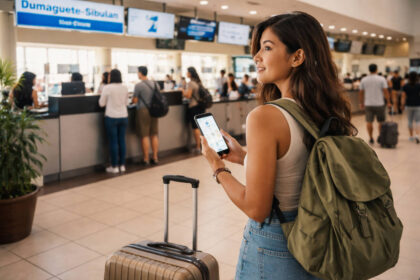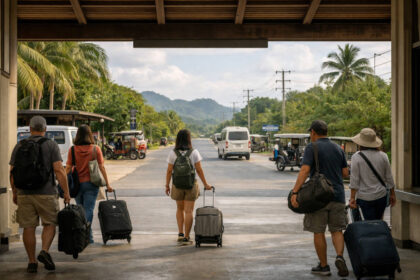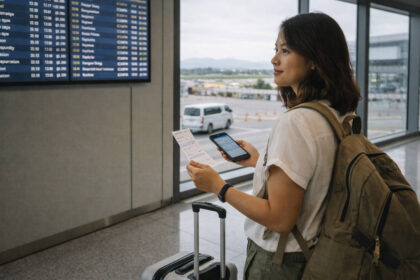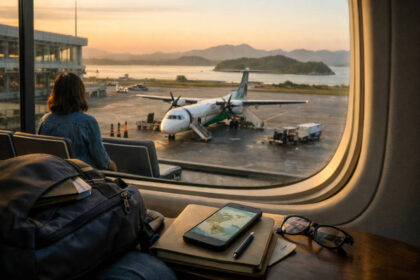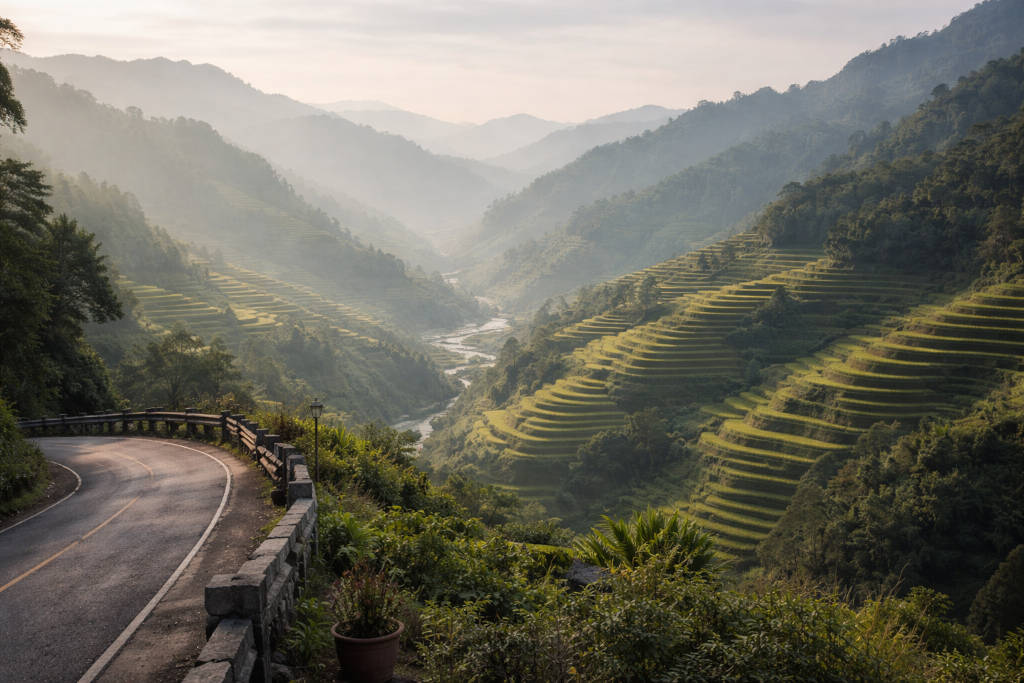
Planning Cagayan de Oro To Banaue looks simple on a map, but the real challenge is the in-between: airport transfers, terminal cut-offs, traffic windows in Manila, and whether your overnight bus seats are still available when you arrive. This guide lays out three workable routes (flight-led, Cauayan shortcut, and ferry-led) with realistic door-to-door ranges, cost expectations, and the small “save-this-now” steps that prevent last-minute stress. If you like this planning format for long transfers, you can also check Cagayan de Oro To Malapascua Low-Stress Options for a similar decision style.
At-a-Glance
Best time window: Dry months (generally November to May) are easier for mountain roads; rainy days can slow the Cordillera stretch and increase landslide risk. Realistic travel time: 16–28 hours for the common fly + bus flow, depending on Manila traffic and bus availability. Budget band: About PHP 2,800–8,500+ per person (biggest swing: flight pricing, baggage, and whether you need a Manila buffer night). Crowd and traffic risk: High around holidays, long weekends, and peak flight hours. Rain and heat backup: Build a buffer night in Manila if the forecast is unstable or if your flight arrives late afternoon/evening.
Reality Check: Even “one-ticket” flight plans still involve multiple queues. Your calmest plan is the one with extra time for Manila traffic and a clear fallback if the overnight bus is missed.
Quick decision guide: Choose your route based on budget, stress level, and time
Start by choosing what you want to protect: sleep, money, or arrival speed. For first-time planners, it also helps to review Philippines Travel Planning Guide For First Trip before you lock bookings and connections.
If you want the least stress
Pick the flight to Manila (via Laguindingan International Airport) and treat the overnight bus as a next-day departure. That usually means sleeping in Manila near your bus terminal area, then boarding with a clear head and no sprinting between terminals.
Reality Check: “Same-night bus” sounds efficient, but it becomes fragile if your flight lands late, baggage takes long, or traffic spikes.
If you want the lowest cost
Consider the ferry approach (Cagayan de Oro to Manila via 2GO Travel) plus bus to Banaue. It’s slower, but you may spend less during expensive flight periods—especially if you can rest in a cabin and avoid multiple add-on fees.
Reality Check: The cheapest option often costs you time and energy. Budget for meals, water, and a recovery night if you arrive drained.
If you want the fastest arrival
If schedules line up, flying toward Cauayan Airport and continuing by van or bus can reduce total hours—especially if you can avoid a long Manila transfer. This works best for travelers with flexible budgets and a willingness to confirm ground transport in advance.
Reality Check: Limited flights mean limited “plan B” if something shifts. Your speed depends on how quickly you can secure onward transport after landing.
Option 1 (Most practical for most people): Fly Laguindingan International Airport to Manila + overnight bus to Banaue
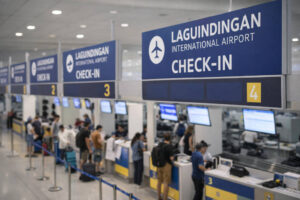 This is the most common planning route for Cagayan de Oro To Banaue because it gives you frequent flight choices to Ninoy Aquino International Airport and multiple bus departures to the Cordillera. Your stress level mostly depends on how you schedule the Manila transfer.
Step-by-step flow (with realistic buffers)
- Cagayan de Oro City to Laguindingan International Airport: Allow 45–120 minutes depending on pickup point and traffic, plus time to find your exact drop-off area. If you’re traveling early morning, add a small buffer for fewer transport options.
- Airport check-in and security: Arrive 2 hours early for domestic flights as a practical baseline (more if you’re checking a big bag, traveling on peak dates, or expecting longer lines).
- Flight to Manila: Flight time is only part of the story. Add time for boarding, delays, and arrival flow.
- Arrival buffer at Ninoy Aquino International Airport: Plan 30–60 minutes for deplaning plus baggage claim (sometimes faster, sometimes not). If you have a tight connection, this is where plans quietly break.
- Airport to bus terminal transfer: This is the variable piece. Manila traffic can turn a “quick ride” into a long crawl. Depending on where your bus departs, plan 45–180 minutes.
- Overnight bus to Banaue: Common travel time is roughly 9–12+ hours, depending on stops, road conditions, and weather. Mountain road slowdowns are normal.
- Arrival in Banaue: Add time to orient yourself, find local transport, and settle in—especially if you arrive early morning when some services are still waking up.
Reality Check: If your flight lands after late afternoon, treat “same-night overnight bus” as a riskier connection unless you have a clear, rehearsed route to the terminal and you’re comfortable moving fast with luggage.
Door-to-door time range you can actually plan around
A workable planning range for this route is 16–28 hours door-to-door, depending on (1) how early you leave for Laguindingan International Airport, (2) flight timing and delays, (3) baggage claim speed, (4) Manila traffic, and (5) bus departure availability. If you include a Manila buffer night (often the calmer choice), that adds time but reduces the chance of a missed bus.
Cost range and what drives the price
Expect a wide band, roughly PHP 2,800–8,500+ per person, built from these parts:
- Airport transfer (Cagayan de Oro City ↔ Laguindingan International Airport): varies by mode and time of day.
- Flight to Manila: biggest price swing. Promo fares, peak dates (holidays, school breaks), and last-minute bookings matter most.
- Baggage add-ons: many low base fares become expensive if you add checked baggage late. Prepaying online is often cheaper than paying at the airport.
- Manila transfer: rides can cost more during peak hours or if you choose a more direct option for convenience.
- Overnight bus: price depends on operator, seat type, and season.
Where to buy tickets (and what to avoid)
Flights: Use the airline’s official website or app whenever possible, so you can manage changes and baggage in one place.
Bus to Banaue: Buy through the bus operator’s official channels when available. Operators and schedules can change, so avoid relying only on reposted timetables or screenshots from old posts. If you’re comparing services, you may encounter names like Ohayami Trans in route planning—verify current terminals, cut-off times, and baggage rules directly before paying.
What to screenshot or save offline before travel day
Save these in one folder on your phone (and ideally one backup copy): booking reference, e-ticket/QR code, terminal name and address, boarding time and cut-off rules, baggage payment proof, customer support numbers, a pinned map screenshot of the terminal entrance, and a secure copy of your ID photo page.
Option 2 (Fast but usually pricier and schedule-dependent): Fly to Cauayan Airport + van/bus to Banaue
This can be a practical shortcut if you’re aiming to reduce the Manila transfer and get closer to the Cordillera sooner. It’s best for travelers with tight timelines, a higher budget, and comfort with limited schedules.
Who this is for
Choose this if you (1) want fewer hours on an overnight bus, (2) are okay paying more for a less common flight pattern, and (3) can confirm onward transport (van or bus) from the airport area to Banaue.
Friction points to plan for
- Fewer flight choices: If your flight is cancelled or rescheduled, rebooking options may be limited.
- Risk of missed ground transfer: If your van/bus is pre-arranged, confirm how long they will wait after your ETA, and what happens if you land late.
- Confirm onward transport: Don’t assume there will be frequent departures on arrival. Have at least two options: a direct van plan and a fallback route via a larger transport hub.
Reality Check: This option can be faster, but only if the second leg is solid. A “fast flight” followed by hours of uncertainty on the ground can feel longer than the Manila bus plan.
Realistic door-to-door time framework
Instead of one number, plan in blocks: (Cagayan de Oro City to Laguindingan International Airport) + (early airport buffer) + (flight time and delays) + (arrival and baggage) + (ground transfer wait time) + (road travel to Banaue). If your ground transfer is not guaranteed, add a large contingency window so you’re not stranded late in the day.
Option 3 (Cheapest but longest): Ferry Cagayan de Oro to Manila + bus to Banaue
If you dislike flying or you want a slower pace, the ferry route can make sense. Many travelers use 2GO Travel for sea travel planning, especially if they prefer to rest in a cabin and carry more luggage without airline baggage math.
When it makes sense
Pick this route if you’re not in a rush, you prefer sea travel, or flights are extremely expensive on your dates. It can also work if you want to arrive in Manila already rested (in the best-case scenario) before you take the mountain bus.
Key rule: boarding cut-offs can be strict
For ferry travel, treat check-in and gate cut-offs as non-negotiable. Arrive early, and keep your booking proof ready offline (screenshot plus accessible reference number). A printed copy can be a helpful backup.
Reality Check: The ferry is “cheap” on paper, but the long timeline has a fatigue tax: extra meals, extra waiting, and a higher chance you’ll want a recovery night before continuing.
Realistic door-to-door time range (multi-day)
Plan roughly 2–3 days door-to-door when you include port procedures, sea travel time, Manila transfer, and the bus journey to Banaue. Many travelers find it calmer to schedule a Manila night between sea arrival and the bus leg—especially if the ferry arrives at an awkward hour.
Terminal and transfer friction (the part that usually breaks plans)
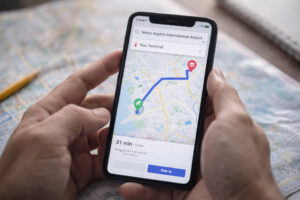 If you want a quick refresher on how buses, ferries, and terminals typically work in the Philippines, bookmark Philippines Public Transport Guide for the small rules that don’t show up in route summaries.
Laguindingan International Airport basics: timing, transport to/from Cagayan de Oro, and what delays look like
Aim to arrive early enough that you’re not negotiating transport while watching the clock. If weather is unstable (heavy rain, strong winds), delays are more likely, so increase buffers and avoid stacking same-night connections.
Reality Check: The airport part is usually smooth; the stress comes from tight departure times and underestimating the ride back to the city or onward transfer.
Manila transfer reality: airport to bus terminal time, traffic windows, and when to sleep over instead of rushing
Manila traffic is the biggest swing factor in Cagayan de Oro To Banaue plans. If your flight lands near rush hour, or if you’re unfamiliar with the terminal area, consider a buffer night near your departure point. The cost of one safe, walkable overnight stay can be cheaper than rebooking a missed bus (and it protects your energy for the mountain road).
Reality Check: If you’re landing late, “rushing” often turns into “waiting”—just in more stressful places.
Bus terminal flow: lines, seat assignment, stops, comfort breaks, and motion sickness prevention
Expect lines for ticket verification and boarding, plus baggage tagging or storage instructions. Seat assignment can be strict depending on operator and ticket type. Overnight buses usually make stops for comfort breaks; keep small bills, water, and a light snack accessible.
If you’re prone to motion sickness, pack meds and take them before the winding sections. Sit where you feel most stable (many travelers prefer the front half), keep your gaze steady, and avoid heavy meals right before the mountain climb.
Reality Check: Cold air-conditioning is common on Philippine buses. Dress for “too cold,” not “tropical.”
Luggage rules: airline baggage add-ons, bus baggage expectations, fragile items, and keeping valuables on your person
Flights: Prepay baggage online when you can. Save proof of payment and confirm weight limits before travel day. If you’re carrying fragile items, consider hand-carry where allowed, and pad items well.
Buses: Large bags typically go in undercarriage storage; keep valuables, medications, gadgets, IDs, and one warm layer in a smaller bag you keep with you. Use a simple luggage tag and take a quick photo of your bag before handing it over.
Reality Check: The “lost time” in long trips often comes from rummaging for essentials. Pack so you can survive 8–12 hours without opening your main bag.
Low-stress packing and “save-this-now” checklist
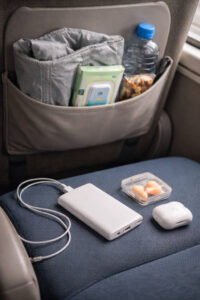 Before you leave, build a small offline pack that survives low signal, low battery, and crowded terminals.
Save offline (screenshots or PDFs):
- Flight booking reference and e-ticket/QR
- Bus ticket confirmation and terminal address
- Ferry booking proof (if applicable) and cut-off rules
- Baggage add-on receipt and weight allowance details
- Customer support numbers (airline, bus, ferry)
- A pinned map screenshot of the exact terminal entrance (not just the general area)
- Your ID photo page stored securely (plus an emergency contact note)
Comfort items that reduce stress on long rides:
- Light jacket or shawl for cold air-conditioning
- Water bottle and simple snacks (bread, biscuits, nuts)
- Wet wipes, tissue, and alcohol spray/gel
- Motion sickness meds and basic pain reliever (if you use them)
- Power bank and charging cable
- Earplugs or headphones and an eye mask
Reality Check: The goal is not “perfect packing.” It’s having the right five items reachable without unpacking in a cramped seat.
Backup plan playbook (delays, cancellations, sold-out buses)
A calm trip is not one with zero problems—it’s one with a prepared pivot. For general safety reminders when plans change, keep Travel Safety Philippines Guide handy.
If your flight is delayed and you’ll miss the overnight bus
Do these in order: (1) confirm your new landing time, (2) message or call the bus operator (if they have a hotline) to ask about rebooking rules, (3) switch to a next-day bus plan and book a nearby overnight stay, and (4) protect sleep—your mountain road leg is easier when you’re rested. If you’re still at the airport, aim to decide early rather than “trying your luck” at the terminal with minutes to spare.
Reality Check: Missing the bus is common enough that operators have policies—but you’ll get the best options if you contact them before departure time.
If the ferry schedule changes
Ferry changes can shift check-in windows and arrival times. Keep your booking reference offline and monitor official announcements from your provider. If you need help locating aviation and transport contact channels for broader disruptions, you can keep CAAP Contact Information saved as part of your general “who to call” list (especially during widespread weather events).
Reality Check: Sea travel is weather-sensitive. If forecasts look rough, build extra time rather than forcing a tight land connection.
If buses are sold out (what to do the same day vs next day)
Same day: Ask at the terminal if there are cancellations or additional trips, and check if nearby operators serve similar routes. Be cautious with unofficial resellers—confirm the exact terminal, bus name, and seat details before paying.
Next day: Book the earliest comfortable departure and prioritize rest. A full bus plus an exhausted body is not a fun combination on winding roads.
Reality Check: On peak weekends, “walk-in” seats can disappear early. Buying ahead is a stress reducer, not just a time saver.
Where to spend one buffer night (choose safety, walkability, and early departure access)
Choose an area that lets you reach your bus terminal early without complicated transfers. Prioritize well-lit streets, reliable check-in policies, and easy access to food and water. If you arrive late, avoid wandering far with luggage—simple and safe beats “scenic” when you’re tired.
Reality Check: A buffer night is not wasted time if it protects your next day’s connection and helps you start the mountain trip with energy.
Banaue basics (quick context before you arrive)
If you want a simple official overview as a starting point for expectations, see Official Banaue Overview. Weather can change quickly in the highlands, so keep a light layer accessible even if Manila feels warm.
Reality Check: Mobile signal and transport availability can be patchy depending on your exact arrival hour. Plan your first hour in Banaue as “settle and orient,” not “rush to the next activity.”
Arrive gently: a low-key first day plan
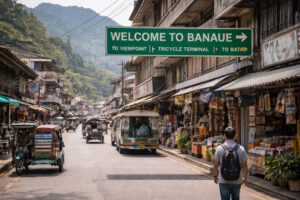 After Cagayan de Oro To Banaue, the best first move is often a slow one: hydrate, eat something simple, and do only what helps you recover. If you want ideas that don’t demand a lot of walking right away, bookmark Free Things To Do In Banaue For A Low-Key Rest Day as a soft landing plan.
Reality Check: If you arrive early morning after an overnight bus, your body may feel “awake but not okay.” A gentle day protects the rest of your itinerary.
Next read if you’re continuing into the mountains
If Banaue is part of a bigger Cordillera route, you may want to map onward travel pacing before you commit to tight dates. This guide can help: Sagada And Banaue Travel Mountain Journey.
Cagayan de Oro To Banaue FAQ
What is the easiest low-stress route from Cagayan de Oro To Banaue?
Fly from Laguindingan International Airport to Ninoy Aquino International Airport, then take an overnight bus to Banaue—ideally with a Manila buffer night if your flight lands late or you’re traveling on peak dates.
How long is Cagayan de Oro To Banaue door-to-door if you include waiting and transfers?
For the common fly + bus plan, a realistic range is about 16–28 hours depending on airport buffers, baggage claim, Manila traffic, and bus schedules. Adding a Manila overnight makes it longer, but usually calmer.
Is flying to Cauayan a practical shortcut to reach Banaue faster?
It can be, but it’s schedule-dependent. It’s most practical when you can confirm a reliable onward van/bus connection and you have a backup if your arrival time shifts.
Is the Cagayan de Oro To Manila ferry worth it, and when does it make sense?
It makes sense if you hate flying, you’re not rushing, or flights are extremely expensive. It’s usually the longest route, so plan for extra meals, more waiting, and possibly a recovery night in Manila.
Where do you buy tickets for each option, and what should you screenshot or save offline?
Buy flights on the airline’s official website/app, and buses/ferries through official operator channels when possible (avoid relying only on reposted schedules). Save booking references, QR/e-tickets, terminal addresses, boarding times and cut-offs, baggage payment proof, support numbers, and a pinned map screenshot of terminal entrances.
How does luggage work for the flight + bus combo, especially if you have a big bag?
Prepay airline baggage add-ons online when possible and keep proof saved offline. On the bus, big bags usually go in undercarriage storage; keep valuables, meds, and gadgets in a smaller bag you keep with you.
What is a good backup plan if your flight, ferry, or overnight bus is delayed or cancelled?
Decide early whether you’re switching to a next-day bus and booking a buffer night. Contact the operator before departure time if possible, and keep offline copies of all booking proofs so you can rebook even with weak signal.
Should you overnight in Manila before heading to Banaue?
Overnighting is a good idea if your flight lands late afternoon/evening, if you’re traveling during peak dates, or if you want to remove Manila traffic risk from the same-night connection.
If you want more route formats and planning-first guides for Mindanao jump-off points, you can browse Cagayan de Oro Travel Guides. For more calm logistics and trip-planning articles, visit Tips And Inspiration.