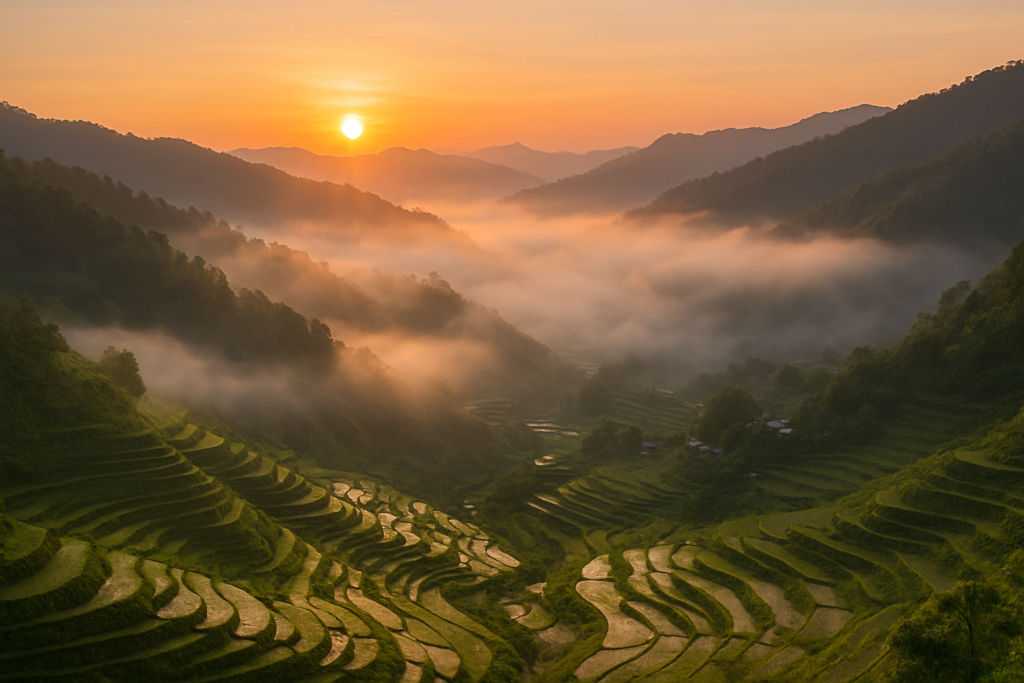
The first time you roll into Bontoc, it doesn’t announce itself with neon hostels or rows of souvenir shops. Instead, the town appears in a valley of ridges and river, ringed by rice terraces and quiet barangays. Jeepneys crawl along the slopes, fog hangs low over the mountains, and early mornings feel like the world is holding its breath. This is the rhythm of Bontoc highlands travel — less about ticking off sights and more about moving slowly through roads, ridges, weaving culture, and rural trails.
Set in the heart of Mountain Province, Bontoc is the region’s capital and an unhurried base for exploring the Cordillera. While Sagada and Banaue get most of the attention, Bontoc lives in between them — literally and spiritually. Here, you wake up to rooster calls and church bells, ride jeepneys along cliffside highways, sip coffee while watching clouds drift over Maligcong Rice Terraces, and spend afternoons listening to stories about ancestors, terraces, and textiles.
This guide walks you through the essentials of Bontoc highlands travel: why Bontoc and its surrounding highlands are special, how to get there safely, where to stay in town and in Maligcong, the best ridges and trails, how to experience weaving culture respectfully, and how to plan a realistic itinerary that balances adventure with quiet mountain mornings.
Introduction to Bontoc Highlands Travel
Think of Bontoc as a crossroads in the Cordillera, roads from Banaue, Sagada, Kalinga, and Baguio all meet here. If you want to extend that crossroads feeling into a wilder river-road chapter, continue east with Kalinga river roads travel for a slower, scenery-first route of cliffside drives, valleys, and cultural stops that pair beautifully with Bontoc’s ridge-and-terrace rhythm. But it’s also a place to stay put. Instead of rushing on to the next famous spot, you can let the town’s everyday rhythm guide you: jeepneys loading vegetables at dawn, kids in uniforms heading to school, women weaving in village homes, and elders talking over coffee by the street.
For travelers, Bontoc highlands travel is perfect if you love slow journeys and don’t mind a bit of roughing it. Expect long, winding mountain roads, simple homestays, shared bathrooms, cold cement floors, and nights when the stars feel impossibly close. In exchange, you get quiet sunrises over terraced valleys, honest conversations with locals, and a chance to walk rural trails that have shaped life here for generations.
If you’re planning a wider route around North Luzon, it’s easy to see how Bontoc fits into a bigger picture of mountains and coastlines. You can pair it with other towns highlighted in a Luzon destinations overview to build a longer loop through the highlands and lowlands.
Why Travel to the Bontoc Highlands?
So why choose Bontoc when Sagada and Banaue are already on every postcard? The answer is in the feel of the town. Sagada has a more established tourism scene, with cafes, bars, and tours running constantly. Banaue is iconic for its amphitheater terraces and long history of visitors. Bontoc, by contrast, feels lived-in first and touristy second, and that’s exactly its charm.
Staying here puts you close to village life. It’s normal to hear chickens and dogs at dawn, to see farmers heading to the fields while fog still wraps the ridges, and to share jeepney space with sacks of vegetables and woven blankets. The pace is slower, the streets are less curated, and you’re more likely to have a quiet bench to yourself overlooking the river or terraces.
The surrounding highlands are a mix of rice terraces, pine-covered ridges, and small barangays linked by narrow roads and footpaths. Maligcong, Bay-yo, and the Alab area are all within reach, each offering different angles on Cordillera life: terrace agriculture, village trails, ancient petroglyphs, and weaving traditions. Compared to more famous towns, Bontoc sees fewer visitors, so it’s easier to find those rare mountain moments when it’s just you, the wind, and the sound of your own footsteps along a rural trail.
If you’re curious about other Cordillera towns that pair well with Bontoc highlands travel, a Cordillera Region destinations guide can help you connect Bontoc with nearby provinces like Ifugao, Kalinga, and Benguet for a deeper highland journey.
When to Visit the Bontoc Highlands
The best time for Bontoc highlands travel depends on what you want to see, but generally the cooler and clearer months are the sweet spot. From roughly November to February, mornings are crisp, sometimes downright cold, and fog drifts in and out of the valley before burning off into blue skies. These months are ideal if you dream of wrapping your hands around a hot mug of coffee on a homestay balcony while watching the sunrise over terraces.
For terrace scenery around Maligcong and Bay-yo, timing is everything. Months when the fields are bright green or freshly planted with water-filled paddies create very different moods. Green, full terraces usually appear a few weeks to a couple of months after planting, while just-planted terraces shimmer like mirrors in the early light. Expect these cycles to shift slightly year to year, depending on local farming schedules and rainfall.
Rainy season, usually around June to early October, can still be beautiful — mists rolling over pine trees, dramatic clouds over the ridges — but trails may be muddy and road conditions more challenging. If you’re sensitive to motion sickness or uneasy about landslides and slippery roads, it’s safer to aim for the drier months, especially if you want to hike Mt. Kupapey or Mt. Fato before sunrise.
Getting to the Bontoc Highlands (Roads and Ridges)
Reaching Bontoc is already part of the story. No matter which route you take, you’ll spend hours on mountain roads that cling to cliffs, cross valleys, and offer sudden, heart-stopping views.
Manila or Baguio to Bontoc
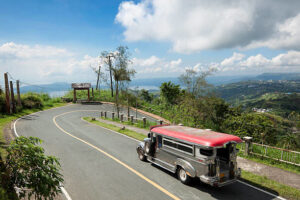 From Manila, a common route for Bontoc highlands travel is to ride an overnight bus to Banaue, then continue by van or jeepney to Bontoc. Expect the bus ride to take around 9–10 hours, depending on traffic and stops. Buses typically leave in the evening and arrive in Banaue early morning, when the air is cold and the town is still waking up.
From Banaue, you transfer to a van or jeepney bound for Bontoc. The trip takes about 2–3 hours, winding through valleys and mountains with occasional viewpoints where you can see terraces and ridges stacked on top of each other. The road is mostly paved but narrow, with sharp curves and some sections that may feel rough. If you’re prone to motion sickness, sit near the front, avoid heavy meals, and keep medication handy.
From Baguio, vans or buses travel to Bontoc via the famous Halsema Highway, one of the highest road networks in the Philippines. The ride usually takes 6–7 hours. Parts of the highway feel like a balcony perched above deep valleys, with pine-covered slopes dropping steeply from the roadside. On clear days, you’ll see mountain ranges fading into the distance; on foggy days, visibility can drop and the road feels more intense, but drivers are used to the terrain.
Bontoc, Sagada, and Banaue Connections
Bontoc sits between Banaue and Sagada, so moving among these three is straightforward. From Sagada, a jeepney or van ride to Bontoc can take around an hour to an hour and a half, depending on stops and road conditions. The route follows ridges and valleys, with moments where you can look back and see layers of Cordillera peaks.
From Banaue, expect 2–3 hours by van or jeepney. It’s common for travelers to base in Bontoc for a few nights while doing side trips to Sagada and Banaue rather than constantly changing hotels. This helps you sink into one town’s rhythm while still exploring the surrounding highlands.
If you want to build a bigger North Luzon circuit that links Bontoc highlands travel with nearby mountain towns, it’s useful to consult a Sagada and Banaue mountain journey guide and a wider travel guides hub.
Where to Stay in Bontoc and Maligcong
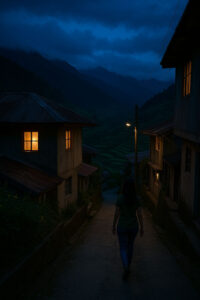 Accommodations in the Bontoc highlands are simple and homey. Don’t expect luxury; expect warm blankets, strong coffee, and a front-row seat to mountain light and fog.
Inns and Homestays in Bontoc Town
Bontoc town has a handful of small inns, guesthouses, and homestays. Many are family-run, with a few basic rooms, shared or private bathrooms, and straightforward amenities. Rooms often have thin walls, modest beds with thick blankets, and maybe a small balcony or window facing the hills or the street.
Staying in town is convenient if you want access to eateries, small groceries, and the public market. You can walk to the Bontoc Museum, hop on jeepneys to Maligcong or Bay-yo, and return at night to find a simple dinner and the sound of tricycles fading as the town quiets down.
Maligcong Homestays with Terrace Views
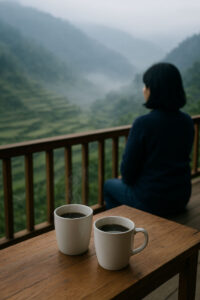 Maligcong, just a short jeepney ride from Bontoc, is where many travelers choose to sleep when they imagine highland mornings. Homestays here perch above or beside the rice terraces, with balconies that look out over the valley and ridges. Waking up feels like stepping into a postcard — mist lingering between terraces, rooster calls echoing from across the slopes, and sometimes the faint voices of farmers already in the fields.
Rooms are simple: wooden walls, shared bathrooms, sometimes thin mattresses but plenty of blankets. Electricity and mobile signal are present but can be patchy. Hosts often serve home-cooked meals and endless coffee refills as you sit and watch the terraces shift color with the light. For many visitors, this is the heart of Bontoc highlands travel: doing very little except watching mountains breathe.
Ridges, Rice Terraces, and Rural Trails
The real magic of Bontoc highlands travel lies in the ridges and trails that surround the town. Here, hiking isn’t about conquering peaks; it’s about moving through landscapes that local communities have shaped for centuries.
Maligcong Rice Terraces and Mt. Kupapey
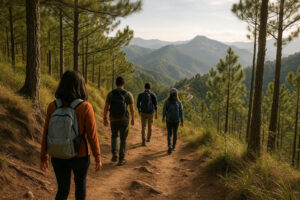 Maligcong’s terraces curve gently around the valley, layered like a green amphitheater. From many homestays, you can already see the patterns, but to really feel the landscape, wake up before dawn for the Mt. Kupapey hike. With a headlamp or flashlight, you follow a trail that starts near the village, first climbing through quiet paths lined with grass and then passing through pine forest.
As you gain height, the air gets colder and your breath fogs in front of you. On a clear day, you can see the Maligcong Rice Terraces below, terraced slopes wrapping around the valley and ridges rolling out in every direction. It’s one of the most iconic moments of Bontoc highlands travel — a calm, almost reverent sunrise shared with a few other hikers and the wind.
Mt. Fato, Bay-yo, and Village Walks
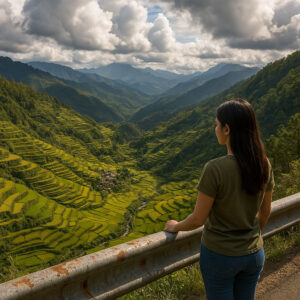 Mt. Fato offers another perspective, often with fewer people. Its trail passes through pine stands and open slopes, leading to viewpoints where rocky outcrops frame the surrounding ridges. The hike is not extremely technical but still demands some stamina, especially if the trail is muddy.
On the road between Bontoc and Banaue, Bay-yo offers a roadside terrace viewpoint where vans and jeepneys sometimes stop so passengers can stretch their legs and gaze over the valley. Terraces cascade down like green stairs, with a village nestled at the base, smoke from cooking fires rising slowly into the air.
One of the most grounding experiences in any Bontoc highlands travel plan is simply walking through villages and along terrace edges. Paths wind between houses, fields, and small chapels. The terraces are working landscapes, so move slowly, avoid stepping on fragile dikes, and remember that these are farms first and photo spots second.
Weaving, Culture, and Quiet Moments
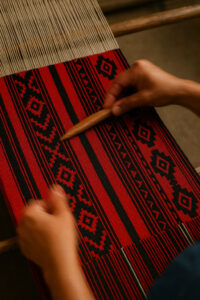 Bontoc culture is woven into the land, but also literally woven into textiles. For many families, weaving is memory: motifs that recall rivers, mountains, ancestors, and daily life. Seeing and supporting this craft thoughtfully is a big part of meaningful Bontoc highlands travel.
Textiles, Villages, and the Bontoc Museum
Bontoc weaves often use deep reds, blacks, and whites, with geometric patterns that carry specific meanings. Traditional garments and blankets tell stories — of status, community, or life stages. When you hold a handwoven piece, you’re touching hours of careful labor and years of inherited knowledge.
Villages such as Caneo and other weaving communities near Bontoc are known for their textiles. Visits here are best organized with the help of local tourism staff or guides who already have relationships with the community, so your presence is welcomed and any weaving demonstrations or sales happen on the weavers’ terms.
The Bontoc Museum offers a compact but powerful introduction to local history, traditional houses, and material culture. For more factual context as you plan your Bontoc highlands travel, you can also read the Bontoc, Mountain Province article on Wikipedia, then compare what you learn with the lived stories locals choose to share. The official Mountain Province tourism page for Bontoc is a helpful reference for updated information on cultural sites, fees, and recommended guides.
Sample Bontoc Highlands Travel Itineraries
How many days should you stay? Ideally, give yourself at least three full days in the Bontoc highlands. Two days is possible if you’re tight on time, but four days is a sweet spot for mixing hikes, weaving visits, and unstructured quiet.
3-Day Slow Bontoc Highlands Travel Itinerary
Day 1: Arrive in Bontoc from Banaue or Baguio. Check into your inn or homestay in town, have a simple lunch at a local eatery, and rest from the long road. Visit the Bontoc Museum in the afternoon and take a gentle walk through town to get used to the mountain air.
Day 2: Transfer to Maligcong before dawn and hike Mt. Kupapey for sunrise. Spend the rest of the day on village walks, terrace viewpoints, and quiet time at your homestay balcony. Sleep early; nights are cold and quiet.
Day 3: Head back to Bontoc town, visit a weaving village if time allows, then travel onward to Sagada or Banaue. You can follow a Sagada and Banaue mountain journey guide if you want to keep your Bontoc highlands travel going through other famous Cordillera towns.
Solo, Side Trips, and Wider Routes
If you’re considering going alone, Bontoc and its surrounding highlands can be manageable for cautious solo travelers, especially if you take local guides for hikes and keep family informed of your plans. Reading a solo travel in the Philippines guide can help you decide if this style of trip fits your comfort level and how to weave Bontoc highlands travel into a longer personal journey.
For wider routes, you can link Bontoc with Kalinga, Benguet, or coastal Northern Luzon by using both the Cordillera Region destinations guide and the broader Luzon destinations overview. These routes let you experience both highland ridges and sea-level towns in one extended loop.
Practical Tips and Respectful Travel
Mountain travel is beautiful but demanding. A bit of preparation goes a long way in making your Bontoc highlands travel smoother and safer.
Roads to and around Bontoc are generally passable but narrow and winding. Expect sharp curves, occasional roadwork, and sections that may be affected by landslides during heavy rain. Choose reputable buses or vans where possible and avoid pushing your schedule too tight in case of delays. Pack layers, a waterproof shell, comfortable hiking shoes, and a headlamp for sunrise hikes. Mobile signal around Bontoc and Maligcong can be patchy, and ATMs may occasionally be offline, so carry enough cash.
The highlands are not just landscapes — they’re home. Villages, terraces, and cultural sites are living spaces, workplaces, and often sacred grounds. Greet people you meet, dress modestly, ask before taking photos, and follow your guide’s instructions at sacred or sensitive sites. When buying local products — textiles, woven bags, snacks, or handicrafts — pay a fair price and avoid bargaining so hard that the seller loses out.
In the end, what you carry home from Bontoc highlands travel is less about how many viewpoints you ticked off and more about how the place felt: the chill of dawn air on a ridge, the sound of weaving looms, the slow conversations over coffee, and the sight of terraces glowing at sunset as jeepneys hum along the road below.