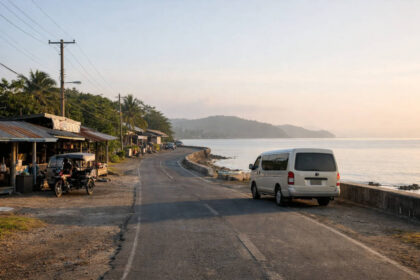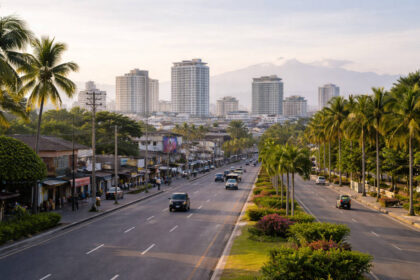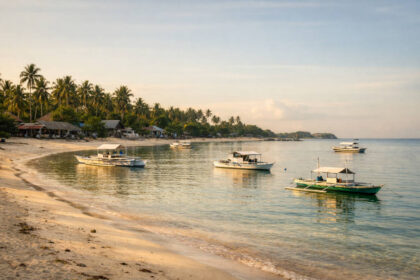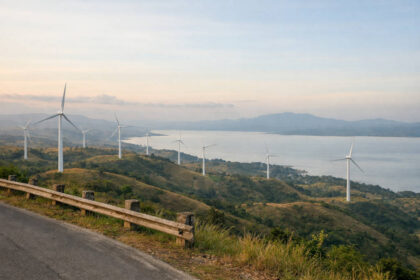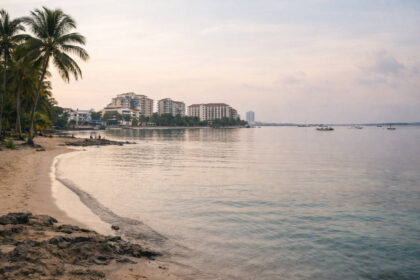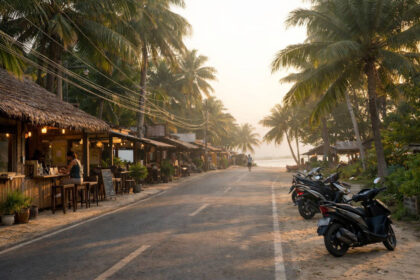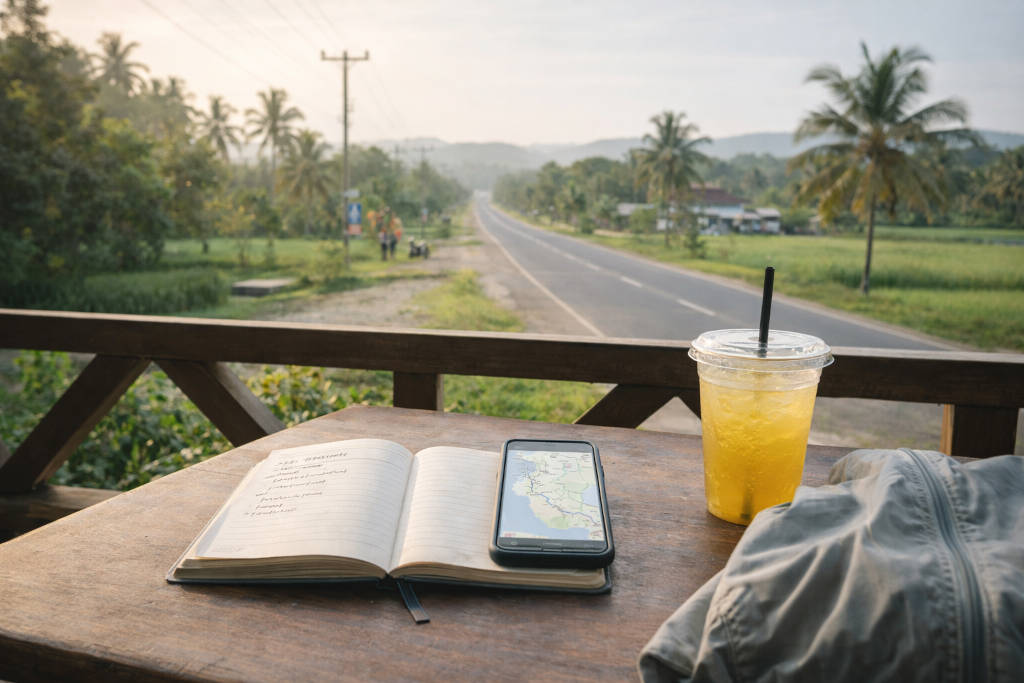
If you want a Bohol Countryside Itinerary 4 Days that feels realistic (not rushed, not “perfect weather only”), this plan is built around simple morning and afternoon blocks with true buffers. You’ll do the countryside loop on a day that benefits from an early start, schedule one coast or island day that can flex with weather, and keep the final day light enough to absorb delays. Think: clear decision points, fewer stressful transfers, and enough rest so you can actually enjoy the views.
At-a-Glance
Best time window: Dry-season months usually make island days easier, but Bohol can still get sudden rain. Plan one flexible day.
Realistic travel time: Countryside days are road-heavy; expect long drive blocks with photo stops and queues. Budget band: joiner van tours cost less; private car with driver costs more but reduces friction.
Crowd and queue risk: Chocolate Hills and popular river lunch stops can get busy late morning to early afternoon.
Rain and heat backup: keep one no-boat buffer day so you don’t force island hopping in rough seas or heavy rain.
Reality Check: The “stress points” in Bohol are rarely the attractions themselves—it’s pickup timing, road variability, and how long you end up waiting in the midday heat.
Who this 4-day Bohol Countryside itinerary is for
 This Bohol Countryside Itinerary 4 Days is for travelers who want the countryside to be the main story—Chocolate Hills, the tarsier stop, river or inland lunch choices, and a few heritage highlights—without stacking too many stops into one exhausting day.
If you want a relaxed pace
Use Panglao or Tagbilaran City as a calm base, do one structured countryside day with an early start, then keep the remaining days light with a coast day and a buffer day. Choose fewer add-ons (skip ziplines or ATV unless you truly want them).
Reality Check: “Relaxed” in Bohol still involves early starts if you want cooler weather and fewer crowds. The difference is you don’t cram everything into one day.
If you want a classic “highlights” pace
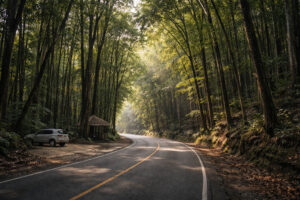 Follow the default plan below: Day 2 is the core loop (Chocolate Hills, Philippine Tarsier Sanctuary, Bilar Man-Made Forest, plus a river or inland lunch), Day 3 is the coast or island day, and Day 4 is the flexible wrap-up.
Quick map in words: Panglao or Tagbilaran City as base, countryside loop, then coast or island day
Base: Panglao (beach access) or Tagbilaran City (easier city logistics). Loop: you’ll go inland toward the Chocolate Hills area, then connect to the tarsier stop and forest photo area, then route back with one heritage stop near Tagbilaran City. Coast: plan it as weather-dependent.
Reality Check: If you stay in Panglao, many tours still pick up from Panglao—but confirm the exact pickup landmark to avoid morning confusion.
Before you go: what to prebook vs decide on the day
Prebook (high-impact): accommodations, airport transfers if late arrival, island hopping slot if peak season, countryside tour if you want joiner convenience
Accommodations: book your base first (Panglao or Tagbilaran City), then build the itinerary around your check-in and checkout times. Transfers: if you arrive late or with kids or bulky luggage, prebook airport or port transfers so you don’t negotiate when tired. Island hopping: if you’re traveling on peak dates, reserve a slot early so you can choose a safer weather window. Countryside day: if you want convenience, prebook a joiner van tour or a private car with driver for Day 2.
Reality Check: “Same-day booking” is possible in some seasons, but it becomes stressful when demand spikes or weather compresses everyone into the same clear day.
Decide on the day: exact lunch stop, optional add-ons, sunset choices
Keep your lunch flexible—choose the Loboc River Cruise if you want a structured midday break, or choose a simpler inland lunch if you want to move at your own pace. Optional add-ons (zipline, ATV, extra churches) are best decided day-of, based on weather, energy, and how long queues are.
What to save on your phone: booking confirmations, pickup location pin, driver contact, tour inclusions list, last return time
Screenshot your booking confirmations, your pickup location pin (with a clear landmark), the driver or tour contact number, and a simple note of what’s included (entrance fees, lunch, boat). Add one line for “latest time I want to be back at the hotel” so you don’t drift into an overlong day.
For broader planning habits that make trips smoother, keep this open after you book: Philippines Travel Planning Guide for Your First Trip.
Transport notes that reduce stress (pickup points, friction, travel time reality)
Typical pickup zones: Panglao resorts vs Tagbilaran City hotels (set a clear landmark)
If you’re in Panglao, tours often do hotel pickups, but “hotel pickup” can still mean a roadside meeting point. Ask for the exact gate, lobby, or landmark (for example, a known café or convenience store). In Tagbilaran City, pickups can be easier to pinpoint, but city traffic can slow early movement out of town.
Reality Check: The most common morning stress is simply not seeing the van. A clear landmark and a screenshot reduce that stress instantly.
Road time friction: early starts reduce heat and crowds; allow extra time for photo stops and queues
Bohol road time is variable. A drive that feels “short” on a map can stretch with slow-moving vehicles, roadside stops, or sudden rain. Early starts help: cooler air, fewer crowds at the Chocolate Hills viewpoint, and less pressure to rush your lunch decision.
Reality Check: If your group loves photo stops, acknowledge it upfront and build extra minutes into each segment instead of arguing on the road.
Getting around styles: joiner van vs private car with driver vs scooter (who each is best for)
Joiner van tour: best for solo travelers or pairs who want a simple package and don’t mind a fixed pace. Expect some waiting while the group gathers, and sometimes souvenir stop patterns. Private car with driver: best for families, small groups, or anyone who values fewer queues and fewer random stops; you can adjust the order to reduce crowds. Scooter rental: only for confident riders; countryside roads can be tiring, hot, and slippery in rain.
Reality Check: Scooters feel flexible until weather shifts. A sudden downpour can turn a “fun ride” into a stressful safety problem.
Public transport expectations for tourists (what’s realistic, what’s tiring)
V-Hire and local options exist, but doing the full countryside loop purely on public transport can be tiring and time-consuming for short trips. If you’re considering it anyway, read this first so you know what’s realistic: Philippines Public Transport Guide. For the most official moving-around reference specifically for Bohol, check: moving around Bohol.
Reality Check: Public transport can work for one or two legs, but a full highlight day can become a long wait-and-transfer marathon.
The simple route plan (4 days, morning and afternoon blocks)
This is the default Bohol Countryside Itinerary 4 Days template: morning block, afternoon block, optional add-on, food and rest notes, and a clear time buffer note. Use it as a calm checklist—not a strict race.
Day 1: Arrival and easy orientation (low-pressure start)
Morning block: Arrival in Panglao or Tagbilaran City, check-in (or bag drop if early), and take a short recovery window. If you arrived on a very early flight or ferry, prioritize lunch and hydration before planning anything else.
Afternoon block: Choose one easy stop close to your base: a gentle beach window in Panglao, or a short city-side viewpoint and walk if you’re based near Tagbilaran City. Keep it simple and finish with an early dinner.
Optional add-on: If you want a light heritage touch without a long drive, consider a quick stop at the Blood Compact Shrine area or Baclayon Church if timing and energy allow (don’t force it).
Food and rest notes: Choose a familiar, easy meal—nothing experimental on the first day if you’re sensitive to travel stomach. Stock water and a few snacks for Day 2.
Time buffer note: Keep Day 1 intentionally light to protect Day 2 and Day 3 timing.
Beach idea support for calmer choices (especially if you want quieter vibes): Best Beaches in Bohol Countryside.
Reality Check: Overplanning Day 1 is how people start Day 2 already tired. You want fresh energy for the inland loop.
Day 2: Countryside core loop (Chocolate Hills, tarsier, forest, river)
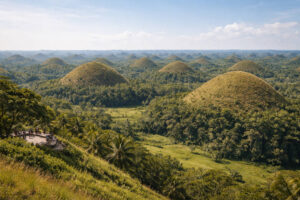 Morning block: Early departure for your first major stop. The common goal is to see the Chocolate Hills earlier while it’s cooler and before the densest crowds. For quick factual context (keep it light, then move on), here’s a short reference: Chocolate Hills.
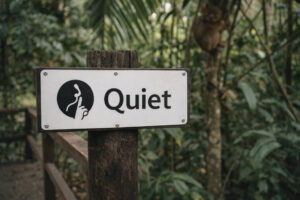
After that, do the Philippine Tarsier Sanctuary stop with a quiet-rules mindset: speak softly, keep flash off, and follow staff guidance. The point is respectful viewing, not chasing the “perfect photo.”
Afternoon block: Choose your lunch path: (1) Loboc River Cruise if you want a structured sit-down break with a set flow, or (2) a simpler inland lunch if you want flexibility and fewer fixed schedules. After lunch, do the Bilar Man-Made Forest photo stop, then add one heritage stop on the way back (Baclayon Church can fit well if it aligns with your route and timing).
Optional add-on: Only if you still feel good: short zipline or viewpoint add-on. Treat these as “nice-to-haves,” not required boxes.
Food and rest notes: Even on joiner tours, keep water handy and plan a real snack. Heat plus long drives can feel draining even if you’re mostly seated.
Transport note (why order matters): Going early reduces heat and queues at the Chocolate Hills viewpoint. The countryside loop also stacks driving time, so doing the biggest stop first helps you stay calm if delays happen later.
Comfort variation: With a private car with driver, you can skip stops that don’t excite you and spend more time where you actually want to linger. Joiner vans may add souvenir stops or wait time for the group.
Budget variation: Joiner tour is cheaper. DIY with a driver costs more but can save stress and time.
If you want a deeper planning companion for this day’s highlights, keep this guide open: Bohol Travel Guide for Chocolate Hills and Tarsiers.
Reality Check: Day 2 can easily become “too many stops.” Your calm goal is fewer places with better pacing, not collecting every photo spot.
Day 3: Coast or island day (schedule this as your weather-dependent day)
Before you lock this day in, check weather signals and sea conditions. If you want a planning refresher on seasonal patterns, read: Philippines Weather Travel Guide.
Morning block (Plan A): Island hopping if weather is stable and you’re comfortable with boat schedules. Start early, bring sun protection, and keep your valuables in a dry bag.
Morning block (Plan B): Coastal day if you prefer no boat risk—slow beach time in Panglao, café breaks, and a short scenic stop without long drives.
Afternoon block: Return, rinse off, rest, and choose a sunset plan near your base (keep it close so you’re not commuting at peak tiredness).
Weather buffer logic: If waves, wind, or heavy rain look risky, swap Day 3 and Day 4 or take the Buffer Option below. You’re not “wasting a day”—you’re protecting the trip.
For coastal ideas that match a calmer pace, browse: Bohol Coastal Escapes Guide.
Reality Check: The stress on island days often comes from forcing a schedule when conditions are off. Calm travel is choosing the safer plan early.
Day 4: Flexible wrap-up day (short countryside or coast, then departure)
Morning block: Choose one “short win” attraction close enough that you won’t risk missing your flight or ferry. If you’re in Tagbilaran City, a quick heritage stop (like Baclayon Church or a nearby viewpoint) can fit. If you’re in Panglao, keep it coastal and close—think slow breakfast, short walk, quick photo stop.
Afternoon block: Pack, check out, and do your transfer with extra time for road variability and terminal lines.
Time buffer note: This day is designed to absorb delays from earlier days. If Day 2 ran long or Day 3 got swapped, Day 4 should still work.
Reality Check: A “last-minute attraction” is rarely worth the stress if it puts your departure at risk. Protect your exit first.
The Buffer Option (weather or rest day plan that still feels worth it)
If heavy rain hits, seas look rough, or you slept poorly, take this buffer plan without guilt. It avoids long drives and boats, but still feels like you used the day well.
Decision rule: If you’re seeing steady rain by morning, you’re already behind on energy, or you feel you’d be forcing the island day—choose the buffer.
Morning block: Slow breakfast, then a short close-to-base stop (a quick viewpoint, a calm walk, or a short heritage visit near Tagbilaran City). If you’re in Panglao, make it a gentle beach window between showers—nothing that requires long transit.
Afternoon block: Café rest, massage or downtime, and a simple local stop like a small market run for snacks or pasalubong items. Keep transit short and treat the day as a reset.
Optional add-on: If the rain eases, add one short extra stop (but keep it within easy distance so you’re not caught by sudden downpour).
Food and rest notes: Hydrate, eat warm food, and charge devices. A “reset day” often makes your next clear day feel twice as enjoyable.
Reality Check: The buffer plan is not a downgrade. It’s how you avoid turning bad weather into a stressful argument with your own schedule.
Budget and comfort variations (clear ranges, no false precision)
Costs shift with season, group size, and how early you book. Think in broad ranges and decide what matters most: time, comfort, or price. If you want budgeting frameworks you can apply beyond Bohol, start here: Philippines Travel Budget Examples.
Budget style: joiner tours, simpler meals, fewer add-ons, shared transfers
Choose joiner van tours for Day 2, keep meals simple, and skip paid add-ons unless you truly want them. Use shared transfers when timing is easy (daytime arrivals and departures) and keep your itinerary tight to reduce extra rides.
Reality Check: Cheapest can become tiring if you end up waiting a lot. If you value calm, spend a little to reduce major friction points.
Mid-range style: mix of joiner and private transfers, a few paid add-ons
Do Day 2 as a private car with driver if your group is 3–5 people (often feels worth it), then keep Day 3 flexible: either a prebooked island slot or an easy coastal day. Add one paid experience only if it doesn’t overload the day.
Comfort style: private car with driver for countryside day, prebooked transfers, early start, fewer stops but better pacing
Prebook transfers, choose a private car with driver for the countryside loop, start early, and cut low-value stops. You’ll spend more, but you reduce queues, reduce confusion, and protect rest.
Reality Check: Comfort planning is often about “less.” Fewer stops, fewer decisions, fewer rushed moments.
Small group or family notes: child pacing, toilet stops, snack planning, heat management
For families, build in more restroom stops and snack breaks than you think you need. Start earlier to reduce heat stress, keep hats and water accessible, and avoid stacking too many “must-do” stops. A private car with driver usually makes family pacing smoother.
Common pitfalls and low-stress tips
How to avoid a “too many stops” countryside day
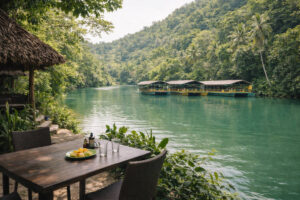 Pick a core set: Chocolate Hills, tarsier stop, Bilar Man-Made Forest, then either Loboc River Cruise or an inland lunch—plus one heritage stop on the way back. Everything else is optional. The calm win is arriving back with energy, not with a checklist completed.
What to do if pickup is late or the itinerary changes
If pickup is late, message the tour contact early and confirm your meeting landmark. If you’re in a joiner van, accept that the order may change based on group timing. Your job is to protect the one or two stops you care about most and let the rest flex.
Reality Check: The day stays calmer when you treat the plan as a guide, not a promise.
Crowd timing tips without being rigid
Early starts help for big viewpoints and structured lunch experiences. If you can’t start early, reduce your stop count and choose an inland lunch instead of a time-fixed cruise. Aim for “less but smoother.”
Respectful tarsier viewing reminders and quiet behavior
At the Philippine Tarsier Sanctuary, keep voices low, don’t use flash, and follow staff directions. If the area feels crowded, take a breath and wait your turn. Quiet, respectful viewing is part of the experience.
Bohol Countryside Itinerary 4 Days FAQs
What is a realistic Bohol Countryside Itinerary for 4 days without rushing?
A realistic Bohol Countryside Itinerary 4 Days uses one early-start countryside loop day, one weather-flexible coast or island day, one light arrival day, and one wrap-up day that absorbs delays. The key is not stacking too many stops on the countryside day.
Is it better to stay in Panglao or Tagbilaran City for a countryside-focused trip?
Panglao is great if you want easy beach downtime between countryside days. Tagbilaran City can feel simpler for city logistics and shorter access to some heritage stops. For countryside focus, both work—choose based on whether you want beach rest (Panglao) or city convenience (Tagbilaran City).
What should I prebook in Bohol, and what can I decide on the day?
Prebook accommodations, late-arrival transfers, and peak-season island hopping slots. Decide on the day for lunch style (Loboc River Cruise or inland), optional add-ons, and sunset plans based on weather and energy.
How do joiner countryside tours compare to hiring a private car with driver?
Joiner tours are cheaper and convenient but follow a fixed pace and can include extra stops. A private car with driver costs more but reduces waiting, lets you adjust the route order, and usually feels calmer—especially for families or small groups.
How much time should I budget for the Chocolate Hills, tarsier stop, and Loboc River Cruise?
Budget half to most of a day for the full countryside loop because travel time between stops adds up. Chocolate Hills and the tarsier stop are usually shorter visits, while a Loboc River Cruise lunch block can take a bigger midday chunk. Add buffers for queues and photo stops.
What should I do if the weather turns bad on my island-hopping day?
Switch to the Buffer Option: stay close to base, avoid boats, and do a rest-focused day that still includes one short stop. If the forecast improves later, swap the island day to your most flexible day (often Day 4).
How much should I budget for 4 days in Bohol at different comfort levels?
Budget style relies on joiner tours and simpler meals, mid-range mixes joiner and private transfers, and comfort style uses a private car with driver and prebooked transfers to reduce stress. The biggest swing is transport: shared tours versus private arrangements.
Can I do this itinerary without renting a scooter?
Yes. You can do this Bohol Countryside Itinerary 4 Days using joiner van tours, a private car with driver, and arranged transfers. Scooters are optional and only recommended if you’re confident riding in heat and sudden rain.
Next reads for planning
If you want more itinerary templates, browse: Travel Guides. For deeper destination planning and side trips, explore: Bohol Travel Guides. And if you want related countryside inspiration elsewhere in Luzon, this is a calming read: Camarines Sur Countryside Travel Guide.