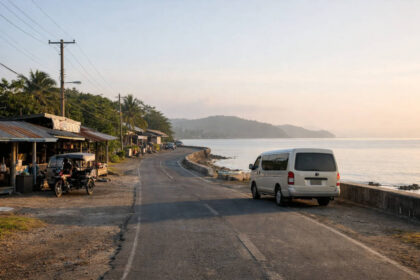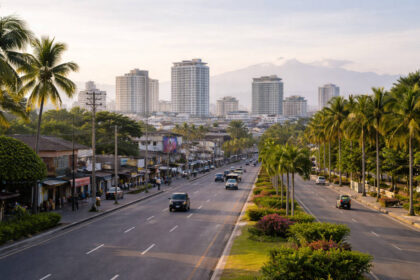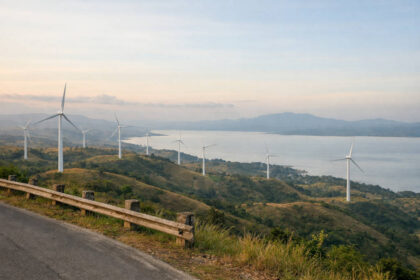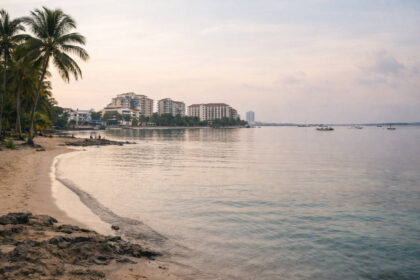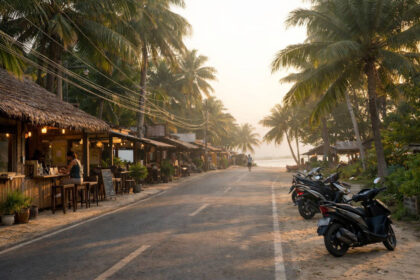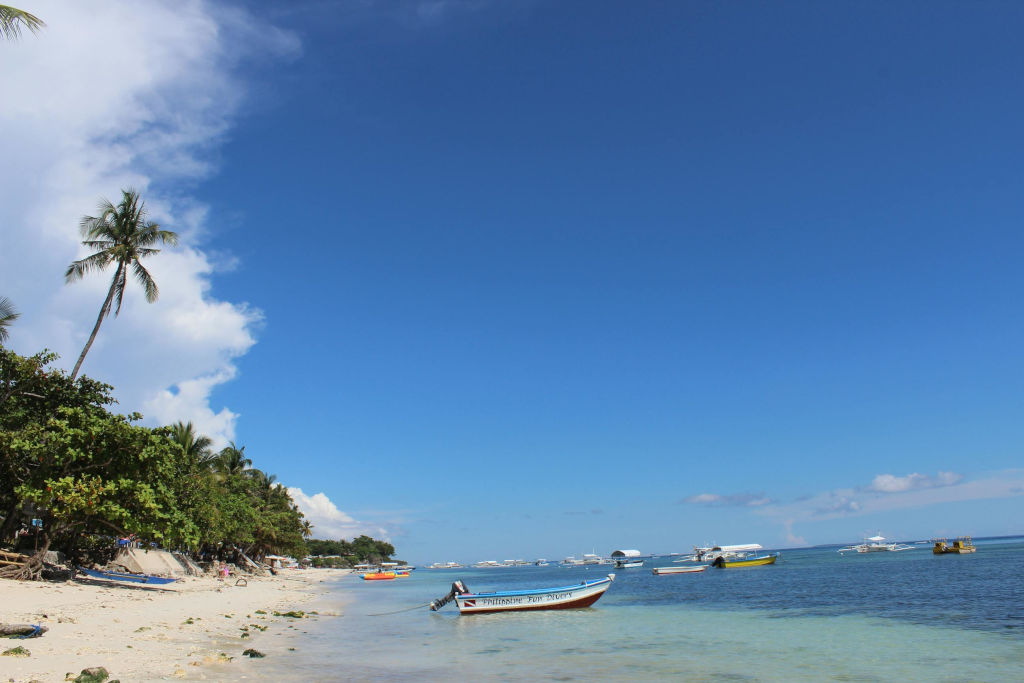
I’ve always believed that Bohol reveals its beauty in layers — slowly, softly, and almost shyly. My latest journey into Bohol coastal escapes began with a tricycle ride at dawn, the breeze carrying the scent of seawater and wet earth as the countryside stirred awake. I’d come for hidden coves, quiet river bends, and the kind of stillness that lingers long after the trip ends.
My Journey Through Bohol Coastal Escapes
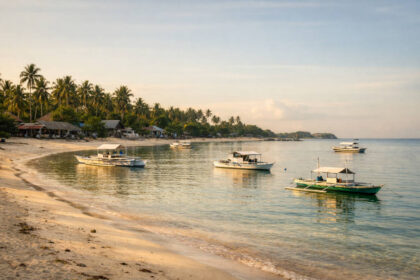
 Travelers often ask: How many days in Bohol is enough? While some say three to four, I’ve learned that Bohol coastal escapes deserve at least five — enough time to settle into the gentle rhythm of its beaches and river towns. My first stop was a tiny cove south of Panglao, reachable only by a short trail wrapped in coconut trees. The sand felt cool beneath my feet, the waves soft and unhurried, and not a single other traveler in sight. It made me wonder why more people don’t wander beyond the well-known beaches.
Of course, many also ask: Which beach is better in Bohol? For me, it depends on what you’re looking for. Alona Beach is lively and convenient, while Dumaluan offers wide spaces and calmer mornings. But the real gems of Bohol coastal escapes are the unnamed coves — stretches of sand the locals share kindly, with only the sound of banca boats and birds as company.
Hidden Shores and Soft Encounters
One fisherman I met pointed me toward a cove “mas tahimik,” more peaceful. Following his directions, I found a place where the water turned clear green under the sun and the rocks shimmered like old stories. I swam alone for an hour, watching tiny fish dart in and out of coral shadows. Later, a small eatery nearby served me kinilaw made with calamansi so bright it tasted like sunlight. These are the moments that shape Bohol coastal escapes — simple, sincere, unhurried.
People often worry: Is Panglao Bohol expensive? It can be, especially in peak season, but Bohol coastal escapes don’t need big budgets. Local carinderias offer meals for under a hundred pesos, and cozy stays — even beachfront home rentals — exist if you know where to look or ask the locals. Transportation is easy too: tricycles for short hops, habal-habal for off-the-path beaches, and rented scooters for flexible exploring.
If you want more ideas for culture and food moments around the country, I’ve loved browsing the Baguio travel guide and the Philippine festivals food traditions pages that always spark my next adventure.
River Calm and Slow Hours in Loboc
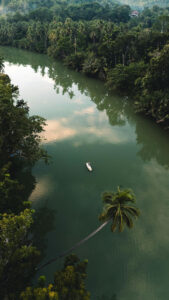 No Bohol coastal escapes journey feels complete without drifting along Loboc River. Instead of joining the busy floating buffets, I found a quieter patch upriver, where the emerald water curved gently around palm-lined banks. I dipped my feet into the cool current, watching leaves glide past like slow-moving thoughts. A guide nearby told me stories about how locals still gather by the river for celebrations — a reminder that travel feels richer when we meet people where they live and remember.
Visitors often ask: Is Bohol good for tourists? Absolutely. What makes it special is how warmly locals share their home, especially if you travel with care. Following sustainable habits — refusing single-use plastics, supporting small eateries, respecting marine life, and choosing responsible tour operators — helps keep these Bohol coastal escapes untouched for the next wanderer. Reading about Bohol’s history and geography through resources like Bohol on Wikipedia also deepens the experience, giving context to the landscapes and the culture behind them.
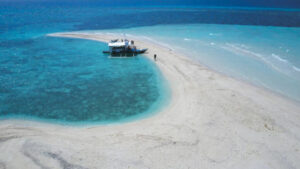 As with all island travel, move slowly, listen carefully, and let the place lead you. My last morning was spent on a deserted beach, watching children paddle a small banca across the shallows while the sun rose in soft coral tones. It felt like the island was whispering its farewell — gentle, steady, hopeful.
In the end, Bohol coastal escapes aren’t just about finding beautiful places. They’re about letting the quiet settle inside you, letting stories rise slowly, and carrying home a version of yourself softened by sun, sea, and river light.