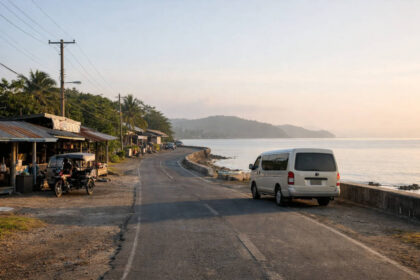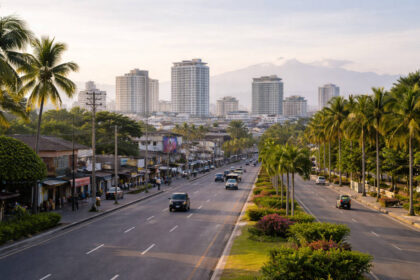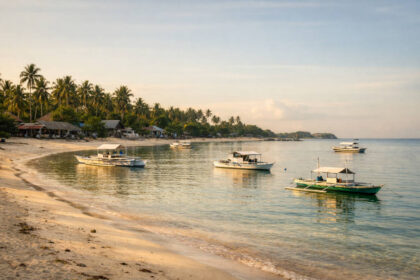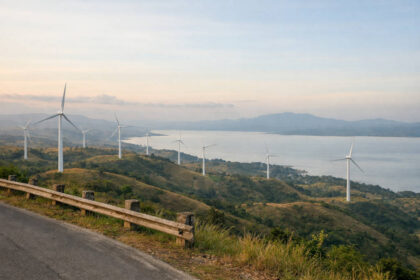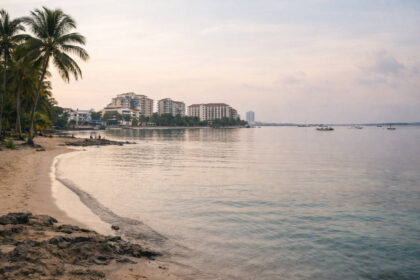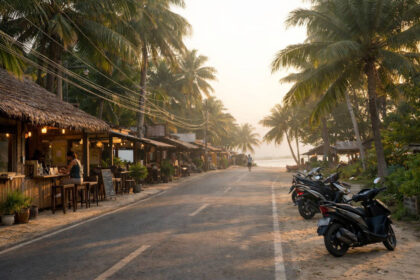
Planning the Bicol Region is easier when you treat it like a region (not one “do-everything” city) and decide your pace first. This Bicol Travel Guide is planning-first: gateways, bases, transfer friction, and buffer time for weather and rest. If you want more trip frameworks like this, browse Travel Guides for destination planners you can mix and match.
Bicol at a glance and quick decision summary (who it suits, how to keep it low-stress)
Bicol Region is a long stretch of Luzon with different provinces and coastlines—so the biggest low-stress move is to pick one main hub and build day trips around it. This Bicol Travel Guide works best if you accept that “cover everything” usually means spending more time in terminals than at viewpoints.
Who Bicol suits: nature-first travelers (Mayon Volcano views, coastal drives), food lovers (sili culture, coconut-rich dishes), culture and festivals (especially around Naga City), beach and island trips (when sea conditions cooperate), and slow travel (unhurried mornings, one big activity per day).
Who may struggle: very tight schedules, travelers who dislike long road transfers, and anyone prone to seasickness without buffer days (boats can cancel or get rough). If you want a calmer plan, commit to early starts, add a 3D2N buffer mindset even on short trips, and keep one “swap-in” indoor option ready.
For foundational planning habits—packing buffers, booking basics, and timing logic—use Philippines Travel Planning Guide for First Trips as a quick companion.
How to choose your base (simple rule: 1 hub for 3D2N, 1 to 2 hubs for 5D4N)
The simplest rule: 1 hub for 3D2N (maximize time outside transport), and 1 to 2 hubs for 5D4N (only add a second hub if the experience is truly different, like a nature coast base versus a city base). In this Bicol Travel Guide, hubs are practical bases with reliable transport, food access, and multiple day-trip options.
Base option A: Legazpi City and Daraga for Mayon Volcano and easy tours
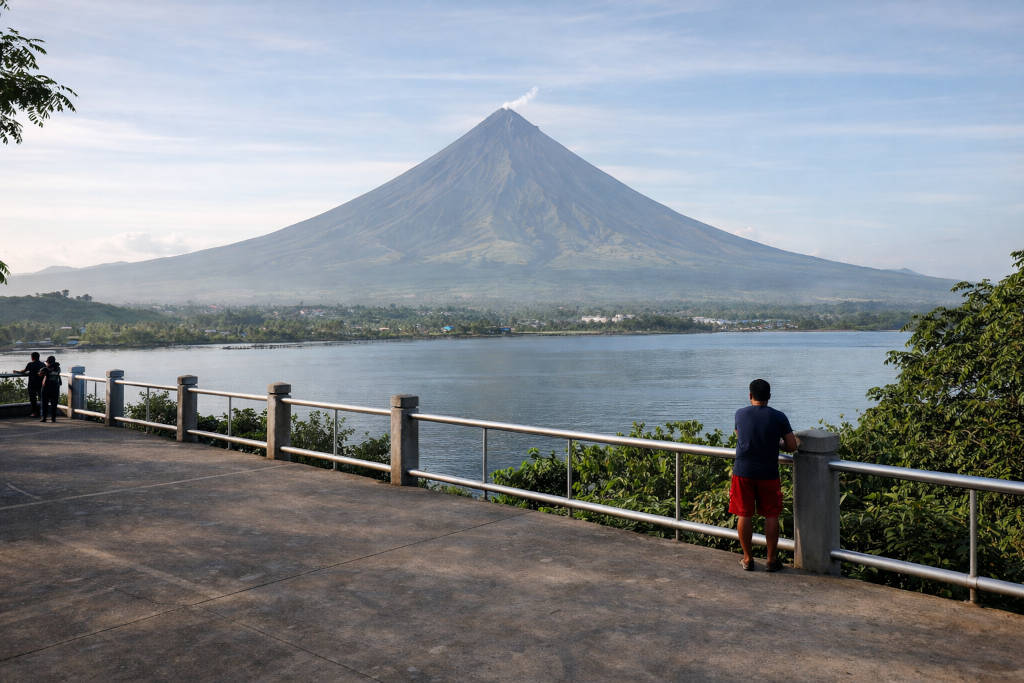
 Choose Legazpi City and Daraga if Mayon Volcano views are your priority and you want straightforward day tours. You’ll find more tour operators, easier airport access, and quick links to viewpoints like Cagsawa Ruins and nearby nature stops. Reality Check: clear Mayon Volcano views are weather-dependent, so plan one flexible viewing slot across multiple days instead of betting everything on one sunrise.
Base option B: Naga City for culture, food, and a city base
Choose Naga City if you prefer a walkable city base, food-hunting, museums, church visits, and regional day trips. It can feel more “city steady” than hopping coast-to-coast. Reality Check: Naga City is not a beach hub; reaching island or far-coast activities adds time and can turn into a long day.
Base option C: Donsol and Sorsogon for nature and coastline (explain added travel friction)
Choose Donsol and Sorsogon if your trip is coastline-first: calmer beach days, nature, and specific activities like whale shark tours (seasonal) or coastal viewpoints. This base can be restful once you arrive, but the transfers can be longer and more schedule-dependent. Reality Check: a “short distance” on the map can still mean multiple rides (van terminal to town, town to port, port to activity site), plus waiting time.
Optional add-ons only if you have time: Caramoan, Calaguas, Catanduanes, Masbate (warn about transfers)
Caramoan, Calaguas, Catanduanes, and Masbate can be amazing if you have time, but they are transfer-heavy. Add these only if you can handle extra port schedules, early departures, and weather disruption risk. Reality Check: if you add one of these on a 5D4N, you may end up spending two days mostly moving—so treat them as “next trip” destinations unless your main goal is that specific island cluster.
Where to stay (quiet vs central vs budget) with quick heuristics
This Bicol Travel Guide uses simple heuristics:
Central convenience: best if you want short walks to food, transport, and tour pickups (less stress, more noise). Quieter edges: best if you want sleep and slower mornings (more tricycle rides). Budget: works if you accept thinner walls, less storage, and occasional water pressure issues—choose locations closer to your “start point” to save time.
Reality Check: in smaller towns, “near the center” can still mean early-morning rooster noise and tricycle sounds; pack earplugs if you’re light-sleeping.
Legazpi City and Daraga stay areas (central convenience vs quieter edges)
Legazpi City center: easiest for eateries, last-minute supplies, and tour pickups. Good if you want to keep logistics simple. Near transport nodes: practical for early transfers, but expect more street noise. Daraga side: can feel calmer and closer to some heritage stops; expect slightly more tricycle time to certain restaurants and terminals. Reality Check: if your plan includes very early tours, staying closer to pickup points reduces morning friction more than upgrading your room category.
Naga City stay areas (walkable center vs quieter neighborhoods)
Walkable center: best for food, short city walks, and easy access to transport for day trips. Quieter neighborhoods: better for rest, especially if you plan early departures and want to sleep earlier; just budget a bit more for tricycle rides. Reality Check: if you’re visiting during major religious or festival periods, book earlier and expect road closures near key sites.
Top things to do by style
Keep each day simple: one main activity, one light add-on, then a calm meal. This Bicol Travel Guide groups options by style so you can match them to your base and weather window.
Nature and views (Mayon Volcano viewpoints, easy nature stops)
Mayon Volcano viewpoints (Legazpi City and Daraga): 2–4 hours total depending on stops; best planned as a flexible block (clear mornings help, but clouds can roll in anytime). Booking: tours help reduce stress if you want multiple viewpoints efficiently. Weather sensitivity: high—have a backup indoor stop ready.
Cagsawa Ruins (Daraga area): 1–2 hours; easy add-on to a Mayon Volcano viewing loop. Booking: usually not required. Weather sensitivity: medium—views depend on cloud cover.
Easy nature stops near town: short parks, viewpoints, or gentle walks can fill gaps without committing to long transfers. Reality Check: some “quick stops” still need waiting time for tricycles or vans, especially midday.
Beach and islands (choose one cluster based on time and sea conditions)
Sorsogon coastline day: half-day to full-day depending on your base; calmer if you’re already staying in Sorsogon or nearby. Booking: sometimes optional; ask locally about tides and currents. Weather sensitivity: high—wind and rain can change plans fast.
Island hopping-style option: plan a full day with early start; confirm sea conditions and boat availability the day before. Booking: recommended during weekends or holidays. Weather sensitivity: very high—boats may not run.
Reality Check: if you get seasick, choose one boat day only and keep the next morning light, or add a buffer day to avoid “forced transfer” stress.
Culture and heritage (churches, museums, city walks, festivals if timing matches)
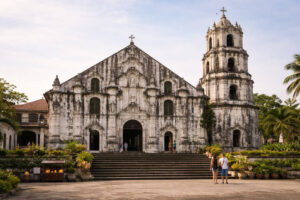 Naga City heritage and city walks: 2–4 hours; flexible and good for rainy days. Booking: usually not required. Weather sensitivity: low.
Daraga church visit: 1 hour plus travel time; best paired with nearby viewpoints. Booking: usually not required, but dress modestly and expect schedule changes during services. Weather sensitivity: low to medium.
Festivals (timing-dependent): confirm dates early and expect road closures, full hotels, and packed restaurants. Reality Check: during peak events, travel time inside cities increases even for short distances.
Food and markets (Bicol Express, Laing, pinangat, sili culture with practical notes)
Food is one of the easiest “low-effort, high-reward” parts of the Bicol Region. Look for menus featuring Bicol Express, Laing, and pinangat (also called natong), and treat spice as adjustable—many places can tone it down if you ask politely. For context and dish notes, read Bicol Spice Stories before you plan your food stops.
Reality Check: some popular eateries sell out early or close on specific weekdays, so keep a second option pinned near your hotel.
Getting there (choose your gateway)
Gateway choice can decide your stress level more than your hotel. In this Bicol Travel Guide, prioritize the gateway that reduces transfers for your main goal (Mayon Volcano, Naga City culture, or coastline nature).
By flight (Legazpi City airport as a common gateway, plus onward transfers)
Legazpi City is a common flight gateway for Albay and Mayon Volcano-focused itineraries. From the airport, expect short transfers into town by tricycle or ride arrangements, then longer onward transfers if you’re heading to Donsol, Sorsogon, or Naga City. Reality Check: flight delays happen; avoid stacking a long land transfer immediately after landing unless you have daylight and energy.
By bus (overnight bus realities, comfort tips, and arrival timing)
Overnight buses can work for budget and time-saving, but comfort varies. Bring a light jacket (cold aircon), snacks, and a power bank. Arrival timing can be very early; plan a “soft landing” breakfast and a bag-drop option. Reality Check: sleep quality may be low, so don’t schedule your most demanding activity on the same morning.
By port (only if your route requires it, note schedule dependency)
Use ports only when your route requires it (island add-ons or specific connections). Port schedules can change due to weather; confirm the day before and keep cash ready for small fees and short rides. Reality Check: missing a boat can cascade into losing a whole day, so ports need buffer time more than any other leg.
Getting around (low-stress transport notes)
Local transport patterns in the Bicol Region are familiar across many Philippine towns: tricycles for short distances, jeepneys for set routes, vans at terminals for inter-town transfers, and buses for long hauls. For a national primer you can apply here, use Philippines Public Transport Guide.
Tricycle and jeepney basics, where trips usually start, and what causes delays
Tricycles are best for hotel-to-terminal or short hops; agree on the fare before you ride (especially if you have luggage). Jeepneys follow set routes and can be cheap, but they may wait to fill up. Delays usually come from: waiting for enough passengers, midday heat slowing movement, rain turning roads into slow lanes, and congestion near markets and schools. Reality Check: build “terminal time” into your plan—arrive earlier than you think you need to.
Joining tours vs DIY day trips (when tours reduce stress)
Tours reduce stress when the day involves multiple stops, tricky timing (sunrise views), or a remote jump-off point. DIY works best for city walks, food trips, and one-stop days. Reality Check: not all tours run daily; confirm operating days, minimum group sizes, and pickup times the day before.
Sample itinerary: 3D2N (low-stress, with buffer)
This Bicol Travel Guide assumes one hub for 3D2N. The example below uses Legazpi City and Daraga because it’s straightforward for first-timers and easy to keep departure-safe.
Day 1 morning and afternoon blocks (arrival day planning)
Morning: Arrival window + transfer to Legazpi City or Daraga. Check in or leave bags. Do one easy, low-commitment meal near your stay.
Afternoon: Short Mayon Volcano viewing loop (choose 1–2 stops only) such as a viewpoint area plus Cagsawa Ruins. Keep it flexible if clouds cover the peak. Early dinner, then an early night.
Reality Check: arrival day energy is unpredictable, so treat the afternoon as “bonus” not “must-do.”
Day 2 morning and afternoon blocks (main activity day, weather-aware)
Morning: Main activity block: join a half-day tour or DIY a focused Mayon Volcano + heritage loop with early start.
Afternoon: Light add-on: café stop, museum-style indoor option, or a slow market walk. Keep packing and next-day timing in mind.
Reality Check: if rain hits midday, roads slow down and viewpoints are less rewarding—shift to food and indoor stops without forcing the schedule.
Day 3 morning and afternoon blocks (short wrap-up, departure-safe)
Morning: Short walk for pasalubong and a calm breakfast. Keep a hard cutoff time for checkout and airport/terminal travel.
Afternoon: Departure buffer (aim to be en route early rather than squeezing in “one last stop”).
Reality Check: tricycle availability can dip during lunch hours and rain bursts—leave earlier than you think you need.
Buffer plan for 3D2N (one swap-in option for rain or rest)
Explicit buffer block: Set aside one 2–3 hour block (Day 2 afternoon is ideal) for weather or rest. Swap-in options: Naga City-style indoor pacing isn’t possible from this hub, so choose a museum-like stop, a long lunch with mild spice options, or a quiet café reset near town. If skies clear late, use the buffer for a quick Mayon Volcano viewpoint attempt instead.
Sample itinerary: 5D4N (slower pace, with buffer)
With 5D4N, this Bicol Travel Guide recommends 1 to 2 hubs. A low-stress split is Legazpi City and Daraga (Mayon Volcano) plus Donsol and Sorsogon (coastline nature), but only if you accept transfer time and keep the middle day light.
Day 1 to Day 5 morning and afternoon blocks (keep transfers realistic)
Day 1 Morning: Arrival + settle in at Legazpi City or Daraga. Day 1 Afternoon: Easy Mayon Volcano viewpoint attempt (1–2 stops), early dinner.
Day 2 Morning: Main Mayon Volcano and nearby heritage loop (tour or DIY). Day 2 Afternoon: Food-focused pacing, light indoor stop, pack for transfer.
Day 3 Morning: Transfer to Donsol and Sorsogon area (start early, expect waiting time at terminals). Day 3 Afternoon: Quiet coastline time, early night.
Day 4 Morning: Nature activity block (confirm seasonality and briefing requirements if doing a whale shark-related activity). Day 4 Afternoon: Optional beach or viewpoint, keep it flexible for weather.
Day 5 Morning: Return transfer toward your exit point (or stay near your departure gateway the night before if timing is tight). Day 5 Afternoon: Departure-safe buffer and travel home.
Reality Check: the transfer day is the stress hinge—treat it as a travel day, not an activity day.
Buffer plan for 5D4N (one swap-in option for rain or rest)
Explicit buffer block: Make Day 4 afternoon your buffer. Swap-in options: if seas are rough or rain is steady, switch to a town-based food crawl, a relaxed café reset, or a short indoor visit rather than pushing for a boat plan. If conditions improve, use the buffer for a short coastline stop instead of a full island schedule.
Weather and buffer planning
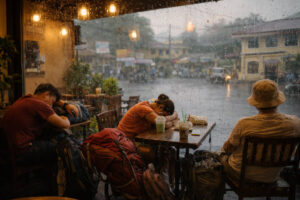 Weather changes plans in the Bicol Region faster than most first-timers expect, especially for Mayon Volcano visibility and boat schedules. Before you lock activities, check seasonal patterns and build buffers using Philippines Weather Travel Guide. Reality Check: even in “good months,” afternoon rain can be normal—so schedule your main outdoor block in the morning when possible.
Budget vs comfort tradeoffs (budget, mid-range, comfortable)
Budget planning in this Bicol Travel Guide isn’t just about room price—it’s about reducing friction. For sample spending patterns you can adapt, see Philippines Travel Budget Examples.
What changes with comfort (transfers, private rides, tour style, room location, meal choices)
Budget: more waiting at terminals, more shared vans, less control over stops, and higher fatigue risk. Mid-range: better room rest, easier early starts, and more reliable pickups. Comfortable: private transfers for key legs, shorter “door-to-door” time, and more flexibility to chase clear Mayon Volcano windows. Reality Check: comfort upgrades matter most on transfer days and early-start days, not necessarily on your slow afternoons.
Common pitfalls and how to avoid them
Overstuffing provinces: pick one hub (3D2N) or one to two hubs (5D4N) and accept tradeoffs.
Underestimating road travel: add terminal time and assume delays during rain and school-hours congestion.
Assuming tours run daily: confirm operating days, minimum headcount, and pickup points.
Skipping cash planning: carry enough cash for small rides, market meals, and fees—ATMs can be limited or offline.
Scheduling boats without buffers: keep at least one non-boat day or an indoor swap-in block.
Ignoring early-start logic: put your main outdoor plan in the morning; use afternoons for flexible, low-stakes activities.
Bicol Travel Guide FAQ
How many days do you need for the Bicol Region?
For a calm first trip, 3D2N works if you choose one hub (usually Legazpi City and Daraga or Naga City). For a more relaxed pace with one transfer, 5D4N is better.
Is the Bicol Region doable without a car?
Yes. You can use tricycles for short hops, jeepneys for set routes, vans from terminals for inter-town transfers, and buses for long distances. It takes more time and patience, so build buffers.
Where should you stay if you want Mayon Volcano views?
Legazpi City and Daraga are the easiest bases. They have the most straightforward access to Mayon Volcano viewpoints and day tours.
What is the most low-stress base for food and culture?
Naga City is a steady city base for food trips, walkable areas, and culture stops, with fewer “boat-day” dependencies.
When should you do your main outdoor activity?
Mornings are usually better for visibility and fewer delays. Plan your main Mayon Volcano viewing or long day trip early, then keep afternoons flexible.
Do you need to book tours in advance?
For weekends, holidays, and multi-stop days, booking helps reduce stress. For simple city walks and food trips, you can usually do DIY.
What are common comfort issues to plan for?
Long road transfers, early departures, rain disruptions, and limited late-night dining in smaller towns. Choose a stay area near your start point and keep one buffer block for rest.
Is Donsol and Sorsogon worth it on a short trip?
It can be, but only if it is your main goal and you accept transfer time. For 3D2N, it is often calmer to stay in one hub and save the coastline base for a longer return.
How do you avoid getting sick or exhausted?
Keep one big activity per day, drink water, plan midday breaks, and avoid stacking a late-night arrival with an early boat or long transfer the next morning.
Where can you find official local contacts?
For updated local tourism contacts and office details, use Department of Tourism Bicol Region Contacts, especially when weather disrupts schedules.
Low-stress planning in the Bicol Region is mostly about choosing fewer places and giving each day breathing room. Use this Bicol Travel Guide as a base, then adjust around your comfort level—early starts, cash readiness, and one honest buffer block can turn the same route from rushed to steady.