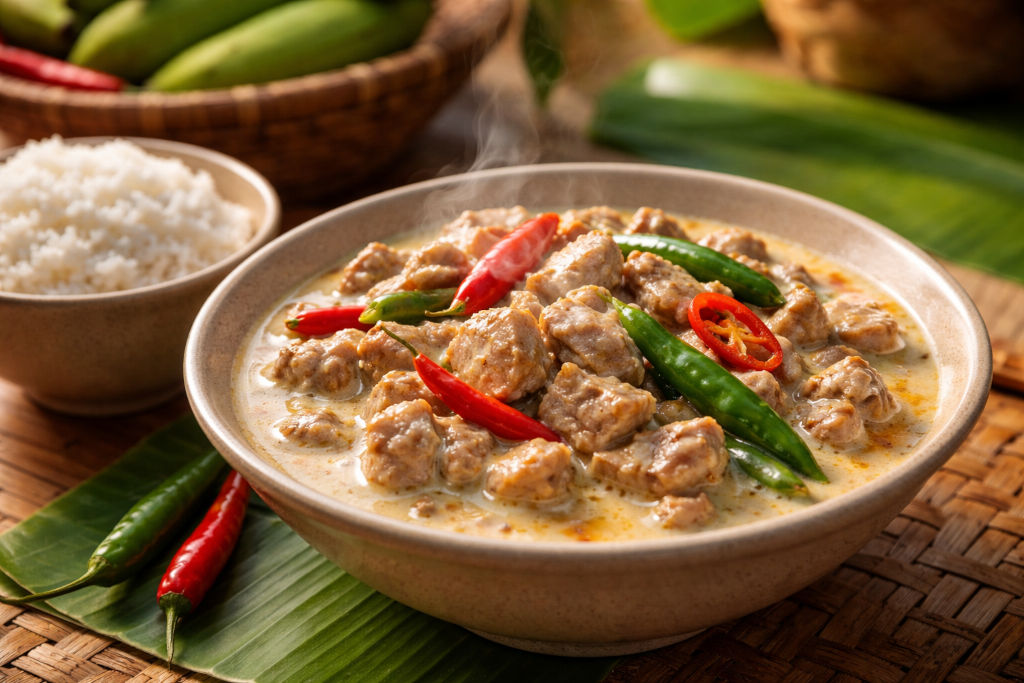
The first whiff hits before the plate even lands: gata (coconut milk) simmering into something glossy and rich, then that sharp green-red scent of sili that makes your nose wake up. The sauce is pale at the edges, but the center is a little storm—flecks of chili seeds, soft pork, maybe a hint of bagoong that pulls everything deeper. Someone at the next table says, “Kaya mo ’yan,” the way a friend dares you kindly.
I take a bite and feel the heat bloom—then the creaminess catches it, like a hand on your shoulder. That’s the beginning of Bicol spice stories: the heat that makes you brave, the heart that makes you stay at the table, and the heritage that keeps the flavors repeating across homes, carinderia counters, and palengke aisles.
This is a Food & Culture guide, but it’s also a small love letter to how Bicol cooks comfort. Spicy doesn’t always mean aggressive here. Sometimes it’s a slow burn that warms you through a rainy afternoon. Sometimes it’s a bright kick that wakes up rice. And sometimes, honestly, it’s too much if you’re not ready—so we’ll talk about that too. If you like reading travel-forward food features like this, start with Bakasyon.ph Food and Culture stories and keep your appetite open for more Bicol spice stories and other regional food narratives.
Heat That Holds You: Why Bicol Is Spicy in a Different Way
People ask, “What makes Bicolano food uniquely spicy compared to other Filipino regional cuisines?” The simplest answer: Bicol heat often lives inside creamy dishes, not just on the side. Many regions love chili—sawsawan, siling labuyo in vinegar, spicy longganisa here and there—but Bicol is famous for letting sili simmer into the main dish until the sauce and the spice become one personality. These are the everyday Bicol spice stories that start in the pot long before the food reaches your plate.
In Bicol, spice isn’t only a challenge; it’s a preference that shows up in everyday habits. You’ll hear locals talk about pagkain that’s “masiram” (delicious) with a certain pride—like the food has character. The spice can be playful (“Dagdagan pa!”) or practical (to stretch flavor in a pot of gata), and it often comes with rice in generous amounts. The heat is real, but so is the softness around it: coconut milk, root crops, leafy greens, and slow-cooked textures that feel like home.
That’s why these Bicol spice stories aren’t just about being tough. They’re about how locals balance heat, creaminess, and the need for a meal that comforts after long days—whether you’re coming from the coast, the farms, or the city.
Gata + Sili: The Pairing That Defines Bicol Cooking
So why is Bicol cooking known for the coconut milk + chili pairing? Think of gata as both flavor and technique. Coconut milk brings richness, body, and sweetness. It rounds sharp edges and makes sauces cling to rice. When you cook gata down slowly, it deepens—becoming nutty, almost toasted, especially when it starts to separate slightly and the oils rise. That’s when aromatics (sibuyas, bawang, luya, sometimes lemongrass) feel louder.
Now add sili. Chili brings brightness and bite, but in coconut milk, the heat travels differently. Instead of spiking and disappearing, it spreads. The creaminess carries the chili’s burn across your tongue in a steady wave. That’s the secret of many Bicol dishes: the heat doesn’t stand alone. It’s held by something generous. Locals know the rhythm—sip water, take rice, keep eating anyway—because the goal is not to suffer, but to feel the dish fully. This quiet technique is at the core of many classic Bicol spice stories.
If you’re a traveler, this is useful: in Bicol, “spicy” often means “spicy in sauce.” Asking for “less spicy” sometimes means fewer chilies in the pot, not just removing a garnish. When in doubt, say: “Konti lang pong sili” (just a little chili), and pair with extra rice. The rice is not an accessory—it’s your safety net.
Iconic Dish Story Cards: The Classics You’ll Meet Again and Again
Bicol Express: Creamy Heat With a Complicated Name
Taste: Rich, savory, and boldly spicy—pork in thick coconut milk with green and red chilies, often with bagoong (shrimp paste) adding that deep, salty edge.
What makes it Bicolano: The flavor profile—gata + sili + savory funk—feels undeniably rooted in Bicol cooking. This style of creamy-spicy stew is familiar across Bicol households, even when the exact recipe shifts by family.
The origin-story nuance: Here’s the real story as most careful food conversations tell it: the dish’s popular name “Bicol Express” is sometimes linked to Manila (stories often mention it being named or popularized there), while the taste logic is deeply Bicolano. That’s why you’ll hear debates—because food history is messy, and naming doesn’t always match birthplace. If you want a quick background reference, see Bicol Express, but the more important truth for travelers is this: when you eat it in Bicol, it doesn’t feel like an import. It feels like a home style that got a catchy label.
Practical traveler note: Ask your server how spicy it is today. Some pots are “friendly,” others are “warning.” If you’re a beginner, start with a small serving and a lot of rice. If you’re very sensitive, order a cooldown dish alongside (we’ll get to kinalas).
Laing or Pinangat: Taro Leaves, Time, and a Deeper Next-Day Flavor
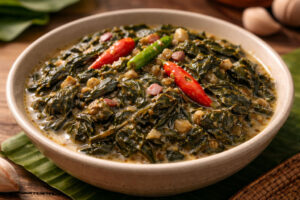 Taste: Earthy, creamy, and savory with a slow-building heat. The taro leaves (gabi) become silky and dense, and the sauce tastes almost darker than it looks—especially after it rests.
Naming clarity in Bicol: Outside the region, many people say “laing” for the dish of dried taro leaves cooked in coconut milk with chilies. In parts of Bicol, you’ll also hear “pinangat,” and in some towns “pinangat” can refer to a wrapped/parcel style (often taro leaves around fish or other fillings) while “laing” refers to the chopped-leaf stew style. This varies by place and family, so it’s best to ask what you’re getting rather than assume one universal definition.
What makes it Bicolano: It’s the patient cooking. Taro leaves need to be handled right—traditionally, you don’t stir too early, and you let the gata do its slow work until everything feels cohesive. It’s also the kind of dish Bicolanos will tell you tastes better the next day. And it really does: after a night in the fridge, the flavors settle, the chili integrates, and the sauce feels thicker and more confident.
Practical traveler note: If you’re buying laing/pinangat as pasalubong, choose versions that look like they were cooked down properly—thick, not watery; rich in color; with visible aromatics. And if you’re eating it fresh, don’t be shy to ask for extra rice. This is not a “one spoon and done” dish.
Kinunot: The Comfort Bowl That Whispers, Then Warms
Taste: Creamy-spicy and gently briny, often made with shredded stingray or shark (depending on what’s locally used and available), simmered in coconut milk with chilies and aromatics. The texture is tender, almost flossy, like the sea got softened into comfort food.
What makes it Bicolano: Kinunot feels like coastal Bicol at the table—seafood treated with gata the way Bicol knows best. It’s not always as aggressively spicy as Bicol Express, but it carries warmth that builds. It’s the dish you crave when you want something soothing but still unmistakably Bicol.
Practical traveler note: Ask what fish is used. In some places, the answer can vary by day. If you’re cautious, this is a good dish to try in a place that looks clean and steady with seafood turnover. Eat it with hot rice and something bright on the side (even a simple tomato-onion salad) if available.
Sinantol: Sour Santol Turned Silky and Spicy
Taste: Creamy and savory with a tangy bite—santol (cotton fruit) has a sourness that cuts through coconut milk, and the chilies make it lively. It’s a dish that feels both rich and refreshing in the same mouthful.
What makes it Bicolano: It shows Bicol’s talent for balancing. The gata softens the santol’s sharpness, while sili keeps it awake. The result is comfort that doesn’t feel heavy.
Practical traveler note: Great “middle-level” spice for many travelers. If you’re new to Bicol heat, sinantol can be a smart bridge: flavorful, creamy, but often less punishing than a very spicy Bicol Express pot.
Pancit Bato With Spicy Pairings: Noodles That Love a Kick
Taste: Pancit bato is springy and satisfying, usually stir-fried and served with toppings that can range from vegetables to bits of meat or seafood. The noodles themselves are the comfort; the spice often comes from what you add—sili, chili oil, or a spicy side dish that turns the plate into a full Bicol moment.
What makes it Bicolano: It’s everyday food—quick, filling, and customizable. It’s what you eat when you want something practical, not ceremonial. In a Bicol food crawl, it also gives your mouth a break from pure gata-based intensity while still letting you chase heat.
Practical traveler note: Look for chili condiments on the table and try a little first. If you’re doing a budget crawl, pancit bato often sits in the “affordable and filling” category—perfect for pacing your day between richer gata dishes.
Kinalas: A Cooldown Dish That Still Feels Deep
Taste: Savory noodle soup with a rich, almost sticky broth texture (often from slow-cooked meat and collagen), topped with tender bits and aromatics. Not necessarily spicy by default—though you can add heat with chili condiments.
What makes it Bicolano: Kinalas is beloved comfort—especially in Naga conversations—and it’s part of how locals balance a spicy food culture. Not every meal has to be blazing. Sometimes you reset with soup, then go back to sili later.
Practical traveler note: If your spice tolerance is low, kinalas is a friendly anchor meal during a Bicol spice day. If your tolerance is high, use it as a base and add chili gradually, tasting as you go.
Heat Levels, Rice Strategy, and Beginner vs Advanced Orders
Which Bicol dishes should spicy beginners try first, and which ones are “advanced”? Here’s a traveler-friendly way to think about it: start with dishes where gata cushions the heat and where you can control portions. This is how many visitors build their first personal set of Bicol spice stories.
Beginner-friendly (start here): kinalas (add chili slowly), pancit bato (spice is often optional), and many versions of sinantol (rich but balanced). Some laing/pinangat can also be beginner-friendly if the pot is mild—just ask first.
Intermediate: laing/pinangat when it’s clearly chili-forward, and kinunot when it’s cooked with a confident amount of sili.
Advanced: Bicol Express that’s proudly “maanghang talaga,” especially when chilies are abundant and seeds are left in. This is where rice becomes your best friend. Locals don’t “prove” anything by eating it without rice—they eat it properly, with rice doing its calming job.
How do locals balance heat and creaminess in gata-based dishes? They don’t fight the heat; they manage it. They take smaller bites of ulam, bigger bites of rice. They pause, laugh, sip water, and continue. They treat spice like weather—something you respect, not something you dramatize.
Markets and Pasalubong: Where Bicol Spice Culture Lives in the Palengke
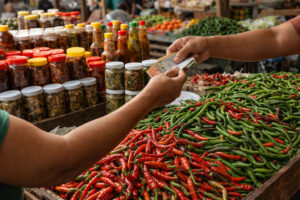 If you want to experience Bicol spice culture in its most everyday form, go to a palengke (public market). Not the polished souvenir shop version—the real one, where fish smells like the ocean, vegetables look freshly rinsed, and chilies come in heaps like little bright warnings. Walking those aisles is another way of collecting Bicol spice stories without even sitting down for a full meal.
What to look for in a palengke
Fresh sili: You’ll see different shapes and sizes—some small and sharp, others longer and greener. Ask which ones are “pinakamaanghang” (the spiciest) if you’re curious, but handle with respect. Even the scent can sting.
Coconut and gata cues: Look for freshly grated coconut or coconut milk vendors if available. It’s a reminder that gata isn’t just an ingredient—it’s a daily staple in many kitchens.
Cooked ulam stalls: Some markets have ready-to-eat sections where you can spot laing, Bicol Express, or kinunot. This is where you’ll see how locals actually eat: rice-heavy, practical portions, food meant to be taken home and shared.
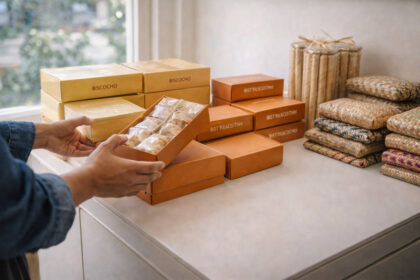
Pasalubong hubs: what to buy and how to pack it
What pasalubong best represents Bicol heat? Bottled chili condiments (chili oil, chili paste, vinegar with sili), bottled laing, and bottled Bicol Express are common choices because they travel better than fresh gata dishes. Pili nut products are also a signature Bicol pasalubong—often not spicy, but deeply regional. For a quick background on pili’s export potential and why it matters to the region’s agriculture, you can glance at this page on the Bicol government site.
What to ask: Ask when it was made (“Kailan niluto?”), how long it keeps, and whether it needs refrigeration after opening. If you’re buying bottled laing/Bicol Express, ask if it’s cooked down properly (thicker usually travels and reheats better than watery).
How to choose good-looking bottled items: Look for intact seals, clean labels, and no suspicious bubbling. For bottled gata-based dishes, prefer products with clear storage instructions and a reputable-looking production date. A rich, thick appearance is usually a good sign—oily separation can be normal in gata products, but it shouldn’t look fermented or off.
How to pack/transport: Wrap bottles in clothes, keep them upright in a plastic bag, and consider double-bagging. If you’re traveling long hours in heat, avoid leaving gata-based bottles in direct sun. For flights, check liquid restrictions and use checked baggage when needed.
If You’re in Naga vs Legazpi and Albay: Tasting Priorities That Make Sense
You don’t need a complicated plan for a Bicol food crawl—just a smart order of eating. Here’s a practical approach that works even if you don’t know exact stall names.
If you’re in Naga
Start with kinalas as your anchor meal—warm, filling, and a good baseline. Then move into a laing/pinangat plate (ask how spicy), and finish with a creamy-spicy dish like kinunot or a moderate Bicol Express if your tolerance allows. If you’re out during market hours, prioritize a palengke visit for chili condiments and cooked ulam to take home.
If you’re in Legazpi or Albay
Albay is a beautiful place to pair food with scenery—if you’re already planning viewpoints, you can weave meals around them. For destination inspiration, browse Albay travel guides, and if you’re chasing iconic views, keep Albay volcano viewpoints in your pocket. On the food side, look for the gata+sili classics (Bicol Express, laing/pinangat) and balance them with noodles or soup so you don’t burn out your palate in one day. A simple two or three day loop through these dishes already gives you your own set of Bicol spice stories to bring home.
Budget guidance for a Bicol food crawl
How much should you budget for a Bicol food crawl? It depends on how you eat, but ranges help. Street eats and carinderia meals often land around ₱60–₱150 per dish, sometimes less for simpler items. More comfortable restaurants might run around ₱200–₱450+ per dish, especially for seafood or specialty preparations. A realistic day of tasting (2–4 stops, with rice and drinks) can sit around ₱300–₱900 per person depending on your choices and appetite. Bring extra for pasalubong bottles—those add up fast.
Heritage on a Plate: Food as Bicol Identity (Without Overclaiming)
It’s tempting to explain Bicol food with one sweeping statement—“Bicol loves spicy!”—but the more honest approach is to see it as a spectrum shaped by place, ingredients, and habit. Coastal towns have different seafood rhythms. Inland areas might lean into leafy dishes and coconut. One family’s laing is another family’s pinangat. Some pots are bright with green chilies; others use a more measured hand. Heritage here isn’t a single recipe—it’s repetition. It’s the way gata shows up on ordinary days, not only fiestas.
Markets carry that identity too. You see it in how chilies are sold not as novelty but as necessity. You hear it in how people talk about food: “Masiram pag may sili,” like spice is part of what makes a meal feel complete. If you’re visiting during a celebration, notice how food and culture braid together—many towns have fiestas and gatherings where local dishes take center stage. For broader context on how festivals and food connect across the country, you can skim a Philippine festivals and food culture guide, then return to Bicol and see how local pride tastes in gata.
These are the kinds of Bicol spice stories that matter: not the myth of “the spiciest region,” but the everyday practice of cooking with coconut, chili, and care.
Modern Bicol Spice Trends: When Heat Gets Playful
Not all Bicol spice stories are old. Some are new and a little cheeky. Modern spice trends—like sili ice cream—exist partly because Bicolanos enjoy pushing flavor boundaries, and partly because travelers love a dare. Sili in dessert can work when it’s done with restraint: a gentle warmth at the back of the throat, not a full chili assault. Think of it as a conversation starter, not a replacement for the classics.
If you see modern spicy products in pasalubong hubs—chili chocolates, spicy pili nut snacks, chili jams—treat them as side quests. Fun, memorable, great for gifts. But when you want to understand the region, return to the staples: gata, leaves, fish, pork, rice, and the patient simmer that makes the flavors feel lived-in.
Bicol spice stories FAQs
What makes Bicolano food uniquely spicy compared to other Filipino regional cuisines?
The heat is often built into creamy main dishes through gata-based cooking, not only added as a condiment. Spice becomes part of the sauce, not just a side.
What’s the real story behind Bicol Express (and why do some sources link it to Manila)?
Many accounts suggest the popular name and wider fame are tied to Manila, while the flavor profile—coconut milk, chilies, savory depth—is rooted in Bicol cooking traditions. Naming and origin don’t always match neatly.
Laing vs pinangat: are they the same dish or different in Bicol?
It depends on the town and household. “Laing” commonly refers to taro leaves stewed in coconut milk with chilies; “pinangat” can be used similarly in some places, and in others it refers to a wrapped/parcel preparation. Best practice: ask what style you’re being served.
What are must-try spicy dishes beyond Bicol Express and laing?
Kinunot and sinantol are excellent next steps, plus pancit bato paired with chili condiments if you want something filling but flexible.
What is kinunot and why is it signature comfort food?
It’s a creamy-spicy coconut milk dish often made with shredded seafood, offering warmth and richness without always being as aggressively spicy as Bicol Express—comfort with coastal soul.
Where can you experience Bicol spice culture in markets and palengke settings?
Visit public markets for fresh chilies, gata ingredients, cooked ulam trays (laing, Bicol Express, kinunot), and stalls selling bottled chili condiments and pasalubong jars.
What should you look for when buying bottled laing/Bicol Express to bring home?
Intact seals, clear storage instructions, clean labeling, a recent production date if available, and a thick cooked-down look rather than watery sauce. Pack bottles upright and protected.
Bicol heat isn’t only about how much you can endure. It’s about how spice becomes part of care—how coconut milk makes room for chili, how rice keeps the table welcoming, how a palengke stall can feel like a map of daily life. When you collect Bicol spice stories, you don’t just remember the burn. You remember the kindness around it: the friend who says “Kaya mo ’yan,” the server who brings extra rice without you asking, the way “masiram” becomes a shared language—warm, proud, and very Bicol.
If you want more food narratives that travel well, you can also explore Filipino food culture stories for travelers and build your own edible itinerary across the islands.