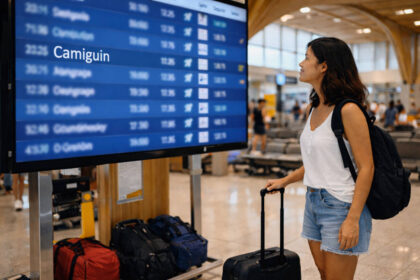
If you’re trying to pick the best time to visit Sorsogon, think like a planner first: wind affects the sea, sea affects boats, and boats affect whether your day pushes through or gets rescheduled. Add holiday crowds and price jumps, and your “perfect month” becomes a set of trade-offs you can manage—especially if you build in a simple backup plan.
This guide is built for logistics that actually change a trip: month-by-month weather feel, crowd and price patterns, and what “maalon” usually means for small boats around Matnog and other boat-dependent plans. For broader trip prep beyond Sorsogon, you can also use Philippines Travel Planning Guide For First-Timers.
At-A-Glance: best time to visit Sorsogon
- Most predictable drier window: often February to early May, with warmer days and fewer rain delays (still check forecasts close to your dates).
- Wind and seas: Amihan months can feel cooler but breezy; Habagat months can bring heavier rain and rougher sea days, especially during strong weather systems.
- Travel time reality: long overland hours are common; consider route planning early using Clark To Sorsogon How To Get There.
- Budget band: generally mid-range, but boats and peak dates can push costs up fast (limited rooms and vehicles get booked first).
- Crowd risk: highest around Holy Week, summer break, and Christmas to New Year; expect higher rates and tighter schedules.
- Backup idea if seas turn rough: swap boat plans for inland nature stops (lakes, hot springs, viewpoints), or schedule a flexible “buffer day.”
Reality Check: Sorsogon weather can shift within days. Even in “good months,” a single strong wind event can flip sea conditions, so plan with options rather than a single must-do day.
Best Time To Visit Sorsogon: How To Use This Guide
Quick reality check about forecasts and last-minute changes
The best time to visit Sorsogon depends on what you can’t compromise on: calmer boat days, fewer crowds, or lower prices. Month names help, but your final decision should still include a forecast check a few days before you travel, plus an extra look the night before any boat tour. If a weather disturbance enters the Philippine Area of Responsibility, plans can change quickly.
Reality Check: Tour operators are balancing safety and timing. If they pause a trip due to wind, waves, or visibility, it’s usually not “being strict”—it’s avoiding situations where small boats become risky.
Choose dates based on your top priority (sea, budget, crowds, comfort)
- If boat time is your top goal: prioritize months and weeks with fewer strong wind signals, then add a buffer day.
- If budget is your top goal: avoid peak holidays, and consider shoulder weeks just before or after the busiest periods.
- If comfort matters most: aim for months that are warm but not at peak heat, and avoid weeks with frequent heavy downpours if you’re doing long road trips.
Sorsogon Weather Basics In Plain Language
Dry vs wet in the Philippines and what it means on the ground
 When travelers say “dry season,” they usually mean fewer all-day rains and fewer trip-disrupting downpours—not zero rain. “Wet season” often means higher chance of heavy rain, more cloudy days, and a higher chance that outdoor plans (especially boats) get moved.
For a wider context on timing across the country, Philippines Weather Guide And Best Months is a helpful companion. For the official season overview, you can also check PAGASA Guide To Philippine Seasons.
Reality Check: “Light rain” in a forecast can still mean slick roads, reduced visibility, and slower travel times—especially if you’re moving between towns.
Amihan vs Habagat and why wind matters for seas
Amihan (Northeast Monsoon) often brings cooler air and steady winds. Habagat (Southwest Monsoon) often brings humid air and heavier rain spells. For travelers, the key point is wind: stronger winds usually mean rougher seas, choppier boat rides, and higher cancellation risk for small boats.
Reality Check: Even if the sky looks clear inland, the coastline can be windy. Sea conditions can be different from what your weather app shows for the town center.
Month-By-Month Overview For Sorsogon
Use this month-by-month section to narrow your first draft dates. Then confirm with a forecast check close to your trip, especially if you’re planning Matnog island hopping or any small-boat activity. Reality Check: The same month can feel different year to year depending on storms and wind patterns.
January
Often cooler than summer months, with a moderate rain chance. Amihan winds can still show up, so beach days may feel breezy. Small boats may face choppy seas on windier days, so keep boat plans flexible.
February
Typically one of the drier-feeling months, with warm days and fewer heavy rain interruptions. Winds can still be present, but long, soaking rains are less common. Sea risk for small boats is often lower than peak wet months, but wind-driven waves can still happen.
March
Warmer and often drier, with lower rain chance compared to mid-year months. Wind tends to ease compared to earlier Amihan weeks, though breezy days can still appear. Sea conditions often improve, but always confirm before boat departures.
April
Hotter days are common, and sun exposure becomes a real factor. Rain chance is usually lower, but isolated showers can still pop up. Seas can be more boat-friendly on many days, yet heat and glare can make long outings tiring.
May
Still warm to very hot, with a gradually rising chance of showers as the season shifts. Humidity starts to climb, and afternoons can feel heavy. Sea conditions can be mixed—many workable mornings, with occasional rain or wind changes later in the day.
June
Rain chance increases, and Habagat patterns can start influencing travel days. Expect more cloudy skies and a higher chance of downpours that slow down road trips. Sea risk for small boats trends higher, especially during stronger wind periods.
July
Often wetter, with frequent rain days and higher humidity. Winds and passing weather systems can make seas unpredictable. Small-boat trips are more likely to be adjusted, especially if advisories are issued.
August
Rainy spells can be common, and travel days may need more buffer time. Habagat can bring gusty periods that affect coastlines and crossings. Sea risk for small boats is often elevated, so plan inland alternatives.
September
Often still wet, with a steady chance of rain and occasional strong weather systems. Humidity remains high, and roads can be slower due to waterlogging in some areas. Seas can turn rough quickly, increasing cancellation risk for boat tours.
October
Transition month vibes: some clearer breaks, but rain can still be frequent. Storm activity can affect schedules, so watch updates closely. Sea conditions can swing from calm to rough within a short window, especially around weather disturbances.
November
Rain chance can rise again, and stronger systems can pass through Bicol. Winds may shift as Amihan season approaches, which can affect sea conditions. Small boats may face higher risk days, so avoid tight, one-shot schedules.
December
Often cooler than peak summer, but rain and strong weather events are still possible. Holiday travel increases, and weather disruptions can ripple into transport and tours. Sea risk for small boats can be moderate to high depending on wind and advisories.
Crowds And Prices: When It Feels Busy And When It Costs More
Peak crowd periods to expect (summer break, Holy Week, Christmas to New Year, long weekends)
In Sorsogon, the busiest weeks often line up with national travel patterns: Holy Week, summer school break weeks, and the Christmas to New Year stretch. Long weekends can also create sudden spikes—buses fill faster, rooms get limited, and tour slots become tighter.
Reality Check: Peak crowds don’t just mean “more people.” They also mean longer wait times for meals, fewer transport choices late in the day, and less flexibility if weather forces a reschedule.
Typical price pattern (more demand equals higher rates and fewer choices)
As demand rises, the first thing you’ll notice is fewer choices at your preferred budget, not always a dramatic price jump. Mid-range rooms and family-friendly options often sell out earlier. For boat tours and private vehicles, peak dates can mean stricter time slots and more limited availability.
A simple booking rule (how far ahead to book in peak vs shoulder months)
- Peak weeks: aim to lock in transport and key stays earlier, especially if you’re traveling as a family or group.
- Shoulder weeks: you can often book later, but still reserve boat-dependent tours with enough time to reschedule if seas turn rough.
Reality Check: If your plan depends on a specific boat day, booking early is only half the solution. The other half is building a spare day you can move things to.
Sea Conditions 101: What “Maalon” Usually Means For Travelers
What makes seas rougher (wind direction and strong weather systems)
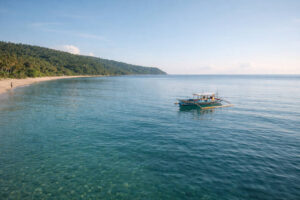 Seas usually get rougher when winds get stronger and stay strong for hours. A calm-looking morning can turn choppy by midday if winds pick up. Strong weather systems—like tropical depressions, storms, or distant cyclones—can also create big swells even if rain isn’t constant where you are.
Reality Check: Rough seas are not only about waves. Wind, current, and visibility matter for safety, especially for smaller boats and exposed routes.
Activities most affected in Sorsogon (Matnog island hopping, boat-dependent tours, beach crossings)
Boat-dependent plans are the first to feel the difference: Matnog island hopping, beach-to-beach crossings, and some coastal activities that need a short boat transfer. If you’re coordinating a group, seasickness and comfort also become real factors when it’s choppy.
When tours often cancel and what operators usually do (reschedule, refund rules to check, early morning departures)
Tours often cancel when wind is strong, waves are consistently choppy, or official advisories recommend against small craft travel. Operators commonly offer a reschedule to the next safer window, but refund and rebooking rules vary—ask before you pay, and keep screenshots of your agreement. Early morning departures are common because winds can strengthen later in the day.
Reality Check: The best time to visit Sorsogon for boat plans is partly about month choice, and partly about leaving space to move your boat day when the sea says no.
Best Months By Travel Style
If you want calmer seas and easier boat days
If your priority is boat time (especially around Matnog), many travelers aim for the drier-feeling stretch that often runs from February through early May, then adjust based on the week’s wind and advisories. This doesn’t guarantee calm seas, but it often reduces the number of days lost to heavy rain systems.
Reality Check: Even in the best time to visit Sorsogon for boats, a single windy week can change everything. Keep at least one extra day in your schedule for a move.
If you want fewer crowds and better deals
Shoulder weeks outside major holidays are usually your friend. Late February (after holiday travel settles) and parts of May (before the wet pattern fully settles in) can feel less packed than peak breaks, while still giving you workable weather days. If you’re price-sensitive, avoiding Holy Week and Christmas week often matters more than picking a “perfect” month.
If you can only travel on a long weekend
For long weekends, reduce risk by choosing accommodations close to your must-do area (so you’re not spending your best weather window stuck in transit). Start early on travel days, and keep a simple Plan B that doesn’t need a boat. If your long weekend lands in a wetter month, prioritize inland stops and treat boat tours as “nice if it works.”
If you’re traveling with kids or seniors
Comfort usually improves when heat is manageable and rain isn’t constant. Aim for months that often feel less extreme (commonly February or March), plan shorter activity blocks, and avoid packing every day with long drives. If whale shark interaction is on your list, use Sorsogon Travel Guide And Whale Shark Interaction Tips to align timing, expectations, and safety rules around Donsol.
Reality Check: The best time to visit Sorsogon with family is often the time with the fewest “must-do today” items. Build rest, shade breaks, and flexibility into the plan.
What To Pack By Season
Dry and hot months packing list

- Light, breathable clothes; a spare shirt for midday sweat
- Sun protection: cap or hat, sunscreen, sunglasses
- Refillable water bottle and basic electrolytes
- Comfortable walking footwear (heat makes long walks feel longer)
Reality Check: Heat can be the main “cancellation factor” in summer—not because plans stop, but because energy drops fast. Shade and hydration planning matter.
Cooler and windy months packing list
- Light jacket or windbreaker for breezy coastlines
- Long sleeves you can layer (especially for early mornings)
- Secure hats and straps (wind can be surprisingly strong)
Rainy months packing list
- Packable rain jacket or poncho (easier than an umbrella in wind)
- Quick-dry clothes and an extra pair of sandals
- Waterproof pouch for documents and cash
- Small towel and a plastic bag set for wet items
Reality Check: In wet months, comfort comes from staying dry enough to keep moving. One good rain layer can save a whole day.
Boat day essentials (dry bag, waterproof phone case, motion sickness basics)
- Dry bag or dry pouch for phone and valuables
- Waterproof phone case and a lens cloth for sea spray
- Motion sickness basics (especially for kids or first-timers)
- Non-slip sandals and a light cover-up for sun and wind
The Flexible Planning Rule (Simple And Practical)
If you’re flexible by 2 to 4 weeks
Use a two-step filter: first, avoid peak holiday blocks; second, choose a likely workable weather window (often late February to early May) and then pick the week with the cleanest forecast as your departure gets closer. This simple approach increases your odds without pretending any month is perfect.
Reality Check: Flexibility beats “best month” claims. The best time to visit Sorsogon is often the week that stays clear, not the month that looks good on paper.
If you’re flexible by 2 to 3 days
Shift your boat day rather than your whole trip. Keep one day that can swap positions: if seas are rough, do inland stops first; if seas calm down, move the boat plan into that slot. Even a small 48-hour wiggle room can reduce cancellations.
If your top goal is a boat tour (Plan A, Plan B, Plan C)
- Plan A: choose your primary boat day early in the trip (so you still have time to move it).
- Plan B: list one inland day you’ll enjoy even if it rains lightly.
- Plan C: keep a final “buffer morning” for a last safe window, or accept a reschedule/refund based on the operator’s rules.
For local updates and planning references, you can keep the Official Sorsogon Tourism Portal bookmarked alongside your forecast apps.
Safety And Comfort Notes That Affect Timing
Road trip and transit comfort in heavy rain
 Heavy rain changes travel math: slower road speeds, potential flooding in low-lying areas, and longer stops. If you’ll rely on buses or mixed transport, align timing with comfort by reading Philippines Public Transport Guide, then avoid super-tight connections on wetter months.
Reality Check: A “short transfer” on maps can turn into a long wait in rain. Bring snacks, water, and patience, and keep your itinerary loose on travel days.
When to be extra conservative about seas
Be extra conservative if you see strong wind forecasts, storm updates, or advisories that mention small craft risk. If anyone in your group is uncomfortable on boats, treat a choppy forecast as a reason to switch plans early, not at the dock. The best time to visit Sorsogon for your group is the time that keeps everyone safe and calm enough to enjoy the day.
Quick checklist before you leave (forecast, advisories, operator confirmation)
- Recheck forecast the night before and morning of travel (wind matters as much as rain).
- Look for advisories that affect small craft and crossings.
- Confirm pickup time and go/no-go rules with your operator.
- Keep emergency contacts, cash, and offline copies of bookings.
For a general safety refresher before any Luzon road-and-sea mix itinerary, review Travel Safety Tips For The Philippines.
FAQ
What is the best time to visit Sorsogon for Matnog island hopping?
Many travelers aim for the drier-feeling months that often run from February to early May, then choose specific days based on wind and advisories. Add a buffer day so you can move the tour if seas turn rough.
When is the rainy season in Sorsogon?
Rainier conditions are more likely around mid-year into late-year, often aligning with Habagat patterns and passing weather systems. Exact timing varies year to year, so check forecasts close to your trip.
Does Amihan or Habagat matter more for sea conditions?
Both can matter, but what you feel most is wind strength and how long it lasts. Stronger, sustained winds usually mean rougher seas and higher cancellation risk for small boats.
Is December a good month to go if I want fewer crowds?
Early December can be quieter than the Christmas to New Year rush, but weather disruptions can still happen. If you’re traveling in late December, plan for heavier crowds and book earlier.
When do tours often cancel in Sorsogon?
Cancellations are more common during strong wind days, storm updates, and when advisories warn against small craft travel. Operators often try to reschedule; ask about refund rules before paying.
What should I pack if I’m traveling during wet months?
Prioritize a packable rain jacket, quick-dry clothes, waterproof pouches, and dry bags for boat days. Wet-season comfort is mostly about staying dry enough to keep moving.
If I can only do a 3-day trip, what’s the simplest rule?
Pick accommodations close to your top activity, schedule the boat day early, and keep one inland Plan B. This reduces stress if seas turn rough and helps you use short clear windows.
If you want more itinerary ideas and updates you can plug into your chosen dates, browse Sorsogon Travel Guides. For more planning-first articles like this, you can also visit Tips And Inspiration.