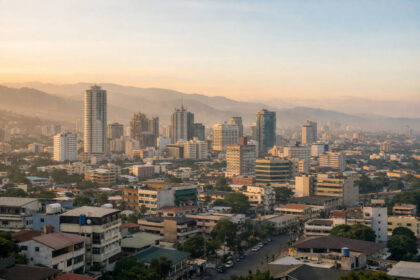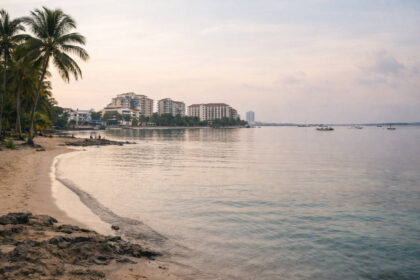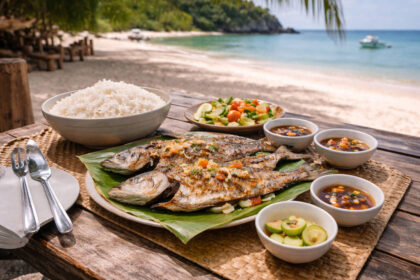
Choosing the Best cafes in Camiguin for laptop work is less about chasing “fast Wi-Fi” and more about setting the right expectations. Camiguin is a small island province with a relaxed pace, where power and connectivity can be steady one hour and moody the next. If you plan your work blocks around quiet hours, bring a simple backup kit, and follow small-cafe etiquette, you can still get meaningful work done—without stressing the staff or yourself.
If you’re mapping your first island-style workday, start with this general context: Camiguin is made up of several municipalities, and most cafe-hopping (and errands) naturally centers around Mambajao. The goal of this guide is practical: help you pick spots that are workable for laptops, not just cute for photos.
For broader trip logistics—ports, schedules, and what to prep before you land—bookmark this: Philippines Travel Planning Guide for First Trip. It’s especially helpful if you’re combining cafe work with island touring.
At-a-Glance: Camiguin Cafe Workday Basics
Best time window: Weekday mornings (roughly 8:30 AM to 11:00 AM) for quieter seating; early afternoons can work if you avoid peak merienda hours.
Realistic travel time: If you’re based near Mambajao, most stops are 5 to 20 minutes apart by short ride. From the main port area to Mambajao proper is often a quick hop, but traffic and rain can slow things down.
Budget band: Plan around PHP 150 to 350 per person per cafe visit depending on whether you add pastries or a second drink.
Crowd risk: Highest around lunch and merienda (snack time, usually mid-afternoon), plus sunset hours if a cafe has an open view.
Rain/heat backup: Keep an indoor option and offline tasks ready; rainy days can shift everyone into the same covered cafes. For seasonal comfort planning, skim Philippines Weather Travel Guide Best Months.
Reality Check: Even the most “workable” cafe day on a small island benefits from flexibility. Build your plan with one main cafe, one backup cafe, and one non-cafe backup (like your accommodation).
What To Expect From Cafe Wi-Fi In Camiguin
The honest “Wi-Fi reality check” for a small island
Wi-Fi in Camiguin can be fine for messaging, email, and light cloud work, but it may not be consistent enough to promise smooth Zoom calls all day. Some spots may have Wi-Fi available yet limit access during busy hours, or the signal may weaken when more guests connect. Treat cafe Wi-Fi as a helpful bonus—not your only plan.
If you need calls, prioritize: (1) quieter hours, (2) a seat close to the router area (politely ask where it’s strongest), and (3) a personal data fallback. Also remember that island-wide issues (weather, maintenance, brief outages) can affect multiple places at once.
Reality Check: Avoid scheduling your most important call as your first task in a new cafe. Do a quick test (load a file, join a call briefly with camera off) before committing.
Backup plan checklist (SIM, tethering, power bank, offline work)
Bring a small “workday survival kit” so you’re not stuck when Wi-Fi slows down:
- SIM or eSIM: If your phone supports it, an eSIM can be convenient. If not, a physical SIM works—just test which network is stronger where you’re staying.
- Tethering (hotspot): This means sharing your phone’s data connection to your laptop. Practice turning it on before you need it.
- Power bank: Choose one that can recharge your laptop (if supported) or at least your phone, plus spare cables.
- Offline work set: Download documents, maps, and reference files so you can keep moving even when online tools lag.
- Earbuds: Helpful for calls and for keeping your audio private in a small room.
Because details change, double-check on the cafe’s latest post or message them if you’re relying on Wi-Fi for a deadline, asking about outlets, or confirming opening hours.
Reality Check: On rainy afternoons, everyone may hotspot at once—your mobile data can slow down too. Keep a task list that includes offline items (editing, outlining, budgeting, sorting photos).
Cafe Styles You’ll Find In Camiguin
Third wave and specialty coffee corners
You’ll see a few “third wave” style setups—meaning they focus on coffee craft (beans, brewing methods, tasting notes) and often have calmer interiors that can suit quiet laptop time. These spots may have fewer tables, though, so your timing matters.
Reality Check: Specialty coffee corners can be small. If seats are limited, plan a shorter work block and avoid stretching one drink across peak hours.
Local cafés and carinderia-adjacent coffee counters
Some local cafés feel closer to a neighborhood eatery. “Carinderia-adjacent” simply means the vibe can be casual and food-forward, with coffee available alongside meals. These can be great for a practical lunch + quick laptop check-in, but background noise may be higher.
Reality Check: If the place is clearly meal-focused, keep calls short and use earbuds. Your best “deep work” hours might be earlier than lunch.
Bakeries and merienda spots that also serve coffee
Bakeries and merienda places can be reliable for a mid-afternoon reset—iced coffee plus something small—especially when you don’t need heavy connectivity. Merienda is the Filipino snack window, often around 3:00 PM to 5:00 PM, and it’s a real crowd magnet.
Reality Check: Once merienda rush starts, seating can flip fast. If you need a calm corner, aim earlier—or switch to offline work.
Quick Map Logic: Where To Base Yourself For Cafes
Mambajao as the easiest hub
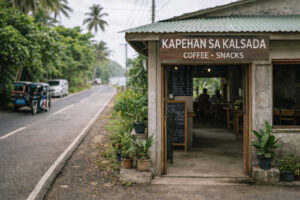 If your goal is simple cafe-hopping with minimal transport friction, Mambajao is usually the easiest base. It’s where you’ll commonly find more dining options, errands, and a variety of cafe styles within short rides. If you’re staying elsewhere, consider doing “cafe days” in Mambajao, then touring other municipalities on separate blocks.
Reality Check: Island roads are manageable, but rain and heat change the comfort level quickly. A 10-minute ride can still feel tiring if you’re hopping multiple times a day.
Catarman, Mahinog, Sagay side trips and what changes
Catarman can be a scenic stop (especially if you’re already touring), but cafes may be more spread out and more tied to specific attractions or resorts. Mahinog and Sagay can be calmer for a slower pace, yet that can also mean fewer “laptop-friendly” tables and fewer power outlets. If you’re doing side trips, plan your work in shorter bursts and keep your backup kit ready.
For transport expectations in a Philippine island context—waiting time, fare habits, and how transfers usually feel—use this as your reference: Philippines Public Transport Guide Bus Jeepney Ferry. In Camiguin, you’ll commonly use short rides like motorela (motorcycle with sidecar) or similar local transport.
Reality Check: In quieter towns, you might find the perfect peaceful seat—but not the outlet placement you want. Balance serenity with practicality.
How To Pick A Chill Work Spot (A Simple Scorecard)
Noise and music
Before ordering, listen for two minutes: Is the music loud? Are there echo-y tile walls? Are families gathering for snacks? If you need focus, choose cafes with soft background audio and fewer “through traffic” footsteps near the counter.
Reality Check: Even quiet cafes can get suddenly busy when a tour group arrives. If you’re easily distracted, sit where you can face a wall or window, not the main walkway.
Outlets and table space
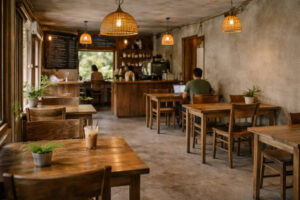 Look for tables that fit your laptop without blocking aisles. Outlets (sockets) can be limited and sometimes reserved for specific corners. A good habit: ask politely if it’s okay to plug in, and keep your cable tidy so nobody trips.
Reality Check: Some outlets may be loose or far from seats. Don’t count on charging as your only power plan—bring a power bank.
Wi-Fi notes without speed claims
Instead of asking “How fast is your Wi-Fi?”, ask practical questions: “Is Wi-Fi available for customers today?” and “Does it usually get unstable during peak hours?” Then do your own quick test (open a shared doc, upload a small file) before you settle in.
Reality Check: A cafe may have Wi-Fi, but if the password changes daily or access is limited, you’ll need flexibility.
Payment and minimum-order expectations
Some cafes are cash-first, while others accept GCash. If you plan to stay longer than an hour, order fairly (for example: a drink plus a pastry, or a second drink later). If you’re unsure about minimum orders, ask kindly at the counter.
Reality Check: Payment options can change. Double-check on the cafe’s latest post or message them if you only have cashless payment available.
Best Cafes in Camiguin For Laptop Work (Work-Friendly Shortlist)
This shortlist is intentionally planning-first: instead of ranking specific shop names (which can change quickly on an island), it shows the most common cafe “types” in Camiguin that tend to be workable for laptops. Use the card format below when you’re scanning maps, asking locals, or messaging a cafe to confirm today’s setup. This approach helps you find work-friendly cafes in Camiguin even as rosters and policies shift.
Reality Check: A cafe that’s perfect on Monday morning can feel crowded on Sunday merienda. Save at least two options and be ready to pivot.
Cafe card format for each place (Vibe, Best For, Quiet Hours, Busy Hours, Outlets Notes, Wi-Fi Notes, Ordering Tip, Payment Tip)
1) Mambajao Specialty Coffee Corner
Vibe: Minimal, coffee-focused, fewer tables
Best For: Deep work (Best for deep work)
Quiet Hours: Weekday mornings; early lunch window
Busy Hours: Late afternoons; weekends
Outlets Notes: Limited sockets; ask before plugging in
Wi-Fi Notes: Often available but may slow when full; test first
Ordering Tip: Ask what’s best if you like less sweet drinks
Payment Tip: Bring cash as backup even if GCash is accepted
2) Bakery and Merienda Cafe Near Town
Vibe: Bright, pastry-forward, steady foot traffic
Best For: Light tasks, email, planning (Best for deep work if early)
Quiet Hours: Opening to mid-morning
Busy Hours: Merienda rush; after-school hours
Outlets Notes: Sometimes near walls only; cable management matters
Wi-Fi Notes: May be secondary to dine-in; don’t depend on it for calls
Ordering Tip: Pair coffee with a small pastry if you’ll stay longer
Payment Tip: Cash tends to be smoother during rush
3) Local Cafe With Meals (Carinderia-Adjacent Style)
Vibe: Casual, food-forward, friendly and lively
Best For: Quick laptop check-in between tours (Best for calls: usually no)
Quiet Hours: Mid-morning between breakfast and lunch
Busy Hours: Lunch peak; early dinner
Outlets Notes: Not guaranteed; assume none unless you see it
Wi-Fi Notes: If available, treat it as a bonus; avoid video calls
Ordering Tip: Keep it simple: iced coffee or brewed coffee + meal
Payment Tip: Often cash-first; keep small bills
4) Resort-Lobby Cafe or Hotel Coffee Bar
Vibe: Calm seating, more space, quieter music
Best For: Calls and steady work blocks (Best for calls)
Quiet Hours: Late morning; early afternoon
Busy Hours: Check-in/out times; tour-group breakfast windows
Outlets Notes: More likely to have sockets near seating
Wi-Fi Notes: Often reported as more stable than tiny cafes, but still test
Ordering Tip: Order a full drink (not just water) if using the space
Payment Tip: Cashless payment is more common, but bring cash
5) Coastal-View Cafe (Sunset-Friendly)
Vibe: Scenic, breezy, social during golden hour
Best For: Offline work, creative planning, end-of-day wrap-up (Best for calls: no during sunset)
Quiet Hours: Early afternoon before sunset crowd
Busy Hours: Sunset window; weekends
Outlets Notes: Outlets may be limited; assume you’ll run on battery
Wi-Fi Notes: May be inconsistent if many people arrive at once
Ordering Tip: If you need less sugar, say “Less Sugar” up front
Payment Tip: Keep cash; signal can affect cashless payments
6) Small Roadside Cafe Along the Circumferential Road
Vibe: Quiet, simple, fewer seats, local regulars
Best For: Deep work if you don’t need heavy internet (Best for deep work)
Quiet Hours: Mid-morning; early afternoon
Busy Hours: Lunch if they serve meals; merienda spikes
Outlets Notes: Sometimes one shared socket; don’t monopolize
Wi-Fi Notes: If Wi-Fi is absent, tethering becomes your main plan
Ordering Tip: Ask what’s available today; menus can be small and rotating
Payment Tip: Cash is safest
If your work requires reliable audio, these “types” also overlap with Camiguin coffee shops for remote work: the calmer the seating and the more consistent the power setup, the easier calls become.
Quiet Hours Vs Busy Hours In Camiguin Cafes
Typical quiet windows
 In many small-island cafes, the quietest window is morning: after opening, before lunch. Another workable slot is early afternoon on weekdays, when people are touring tourist sites or resting. If you need deep focus, start early and finish your most important tasks before the island’s snack-and-social rhythm kicks in.
Reality Check: Weather can flip the pattern. When it rains, more people choose cafes at the same time, even in “quiet” hours.
Typical busy windows (lunch, merienda, sunset)
Lunch can compress quickly (especially if a cafe also serves meals). Merienda hours can be the busiest for pastry spots, and sunset can draw crowds to scenic cafes. If your table is small and the cafe is filling up, that’s a good signal to wrap up soon.
Reality Check: Weekend traffic can feel very different from weekdays. If you’re only in Camiguin for a short stay, schedule laptop-heavy work on a weekday if possible.
How to avoid crowds politely
Simple moves help: arrive earlier than your target work block, choose a smaller table that fits your setup, and keep one bag on your lap or under the chair (not on a second seat). If you notice a line forming, consider ordering again or packing up—especially in a small room.
Reality Check: “Chill” is often about timing, not just the cafe. A good plan beats a perfect location.
How To Order In Camiguin Cafes (Sizes, Sugar, Iced)
Common size words you’ll see (Small, Regular, Medium, Large)
 If you’re used to Manila chains, expect simpler size labels: Small, Regular, Medium, Large. Some cafes may only have one default size for certain drinks. If you want more caffeine, ask if they can add an extra shot (and expect a small add-on cost).
Reality Check: Smaller cafes may have limited milk options. If you have dietary needs, ask kindly and keep a backup drink choice in mind.
Sugar level phrases (Less Sugar, Half Sugar, No Sugar)
Many cafes understand direct sugar requests. Use clear phrases: “Less Sugar,” “Half Sugar,” or “No Sugar.” For flavored iced drinks, sugar can climb quickly, so it’s okay to be specific from the start.
Reality Check: Not all drinks are measured the same way. If it’s too sweet once, adjust your next order politely (“Half Sugar next time, please”).
Practical add-ons (extra shot, milk swaps) and when to keep it simple
Some cafes offer milk swaps or extra espresso shots, but not all will. When the menu is small, keeping it simple helps: brewed coffee, Americano, or iced coffee tends to be easiest to execute consistently—especially during busy hours.
Reality Check: If you’re in a rush, avoid very customized orders during peak merienda to keep the line moving.
Budget Reality: What You’ll Likely Spend Per Visit
Coffee-only quick stop
For a quick stop (one drink, short stay), a practical range is often around PHP 80 to 180 depending on the drink style. Specialty coffee can run higher. Prices vary by location and season, so treat this as a planning estimate.
Reality Check: If you’re budgeting tightly, remember that “cheap” can cost you comfort if there are no outlets or no seating during busy hours.
Coffee + pastry merienda
For merienda—a coffee plus a pastry—plan roughly PHP 150 to 300 per person. This is also a fair order if you want to use a table for longer than a quick drink.
Reality Check: The best-value choice is often the simple set: one iced coffee and one pastry, then move on before peak crowds.
Longer work session and how to be fair to the cafe
If you plan a longer work block (2 to 3 hours), aim for a fair spend—often PHP 250 to 450—by ordering a second drink later or adding a light plate if available. The point isn’t to overspend; it’s to match your table time with support for a small business.
Reality Check: Some places may have unspoken time limits when seating is tight. If you sense the room filling up, wrap up early and rotate to your next spot.
Simple Etiquette Checklist For Working In Small Cafes
Before you plug in or take a call
- Ask before using a socket, and keep cables out of walkways.
- If you need a call, choose a corner seat and use earbuds.
- Test your audio quietly—don’t assume you can talk at full volume.
Reality Check: Many island cafes are compact. Your “office” should never block service flow or take extra seats.
During your stay (noise, space, timing)
- Keep your voice low; treat the space like a shared library.
- Don’t spread out on multiple chairs, especially during lunch or merienda.
- Order fairly if you’re staying beyond an hour, and be ready to pack up if it gets busy.
Reality Check: A good reputation helps travelers long-term. If laptop workers are considerate, cafes stay welcoming.
Before you leave (clean up, tipping, thank-you basics)
- Throw away your trash, wipe small spills, and return borrowed items (like an extension cord) immediately.
- A simple “Salamat” goes far. Tipping is optional, but rounding up or leaving a small tip is a kind gesture when service is thoughtful.
- If you’re leaving after darker hours, keep your route simple and well-lit. For reminders that apply across the country, see Travel Safety Philippines Guide.
Reality Check: Payment, hours, and seating rules can shift. Double-check on the cafe’s latest post or message them if you’re arriving late or bringing a laptop setup.
Plan Before You Go: Smooth Days, Fewer Surprises
If you’re timing cafe work around tourist-site visits, note that Camiguin has also experimented with visitor flow systems for attractions. This short update is useful context (without overthinking it): Isle Visit Camiguin booking and e-ticketing updates. A practical takeaway: keep flexible blocks in your schedule, because booking windows and weather can shift your day toward more “cafe time” than expected.
Reality Check: Don’t stack your day too tight. In island travel, the calm plan wins: one main activity, one cafe work block, and one buffer.
FAQ: Best Cafes In Camiguin For Wi-Fi, Outlets, And Quiet Time
Which part of Camiguin is easiest for cafe-hopping: Mambajao, Catarman, or elsewhere?
Mambajao is usually the easiest hub for cafe-hopping because more dining options cluster there and rides between stops are shorter. Catarman and other municipalities can be great side trips, but cafe options may be more spread out.
Is Wi-Fi in Camiguin good enough for Zoom calls?
Sometimes, especially during quiet hours, but it’s not something to rely on all day. Plan to test first and keep a backup plan (mobile data via tethering, plus offline tasks).
Do cafes in Camiguin usually have power outlets for laptops?
Some do, but many have limited sockets or none near seating. Assume outlets are a bonus, ask politely, and bring a power bank.
What are the quietest hours to work in a Camiguin cafe?
Weekday mornings are usually the calmest. Early afternoon can work too, depending on weather and location.
What time do cafes get busy in Camiguin?
Lunch hours can spike if a cafe serves meals. Merienda (mid-afternoon snack time) can be the busiest for pastry spots, and sunset hours can crowd scenic cafes.
How much should I budget per person for coffee and pastries in Camiguin?
A planning range is PHP 150 to 300 for coffee plus a pastry. For longer work sessions, PHP 250 to 450 is a fair estimate if you order more than once.
How do I order coffee in Camiguin if I’m used to Manila chains (sizes, sugar, iced)?
Expect simpler size terms (Small, Regular, Medium, Large) and fewer customization steps. For sweetness, use direct phrases like “Half Sugar” or “Less Sugar.” Iced options are common, but menu sizes can vary.
Do I need cash, or do cafes accept GCash in Camiguin?
Many places still run smoothly on cash, while some accept GCash. Carry both when possible, and double-check on the cafe’s latest post or message them if you’re relying on cashless payment.
What’s the best backup plan if Wi-Fi is slow?
Bring a SIM or eSIM, use tethering when needed, carry a power bank, and keep an offline task list ready. If you have deadlines, schedule call-heavy work during quieter hours and have a second location in mind.
What etiquette should I follow when working on a laptop in a small island cafe?
Ask before plugging in, use earbuds, keep your setup compact, order fairly for your time, and be ready to leave when the cafe gets crowded—especially during lunch, merienda, and sunset peaks.
With the right expectations, the Best cafes in Camiguin can absolutely fit into a calm, productive island day. Treat Wi-Fi as a bonus, plan around quiet windows, and keep your backup kit handy—so you can enjoy your coffee, finish your tasks, and still leave room for the island’s slower rhythm.