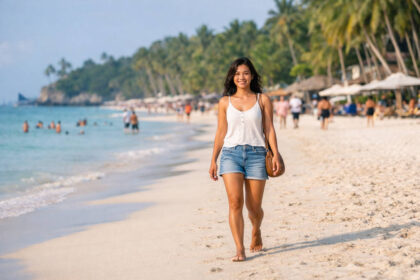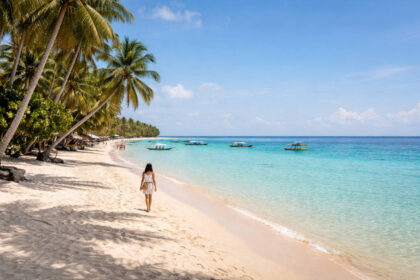
Sorsogon is one of those provinces where the coastline changes personality fast. One area feels like a small island-hopping day, another leans surf-forward with stronger waves, and another is better for a quiet reset between inland plans. That’s why “best” here isn’t one perfect shoreline—it’s the beach that fits your vibe (Quiet Vs Social), your comfort in waves, and how much travel you can tolerate in a day.
This planning-first guide to the Best Beaches In Sorsogon uses simple decision rules: where to base to reduce transfers, which spots are realistic for swimming versus mainly for views, and what to do on days when sea conditions say “not today.” If you like this type of chooser format, it’s similar to the logic in this Quiet Vs Social beach choosing guide—just adapted to Sorsogon’s coasts and wave patterns.
Best Beaches In Sorsogon at a Glance
Use this as your quick chooser. Then scroll to the beach cards for details and low-stress day plans.
Quick Picks: Quiet, Social, Surf-Forward, Easiest Logistics, Family-Comfort
 Quiet and space: Subic Beach Matnog (early hours), Dancalan Beach Bulusan, and Tikling Island for views (not for lazy swimming).
More social or active: Rizal Beach Gubat and the Buenavista Beach and Lola Sayong area on good surf days.
Surf-forward: Rizal Beach Gubat (watch for strong waves and currents; swimming comfort varies by day).
Easiest logistics: Beaches you can do as shorter trips from Sorsogon City or Bacon, especially if you want less time on boats.
Family-comfort (on calmer days): Dancalan Beach Bulusan for a slower pace and shade, plus easier “leave anytime” flexibility.
Reality Check: The same beach can feel calm in the morning and rough in the afternoon. Plan for a “swim if safe, stroll if not” mindset.
Where to Base to Reduce Travel (Matnog, Gubat, Sorsogon City, Bulusan)
Matnog: Best if you want that island-hopping feel (Subic Beach Matnog, Tikling Island). You’ll likely deal with boats and timing, so it’s worth staying nearby to avoid rushing.
Gubat: Best for surf vibe and a more social beach strip on good weekends. Expect wave energy and fewer “glass-flat” swim days.
Sorsogon City or Bacon: Practical base if you want variety and shorter trips, plus more food and transport options.
Bulusan: A quiet reset base that pairs naturally with inland nature plans without long coastal transfers.
For more area-specific ideas, you can browse Sorsogon travel guides and destinations and match your beach picks to your route.
Reality Check: Sorsogon is not a “one base fits all” province. If you want both Matnog and Gubat without long day trips, consider splitting nights.
Before You Choose: Sorsogon Sea Conditions and Safety Flags in Plain Language
The calmest beach trips start with one truth: sea conditions decide the day. Your best plan includes a safe alternative (shade, a viewpoint, a lagoon look, or a café stop) so you don’t feel pressured to swim.
What to Watch For: Strong Shorebreak, Rip Currents, Rocky Entry, Sudden Squalls
Strong shorebreak: waves that crash hard right where you enter. It can knock you off balance fast, especially with kids or when carrying bags.
Rip currents: channels that pull outward. If you notice fewer breaking waves in a narrow strip, choppier water, or foam moving steadily seaward, treat it as a red flag.
Rocky entry: common near rugged coasts and lagoons. Slips and cuts are a bigger risk than people expect—reef shoes make a huge difference.
Sudden squalls: quick rain and wind shifts that can make the water rougher and reduce visibility. If the sky is building dark clouds quickly, shorten your swim plan.
Reality Check: “Looks okay from the sand” can be misleading. If you’re unsure, keep it shallow or skip it.
Safety Flags Explained Simply and What to Do if There Are No Flags
If flags are present: follow them. They’re a quick way to align with local risk assessment.
If there are no flags: use a simple checklist: (1) Are local swimmers in the water? (2) Are waves breaking hard at the shore? (3) Is there a clear, gentle entry area? If any answer feels shaky, treat the beach as “for walking and photos today.”
For broader, practical safety habits (bags, scams, and situational awareness), keep this bookmarked: Travel safety guide for the Philippines.
Reality Check: Some beautiful shorelines in Sorsogon are better enjoyed from dry land on rough days—and that’s still a good beach day.
The Low-Stress Rule: If Locals Are Not Swimming, You Do Not Swim
This rule saves trips. If residents and fishermen are staying out of the water, there’s usually a reason: currents, shorebreak, or shifting conditions. Follow the local read, not your itinerary.
Matnog Base Beaches (Usually Best for Island-Hopping Feel)
Matnog is often the first choice when people want that “mini island hop” energy. It can be stunning, but it’s also where timing, fees, and boat conditions matter most.
Subic Beach Matnog (How It Feels, Swimming Realism, Crowd Level, Shade, Fees and Friction)
Sand and look: typically known for lighter sand and clear-water potential on calm days.
Waves and swimming realism: can be swim-friendly when the sea is gentle, but don’t assume calm water. If waves are slapping the shore or the current looks active, keep it as a wade-and-stroll beach.
Shade: limited natural shade in some stretches—plan your shade strategy (hat, umbrella if you bring one, midday break).
Crowd level: more people on weekends and holidays; earlier hours usually feel quieter.
Fees and friction: expect small local fees, parking, and possible boat coordination depending on your plan. Bring small bills and patience.
Snorkeling expectations: possible on calm, clear days in safer areas, but visibility can change quickly. Don’t force it if entry is rough.
Low-stress day plan: arrive earlier, do your “swim if safe” window first, then shift to shade and photos. Keep your last hour flexible so you can leave before crowds and afternoon wind build.
Reality Check: Subic Beach Matnog can be gorgeous, but your best experience depends on the day’s sea mood more than the calendar.
Tikling Island (More Rugged Feel, Rocky Spots, Best for Views, Not a “Lazy Swim” Beach)
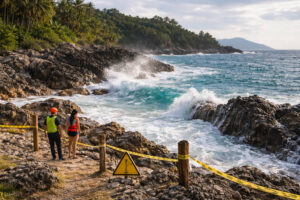 Sand and entry: more rugged and can include rocky areas. Expect uneven footing.
Waves and safety flags: treat it as a views-first stop. If water is choppy, prioritize viewpoints over swimming.
Shade: often limited; sun protection matters.
Crowd level: can spike with day-trippers; quieter if you time it away from peak arrival waves.
Snorkeling expectations: only if conditions are calm and entry is safe; rocky entries plus waves is a common “skip snorkeling” combination.
Low-stress day plan: go for the scenic look and short walks, keep footwear sturdy, and set a clear “no risky swims” rule for the group.
Reality Check: Tikling Island is often better as a “wow, look at that” stop than a long float-and-nap beach.
Where to Base in Matnog and What a Low-Stress Day Looks Like
Base close to Matnog if these are your priority beaches. It reduces early-morning scrambling and helps you wait out weather changes without feeling trapped.
Low-stress flow: early beach window → late breakfast → midday shade break → optional second stop if seas stay calm → back before evening fatigue.
Pairing note: If you’re building a Sorsogon itinerary that includes marine experiences, check this Sorsogon whale shark planning guide so you can align expectations, seasonality, and transport without overstuffing your days.
Reality Check: Matnog days feel better when you don’t stack too many boat-dependent stops back-to-back.
Sorsogon City and Bacon Base Beaches (Good for Quick Access and Short Trips)
If you prefer shorter rides and easier meal options, basing in Sorsogon City or Bacon can reduce friction. You’ll still want to plan around tides and rocky entries for certain spots.
Paguriran Island and Lagoon (Tide Timing, Lagoon Safety, Sharp Rocks, Shade Situation, Crowd Pattern)
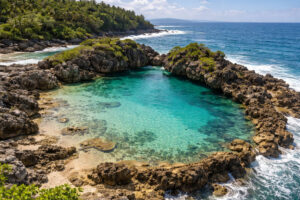 Core vibe: a lagoon-style highlight that depends heavily on tide and sea state.
Safety and entry: watch for sharp rocks and slippery surfaces. Reef shoes are a practical must here, not an “extra.” Treat the lagoon with the same respect as open water—don’t assume it’s automatically safe.
Shade: often limited. Bring sun protection and plan a shorter peak-sun stay.
Crowd pattern: can get busy on weekends and during good-weather windows. Earlier visits usually feel calmer.
Snorkeling expectations: more “maybe” than “must.” Visibility and safe entry decide everything.
Low-stress day plan: time your visit around a safer tide window (verify locally), keep your walking pace slow on rocks, then pivot to a meal stop in Sorsogon City or Bacon instead of pushing for “one more swim.”
Reality Check: Paguriran is not a barefoot-friendly spot on many days. Foot protection and slow steps make it enjoyable.
Where to Base in Sorsogon City or Bacon and What to Prepare
Sorsogon City gives you the easiest access to supplies: ATMs, pharmacies, more food options, and transport flexibility. Bacon can feel closer to some coastal stops and can reduce early-morning travel time.
Getting around: If you’re using public transport, this guide helps you set expectations on timing, terminals, and day-trip pacing: Philippines public transport basics.
Reality Check: “Short trip” beaches still get slowed down by rain bursts and traffic. Pack for delays even when the map looks easy.
Gubat Base Beaches (Surf-Forward and More Social on Good Days)
Gubat’s beach personality often leans active: more wave energy, more surf culture, and a more social feel when conditions are right. This is where you go when you want movement—not necessarily when you want calm swimming.
Rizal Beach Gubat (Surf Vibe, Swimming Realism, Shade, Crowd Level, Beginner Comfort Notes)
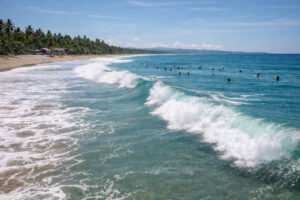 Sand and feel: open coastline with surf-forward energy.
Waves and swimming realism: waves can be strong. On rougher days, treat it as a shore walk and photo beach, not a swim beach. If you do enter the water, keep it shallow and conservative.
Shade: varies; plan a shaded break rather than assuming you’ll find one at the right time.
Crowd level: more social on weekends and during surf-friendly conditions.
Snorkeling expectations: usually low compared to calmer coves; waves and sand movement often reduce visibility.
Low-stress day plan: start with a slow morning coffee or breakfast, walk the shoreline, then choose between a short, safe swim (only if clearly calm) or a shaded rest + early dinner plan.
Reality Check: If you came for calm floating, Gubat might not match your mood on many days—and that’s okay. Enjoy it for what it is: an active coast.
Buenavista Beach and Lola Sayong Area (Social Surf Scene, Who It Fits, What to Expect)
Who it fits: travelers who enjoy a livelier shoreline, surf culture, and the feeling of “something happening,” especially on weekends.
Waves and safety: expect wave energy. If you’re not confident in currents, keep to the shallows or skip swimming entirely.
Shade and breaks: plan breaks like you would on a road trip: short beach time → shade/food → back to the beach if conditions stay friendly.
Low-stress day plan: pick one main beach stop, add a long meal break, and avoid stacking multiple far-apart coves in one day.
Reality Check: Social beaches feel best when you’re not tired. Don’t arrive after a long transfer and expect maximum enjoyment—pace it.
Where to Base in Gubat and What a Low-Stress Beach Day Looks Like
Base in or near Gubat if the surf-forward coast is your priority. It reduces backtracking and lets you choose beach timing based on the sea, not on a long return drive.
Low-stress flow: late breakfast → beach walk and photos → short water time only if clearly safe → shaded rest → sunset stroll if conditions are mild.
Reality Check: Wind often picks up later in the day. Earlier hours can feel calmer even on surf coasts.
Bulusan Base Beach Option (Quiet Reset Between Inland Plans)
If you’re pairing beaches with inland nature stops, Bulusan can be a calmer base that doesn’t pressure you into long coastal drives.
Dancalan Beach Bulusan (Family Comfort, Shade, Waves, and Expectations)
Vibe: quieter reset energy, often a good “exhale” stop.
Waves and swimming realism: generally aim for conservative water time—wade first, assess, and only swim when conditions clearly allow. Some days will be better for picnics and shoreline walks than for swimming.
Shade: often a stronger point here than more rugged, exposed coasts. Still, don’t rely on it—bring sun protection.
Snorkeling expectations: keep expectations modest; prioritize safe entry and visibility over “must-see” underwater plans.
Low-stress day plan: short beach time → long shaded break → add a nearby inland stop if you have energy, then finish early.
Reality Check: Quiet beaches are not automatically calm-water beaches. Always read the sea first.
Where to Base in Bulusan and How to Combine With Nearby Non-Beach Plans Without Rushing
Base near Bulusan if your trip includes inland nature stops and you want a simpler pace. Plan just one “anchor” activity per day (either beach or inland), then add a flexible extra only if you’re ahead of schedule.
Reality Check: The nicest days in Sorsogon often come from doing less, not more—especially when weather shifts.
Other Honorable Beaches to Consider if They Match Your Route
These are worth considering if they naturally fit your route. The key is not to detour so far that you arrive tired and riskier with swimming decisions.
Parola Beach Magallanes (Quick Overview and Who It Fits)
Who it fits: travelers passing through Magallanes who want a quick shoreline break without committing to longer transfers.
Expectations: plan for a short, calm stop—photos, a walk, and a snack. Treat swimming as optional depending on conditions.
Reality Check: A “quick beach” is a win when it keeps your day easy and safe.
Olango Beach Santa Magdalena (Quick Overview and Who It Fits)
Who it fits: those already near Santa Magdalena who want a quieter shoreline moment.
Expectations: conditions can vary. Pack reef shoes and plan a stroll-first approach before deciding on water time.
Reality Check: Detours are only fun when you still have daylight and energy for the return.
A Simple Rule for Deciding if It Is Worth the Detour
If a detour adds more than one extra long transfer each way (or forces you to rush back before dark), it’s usually better to skip it and enjoy your base beach more slowly. In Sorsogon, the relaxed pace is part of the reward.
Snorkeling Expectations in Sorsogon (Realistic, Not Hypey)
Snorkeling can be a nice bonus in Sorsogon, but it’s not guaranteed. Visibility changes with wind, waves, rain, and sand movement.
When Snorkeling Can Be Worth It (Calm Water, Clear Visibility, Safe Entry)
Snorkel when the water is calm, entry is easy (no pounding shorebreak), and you can see clearly from the surface. Choose a spot where you can stand up safely and exit without being pushed onto rocks.
When to Skip It (Rough Water, Low Visibility, Strong Current, No Safe Entry)
Skip snorkeling when waves are strong, visibility is murky, or you feel any pull from currents. If you don’t have a safe exit path, it’s not worth it.
What to Pack if You Want a Chance (Mask, Fins if You Are Trained, Dry Bag)
A well-fitting mask is the main thing. Only use fins if you’re trained and comfortable—fins can help, but they also tempt people to go farther than they should. Bring a dry bag for your phone and keys.
Reality Check: A safe, short snorkel in clear water beats a long struggle in choppy conditions every time.
Simple Packing Checklist for Sorsogon Beach Days
Use this checklist to reduce “small problems” that become stressful mid-day:
- Reef shoes or sturdy sandals: for sharp rocks, slippery entries, and uneven shoreline footing
- Rash guard: sun protection plus light sting protection; also helps on windy days
- Dry bag and waterproof phone case: for sudden rain, boat spray, and wet sand
- Refillable water bottle and snacks: some beach areas have limited stores or early closing times
- Small cash and coins: for fees, parking, tricycle rides, and small purchases
- Light rain layer and extra clothes in a zip bag: squalls happen; dry clothes keep the ride home comfortable
- Basic first aid and motion-sickness meds if there is a boat ride: small cuts and boat wobble are common trip spoilers
- Trash bag for your own waste: simplest way to keep beaches clean without relying on bins
Before you go, it also helps to review a general checklist like this Philippines travel planning guide for first-timers so you don’t forget the small essentials (IDs, offline maps, and backup cash).
Reality Check: Packing for comfort is not “extra.” It’s how you keep the day calm when conditions change.
Timing, Weather, and “Verify Before You Go” Checks
Sorsogon conditions can shift quickly across coasts. If you’re planning around clearer skies or calmer seas, use forecasts as guidance—not promises. Check PAGASA weather updates close to your travel days and be ready to swap a swim plan for a shaded walk plan.
For seasonal context that helps you choose months and manage expectations, this reference is useful: Philippines weather and best months to travel. For official local pointers, you can also browse Sorsogon tourism for current advisories and visitor info.
Reality Check: The safest beach plan is flexible. Build a day that still feels worth it even if you don’t swim.
Quick FAQs
Which Beaches in Sorsogon Are Best if You Want Quiet and Space?
For quiet, prioritize Subic Beach Matnog early in the day, Dancalan Beach Bulusan for a slower reset, and Olango Beach Santa Magdalena if it matches your route. The calmest experiences usually come from arriving earlier and avoiding weekend peak hours.
Which Beaches in Sorsogon Feel More Social or Active?
Gubat’s coast—especially Rizal Beach Gubat and the Buenavista Beach and Lola Sayong area—tends to feel more active on good days, with a surf-forward vibe and more people around.
Which Beaches Are Realistic for Swimming Versus Mostly for Views and Photos?
Swimming realism depends on the day. Subic Beach Matnog can be more swim-friendly when seas are gentle; Dancalan Beach Bulusan can be comfortable on calmer days. Tikling Island is often best treated as views-first, especially when waves are active or entry is rocky.
Where Should You Base Yourself in Sorsogon to Reduce Long Day Trips?
Base in Matnog for Subic Beach Matnog and Tikling Island. Base in Gubat for surf-forward beaches. Base in Sorsogon City or Bacon for practical access to supplies and shorter mixed day trips. Base in Bulusan for a quiet pace paired with inland nature plans.
What Should You Expect About Waves and Sea Conditions on Different Coasts?
Expect variability. Surf-forward coasts can have stronger waves and currents; rugged islands and lagoons can have rocky entries and tide timing concerns. Use a “stroll first, swim second” approach and decide with local conditions, not assumptions.
What Do Beach Safety Flags Mean, and What if There Are No Flags?
Flags are a quick risk signal (conditions, currents, and safe zones). If there are no flags, use the low-stress rule: if locals are not swimming, you do not swim. Choose shallow wading or skip water entry if anything looks uncertain.
Is Snorkeling in Sorsogon Actually Good, and Where Is It Most Realistic?
Snorkeling can be worth it on calm, clear days with safe entry, but it’s not guaranteed. Prioritize sheltered-feeling water and easy exits. If waves are rough, visibility is low, or entry is rocky, skip it and keep your day enjoyable on land.
What Is a Simple Packing Checklist for Sorsogon Beach Days?
Reef shoes, rash guard, dry bag, waterproof phone case, refillable water, snacks, small cash, light rain layer, extra clothes in a zip bag, basic first aid, motion-sickness meds for boat rides, and a trash bag.
Related Reading
If you’re building more routes and destination pages, save this hub for later: More Travel Guides.