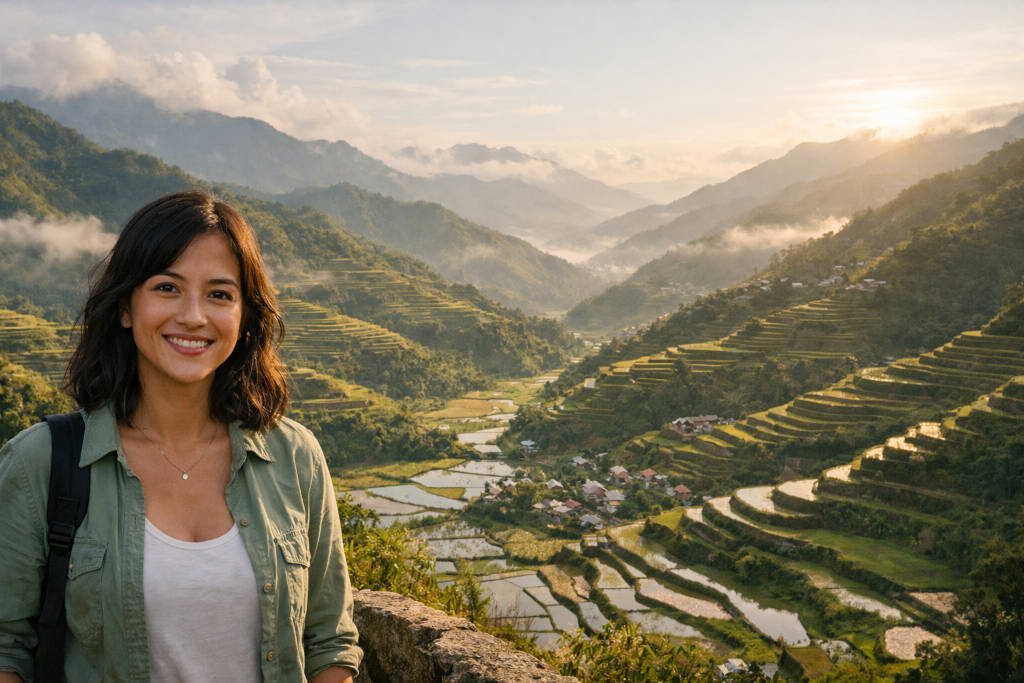
A good banaue travel guide should do more than admire the view. Banaue can feel dreamlike in photos: terraces stacked into the mountains, mist hanging low in the morning, roofs tucked into slopes, and roads that seem to bend toward the clouds.
It should help you decide whether Banaue matches your travel style, where to base yourself, how tiring the trip really feels, and what kind of itinerary keeps the experience beautiful instead of rushed. For first-timers, that planning matters a lot here.
This guide is designed as a low-stress planning hub. The goal is not to squeeze every viewpoint, village, and trek into one packed weekend.
The goal is to help you enjoy the Banaue Rice Terraces and wider Ifugao setting in a way that respects local communities, allows for mountain weather, and leaves room for transport delays, road conditions, and simple recovery time. Banaue rewards travelers who like scenery, culture, and slower pacing. It can be much harder for travelers who want frictionless logistics.
At a Glance
Best time window: Generally the drier months for easier road and trail conditions, with shoulder-season weeks offering a calmer balance.
Realistic travel time: Expect a long land journey, often through an overnight bus from Manila or a private transfer with many hours on the road.
Budget band: Budget to mid-range is common, while higher comfort exists but remains modest by big-city standards.
Crowd or traffic risk: Weekends, holiday periods, and popular terrace viewpoints can feel busier than expected.
Rain backup: Keep one flexible indoor or low-effort option such as the museum, a café stop, or a quiet rest window at your stay.
Reality Check: Banaue is not a quick and easy mountain stop. Even when the views are gentle and serene, the transfers, stairs, road curves, and weather shifts can add effort in ways first-timers sometimes underestimate.
Quick Decision Summary: Who Banaue Suits and Who It May Not Suit
Best for Scenic Mountain Travelers, Culture-Focused Travelers, and Slow Planners
 If you love mountain scenery more than resort convenience, this guide will probably sound like good news. Banaue is best for travelers who enjoy looking out over ridgelines with coffee in hand, taking transport as part of the journey, and letting a destination unfold slowly. It also suits travelers interested in Ifugao heritage, village life, rice terrace landscapes, and the kind of place where dawn light and fog can matter more than nightlife or shopping.
Banaue also works well for travelers who do not need every hour filled. Some of the best moments here are simple: a still morning above the valley, a conversation over a homestay breakfast, or watching clouds move across terraces that feel almost architectural in their scale. Travelers pairing mountain destinations can also use this guide alongside this Sagada and Banaue mountain journey guide for a broader Northern Luzon route.
Reality Check: Scenic does not mean effortless. Even a calm Banaue trip still requires tolerance for long road time, basic facilities in some stays, and occasional changes in plan when weather or local access conditions shift.
Less Ideal for Travelers Who Dislike Long Land Transfers, Stairs, Weak Signal, or Basic Stays
A first-timer guide should say this clearly: Banaue may feel inconvenient if you dislike long bus rides, steep walks, uneven steps, cold morning air, or patchy signal. Travelers who prefer polished hotels, predictable transport frequency, and easy luggage movement may find the destination more tiring than expected. Banaue town proper is more manageable than Batad, but even town-based trips still involve effort.
Families with very young children, travelers with major mobility concerns, or anyone recovering from fatigue may want to limit hiking plans and choose viewpoint-focused days instead. That does not mean skipping Banaue entirely. It means shaping the trip around comfort, not pressure.
Where to Stay in Banaue: The Best Base for Your Trip Style
Banaue Town Proper for Easier Arrival, Transport, and Meals
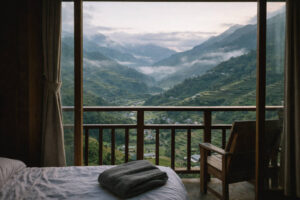 For most first-timers, the smartest answer is to stay in Banaue town proper. It is the easiest base for arrival and departure, especially if you are coming in tired from the overnight bus from Manila. You will usually have better access to meals, roadside pick-up points, tricycles, jeepney connections, small shops, and help arranging local rides or guides. Town proper also makes it easier to pivot your plans if rain affects trail conditions.
This base works especially well if your priority is a softer landing. You can check in, rest, visit a view deck, stop by Banaue Museum, and settle into the rhythm of the area before deciding how much effort you want on the following day. For broad planning context, this Philippines travel planning guide for a first trip is useful if you are building a longer Luzon route.
Reality Check: Town proper in Banaue still means slopes, stairs, and occasional noise from the road. Choose your room based not only on price and view but also on how many steps you are willing to handle with luggage.
Hillside or Viewpoint-Side Stays for Quieter Scenery With Moderate Effort
If you want more atmosphere without the full effort of Batad, a hillside or viewpoint-side stay can be the sweet spot in this guide. These stays often give you that mountain-facing balcony moment people want from Banaue, while still keeping you within practical reach of meals and transport. The tradeoff is moderate effort: more stairs, steeper access paths, and the need to pack lighter or move more carefully on wet days.
These are good for travelers who want quiet mornings, terrace views, and a stronger sense of being in the landscape without committing to a more isolated village stay. They also suit couples or solo travelers who value calm over convenience but still want options nearby.
Batad for the Most Immersive Views, but With More Effort and Fewer Comforts
Batad is often the place that convinces travelers to come to Ifugao at all. The Batad Rice Terraces have a dramatic amphitheater shape that feels almost unreal when seen in person. Still, a responsible guide should say that Batad is not the easiest base for every first-timer. Getting there generally involves onward transport and a walking approach. Terrain can be steep, stair-heavy, and slippery in wet conditions. Facilities are simpler, and the scenery comes with more effort.
Batad is worth it for active travelers, terrace lovers, photographers, and anyone who wants a more immersive mountain-village setting. But if your main goal is a calm first visit with easy logistics, staying in Banaue and doing Batad as a focused day trip or optional overnight may be the lower-stress choice. For heritage context, it also helps to read the UNESCO listing for the Rice Terraces of the Philippine Cordilleras.
Reality Check: Batad looks peaceful because it is peaceful, but access is still physical. Do not let the stillness of the terraces trick you into treating the trip like a casual roadside stop.
Banaue Travel Guide: What to Do by Travel Style
Easy Scenic Stops and View Decks
The easiest wins here are scenic stops. View decks and roadside terrace views let you absorb Banaue without committing to a major trek. For many first-timers, that alone is enough to make the trip feel worthwhile. You get the layered geometry of the rice terraces, changing mountain light, and that cool, clean air that makes Banaue feel far from the lowland pace.
These easy scenic stops are ideal on arrival day or after a long transfer. They also work well for older travelers, mixed-energy groups, or anyone still deciding whether to attempt a more active day. A quieter planning angle can be found in this low-key Banaue rest-day guide.
Culture and Local Context Through the Museum, Village Atmosphere, and Heritage Respect
A strong guide should not reduce Banaue to a backdrop. The terraces are not just scenic architecture; they are tied to Ifugao knowledge, land use, agriculture, and community life. Banaue Museum can add useful context, especially if you want a gentler activity that still deepens the trip. Even a simple walk through town, respectful observation of daily rhythms, or a conversation with local hosts can make the destination feel richer and more grounded.
Respect matters here. Dress simply, ask before taking close photos of people, avoid treating villages like theme sets, and remember that these landscapes are living places. The official tourism feature on Batad Terraces can also help frame why the area matters beyond the postcard image.
Reality Check: Cultural depth takes time and humility. Banaue is most rewarding when you stay curious and respectful instead of rushing through viewpoints only for photos.
Active Highlights Such as Batad and Tappiya Falls
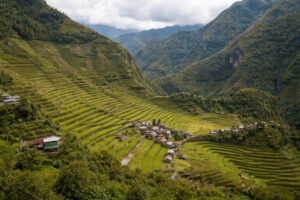 For active travelers, the headline experiences here usually include Batad village and Tappiya Falls. Batad is the bigger commitment, but it is also the place many travelers remember most vividly: a bowl of terraces curving around the mountain, houses set into slopes, and paths that make you very aware of the terrain under your feet. Tappiya Falls adds another layer of effort and reward, with steep sections and a stronger sense of excursion.
These active highlights are best saved for your core sightseeing day, not arrival or departure day. Start early, carry water, wear proper footwear, and be honest about your pace. If trail conditions are poor, adjust without guilt. There is no prize for forcing a slippery descent just to complete the original plan.
Food and Simple Local Meal Stops
Food in Banaue is often simple rather than destination-defining, but that simplicity can be part of the charm. Warm rice meals, coffee with a mountain view, soup on a cool evening, and a quiet breakfast before heading out all fit the mood of a mountain trip like this. Homestays can be especially comforting after a long day, even when menus are limited.
Travelers used to wide dining choice should set expectations gently. The reward is not culinary variety so much as warmth, practicality, and the feeling of eating where the weather and the landscape shape the appetite.
Best Time to Visit Banaue for Weather, Terrace Color, and Crowd Comfort
Green Months, Harvest Look, and Mirror-Season Expectations
Season can change the feel of your whole Banaue trip. Some travelers want terraces at their greenest, some prefer a more golden harvest look, and others are drawn to the reflective mirror effect when paddies hold water. The best timing depends on what matters most: color, trail conditions, or a lower chance of rain. For general timing across the country, this Philippines weather travel guide helps place Banaue in a wider seasonal picture.
Shoulder months are often attractive because they can balance scenery and comfort. You may still get changing weather, but the trip can feel less crowded and less pressured than peak holiday stretches.
Wet-Weather Tradeoffs, Slippery Trails, and Plan Changes
Mountain weather is one of the biggest variables in this trip. Rain can make terraces moody and beautiful, but it can also soften road shoulders, reduce visibility, and turn stone steps slick. If your plan includes Batad or Tappiya Falls, weather has a direct effect on effort and safety. Even if the road remains open, trail access may feel very different from the dry-season version you saw online.
Reality Check: The wrong mindset is “I came all this way, so I have to do everything.” The better mindset is to build a trip that still works even if one active plan gets replaced by scenic stops, a museum visit, or a slower day at your accommodation.
Banaue 3D2N Itinerary With Buffer Time
Arrival Day With a Soft Landing
For most first-timers, the calmest 3D2N version of this guide begins with arrival and recovery. Check into your stay in Banaue town proper or a nearby hillside base, eat a proper meal, rest, and keep your first day light. Add one easy viewpoint or short town walk if energy allows. This is the day to sort cash, ask about road and trail conditions, and confirm your plan for the next morning.
Core Sightseeing Day
Day two is your main experience day. Easy-scenic travelers can focus on view decks, local atmosphere, a museum stop, and a meal with a terrace view. Active travelers can arrange a Batad-focused day, with Tappiya Falls only if fitness, weather, and timing all line up. The key lesson here is not to overpack the day. One major active plan is enough.
Exit Day Without Rushing
On day three, leave margin. Have breakfast, check weather, allow for slower movement, and avoid adding a last-minute side trip that could make departure stressful. If transport schedules matter to your wider route, review this Philippines public transport guide before the trip, not only on the morning you leave.
Reality Check: A good 3D2N Banaue trip often feels intentionally incomplete. That is not a flaw. It usually means you paced it well enough to enjoy it.
Banaue 5D4N Itinerary With Buffer Time
Slower Version With Optional Batad Overnight
A longer stay gives your Banaue trip room to breathe. With 5D4N, you can split the experience into arrival recovery, a scenic Banaue day, one active Batad day or overnight, a weather backup day, and a calm exit. This version is best for travelers who want to avoid compressing all the effort into one push. It also lets you respond more sensibly to rain, fatigue, or changing road access.
An optional Batad overnight makes sense only if you actively want the immersion and are comfortable with the extra effort. Otherwise, staying put in Banaue and day-tripping can be the gentler choice.
Recovery Windows, Weather Backup Options, and Quiet Pacing
The biggest advantage of a slower trip is psychological, not just logistical. You stop feeling like every cloud or delay is ruining the trip. You can take a rest morning, repeat a favorite view deck in better light, or simply do less. That flexibility often becomes the difference between a mountain trip that feels centered and one that feels like a race.
Getting There and Getting Around
Overnight Bus From Manila and What That Means for Timing
Many travelers reach Banaue by overnight bus from Manila. This is practical, but it shapes the whole trip. You may arrive tired, stiff, and not ready for a demanding itinerary the same morning. A banaue travel guide should treat the overnight ride as part of the energy budget, not just a transport line on paper. If you can, avoid planning a major hike on arrival day.
Private transfer can lower stress for groups or travelers who value control, but it costs more and still involves many hours on mountain roads. For wider safety and route awareness, this travel safety guide for the Philippines is a useful companion read.
Local Transport Options, Guide Decisions, and When a Private Transfer Lowers Stress
Once in Banaue, local movement may involve tricycle rides, jeepney segments, arranged transport, or guide-assisted planning depending on your destination. For first-timers, the choice often comes down to energy versus independence. Hiring help or arranging a more direct ride may cost more, but it can remove the stress of piecing together multiple local steps when you are tired or unfamiliar with conditions.
What Changes When Weather, Road Conditions, or Trail Access Are Poor
No practical guide would be complete without saying that conditions can change quickly. A road can still be passable but slower than expected. A trail can remain technically open but feel too slippery for your comfort. Signal may be weak exactly when you want to double-check a plan. That is why buffer time matters so much in Banaue.
Budget Versus Comfort Tradeoffs
Where It Is Worth Paying More
In Banaue, it is usually worth paying a bit more for a better-located room, easier access, and a stay with a view that reduces the need to chase scenery all day. Here, comfort is less about luxury and more about reducing friction. A room with fewer stairs, warm blankets, reliable meal options, and help arranging onward rides can have an outsized effect on how rested you feel.
Where Budget Choices Are Still Reasonable
Budget choices can still work well if your expectations are aligned. Simple homestays, basic guesthouses, and modest meals can be more than enough for travelers who prioritize authenticity, scenery, and value. The key is not to confuse lower cost with lower effort. Sometimes the cheapest stay also means the steepest access or the least flexibility when weather turns.
Common Hidden Frictions Such as Stairs, Luggage, Weak Signal, and Cash-Only Payments
One of the most useful parts of any guide is naming the small frictions before they become stressful. Bring enough cash. Pack lighter than you think. Assume that signal may drop. Ask about stairs before booking. Confirm whether meals are available on-site, whether transport can be arranged early, and how far the room is from the road with luggage.
Reality Check: Most Banaue stress comes from small practical oversights, not from the destination itself. Fix the details, and the place usually feels much kinder.
Common Pitfalls and How to Avoid Them
Underestimating Effort and Elevation
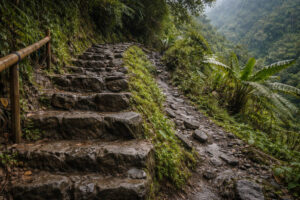 Photos flatten mountains. This guide keeps repeating effort for a reason: the roads are long, the terrain is real, and even just a viewpoint can involve stairs or a steep approach. Build in rest. Be honest about energy levels.
Not Bringing Enough Cash
Do not rely too heavily on digital convenience. Cash remains one of the simplest stress-reducers for transport, meals, and small purchases.
Relying Too Much on Fixed Schedules or Same-Day Decisions
Rigid timing can make Banaue feel harsher than it is. Keep structure, but leave room for weather, road delays, and human pacing.
Forgetting Cultural Respect and Local Etiquette
The terraces are not scenery alone. They are part of lived Ifugao heritage. Move respectfully, ask before photographing people closely, and avoid noisy or intrusive behavior in village settings.
Final Planning Checklist Before You Book
What to Confirm Before Departure
Before leaving, confirm your stay access, likely weather, transport timing, cash needs, footwear, and whether your chosen plan matches your actual energy. Browse more routes from the Bakasyon.ph Travel Guides hub if you are still comparing Banaue with other Philippine destinations.
What to Confirm Again on Arrival
Once in Banaue, check the latest on road conditions, trail access, local transport options, and the realistic effort of any Batad or Tappiya Falls plan. Ask your host which option feels most sensible for the day, especially if weather is shifting.
A good banaue travel guide does not promise perfect ease. Banaue is a mountain destination shaped by distance, weather, and terrain. But for travelers who plan gently, choose the right base, respect Ifugao communities, and leave room for real-world conditions, Banaue can feel deeply rewarding. The beauty here is not only in the terraces themselves. It is in the slower rhythm, the sense of scale, and the calm that arrives once you stop trying to force the trip and start traveling with the place.