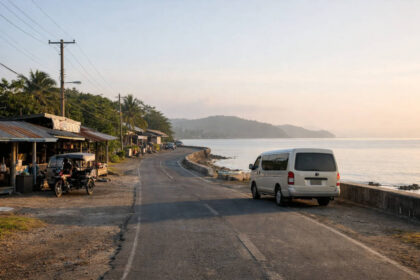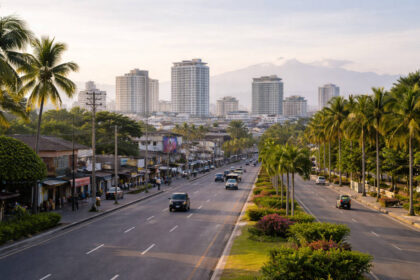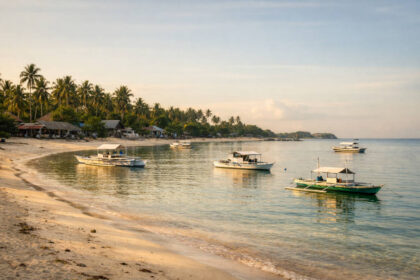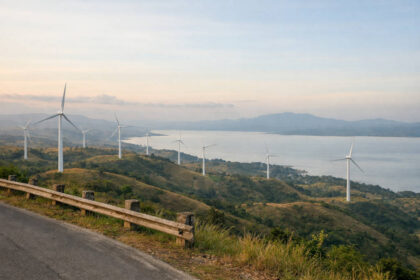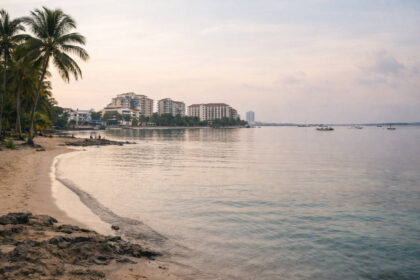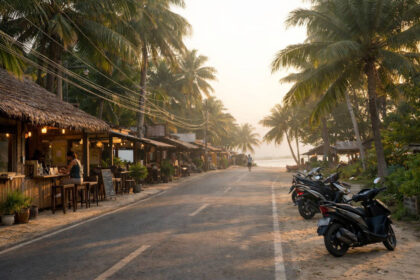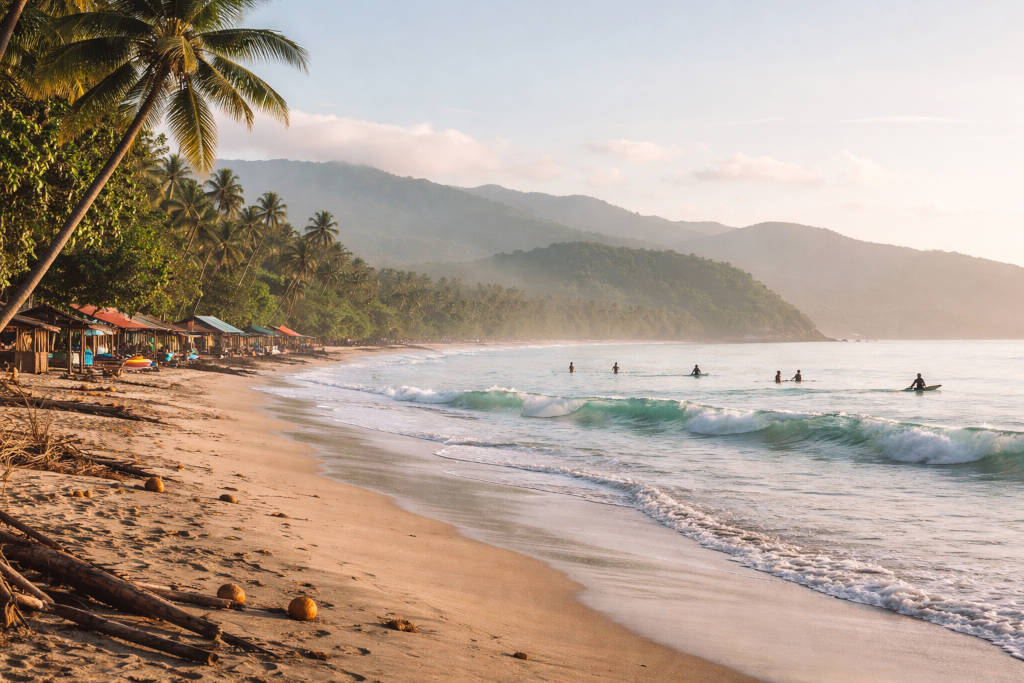
Baler is a small coastal town in Aurora with an easy rhythm: surf schools near Sabang Beach, short nature side trips, and cafes where you can slow down after the long road. The biggest make-or-break factor is not the list of attractions. It is how you plan around travel time, weather, weekend crowds, and your energy. This Baler Travel Guide is written for low-stress decisions: pick the right days, choose the right area to stay, and build buffers so you are not rushing from stop to stop.
For quick location context, here is a helpful overview of Baler, Aurora background and location. Knowing the geography (mountain roads in and out, and a compact town center) makes it easier to plan realistic days.
At-a-Glance Logistics

- Best time window: Drier months are usually easier for first-timers and tighter schedules. Rainy months can still work if you plan shorter loops and accept changes.
- Realistic travel time: Expect a long bus ride from Metro Manila, often around 5 to 8+ hours depending on traffic, road conditions, and stops. Treat Day 1 as a landing day.
- Budget band: Baler can be done on a budget (simple stays, carinderia meals, shared rides) or with more comfort (better sleep, quieter rooms, fewer logistics). Stress often follows comfort choices.
- Crowd risk: Weekends and holidays get busy around Sabang Beach and the main strip. Noise-sensitive travelers should choose area carefully.
- Rain backup: Keep an indoor list (Museo de Baler, a slow cafe afternoon, early dinner, rest blocks) and save one spare half-day on longer itineraries.
Reality check: Mountain-road fatigue is real. If you arrive tired, a short beach walk and an early night can be the best decision.
Decision Summary
Best For
- Beginner surfers: Walkable surf schools, gentle coaching options, and the ability to repeat lessons without complicated transfers.
- Chill beach weekends with short nature side trips: Viewpoints, museums, and a waterfall day, especially if you pace it.
- Travelers who want a simple base and day trips: Most essentials (food, rentals, tours) stay close to town.
Not For
- People who hate long mountain road travel: The ride can feel draining, especially if you are prone to motion sickness or cannot sleep on buses.
- People who need guaranteed dry weather and tight schedules: River conditions, heavy rain, and sudden changes can affect outdoor plans.
How Many Days You Actually Need
- 3D2N minimum with buffers: Day 1 and Day 3 are mostly travel, with one full day for your main activity.
- 5D4N for slower mornings and weather flexibility: Spread out surf lessons, keep a nature day flexible, and protect rest.
Reality check: If you only have 2D1N, the schedule usually becomes tight and tiring. Baler works best when you protect sleep and do not treat the travel day like a full tour day.
For a broader framework that helps with transport, pacing, and expectations across the country, read Philippines Travel Planning Guide for First Trips.
Who Baler Suits Best
This Baler Travel Guide fits travelers who like a “one base, many options” setup. You can wake up near the beach, decide your pace based on the day’s weather, and still find something worth doing without long drives.
Beginner Surfers
Baler is often chosen for beginner surf lessons because you can find instructors, board rentals, and learning-friendly routines near Sabang Beach. You do not need to over-plan. You mostly need to plan for repetition: a first lesson, a rest block, then another try if you still have energy.
Chill Beach Weekends With Short Nature Side Trips
If your ideal trip is beach time plus one nature highlight (like Ditumabo Mother Falls) and a viewpoint (like Ermita Hill), Baler’s compact layout makes that doable, as long as you do not cram everything into one day.
Travelers Who Want A Simple Base And Day Trips
Baler is practical when you want a predictable home base: same room, same area for meals, and flexible day trips depending on weather and energy. This is especially helpful for groups with mixed interests. Keep days simple: one major activity plus one light stop, then rest.
Best Time To Visit Baler
Think of seasons in Baler as planning styles, not just weather. Dry months generally support fuller outdoor days and easier road travel. Rainy months can still be enjoyable, but you will want a softer schedule and realistic backups.
Dry Months vs Rainy Months In Plain Language
Drier months: Easier for first-timers and anyone who needs a higher chance of completing an itinerary. Roads tend to be less stressful, and you will have more confidence planning a waterfall day.
Rainier months: Still workable if your expectations are flexible. Some days will be perfect, some will be cafe plus short-walk days. Waterfalls and river crossings may be restricted if conditions are unsafe.
Crowd Patterns On Weekends And Holidays
Weekends are livelier around Sabang Beach and the main strip: more surf students, more tricycles, more noise. Holidays can amplify that. If you want quieter mornings, consider arriving on a weekday and leaving before the weekend peak.
Surf Expectations For Beginners vs Non-Surf Travelers
Beginners: Early morning sessions often feel calmer and less crowded, which can help with focus and confidence.
Non-surf travelers: If you are mainly there for a beach reset, plan beach time early or late in the day, then use midday for showers, cafe breaks, or indoor stops when it is hotter or busier.
Packing Notes That Change The Plan
- Rain gear: A light rain jacket and dry bag can keep you moving even with showers.
- Footwear: Water-friendly sandals or trail shoes matter if you are doing Ditumabo Mother Falls or muddy paths.
- Motion sickness kit: If you are sensitive to winding roads, this can dramatically improve your arrival day.
Reality check: The “best month” depends on how strict your schedule is. If you have zero flexibility, choose the season that reduces cancellations and road stress.
For a wider season-planning perspective beyond Aurora, use Philippines Weather Travel Guide and Best Months.
Where To Stay In Baler by Area
Where you sleep affects everything: noise level, how easy meals are, how often you need tricycles, and how rested you feel after the long ride. When people say they had a low-stress Baler weekend, it is usually because they matched their stay area to their tolerance for noise and crowds.
Central and Convenient Base
Best for: Walkability, quick access to Sabang Beach, surf schools, and a wider food range. It is also easier if your group has different wake-up times, because people can come and go without arranging rides.
What to expect on weekends: More noise (music, late dinners, group hangouts), heavier tricycle traffic, and sometimes higher rates. If your room faces the busy strip, the sound can carry.
Quieter Stays
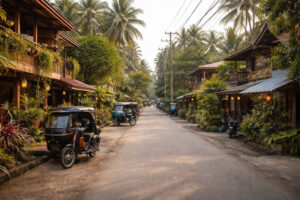
Best for: Early sleepers, families, remote work rhythms, and travelers who want to protect mornings. You will likely enjoy calmer nights and less foot traffic.
Tradeoff: More tricycle rides and fewer late-night food options nearby. If you arrive late, plan a simple meal option or bring snacks.
Budget-First Stays
Best for: Groups who plan to spend most of the day out, solo travelers comfortable with simple setups, and anyone prioritizing cost.
What to check before booking: Generator or backup power, realistic WiFi performance (especially during peak weekends), water pressure, parking if you are driving, and any curfew or quiet-hour policies.
Quick Checklist for Choosing a Stay
- Noise tolerance: Light sleeper or okay with weekend energy?
- Walkability vs tricycle dependence: Do you want meals and surf within a short walk?
- Power and WiFi backup: Important for remote work and charging needs.
- Group size and shared rooms: Confirm bed setup, shared bathroom rules, and check-in times.
Reality check: Sleep quality often matters more than being right on the beach. If rest is a priority, ask about room location (rear rooms, higher floors, or soundproofing) and pick an area that fits your tolerance for weekend noise.
Getting To Baler

Most travelers plan How To Get To Baler From Manila by bus. It is the simplest option if you want a predictable route and do not want to drive winding mountain roads. The key is to plan for variability: departure times, traffic leaving Metro Manila, rest stops, and weather along the way.
From Metro Manila by Bus
- What to book ahead vs walk-in: On weekends, long weekends, and holidays, booking ahead reduces stress and helps you avoid last-minute compromises. On regular weekdays, walk-in seats may still be possible, but you will have less control over timing and seat choice.
- Typical travel time ranges (and why they vary): Travel time can swing widely due to city traffic, roadworks, weather, and how often the bus stops. Plan for a range rather than a single number, and avoid scheduling important commitments immediately after arrival.
- Comfort tips for long rides: Bring a light jacket (buses can run cold), water, simple snacks, and a small pillow or scarf for neck support.
Reality check: Even a smooth bus ride can feel long. The low-stress move is to arrive, check in, eat early, and sleep, then start activities the next morning.
From Nearby Hubs via Transfers
If you miss direct schedules, you may be able to route via nearby terminals or hubs and transfer to a Baler-bound option. This adds complexity, so only do it if you are comfortable with transfer timing and you have buffer time.
For broader transport expectations and terminal habits in the Philippines, use Philippines Public Transport Guide for Buses and Terminals.
Getting Around Baler

Baler is compact enough that many travelers combine walking (especially near Sabang Beach) with tricycles for short hops and day tours. The calmer approach is to treat transport as part of the plan, not an afterthought.
Tricycles and How to Agree on Fares Calmly
Before you ride, agree on the destination and the total cost, especially for multi-stop trips. If you are traveling in a group, confirm whether the fare is per person or for the whole tricycle. A calm tone and clear details prevent misunderstandings later.
DIY vs Packaged Land Tour
DIY: Works best if you are doing one or two nearby stops and you are comfortable pacing your own day. It can be calmer if your group needs longer breaks.
Packaged land tour: Helps if you want a straightforward list of stops with less negotiation. It can also keep your group together, which reduces friction in big groups.
When a Private Tricycle Day Hire Makes Sense
If you have elders, kids, or a group that moves at different speeds, a private day hire can reduce decision fatigue. You can stop when needed, protect meal times, and avoid rushing just to match a tour group’s pace.
What to Do if It Rains: Shorter Loops and Indoor Stops
Rain does not have to erase the day. Shift to shorter loops (a viewpoint when the clouds lift, then a museum, then a long merienda). Keep a list of covered stops so you are not deciding under pressure.
Reality check: If rain is heavy or continuous, forcing a full outdoor loop often leads to soggy shoes and low energy. A slower day can protect your next day’s plans.
Top Things To Do In Baler by Style
Things To Do In Baler are best chosen by mood and energy level. Pick one anchor activity per day, then add one light option. This is the simplest way to avoid overpacking.
Beach and Surf
- Beginner surf lesson basics: Expect a short land briefing, water safety reminders, and repeated attempts. It is normal to feel tired quickly.
- Best times of day for calmer water and fewer crowds: Early mornings are often calmer and less crowded, which helps beginners focus. Late afternoons can also be a gentler window, depending on conditions.
- Non-surf beach time ideas: A slow shoreline walk, quick sunrise or sunset viewing, and a simple “beach plus cafe” rhythm can be just as satisfying as a packed tour.
Nature and Waterfalls
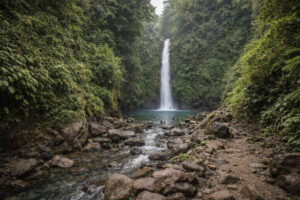
- Ditumabo Mother Falls expectations: A popular day trip that often involves a walk with river and rocky sections. It is not a quick photo stop.
- Hike difficulty in simple terms: Expect uneven ground and wet footing. Water-friendly footwear with grip helps. Protect your phone and valuables in a dry bag.
- Time block: Give it a generous half-day to full-day block depending on conditions, plus travel time and rest time after.
- Backup plan if river conditions are risky: Swap to town-based stops (Museo de Baler, San Luis Obispo de Tolosa Church, a long lunch, and a cafe rest). You can still have a full day without forcing a risky route.
Reality check: If it has been raining hard, waterfalls and river paths can be the first plans to change. Build this as a flex day, not a non-negotiable schedule.
Views and Quick Side Trips
- Ermita Hill sunrise or late afternoon: Choose sunrise if your group can wake early comfortably. Late afternoon is easier for most travelers and still feels scenic.
- Coastal viewpoints and short stops: Ideal light options after a big activity day. Keep them short and do not turn them into a marathon of stops.
- How to pace without rushing: Pick one viewpoint, one snack stop, then return for rest. If you try to collect every photo spot, the day becomes tiring fast.
Culture and History
- Museo de Baler: A good low-effort stop that fits rainy hours or midday heat. Use it as a calmer block between outdoor activities.
- San Luis Obispo de Tolosa Church: Keep it respectful: dress appropriately, avoid loud conversations, and be mindful of services or local events.
- Official context: If you want to cross-check sites, see Municipality of Baler official tourist attractions.
Food and Cafes
- What to look for by mood: Low energy: quick serving and comfortable seating. Social: near the busy strip. Resting: a quieter cafe where you can linger.
- Quick meals: Simple rice meals and familiar comfort food help after the road, especially if someone in the group feels travel-worn.
- Merienda and coffee breaks: Use these as planned buffers, not extras. A 45 to 60 minute break can reset your whole day.
- Comfort food after a long ride: Warm soups, noodles, and straightforward silog-style meals can feel practical when you are tired.
Sample Itineraries with Buffer Time
A calm Baler Itinerary protects energy. The biggest rule: minimum 60 to 90 minutes between major stops to cover travel, parking, ordering food, bathroom breaks, and unexpected slowdowns. Protect meal times and shower breaks, and avoid stacking far attractions in one day.
3D2N Itinerary (Minimum, With Buffers)
Day 1: Travel day plus soft landing
Arrive, check in, and treat the rest of the day as recovery. Do a short beach walk near Sabang Beach if the weather is okay, then have an early dinner. Aim for sleep, not a late-night itinerary.
Buffer guidance: Keep at least 60 to 90 minutes free after check-in for showers, settling, and food decisions. If you arrive late, go even simpler.
Day 2: Main activity day with buffers
Morning: Beginner surf lesson or calm beach time. If surfing, plan time to repeat basics rather than jumping to harder goals.
Late morning: Rest and shower buffer. This is where trips often go wrong because people schedule a tour immediately after surfing and end up exhausted.
Afternoon: Choose one: a light land tour highlight (like a viewpoint) or a nature stop if conditions are safe and the timing is realistic.
Late afternoon: Free time for merienda, a slow cafe break, or simply doing nothing.
Buffer guidance: Put 60 to 90 minutes between surf, lunch, and any travel to a second stop. If you feel behind schedule, skip the extra stop and protect dinner.
Day 3: Easy morning then travel home
Keep the morning simple: a short beach walk, an early breakfast, then an optional quick museum stop or cafe visit if time allows. Depart with time padding so you are not rushing to the terminal.
Buffer guidance: Plan a firm leave-for-terminal time that includes traffic and finding your bus bay. Avoid squeezing in one last far viewpoint.
Reality check: In 3D2N, the best plan is often fewer stops. The win is getting home without feeling like you need a vacation from your vacation.
5D4N Itinerary (Slower Pace, More Weather Flexibility)
This is the calmer version: two light days, one dedicated surf day, one nature day with flexible timing, one culture and food day with rest blocks, plus a spare half-day for rain make-up or extra sleep.
Day 1: Arrival plus settle
Check in, eat early, and do a short orientation walk. If you are near Sabang Beach, keep it gentle and avoid making big commitments.
Buffer guidance: Build a long rest block. Your next day will be better for it.
Day 2: Dedicated surf day (beginner-friendly pacing)
Morning surf lesson, long rest and lunch, then optional second short session if energy is still good. End with a quiet dinner.
Buffer guidance: Protect shower time and a 60 to 90 minute rest after surfing before any other plan.
Day 3: Nature day (flex timing)
Schedule Ditumabo Mother Falls on a day with the best conditions. If it is risky or too rainy, swap to culture stops and cafes, and move the waterfall to Day 4 or Day 5.
Buffer guidance: Keep a large open block in the afternoon for recovery. Wet trails and walking time can be more tiring than expected.
Day 4: Culture and food day (rest-first)
Plan Museo de Baler and San Luis Obispo de Tolosa Church in an easy sequence, then add a slow cafe afternoon. This day is also ideal for souvenir browsing without pressure.
Buffer guidance: Treat meals as anchors. Put at least 60 minutes aside for lunch and another for merienda.
Day 5: Spare half-day plus travel home
Use the morning for a rain make-up plan (short viewpoint if skies clear) or simply extra sleep. Depart with generous time padding for the ride back.
Buffer guidance: Avoid stacking any far attraction right before departure. Keep it near your stay area.
Reality check: In 5D4N, the goal is not to add more places. It is to reduce pressure, absorb weather changes, and come home rested.
Budget vs Comfort Tradeoffs
Budget choices are not only about cost. They change how much friction you feel. This Baler Travel Guide approach is to spend where it removes stress (sleep, timing control) and save where discomfort will not ruin the trip (simple meals, fewer paid add-ons).
Budget Profile
- Where you save: Hostels or simple inns, shared rooms, carinderia meals, fewer tricycle hires (more walking), and choosing one paid activity instead of many.
- Discomfort it can add: Noisier rooms, weaker WiFi, limited hot water, and more time spent negotiating rides and timings.
- Simple daily range idea (not exact prices): Lower daily spend if you keep paid activities minimal and choose simple stays. Transport often remains a meaningful chunk because Baler is far from Metro Manila.
Comfort Profile
- Where paying more reduces stress: A quieter room with better sleep, air-conditioning during hot spells, more reliable WiFi, and planned private rides for multi-stop days. Booking ahead on weekends can also reduce decision fatigue.
- Simple daily range idea (not exact prices): Higher daily spend typically comes from better accommodation, private day-hire transport, and more cafe-style meals. Many travelers find the stress reduction worth it on a short trip.
Budget Categories to Plan (So You Do Not Forget Anything)
- Transport: Bus tickets, terminal transfers, tricycles in town, possible private day hire.
- Stay: Room rate, extra guest fees, deposits.
- Meals: Budget meals vs cafe stops, plus snacks for long rides.
- Activities: Surf lessons, rentals, tours, entrance or guide fees where applicable.
Reality check: “Cheap” can become expensive if it causes missed sleep, missed buses, or last-minute rebooking. Prioritize reliability if your return schedule is tight.
For broader planning ranges across trip lengths, use Philippines Travel Budget Examples for 1, 2, and 4 Weeks.
Common Pitfalls and How To Avoid Them
Overpacked Land Tour Day
What happens: Too many stops, too little rest, and everyone gets hungry at the wrong time.
What to do instead: Pick one must-stop and one nice-to-have, then leave the rest as optional. Keep 60 to 90 minutes between major stops.
Underestimating Travel Fatigue From the Road
What happens: People arrive tired, then push through activities and feel drained the next day.
What to do instead: Treat arrival day as a landing day. If you want a photo stop, make it quick and close.
Booking a Stay in the Loudest Area Without Realizing Weekend Patterns
What happens: Light sleepers lose rest, and the trip feels more stressful than it needed to be.
What to do instead: Choose a quieter area or request a room away from the street. If you want the central strip, plan for earplugs and earlier meals.
Skipping Rain Backup Options
What happens: You spend the day deciding what to do while wet, hungry, and tired.
What to do instead: List two indoor-friendly stops (museum, church visit, cafe rest block) and one short loop if the rain pauses.
Not Agreeing on Transport Costs Before Leaving
What happens: Awkward payment misunderstandings and stress mid-day.
What to do instead: Confirm destination, stops, and total fare before the ride begins, especially for day tours.
Reality check: The common thread in most pitfalls is rushing. A calm plan usually looks lighter on paper, but feels fuller in real life.
Baler Travel Guide FAQs for Low-Stress Planning
Is a 3D2N Baler Itinerary enough for first-timers?
Yes, if you accept that Day 1 and Day 3 are mostly travel and you only plan one major activity day. Add buffer time between stops (60 to 90 minutes) so you do not lose the day to small delays.
What is a good quiet area for sleeping in Baler?
Look slightly away from the busiest Sabang Beach strip. You will likely trade walkability for calmer nights, so plan for tricycle rides and fewer late-night food options.
What should the rainy plan look like?
Keep it simple: Museo de Baler, a respectful church visit, a long cafe merienda, and an early dinner. If rain eases, add one short viewpoint stop rather than trying to save a full outdoor itinerary.
How much buffer time should you add between activities?
For most groups, 60 to 90 minutes between major stops is a realistic buffer. It covers travel time, ordering food, bathroom breaks, and the slowdowns that happen when everyone needs to regroup.
Final Planning Checklist
- Choose dates based on your flexibility: If you need predictability, lean toward drier-season planning and weekdays. If you are okay with changes, build a rainy plan and keep days lighter.
- Pick your stay area first: Decide your noise tolerance and how much you want to walk. Good sleep often matters more than being right on the beach.
- Lock in transport timing: Book ahead for weekends, and protect your arrival day. Do not schedule demanding activities immediately after the long ride.
- Plan one anchor activity per day: Surf day, nature day, or culture day, then add only one light stop.
- Protect buffers: Keep 60 to 90 minutes between major stops and keep meal times and shower breaks non-negotiable.
Reality check: The best Baler plan is often the one with fewer moving parts. Less rushing usually means more enjoyment.
If you are building your next itinerary after this Baler Travel Guide, browse More Travel Guides on Bakasyon.ph.