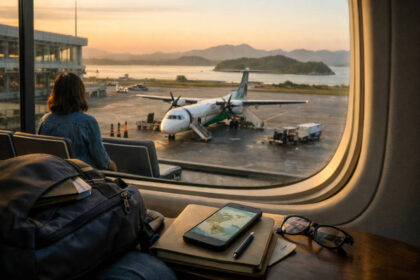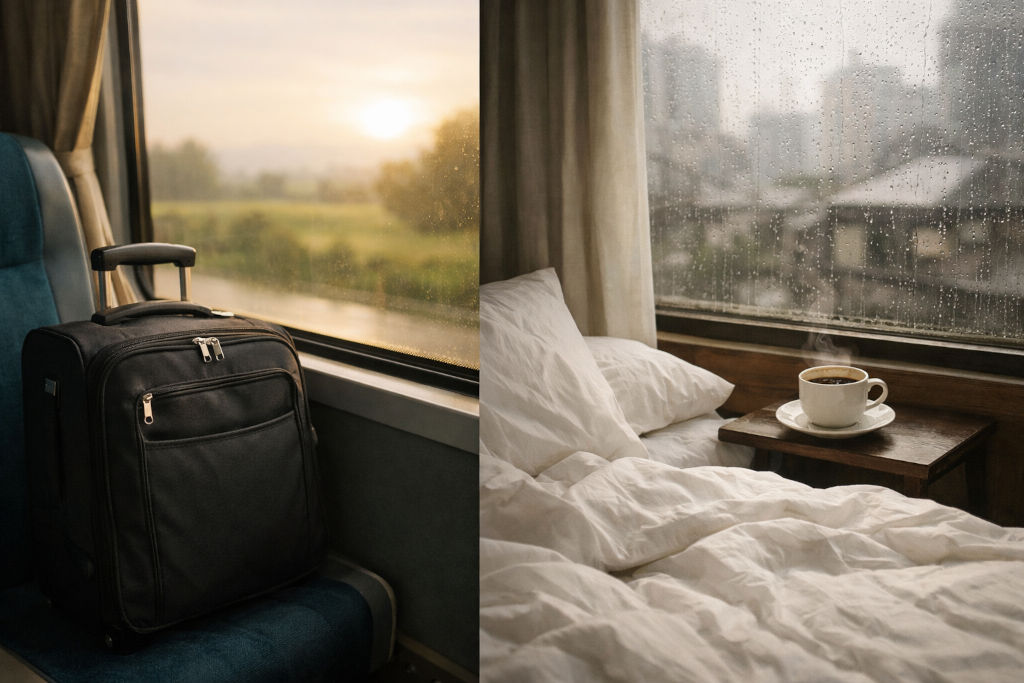
There are seasons when you want a change of scenery, but not the kind that leaves you more pagod than before. Maybe you’re craving quiet, maybe you’re budgeting carefully, maybe you’re just protecting your energy after a long workweek and a long commute. If you’ve been weighing bakasyon vs staycation, this guide is here to give you soft clarity: no hype, no guilt, just a practical way to choose what fits you right now.
Think of this as your calm decision page for bakasyon vs staycation: definitions (Philippines context), a quick checklist, and doable ideas for low/medium/high energy, plus weather, crowds, budget reality, and a short Manila section for rainy days and commuting without a car.
At-a-Glance: Bakasyon vs Staycation, the Calm Choice That Won’t Drain You
Best time window: Weekdays or shoulder dates (not payday weekends/holidays) if you’re crowd-averse. Realistic travel time: If you only have a day, plan for 2–4 hours total travel max (traffic is part of the itinerary). Budget band: A “calm” short break often sits in the mid-range because you’re paying for convenience (ride-hail, snacks, early check-in). Crowd/traffic risk: Highest on Friday evenings and Sunday late afternoons; lowest early mornings and weekday mid-days. Rain/heat backup: Always keep one indoor Plan B (museum, café loop, spa, mall-walk with a purpose) and a small “dry kit” (extra shirt, zip pouch, small towel).
Reality Check: The most peaceful bakasyon vs staycation plan is the one that matches your energy, especially when weather, traffic, and family needs are non-negotiable.
Quick Definition: bakasyon vs staycation (in Filipino context)
Bakasyon in the Filipino context usually means leaving your usual routine and location, often with travel time, at least one “main destination,” and a mental reset that comes from being somewhere else (even if it’s nearby).
In one sentence: Bakasyon is a planned break where you go out of your usual area to rest, explore, or reconnect, with travel built in.
Staycation typically means taking time off while staying within your city (or very close to home), focusing on rest and convenience: hotel, home reset, or a gentle itinerary without long transfers. If you want a neutral reference for the term, you can check this overview of “staycation”.
In one sentence: Staycation is a break that protects your energy by keeping travel minimal while still making the day feel special.
If you want a deeper Filipino-context explanation, link this phrase to your pillar: bakasyon meaning.
Reality Check: In the Philippines, the biggest difference in bakasyon vs staycation is often not the destination, it’s the friction: traffic, transfers, weather swings, and how much decision-making you can handle.
The Calm Decision Checklist (5 Factors)
 If you only take one thing from this article, make it this: pick a plan that reduces “friction” for your current season of life. These five factors make the bakasyon vs staycation choice feel simpler fast, and each one changes what your day actually looks like.
1) Time available (same-day, overnight, 2–3 days)
Same-day: Choose a staycation or a micro-bakasyon with one transport mode and one main stop. Your goal is not “many places,” it’s a clean beginning and a clean ending, no racing the clock. This is the easiest lane for bakasyon vs staycation when you’re short on time.
Overnight: This is where you can safely add comfort: early check-in (if possible), slower mornings, and the gift of not rushing home through Sunday traffic. Keep your “must-dos” to one per day. Overnight is often the tipping point that makes bakasyon vs staycation feel truly different.
2–3 days: You can do a real bakasyon, but still keep it calm by choosing fewer transfers (direct bus, direct ferry, one ride-hail) and building buffer time like it’s part of the itinerary.
Reality Check: If you only have 24 hours, don’t spend 10 of those in transit. Protect the middle of your day, the part that actually feels like rest, whether you choose bakasyon vs staycation.
2) Budget reality (total cost: transpo + food + lodging + activities)
Instead of asking “Can I afford the hotel?” ask: “Can I afford the whole day?” In the Philippines, costs creep in through convenience spending: ride-hailing to avoid transfers, snacks when you’re stuck in traffic, and last-minute indoor options when it rains. Budget is a quiet but powerful driver in bakasyon vs staycation.
How this changes the plan: If budget is tight, choose the plan with fewer paid decisions: a home staycation with one booked treat (massage or museum), or a near-city day trip with packed snacks and a clear return time.
Reality Check: Calm often costs a bit more because it buys you time and ease. The trick is choosing where to spend for comfort and where to keep it simple, whichever side of bakasyon vs staycation you pick.
3) Energy level (low/medium/high)
Energy is not just physical; it’s also “decision energy.” If you’re mentally tired, avoid plans that require constant choices (where to eat, how to commute, what’s open). When people feel stuck on bakasyon vs staycation, it’s often because they’re underestimating decision fatigue.
How this changes the plan: Low energy = pre-decide two anchors (a place to rest + one gentle activity). Medium energy = add one scenic stop. High energy = add travel, but keep the itinerary light.
Reality Check: If you’ve been saying “pagod ako” all week, the best plan might be the one with the fewest moving parts, even if it’s not far. That’s the gentle truth of bakasyon vs staycation.
4) Weather risk (rainy season, sudden downpour, typhoon signals)
Weather is a logistics factor, not a mood-killer. In rainy season, your calm plan needs waterproofing: indoor alternatives, covered walkways, and transport options that won’t strand you. If rain risk is high, bakasyon vs staycation often leans staycation for pure comfort, unless your destination has strong indoor anchors.
How this changes the plan: If rain risk is high, prioritize staycation or destinations with strong indoor options (museums, cafés, spas, covered viewpoints). If you’re going out of town, choose places with easy rebooking and safe roads.
Reality Check: A surprise downpour can double your travel time. The calm move is to plan a “good enough” indoor version of your day from the start, whichever side of bakasyon vs staycation you choose.
5) Crowd tolerance (weekends, holidays, peak months)
If crowds make you anxious or irritable, treat crowd planning as self-care. Philippines crowds are predictable: payday weekends, long weekends, holiday rush, and Sunday afternoon returns. Crowd tolerance is another hidden decider in bakasyon vs staycation.
How this changes the plan: Low crowd tolerance = weekday breaks, early starts, and reservations where possible. High crowd tolerance = you can go popular, but still protect your rest by avoiding peak hours and limiting activities.
Reality Check: Even the prettiest view won’t feel restful if you’re spending the day in lines, stuck in parking, or waiting for a table while hungry. If you’re torn on bakasyon vs staycation, crowds are a good tiebreaker.
Choose Your Energy Level (With Philippines-Realistic Examples)
 This section is designed to be copy-paste practical. Pick your energy level, then choose 1–2 options. If you try to do everything, you’ll end up needing another vacation to recover, no matter what you picked in bakasyon vs staycation.
Energy Level: Low (minimal movement, minimal decisions)
Best for: Burnout weeks, recovery days, introvert resets, parents who need quiet, or anyone who’s been carrying a lot.
Option 1: Hotel staycation with one “treat”
Choose a hotel with strong soundproofing, decent blackout curtains, and food options nearby. Your only job is to rest, then add one small treat like a long bath, a slow breakfast, or room-service merienda if budget allows. If you’re comparing bakasyon vs staycation and you’re low-energy, this is usually the winner.
Option 2: Spa + early dinner (weekday if possible)
A massage plus an early dinner can feel like a full reset without needing to pack much. Choose earlier slots to avoid rush-hour travel and to give yourself a soft landing at home.
Option 3: Slow café + bookstore loop
Pick one neighborhood, one café, one bookstore, then go home. The calm is in not hopping around. If you’re commuting, aim for places near stations or along a single route so you’re not doing multiple transfers.
Option 4: Museum + merienda + home
Museums are naturally slower spaces: aircon, quiet, and structured. Pair it with a gentle meal and call it a day before crowds build up.
Reality Check: Low-energy plans work best when you resist the urge to “squeeze in” more. That restraint is a superpower in bakasyon vs staycation.
Rain-proof mini-checklist (if it pours)
1) Bring a small umbrella + a light jacket you don’t mind getting damp. 2) Pack a zip pouch for phone/cash. 3) Choose places with covered entrances and short walks between stops. 4) Have one indoor “anchor” you can stay in longer (a museum or café) so you’re not forced to commute in peak rain.
Energy Level: Medium (some movement, still low-stress)
Best for: You want fresh air and a view, but you don’t want a complicated itinerary or multiple transfers.
Option 1: Tagaytay slow morning + early return (traffic-aware)
The calm version of Tagaytay is not “all the stops.” It’s one view, one warm drink, one meal, then leave before the return traffic turns the drive into a test of patience. If you’re crowd-averse, avoid Sunday late-afternoon returns.
Option 2: Rizal viewpoints + cafés with short walks
Choose one viewpoint with easy access and one café nearby. Short walks are enough, especially if it’s humid or there’s drizzle. Bring shoes you don’t mind getting dusty or damp.
Option 3: Antipolo arts + cafés
Antipolo can be gentle when you pick one or two spots and keep your schedule loose. Think: a slow brunch, an art stop, and a quiet moment with a view, then head home before roads get crowded.
Option 4: Easy beach or lake overnight with minimal transfers
If you’re craving water but want low stress, choose an overnight that’s direct (one bus, one ride) and keep the itinerary light. The goal is rest, not a checklist. This is often the “middle bridge” in bakasyon vs staycation.
Reality Check: Medium energy still needs boundaries. Plan your return time first, then fill the day around it. That boundary is what keeps bakasyon vs staycation from turning into “pagod” either way.
Timing tips for calmer commutes
Leave early (before the late-morning rush), eat meals slightly off-peak, and set a “homeward” time that avoids Sunday late afternoons if crowds and traffic spike your stress. If you’re bringing family, build snack time into the plan, hungry passengers make every traffic jam feel longer.
Energy Level: High (more travel, still calm)
Best for: You’re excited to go farther, but you still want rest to be the main character.
Option 1: 1–2 night trips with fewer transfers
Choose destinations where the journey is straightforward. Fewer transfers = fewer chances to get delayed, drenched, or exhausted. If you can, travel at off-peak hours so you arrive with energy left.
Option 2: Shoulder dates + lighter itinerary
If a place is popular, go when it’s quieter: weekdays, after peak holidays, or outside the loudest months. Then keep the plan simple, one main activity per day is a beautiful rule.
Option 3: Restful even when popular
Some places can still feel calm if you focus on early mornings, slow meals, and resting in between. Prioritize accommodations that feel like a sanctuary (quiet, good ventilation, comfortable bed) so the “rest” part is guaranteed.
Reality Check: High energy doesn’t mean infinite energy. The calm version of a longer trip is still paced like a rest day, just in a different place. That’s the healthy side of bakasyon vs staycation.
Calm guardrails (rules that protect your break)
1) Cap activities: one main activity per day. 2) Build nap or quiet time into the schedule (even 30–60 minutes). 3) Pre-book essentials only (transport or one key ticket), not every hour. 4) Protect buffer time like it’s an appointment, traffic, rain, and lines are real. 5) Keep a “good enough” backup plan if weather changes.
When Bakasyon vs Staycation Feels Better (and Vice Versa)
Both choices are valid. The calm answer depends on what you need most: distance, rest, novelty, or simplicity. If you’ve been stuck on bakasyon vs staycation, use this section as your decision shortcut.
Bakasyon is better when… (green flags)
You need a real reset from your space. If home feels like chores and responsibilities, changing scenery can help your brain unclench.
You have at least one overnight. Sleeping somewhere else makes the “break” feel real, and avoids rushing home through traffic.
You can handle travel friction right now. If you have the patience for delays, weather pivots, and small inconveniences, a short trip can be deeply rewarding.
Common regret to avoid: Over-scheduling. Many people return from bakasyon feeling like they “did a lot” but didn’t actually rest. That’s the classic pitfall in bakasyon vs staycation.
Staycation is better when… (green flags)
You’re low on energy or decision power. Less movement can still feel special if you design the day with intention.
Your time is tight. If you only have a day, a staycation protects the part of the day that matters, the restful middle.
Weather is unpredictable. Staying close keeps you flexible and safer, especially during rainy season shifts.
Common regret to avoid: Turning your staycation into “errand day.” If you can, separate chores from rest, even just for half a day. This is the staycation side of bakasyon vs staycation done right.
Weather and Crowd Strategy (Philippines-Specific)
Philippine weather doesn’t have to dictate your joy, it just needs a plan. A calm traveler thinks in versions: Plan A (ideal) and Plan B (still good). Weather planning also makes bakasyon vs staycation feel less emotional and more practical.
For a deeper month-by-month overview, you can use Philippines weather and best months to travel as your planning reference.
Rainy season vs dry season (plain-language planning)
Dry season: Easier outdoor plans, but higher crowds in peak windows. You’ll want earlier starts and smarter timing to avoid heat and lines.
Rainy season: Lusher views and sometimes fewer crowds, but you need covered options, grippier shoes, and a little more patience for delays.
If you want a neutral official source for advisories, check PAGASA climate advisories before committing to longer travel days.
Reality Check: A gentle trip in rainy season is less about “avoiding rain” and more about reducing exposure: shorter walks, covered transfers, and flexible timing. That’s true in bakasyon versus staycation either way.
The simple Plan A / Plan B approach
Plan A (outdoor-friendly): One scenic stop + one meal anchor + early return.
Plan B (indoor-friendly): One indoor anchor you can stay in longer (museum/spa/café loop) + a nearby comfort meal + a safe route home.
Keep both plans in the same area so you’re not reinventing your day mid-downpour.
Budget Reality Check (Calm, Non-Judgy)
Budgeting for short breaks can feel tricky because the spending is “small but frequent.” The good news: you don’t need a perfect spreadsheet, you need a simple structure that keeps you relaxed. Budget clarity makes choosing bakasyon vs. staycation decision much easier.
For examples across different trip lengths, this guide helps: sample Philippines travel budgets.
Where costs creep in (and how to keep it gentle)
Transpo: Ride-hailing for comfort, toll fees, parking, or “one more trike” because it’s raining.
Food: Snacks during traffic, coffee stops for comfort, and convenience meals when you’re too tired to look for cheaper options.
Lodging: Early check-in, late check-out, or choosing a place closer to the center to reduce transfers.
Activities: Entrance fees, rentals, and the temptation to “make the trip worth it” by adding paid experiences.
Reality Check: Calm often means paying to remove friction. That’s okay, just do it intentionally, not impulsively. This is the calmer math behind bakasyon vs staycation.
A simple budgeting approach for short breaks
Step 1: Set your “calm cap.” Pick the total amount you can spend without worrying the next day.
Step 2: Protect comfort first. Allocate for transport ease (fewer transfers) and one reliable meal. Being hungry and stuck in traffic is a fast way to lose the “vacation feeling.”
Step 3: Choose one paid “highlight.” Hotel day use, a massage, a museum ticket, one thing that makes the day feel special.
Step 4: Leave a small buffer. Rain pivots, unexpected detours, and “let’s just grab a snack” moments happen. A buffer keeps you from feeling restricted.
Calm Breaks (Rainy Days, No Car, Low-Stress Pacing)
 Manila can feel intense, but it can also be surprisingly gentle when your plan is logistics-first. The goal is to reduce walking in the rain, reduce transfers, and build comfort stops into your route. This section helps if your bakasyon vs staycation choice happens inside the metro.
Start with an indoor route you can stretch
If the weather looks moody, use a pre-planned indoor flow like Manila rainy-day indoor routes and treat it as your “anchor.” Choose one zone, then move slowly: museum or gallery → café → early dinner. You’re not trying to conquer the city; you’re trying to feel held by the day.
Reality Check: Manila rain can arrive suddenly and heavily. A good indoor route is not boring, it’s protective.
Commuting without a car: comfort and safety first
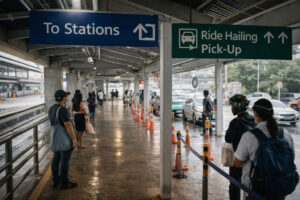 If you’re commuting, plan your day around the easiest transport you can afford and tolerate. This guide: get around Manila safely without a car is useful for choosing routes that feel less stressful. Aim for fewer transfers, avoid peak crush hours when possible, and pick meeting points with covered waiting areas.
Low-stress pacing tip: Build “rest stops” into the route, places you can sit, hydrate, and regroup (a café, a quiet lobby, a bookstore corner). That’s not wasted time; that’s the point, whether your choice is bakasyon vs staycation.
If you’re planning with family
When kids (or elders) are in the mix, your calm plan needs snacks, comfort breaks, and fewer walking-heavy segments. If you want a family-tilted option, use Manila low-stress itineraries with kids as a base and keep the day shorter than you think you need. Everyone is happier when you end on a high note.
Reality Check: In Manila, the “best” plan is often the one that keeps everyone regulated: cool, fed, dry, and not rushing. That’s the family-friendly side of bakasyon vs staycation.
Bakasyon vs Staycation FAQs
1) What’s the simplest way to choose between bakasyon and staycation?
Ask two questions: “How much friction can I handle?” (traffic, transfers, weather) and “What kind of rest do I need?” If you need distance from your space, choose bakasyon with minimal transfers. If you need ease and quiet, choose staycation with one intentional highlight. That’s the simplest way to handle bakasyon vs staycation without overthinking it.
2) I only have one day. Is bakasyon still worth it?
Yes, if the travel time is short and direct. The calm rule: keep total travel to 2–4 hours max, choose one main stop, and set an early return time so you’re not crawling home exhausted. For one-day breaks, bakasyon vs staycation often comes down to commute reality.
3) How do I plan during rainy season without getting disappointed?
 Plan two versions of the same day. Your Plan A is scenic; your Plan B is indoor and still enjoyable. Keep both plans in the same area, bring a small dry kit, and treat flexibility as part of the experience, not a failure. This keeps bakasyon vs staycation calm even when the weather is not.
4) How do I avoid crowds without waking up at an impossible hour?
 Choose weekdays if you can, travel slightly off-peak (early-ish, not necessarily dawn), and eat meals before the rush (late lunch, early dinner). If you’re crowd-averse, avoid Sunday late-afternoon returns from popular near-Manila spots.
5) How do I keep a trip calm when traveling with kids or family?
Shorten the plan, add snack breaks, and keep transfers minimal. Choose places with clean restrooms and easy seating. Most importantly: decide in advance what you’re not doing. A calm family day is a “one or two highlights” day, not an “everything” day.
6) I feel guilty doing a staycation when I could travel. Any advice?
Rest is not a reward you earn, it’s a need you honor. If a staycation fits your budget, energy, and responsibilities right now, that is a wise choice. You’re allowed to choose what supports you, even if it looks simple. That mindset makes bakasyon vs staycation feel kinder.
7) How do I make a staycation feel special without spending too much?
Choose one paid highlight (a massage, a museum ticket, a nice merienda) and design the rest around it: slow morning, intentional phone-off time, a favorite playlist, and a clear boundary that this is not an errand day.
8) What’s a good “calm itinerary rule” for any short break?
One main activity per day. Everything else is support: meals, rest, travel buffers, and small joys. When you protect your pace, your day feels longer, and kinder.
Whatever you choose in bakasyon vs staycation, let it be a break that respects your real life: traffic, weather, budget, family rhythms, and your own capacity. The soft win is coming home feeling a little more like yourself: calmer, clearer, and gently recharged.