Bakasyon in English most often translates to “vacation.” If someone says “Naka-bakasyon ako,” they usually mean they’re on vacation—off work or school, taking a trip, or simply taking time to rest. But depending on context, “holiday” (especially for public holidays) or “break” (especially for school breaks) can be a cleaner fit.
The helpful way to think about bakasyon in English is this: bakasyon is time away from routine, with a real-life Philippines flavor—planning around traffic, heat, sudden rain, budgets, and family pacing. The word often carries a “reset” vibe, not just a calendar label.
The Fast Definition (Traveler-First)
In everyday Filipino travel talk, bakasyon usually means a vacation: time off, rest time, or a trip—short or long. It can also imply “a proper break,” like stepping away from messages, sleeping a bit more, eating at odd hours, or slowing down the day because the weather and commute are intense.
In English, the closest “default” translation is “vacation,” similar to the general idea described here: https://en.wikipedia.org/wiki/Vacation. But Filipino usage is flexible, and that’s where choosing between vacation, holiday, and break becomes useful—especially if you’re writing about travel.
Nuance: When to Use “Vacation,” “Holiday,” or “Break”
For travelers and writers, choosing the right English word depends on what kind of time off you mean—personal time off, a public holiday period, or school time off.
When “vacation” is the best choice
Use vacation when the focus is personal time off and travel plans: booking a stay, planning where to eat, or taking leave from work. In most travel writing, “vacation” is the cleanest match for bakasyon in English because it reads naturally for international audiences.
Examples that fit “vacation”: a couple’s beach weekend, a family trip with kids and elders, a solo reset with a simple itinerary, or taking VL for a few days.
When “holiday” fits better
Use holiday when the context is a public holiday, a long weekend, or a peak-season vibe where many people are off at the same time. It’s also common in British-style English. If you’re writing for a mixed audience, “holiday weekend” can make the meaning clear.
For a simple reference of how “holiday” is used broadly, see: https://en.wikipedia.org/wiki/Holiday.
When “break” is the cleanest word
Use break when the meaning is “time off from school” or “a pause” rather than a trip. “Summer break,” “semester break,” and “holiday break” often match how families talk about bakasyon in a school context. “Break” also works when someone is staying home and resting: “I needed a break.”
The Real Feel: Travel Scenarios Where Bakasyon Shows Up
To make bakasyon in English feel real (not dictionary-stiff), it helps to picture how people actually plan and talk—especially in Manila conditions where traffic and weather shape the mood.
Family bakasyon (multi-age pacing, heat/rain planning, early nights)
 In a family setting, bakasyon often implies comfort-first planning: fewer transfers, predictable meals, and a pace that works for kids and elders. The “trip” is successful when everyone is fed, cooled down, and not rushed.
Scenario: A family plans a city day with an early start, then protects midday with an aircon block (mall or museum), then a short late-afternoon stroll if the rain holds. They aim for an early dinner because kids crash fast after a hot commute. In bakasyon in English, you’d call this a “family vacation day” or a “family trip,” but the real feel is “slow, steady, comfortable.”
Barkada bakasyon (shared costs, flexible schedule, social vibe)
Barkada trips often mean flexible timing, shared costs, and a more social rhythm—late coffees, shared plates, maybe a slightly later night. The tradeoff is decision fatigue, so the best barkada weekends usually pick one base and keep movement minimal.
Scenario: Friends split a shared stay, choose one beach strip or one ridge area, then do “one activity, one long meal, one sunset plan.” They build buffers for traffic and rain so no one gets cranky. In bakasyon in English, “group vacation” works, but “weekend getaway” often sounds more natural.
Solo bakasyon (safety, simplicity, energy management)
Solo bakasyon usually signals a quieter kind of reset: fewer stops, more rest, and a safety-first approach that still feels calm, not fearful. It often includes small comforts: a reliable ride back before dark, a well-lit area, and a place with good reviews for staff presence and security.
Scenario: A solo traveler chooses a walkable neighborhood, keeps valuables simple, uses app-based rides, and plans one highlight plus one food stop—then goes home early if energy drops. In bakasyon in English, “solo vacation” is clear, but “solo trip” can feel lighter and more modern.
Staycation (rest days, nearby neighborhoods, hotel/condo vibe)
A staycation is a very common modern form of bakasyon—especially when people want a break but don’t want long transfers. It’s also a rainy-season favorite: you can still feel “off duty” without dealing with flooded streets or long drives.
Scenario: Someone books a hotel/condo night, schedules a long lunch, does one nearby café or mall loop for aircon comfort, then returns early for rest. In bakasyon in English, “staycation” is often the perfect word because it carries the same “rest + reset” meaning without promising a big trip.
Long weekend usage (short reset trips, traffic timing, leave-early reality)
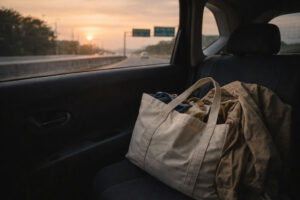 When Filipinos say bakasyon around a long weekend, it often implies a short trip with strict timing: leave early, return before the Sunday rush, and don’t crisscross the city or provinces just to chase one activity.
Scenario: A couple leaves before sunrise to beat weekend traffic, does a simple two-stop day (one main activity, one long meal), then heads back before late afternoon clouds and rain. In bakasyon in English, “long weekend vacation” or “holiday weekend trip” both fit, depending on whether you’re emphasizing personal leave or a public holiday period.
Common Translation Choices in Conversation (Simple, Writer-Friendly)
When you’re translating bakasyon in English, it helps to choose the simplest equivalent that matches the speaker’s intent:
- “Magbabakasyon ako.” → “I’m going on vacation.” / “I’m taking a vacation.”
- “Naka-bakasyon ako.” → “I’m on vacation.” / “I’m off this week.”
- “Bakasyon mode.” → “Vacation mode.”
- “Sem break / summer bakasyon.” → “Semester break / summer break.”
- “Long weekend bakasyon.” → “Long weekend trip” or “holiday weekend vacation.”
One gentle tip: if the person clearly means rest more than travel, “break” can be truer than “vacation.” That’s part of the nuance that makes bakasyon in English feel accurate.
How to Use “Bakasyon” Naturally in English Travel Writing
If you’re writing for an international audience but want to keep Filipino flavor, here’s a simple technique: define it once, then use it naturally.
A practical technique you can copy
Step 1: Gloss once: “bakasyon (vacation).”
Step 2: Keep using bakasyon like a lived-in travel word in the next sentences, so it feels human—not like a footnote.
Sample lines that sound like travel writing
1) “We planned a bakasyon (vacation) that stayed gentle: one neighborhood, one long lunch, and an early night to recover from the week.”
2) “For a rainy-season bakasyon, we kept everything indoors and close—less walking, more warm food, and shorter rides.”
3) “A long weekend bakasyon doesn’t need a packed itinerary; it needs good timing, comfort breaks, and a place you can rest.”
If you want the deeper cultural context behind how Filipinos use the word across work, school, and family life, see our Bakasyon Meaning pillar page on Bakasyon.ph.
A Simple Low-Stress “Bakasyon Plan” Example in Manila
When you’re tired, the best bakasyon in English is often described as a “low-stress vacation day.” In Manila, that usually means: start early, protect midday with aircon, and keep transfers short so traffic doesn’t steal your weekend.
One concrete example is this kind of “bakasyon plan”: https://bakasyon.ph/manila-itinerary-24-hours-low-stress/. It shows the practical rhythm that works in real Manila life—predictable resets (bathrooms, water, snacks), indoor anchors when heat or rain hits, and a pace that doesn’t punish you for being human.
If you want more Manila-specific context, you can also skim this Manila travel guide, plus practical movement tips in this getting-around guide. And if the weather looks unstable, this rainy-day indoor routes guide helps keep your bakasyon in English feeling calm instead of chaotic.
FAQ: Bakasyon in English (For Travelers and Writers)
1) Is bakasyon in English always “vacation”?
Most of the time, yes—especially for travel. But “holiday” fits better for public-holiday periods, and “break” fits best for school breaks or rest-focused time off.
2) Should I use “holiday” or “vacation” in travel writing?
If your audience is global or American-leaning, “vacation” is usually clearer. “Holiday” works well if you’re describing a public holiday or writing in a more British-style tone.
3) How do I translate “magbakasyon” naturally?
Common options: “to go on vacation,” “to take a vacation,” or “to take time off.” Choose the one that matches the speaker’s intent (trip vs rest).
4) What’s the best English for “long weekend bakasyon”?
Often “long weekend trip” is the smoothest. If it’s tied to a public holiday, “holiday weekend getaway” also fits.
5) When should I keep “bakasyon” in English writing instead of translating it?
Keep it when you want Filipino texture and you’ve already glossed it once (bakasyon (vacation)). It can make your writing feel grounded and local without confusing readers.
6) Is “staycation” a good match for bakasyon?
Yes, when the plan is rest-first and nearby—hotel/condo time, local neighborhoods, and minimal transfers. It carries the same “off-duty reset” energy many people mean by bakasyon.
7) What does “naka-bakasyon” imply beyond translation?
It often implies “I’m off the clock”—slower replies, lighter schedule, and a focus on rest. In Manila reality, it can also imply planning around heat, rain, and traffic so the time off actually feels like time off.