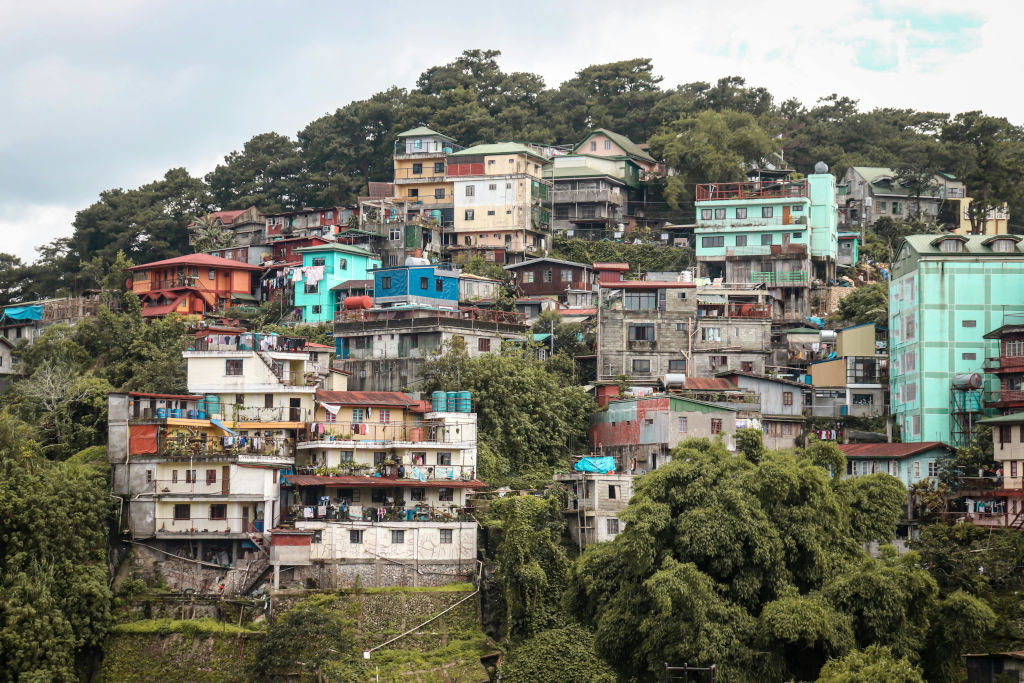
The drive to Baguio always feels like returning to an old friend. The moment the air cools and the scent of pine drifts through the window, my shoulders drop and my mind softens. This Baguio itinerary is shaped by those familiar sensations – mornings wrapped in fog, afternoons wandering through artist spaces, and evenings spent in warm cafés humming with quiet conversations. Baguio may be the Summer Capital, but for me, it’s also a sanctuary of memory, art, and mountain calm.
Baguio Itinerary Quick Plan (Low-Stress Version)
- Best for: first-timers, art + café lovers, weekend reset trips, cool-weather cravings.
- Ideal length: 2D1N (tight but doable) or 3D2N (most comfortable).
- Core loop: City center (Session Road + Ili-Likha) → BenCab → Market + pasalubong → Camp John Hay.
- Biggest friction points: weekend traffic, uphill walking, sudden drizzle, long queues in peak hours.
- Comfort rule: one major stop per half-day, then slow down with coffee or a short walk.
Arriving in the City of Pines
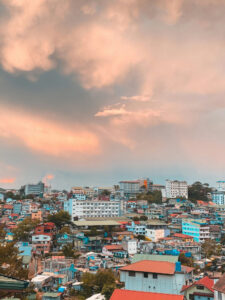 The journey from Manila has become much smoother thanks to modern highways. Leaving before dawn, I followed the TPLEX route, watching the sky turn lavender behind the mountains of the north. After a quick stop for coffee in Pangasinan, the road wound higher until the first cluster of pine trees signaled that Baguio was near.
Whether you’re taking a private car or riding a Victory Liner bus, the arrival feels the same – a gentle exhale, a welcome break from the lowland heat. By the time I reached the city proper, street vendors were already selling strawberries and walis tambo by the roadside, and Session Road was waking up to the aroma of freshly baked bread.
Arrival tip: protect your first half-day
For a calm Baguio itinerary, the first rule is not to overschedule your arrival. The city feels best when you give yourself space to settle in: check in, do one gentle walking area, then end the day early with a warm café break. Baguio is not a “sprint city,” especially on weekends.
A Practical Baguio Itinerary Template (2D1N and 3D2N)
2D1N Baguio itinerary (tight but sulit)
- Day 1 (Arrival + city center): Check in → Ili-Likha Artist Village → Session Road café stop → early dinner → rest.
- Day 2 (Art + market + forest): BenCab Museum morning → Baguio Public Market + pasalubong → Camp John Hay late afternoon → depart.
This version works best if you arrive early enough on Day 1. Keep it simple: one walking zone, one main highlight, one quiet wind-down.
3D2N Baguio itinerary (most comfortable pacing)
- Day 1: Arrival → Session Road + Ili-Likha → warm café night.
- Day 2: BenCab Museum → long slow lunch → Arca’s Yard (or another view café) → early night.
- Day 3: Market + Good Shepherd pasalubong → Camp John Hay walk → depart after lunch or mid-afternoon.
This is the best “no-rush” Baguio itinerary if you want long coffee breaks, fewer transfers, and less pressure to pack everything into one day.
Order-of-stops tip: reduce back-and-forth
If you want fewer transfers, group your stops by location. Do Session Road + Ili-Likha together, then do BenCab as a dedicated half-day, and keep Market + pasalubong as its own block. This simple structure is what keeps a Baguio weekend relaxed instead of exhausting.
The Creative Heart: BenCab Museum and Beyond
Baguio’s artistic identity is one of the reasons I keep coming back. My first stop in this Baguio itinerary is always the BenCab Museum in Asin Road – a place where art flows seamlessly into landscape. As I stepped onto the terrace, the view of the forested valley took my breath away: soft mist drifting between trees, the rush of a distant stream, the mountains stretching like a watercolor painting.
Inside, Benedicto Cabrera’s works hang alongside Cordillera artifacts – bulul rice guardians, handwoven cloth, and pieces that feel like love letters to the highlands. Each gallery feels intimate, like the artist left a part of himself in every room. The café overlooking the eco-forest farm is perfect for slow afternoons; I lingered with a cup of coffee as the fog rolled in, blurring the line between sky and earth.
BenCab timing tip
If you can, go earlier in the day to keep the pace gentle. It’s easier to enjoy the museum when you’re not rushing, and the light in the surrounding landscape often feels softer in the morning.
Ili-Likha and Session Road’s Creative Corners
Back in the city center, Ili-Likha Artist Village stands like a living sculpture. Built from recycled materials, reclaimed wood, and stained glass, it feels like entering the imagination of Baguio’s creative community. I wandered through its maze-like pathways, passing murals, tiny cafés, and nooks where artists painted or carved quietly. The smell of brewed coffee and grilled vegetables lingered in the air.
Just a few steps away, Session Road pulsed with its usual charm – bookstores, cafés, thrift shops, and weekend stalls. I browsed through stacks of old postcards, bought jam from local makers, and watched students huddle over steaming bowls of mami. Even amid the bustle, Session Road has a gentleness that anchors the city’s creative energy.
Slow-travel tip: treat this as your “walking zone”
This part of the Baguio itinerary works best when you don’t force a checklist. Walk, pause, snack, and let your route be guided by weather and energy. If drizzle rolls in, this area stays easy because cafés and indoor corners are everywhere.
Cafés with a View: Arca’s Yard and Mountain Comforts
 If you ask me for my favorite spot in any Baguio itinerary, my heart goes straight to Arca’s Yard along Ambuklao Road. It’s a home turned gallery turned café – and one of the best places to savor both food and mountain views. I took my usual corner by the window and ordered their famous camote pie with a hot cup of Benguet arabica. Outside, the pine-covered hills stretched endlessly, softened by the morning fog that came and went like slow breathwork.
Inside, bookshelves lined the walls, and framed photographs told stories of the Cordillera people. It’s the kind of place where time slows down – where you write, reflect, or simply sit in silence as clouds drift past the terrace.
Why view cafés belong in a Baguio itinerary
Baguio is at its best when you schedule breathing space. A view café stop is not a “bonus.” It’s the reset block that keeps the rest of the day comfortable, especially if you’re walking a lot or dealing with weekend traffic.
Markets, Pasalubong, and Local Life
One thing I love about Baguio is how its markets reveal the soul of the city. At the Baguio Public Market, I walked between rows of vegetables still dewy from La Trinidad farms – crisp lettuce, ruby-red strawberries, and bundles of fresh herbs. Vendors called out cheerfully, offering free tastes of peanut brittle and strawberry jam.
Near the market, Good Shepherd Convent remained a favorite stop for pasalubong. The nuns’ famous ube jam, crafted with care and tradition, continues to support local communities. I carried home a jar, knowing it would remind me of cool mountain mornings long after the trip ended.
On weekends, Session Road becomes partly pedestrianized, transforming into an open-air market with artists, plant sellers, and food stalls offering both classics and creative twists. There’s always something new – yet the warmth of local craftsmanship remains unchanged.
Market timing tip
Markets are most comfortable earlier in the day. If you go late afternoon or evening on a weekend, expect heavier crowds and slower movement. If you want the calm version, visit earlier, buy pasalubong, then move on before the day gets busy.
Camp John Hay: Forest Walks and Quiet Moments
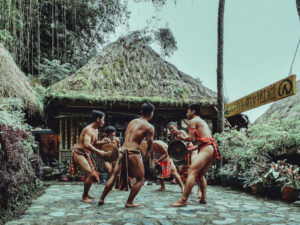 No visit in a Baguio itinerary feels complete without a long walk through Camp John Hay. The scent of pine thickens here, and the sound of footsteps on the soft forest floor calms the mind instantly. I strolled through the towering trees, stopping occasionally to watch sunlight filter through the branches. Families picnicked under the shade, while joggers moved quietly along the paths.
The old amphitheater, the butterfly sanctuary, and the gardens all bring a peaceful rhythm that contrasts beautifully with the city center. At the end of my walk, I treated myself to a warm drink at one of the cafés in the area, sitting by the window as fog slowly swallowed the treetops.
Comfort tip: do Camp John Hay in late afternoon
This is one of the best “soft landing” stops in a Baguio itinerary. Late afternoon walks feel calmer, and you get a nice transition into evening without needing another heavy activity.
Getting Around Baguio: What’s Easy, What’s Not
Walkable pockets vs uphill reality
Some parts of the city center are walkable in short bursts, but Baguio slopes can sneak up on you. The comfortable move is to walk within one zone (Session Road + Ili-Likha), then take a short ride when switching areas.
Taxi vs jeep: the low-stress rule
If you’re traveling as a group, taxis often become the easiest option for short transfers, especially when the weather shifts. Jeepneys are part of the city’s culture and can be efficient on the right routes, but they take more decision-making. For a relaxed Baguio itinerary, use whichever one protects your energy.
Costs and Budget Notes (Simple, Realistic Ranges)
Budget-friendly weekend
- Transport: commute-based routes, shared rides, minimal taxi use
- Food: mix of market snacks + simple meals
- Style: one “nice café” stop, mostly practical
Midrange comfort weekend
- Transport: more taxis for short hops, less uphill walking
- Food: cafés + comfort meals, slower pacing
- Style: more breathing space, fewer rushed transfers
Baguio spending usually goes into food and coffee (especially view cafés), plus transport convenience when you want to avoid walking slopes in drizzle.
Weather and Crowd Pivots (So Your Itinerary Still Works)
If fog and drizzle show up
Lean into indoor-friendly stops: Ili-Likha, cafés, museums, and market browsing. A rainy Baguio day can still feel cozy if you shift into slow meals and warm drinks instead of forcing long walks.
If weekends feel crowded
Start earlier, do one big highlight before lunch, then slow down. The easiest way to “win” a weekend Baguio itinerary is to protect your mornings and keep afternoons flexible.
Where to Stay: Cozy Mountain Retreats
Baguio’s accommodations reflect its evolving blend of heritage and creativity. Boutique hotels near Leonard Wood provide traditional charm with modern comfort, while Airbnb cabins along Outlook Drive give that sought-after woodsy escape. For those who want history with a view, the hotels within Camp John Hay offer some of the most serene landscapes in the city.
Each place I’ve stayed brought a different shade of Baguio’s personality – sometimes artistic, sometimes rustic, always comforting.
Location tip: choose based on friction, not just vibes
If you want fewer transfers, staying near the city center keeps your meals and walking zones easy. If you want a quieter forest feel, expect a bit more travel time, but a calmer night. The “best” base depends on whether your priority is convenience or quiet.
Why Baguio Keeps Calling Me Back
Each return to Baguio feels like opening a familiar book and finding new chapters. The city’s creative spirit, cool climate, and mountain quietness blend into something that’s both soothing and inspiring. Its markets tell stories, its cafés invite reflection, and its art spaces breathe life into every visit.
This Baguio itinerary no longer feels like just a list of stops. It feels like a weekend rhythm you can repeat: arrive gently, walk one zone at a time, take your café breaks seriously, and leave space for foggy surprises. Baguio will always be more than a getaway – it’s a place of renewal, where the air is cooler, the light softer, and the heart somehow lighter.