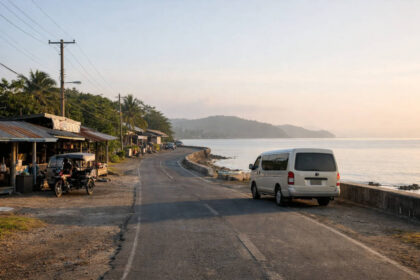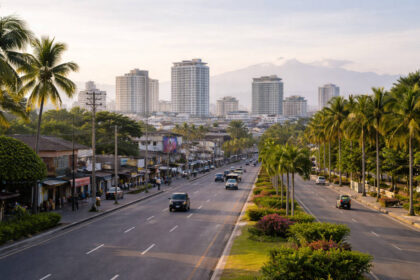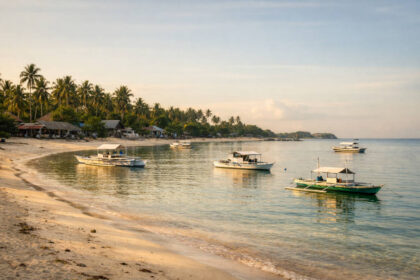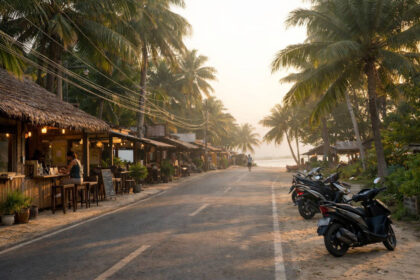
My favorite Bacolod moment is not a big landmark. It’s an ordinary afternoon: the sun turning soft, a little smoke from a grill drifting across the street, and a table where someone has already placed rice, calamansi, and that quiet confidence that you’re about to eat well. Bacolod feels like that—warm, sweet, and never in a hurry.
This Bacolod travel guide is written for the kind of trip where you don’t sprint. You’ll do food culture the Bacolod way (slow, with merienda built in), you’ll visit heritage and city landmarks at an easy pace, and you’ll still have time to sit by the lagoon and watch the light change. Logistics are here too—clear and calm, with the easiest options first and a few “if you want more adventure” alternatives after.
Why Bacolod Is the Kind of City You Don’t Rush
What makes Bacolod feel different from other Philippine cities is the rhythm. It’s a city that prefers lingering—over coffee, over dessert, over a second round of rice because the inasal is too good. The streets can still be busy, yes, but the mood is less frantic. People smile easily. Meals stretch. Afternoons are treated like a gentle event.
The “Sweet City” Identity You Can Taste
Bacolod’s “sweet” reputation isn’t just sugar; it’s also hospitality. You’ll feel it in how servers suggest what to order, how locals recommend a dessert place without making it a competition, and how the city’s best experiences are often simple: good food, a soft walk, a shaded bench.
What a Relaxed Bacolod Trip Looks Like
Think: late breakfast, a heritage stop before the heat peaks, a long lunch, a museum or café break, then a slow afternoon at Capitol Park and Lagoon before dinner. You’ll get more out of Bacolod by doing fewer things well.
Best Time to Visit Bacolod (Including MassKara Season)
Bacolod is easy to enjoy year-round, but your experience changes depending on whether you want calm days or festival energy.
When Is the Best Time to Visit?
For the most relaxed vibe, choose ordinary weeks outside major holidays—when restaurants feel spacious and the city’s slow afternoons are truly slow. Weather patterns can shift, so pack for heat and surprise rain either way.
When Is MassKara Festival?
MassKara Festival is associated with October in Bacolod. During MassKara season, the city gets louder, brighter, and more crowded—in a fun way, if you like street events and big energy. If you’re planning around festival schedules and traditions, this page can help you think about timing and food culture around festivals: Philippine festivals and food traditions.
What Ordinary Weeks Feel Like
On non-festival weeks, Bacolod is a gentle city break: less traffic stress, easier café-hopping, and more space to do a true “slow afternoon” itinerary that isn’t just malls.
How Many Days Should You Spend in Bacolod for a Relaxed Trip?
Two to three days is the sweet spot for a relaxed Bacolod trip. One day is doable, but it can feel like you only ate and left—no time for the city’s best pacing.
2 Days: The Classic Slow City Break
Day 1: city center + food trip + Capitol lagoon sunset.
Day 2: easy side trip (Silay or The Ruins) + a final dessert run.
3 Days: For Food Lovers and Gentle Explorers
Add a museum and a slower café circuit, or build in an extra afternoon nap (highly recommended). Bacolod is the kind of place where rest feels like part of the itinerary, not an interruption.
How to Get to Bacolod (Airport and Sea Routes in Plain Language)
Most travelers arrive via Bacolod–Silay Airport, then head to downtown Bacolod. Others come by sea, especially if pairing Bacolod with nearby islands and cities.
From Bacolod–Silay Airport to Downtown Bacolod
The simplest option is an airport taxi or accredited transport to take you straight to your hotel—easy, no confusion, best if you’re tired. A common budget-friendly option is the airport shuttle/van service that drops passengers in the city area (exact routes can vary, so ask at the airport desk). Either way, travel time depends on traffic and time of day, so allow breathing room, especially if you’re catching dinner plans.
Sea Routes: For Travelers Who Like a Little Adventure
If you’re arriving from nearby areas by ferry, it can be a fun way to ease into Bacolod—sea air first, then city food. Keep your arrival day light so you’re not rushing from port to packed itinerary.
Helpful Official References
If you want basic city background and official updates, these can be useful anchors: Bacolod (Wikipedia) and Bacolod City official website.
Getting Around Without Stress (No Haggle Options First)
Bacolod distances within the city can be manageable, but the heat can make even short walks feel longer. The trick is choosing transport that matches your comfort.
Easiest Way If You Don’t Want to Haggle
Use ride-hailing (when available) or metered taxis for the least negotiation. If you’re using tricycles, it helps to ask the fare politely before you sit down—calm, not confrontational. If you’re staying central, you can also do short walks between key spots, then take quick rides when the sun gets sharp.
Jeepneys and Tricycles: The Local Rhythm
If you’re comfortable with a more local commute, jeepneys and tricycles are part of the Bacolod texture. Keep small bills, know your landmark (Plaza, Capitol, Lacson area), and don’t be shy to ask, “Dadaan po kayo sa ___?”
Comfort Tip: Walk in the Late Afternoon
Save your longer walking for the time Bacolod loves most—late afternoon—when the city turns golden and everything feels slower by default.
Where to Stay for Slow Afternoons (Convenient and Walkable Areas)
For a calm trip, choose a base where you can do quick food runs and return for a break. Bacolod rewards travelers who can go out, come back, and go out again—without wasting energy on long commutes.
City Center / Lacson Area Vibe
Staying near main city areas (often around Lacson or central districts) usually makes it easier to reach restaurants, cafés, and city landmarks. It’s also practical for first-timers who want simple transport options.
If You Want Quieter Nights
A slightly tucked-away neighborhood stay can feel calmer, but check your transport options for late evenings. If your goal is “slow afternoons,” convenience matters more than a perfect aesthetic.
Bacolod Food Culture, Explained Like a Local Friend
 Let’s be honest: many people come to Bacolod for food, and that’s completely valid. The city’s food culture is generous and casual—meals are meant to be enjoyed, not optimized. You’ll hear recommendations for chicken inasal, yes, but also for soups, pastries, and desserts that match the “sweet city” mood.
Start With the Bacolod Trinity: Inasal, Kansi, Desserts
Where should you do your first Bacolod food trip? Do it like this: chicken inasal first (smoke + glaze + rice), kansi next (deep, comforting sour-beef warmth), then desserts when the afternoon heat is at its peak and you want something cool or sweet.
How to Order Inasal Like You Belong
Ask for chicken inasal, rice, and a drink—then take your time. Add calamansi, try the sauces sparingly first, and don’t rush the smoky skin. This is not a “one bite then move on” city.
Food Culture Reading Trail
If you like pairing city food with broader Filipino food context, you can explore: Bakasyon.ph Food & Culture. And if your trip is part of a bigger Visayas food story, this is a fun companion read: Iloilo fresh flavors market-to-plate guide.
Your First Bacolod Food Trip Route (Late Breakfast to Merienda to Dinner)
This is my favorite pacing for first-timers because it matches the city’s energy—gentle, steady, and never too full too soon.
Late Breakfast: Something Warm and Easy
Start later than you think. Bacolod mornings can be slow. Choose a warm breakfast that won’t overwhelm you, then save your main appetite for lunch.
Lunch: The Inasal Moment
Make lunch your inasal anchor. Eat it hot. Let the smoke do its work. If you want to keep it balanced, add something light on the side and don’t force extra rice unless your heart truly says yes.
Afternoon Merienda: Dessert as a City Ritual
This is where Bacolod becomes the “sweet city” in a quiet way. Seek out local desserts, pastries, or cold treats when the sun is strongest. If you want inspiration beyond Bacolod, you’ll like this guide too: Filipino dessert journeys: island sweets guide.
Dinner: Kansi or Comfort Soup, Then a Soft Walk
End with kansi (if you love rich, sour comfort) or another soup-based meal if you want something gentler. Then do a post-dinner walk—Bacolod nights can feel friendly and breathable in the right areas.
Heritage and Culture You Can Do at an Easy Pace
The best heritage stops in Bacolod are the ones you can pair with food and rest—no long lines, no marathon walking. Think plaza vibes, cathedral quiet, and museum air-conditioning when needed.
Plaza and Cathedral Mood
Start with the city center’s classic pairing: a plaza stroll and a cathedral visit. Keep your voice low, dress respectfully, and treat it like a pause—not a checklist.
Capitol Park and Lagoon: The Slow Afternoon Headquarters
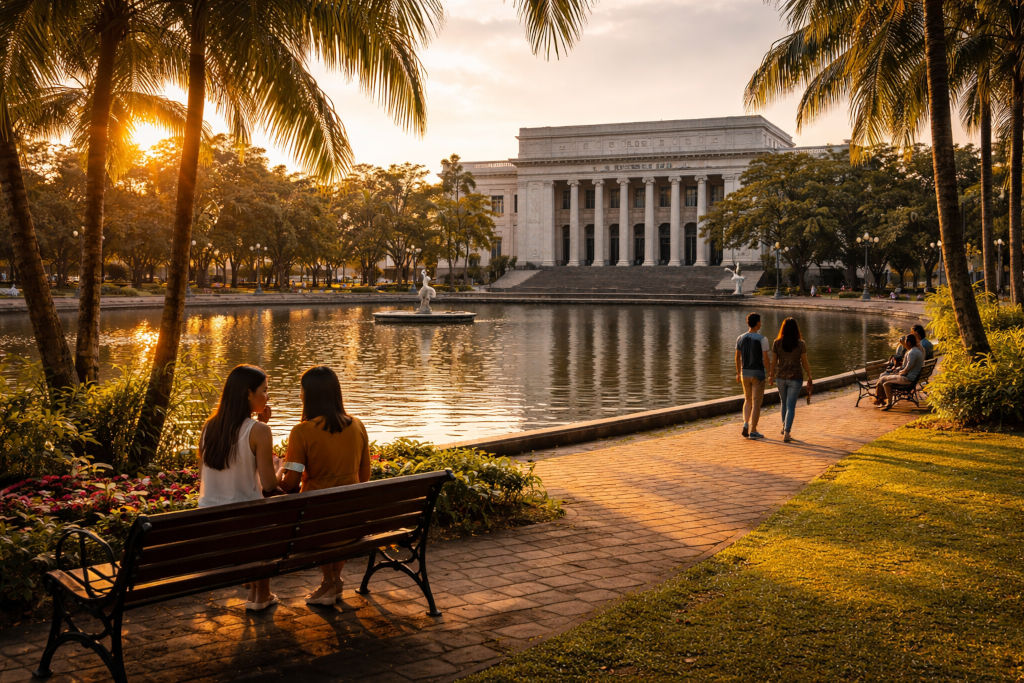
If Bacolod had an official “slow afternoon” headquarters, it would be Capitol Park and Lagoon. Sit, people-watch, let kids feed fish, watch joggers pass. The point is to do nothing beautifully for a while.
Museum Vibes for Midday Heat
If you’re traveling in a hotter month, use a museum or cultural stop as your midday reset. It keeps the day calm and protects your energy for dinner.
Easy Side Trips That Still Feel “Slow” (Silay and The Ruins)
 Are Silay and The Ruins doable as half-day trips from Bacolod? Yes—especially if you keep them low-friction and don’t stack too many add-ons.
Silay Heritage: The Gentle Half-Day
Silay’s ancestral-house vibe is a beautiful contrast to Bacolod’s urban ease. Go in the morning or late afternoon for softer light and a cooler walk. If you love slow heritage wandering, Silay is the kind of place that rewards “one street, many pauses.”
The Ruins: History in Golden Light
The Ruins is best when the light is kind—late afternoon into early evening—when the structure glows and the experience feels less like a quick photo stop and more like a mood. Plan a meal around it so the trip doesn’t feel like you went there only to leave.
Other Low-Friction Options
If you want alternatives without overcomplicating, ask your hotel or a trusted driver about easy viewpoints, cafés, or short countryside detours that don’t require a whole day. Keep your side trip philosophy simple: one main stop, one food stop, then back to the city for a slow night.
Budgets, Comfort Tips, and Small Etiquette Notes
This is the part that makes a Bacolod trip feel smooth—because comfort is part of the experience, not an afterthought.
Is Bacolod Safe and Comfortable for Solo Travelers and Families?
In general, Bacolod can feel friendly for solo travelers and families, especially in well-trafficked areas and when you follow common-sense city habits: keep valuables secure, avoid poorly lit empty streets late at night, and use reputable transport options. Families will appreciate the city’s slower pace—just plan midday breaks to avoid heat crankiness.
Realistic Budget Per Day for Food and Local Transport
Your daily Bacolod budget depends on how often you eat in well-known restaurants versus carinderias, and whether you take multiple short rides or mostly walk. A practical way to plan is to set a comfortable daily food allowance (breakfast + main meal + merienda + dinner) and add a transport buffer for short hops and a possible side trip. If you want to spend less, eat like a local and take fewer rides; if you want to spend more, do curated restaurants and dessert-crawls.
Heat, Rain, and Timing
Bring a light umbrella (sun and rain), wear breathable clothes, and plan your biggest walks late afternoon. If you feel yourself getting tired, take it seriously—Bacolod rewards rest.
Trike and Taxi Expectations
If you must use tricycles, ask the fare politely before you ride to avoid stress. If you want to avoid any negotiation, choose metered taxis or ride-hailing when available.
Pasalubong and Sweet Take-Home Picks
What pasalubong should you bring home from Bacolod? Go with the city’s identity: sweet, shareable, and easy to pack. Look for local pastries and desserts that travel well, plus small snack items you can bring to the office or to family merienda at home.
How to Choose Pasalubong That Won’t Get Soggy
Ask what’s best for travel—some items are meant to be eaten same day, while others keep better for longer rides. If you’re flying, choose boxed or well-wrapped items and keep them in your carry-on if possible.
A Sweet Detour for Dessert Lovers
If you want more dessert ideas beyond Bacolod (or you’re building a sweets-themed trip), bookmark: Filipino dessert journeys: island sweets guide.
A “Slow Afternoon” Itinerary in Bacolod That Isn’t Just Malls
If you only copy one thing from this Bacolod travel guide, copy this pacing. It’s simple, it’s realistic, and it feels like Bacolod.
2:00 PM: Dessert or Iced Coffee Break
Choose a cool place to sit. Let your energy reset. This is not wasted time—this is the city’s pace teaching you how to travel slower.
3:30 PM: Heritage Light Walk (Plaza + Cathedral + Nearby Streets)
Keep it gentle. Take photos, but don’t turn it into a production. If you’re visiting sacred spaces, dress modestly and keep voices low.
5:00 PM: Capitol Park and Lagoon Golden Hour
Sit, stroll, people-watch. This is where Bacolod feels like itself—locals lingering, the sky softening, the city exhaling.
6:30 PM: Dinner (Kansi or Comfort Meal) + Optional Nightcap
End with something warm, then decide if you still want a quiet night walk or if your bed is calling. Either choice is correct.
FAQ: Bacolod Travel Guide
What makes Bacolod feel different from other Philippine cities?
It’s the unhurried rhythm—food culture that encourages lingering, afternoons designed for slow walks, and a “sweet city” hospitality you feel in small interactions.
How many days should I spend in Bacolod for a relaxed trip?
Two to three days is ideal: one day for city + food + lagoon, one for a half-day side trip (Silay or The Ruins), and a third if you want more café time and heritage pacing.
When is the best time to visit Bacolod, and when is MassKara Festival?
Ordinary weeks outside major holidays feel calmer and more relaxed. MassKara Festival is associated with October, bringing bigger crowds and festival energy.
How do I get from Bacolod–Silay Airport to downtown Bacolod?
Take an airport taxi/accredited transport for the easiest ride, or use shuttle/van services that go into the city (routes can vary, so ask at the airport desk).
What’s the easiest way to get around Bacolod if I don’t want to haggle?
Use metered taxis or ride-hailing when available. If using tricycles, ask the fare politely before riding to keep it stress-free.
Where should I do my first Bacolod food trip?
Start with chicken inasal for lunch, kansi for a comforting meal later, and desserts during merienda when you want a cool, sweet pause.
What are the best heritage and culture spots inside Bacolod City?
Plaza and cathedral vibes, Capitol Park and Lagoon for slow afternoons, plus a museum or cultural stop for midday heat breaks.
Are Silay and The Ruins doable as half-day trips from Bacolod?
Yes—keep them simple: one main heritage stop, one food stop, then return to the city for a slow evening.
What pasalubong should I bring home from Bacolod?
Choose sweet, boxed, travel-friendly pastries and desserts, plus snacks that keep well for the ride home—ask shops what’s best for travel time.
Is Bacolod safe and comfortable for solo travelers and families?
It can feel friendly and comfortable when you follow common city precautions, use reputable transport, and plan rest breaks—especially for kids and older travelers.
What’s a realistic Bacolod budget per day for food and local transport?
It depends on your style. Plan a daily food allowance for four eating moments (breakfast, lunch, merienda, dinner) plus a transport buffer for short rides. Carinderias and fewer rides keep costs lower; curated restaurants and side trips raise it.
If you want Bacolod to feel like it’s meant to feel, don’t rush it. Let your day be built from smoke, soup, and soft light—one slow afternoon at a time. And if you’re collecting more city ideas for future trips, browse: Bakasyon.ph Travel Guides.