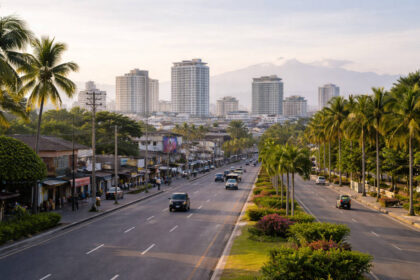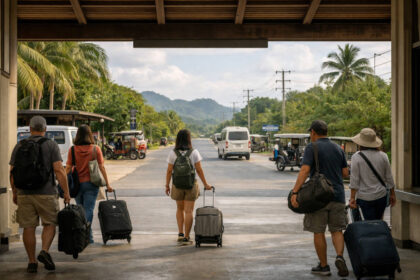
If you’re planning Bacolod to Zambales, the “best” route depends less on distance and more on transfers: which airport you land in, how close you are to the last bus trip, and what your destination town is (Subic and Olongapo feel very different from Iba or Santa Cruz). This guide is built to keep you calm and decision-ready—realistic door-to-door time, cost ranges, where transfers usually happen, and what to do when plans break. Schedules and fares change often, so treat the numbers as planning ranges and verify close to your travel day.
At-a-Glance
Best time window: Leave Bacolod-Silay Airport in the morning when possible. Earlier flights give you more bus options and fewer “last trip” problems.
Realistic travel time: fastest plans can be a long day; slower plans can stretch to overnight.
Budget band: mid to high if you fly; lower but time-heavy if you ferry.
Crowd and traffic risk: Metro Manila road traffic and terminal queues can add hours; holiday weekends amplify this.
Rain and disruption backup: if storms are forecast, lean toward flights (Clark or NAIA) over sea travel; keep a “sleep-near-terminal” fallback if you miss the last bus.
Reality Check: The stress usually isn’t the flight—it’s the transfer timing after landing. Plan for waiting, queues, and a buffer that protects you from one delayed segment.
Quick answer: easiest routes from Bacolod to Zambales (by arrival airport)
 For many travelers, the least stressful Bacolod to Zambales plan is: fly Bacolod-Silay Airport to Clark International Airport, then take a bus or transfer toward your Zambales town. It reduces Metro Manila crossing and often gives you a cleaner “airport-to-province” flow.
Second-easiest is usually: fly Bacolod-Silay Airport to Ninoy Aquino International Airport, then bus north. This can work well when flight prices or schedules are better—just build bigger buffers for NAIA exit time and city traffic.
Right after this quick overview, keep this planning reference open: Philippines Travel Planning Guide for First Trips. It’s a helpful mindset reset when you’re juggling transfers, time windows, and backup choices.
If your destination is Subic or Olongapo area
Lowest stress for most: Clark International Airport arrival, then a direct or semi-direct route toward Olongapo and Subic (often via bus lines serving Olongapo or transfer points nearby). If you find a point-to-point bus option aligned with your schedule, it can feel simpler than a multi-stop city terminal day.
Alternative: NAIA arrival, then Victory Liner or similar bus lines heading toward Olongapo. Build extra time for terminal transfers and Metro Manila road traffic.
Reality Check: Subic and Olongapo are gateway areas with more frequent transport than farther north towns, but bus seats can still fill fast on Fridays, Sundays, and holidays.
If your destination is San Antonio or San Felipe
Lowest stress for many: Clark International Airport, then head to Olongapo or a main Zambales corridor stop, then ride onward to San Antonio Zambales or San Felipe using local transport or a connecting bus/UV. This usually avoids the “deep city” transfer fatigue.
Alternative: NAIA, then bus north and connect for San Antonio or San Felipe. This can be workable but is more sensitive to Metro Manila traffic and terminal wait times.
Reality Check: San Antonio Zambales transfers can involve short tricycle or jeepney legs; plan for small cash and expect short waits that feel longer in midday heat.
If your destination is Iba, Palauig, Masinloc, or Santa Cruz
Most practical pattern: get to a major Zambales route corridor first (often via Olongapo or other hubs) then continue farther north by bus. For Bacolod to Zambales trips to Iba or Santa Cruz, the “last-mile” becomes “last-hundreds-of-kilometers,” so the main stress is ensuring your connection happens early enough in the day.
Reality Check: The farther north you go, the more you should treat “missed connection” as a normal possibility. Protect yourself with earlier flights and a willingness to do an overnight stop if needed.
Option 1 (lowest stress for many): Fly Bacolod-Silay Airport to Clark International Airport, then bus or transfer to Zambales
 This is often the calmest Bacolod to Zambales routing because you’re landing closer to Central Luzon and can often avoid the densest Metro Manila traffic patterns. It also keeps your transfer logic simple: airport arrival, ground transport, then a northbound ride.
Reality Check: Clark can still be busy, and transport availability can vary by time of day. The key is landing early enough that you aren’t chasing the last bus trip.
Door-to-door time range (include check-in, baggage, waiting, and road traffic assumptions)
Planning range: A long day is normal. Your door-to-door time depends on (1) flight schedule, (2) how long it takes you to exit Clark International Airport, and (3) your Zambales destination distance from the transfer point.
Useful assumptions for calm planning: arrive at Bacolod-Silay Airport early enough for check-in and security; add waiting time for boarding; add time for baggage claim if you check a bag; then add road travel time with a traffic buffer. For Subic or Olongapo, the ground leg is shorter than for Iba or Santa Cruz, so your total day can feel more predictable.
Buffer rule that prevents heartbreak: if you have a “must-arrive” time, pick a flight that lands at Clark with enough margin that you can miss one connection and still continue.
Cost range and what usually makes it cheaper or more expensive
Cost pattern: flights are the biggest variable. Add baggage fees, seat selection, and seasonal price swings. Ground transport is usually more stable, but it can rise if you switch to more direct, more comfortable options, or if late-night arrivals push you into a private ride or an overnight stay.
What makes it cheaper: earlier booking, flexible dates, traveling light, and choosing standard bus routes over private transfers. What makes it more expensive: peak travel dates, checked baggage, and last-minute changes after delays.
Reality Check: A “cheap flight” that lands late can become expensive if it forces you into a hotel near the terminal or a private ride to catch up.
Where to go after Clark International Airport (bus terminal basics, common transfer points)
After landing at Clark International Airport, your goal is to reach a bus or point-to-point bus option that moves you toward Olongapo, Subic, or the Zambales corridor. Start by checking the official Clark ground transport reference here: getting to and from Clark International Airport. It’s the cleanest place to confirm transport types and where pickups happen.
If you see a P2P option that aligns with your timing, it can reduce transfer friction. For Subic–Clark Airport P2P checks and update references, use: Victory Liner P2P. Even if you don’t take the P2P, it’s useful for seeing the idea of scheduled point-to-point bus patterns.
For broader orientation on how terminals, bus categories, and transfers typically work, keep this handy: Philippines Public Transport Guide. It helps you decode what “P2P,” “ordinary,” and “deluxe” usually mean in practice.
Reality Check: At the airport, your biggest time swings are queues and “finding the right bay.” Don’t assume signage will match the wording you have in your notes—confirm by asking staff and checking the company name carefully.
Luggage and friction points (stairs, queues, limited seating, last-trip risk)
If you have luggage, plan for the small frictions: dragging wheels over uneven pavement, short stair segments, and limited seating while waiting. If you’re landing late, the last-trip risk becomes the biggest stress trigger—missing the final bus can force an overnight stop.
Low-stress move: If your schedule is tight, travel lighter so you can move faster between pickup points and avoid long baggage claim time.
Reality Check: “Just one more transfer” can feel fine on paper but heavy in reality when it’s hot, you’re carrying bags, and announcements are hard to hear.
Option 2: Fly Bacolod-Silay Airport to Ninoy Aquino International Airport, then bus to Zambales
For Bacolod to Zambales planning, NAIA can make sense when flight prices are better, schedules fit your work or family needs, or your preferred bus terminals and routes are easier to access from Metro Manila. This option can still be smooth—just more sensitive to traffic and terminal-to-terminal movement.
Reality Check: NAIA exit time can vary a lot depending on your terminal, arrival time, and baggage situation. Treat your buffer like a safety net, not a luxury.
When this route makes sense (flight price, schedule, destination alignment)
Choose NAIA when it gives you a significantly better flight schedule (especially earlier arrival), when Clark flights are limited on your travel date, or when you prefer specific bus companies and routes that are easier to access from Metro Manila.
If your destination is Subic or Olongapo, Metro Manila-based bus routes can be straightforward—if you time them well. If your destination is Iba or Santa Cruz, you’ll still need a plan that protects you from late-day terminal arrivals.
Door-to-door time range with buffers (airport exit time + terminal transfer time)
Planning range: Expect a long day, and sometimes a very long day if you hit peak traffic. The two most common time-eaters are (1) leaving the airport (walking, queues, baggage claim), and (2) getting to your bus terminal or pickup point across Metro Manila.
Calm buffer guideline: Add generous time between landing and any fixed bus departure, especially if you need to change terminals or cross the city. If you arrive later in the day, assume traffic will be worse and the last bus timing will be tighter.
Reality Check: A route that looks short on a map can be a slow crawl at the wrong hour. Your plan should survive a 60–120 minute traffic surprise.
Terminal choices and what to confirm before you commit (destination signboards, stopovers)
Before you buy anything non-refundable, confirm: (1) the exact destination on the signboard (Subic, Olongapo, Iba, Santa Cruz), (2) whether your bus is direct or has stopovers, and (3) what time the last trip typically runs. For San Antonio Zambales or San Felipe, confirm where you’ll connect and what your last-mile options are (tricycle, jeepney, UV).
Low-stress habit: Save a note with the bus company name (example: Victory Liner), your origin terminal, and the destination wording you’re looking for. It prevents “I thought this was the right bus” mistakes.
Reality Check: Terminal staff can be busy. If you’re unsure, step aside, check your notes, and ask again—better to feel slightly slow than to ride two hours the wrong way.
Option 3: Ferry to Manila, then onward by bus (slow but sometimes steady)
This is the “slow travel” route for Bacolod to Zambales: you trade flight volatility for a longer, steadier journey. It can work for travelers who prefer not to fly, who want to pace expenses, or who have heavy luggage and can tolerate a long transit day (or overnight).
Reality Check: Sea conditions can change plans quickly. Even if the ferry runs, the fatigue after landing can make the next bus leg feel harder than expected.
Who this is for (heavy luggage, fear of flying, or budget pacing)
Pick this route if flying is a no-go, if you’d rather carry more items without airline baggage fees, or if you want a more predictable “I will get there eventually” pace. It can also work if you’re comfortable splitting the trip and treating Manila as a rest checkpoint before heading to Zambales.
Realistic time cost of “slow travel” including recovery time
Plan for an overnight rhythm: port time, boarding and waiting, sea travel, disembarkation, then the mental load of figuring out the next terminal. A smart plan includes recovery time—food, a proper restroom break, and a short rest—before you commit to a long bus ride north.
Low-stress move: If you arrive early morning, do the bus leg while you still have energy. If you arrive late, consider sleeping first rather than forcing a night transfer.
Extra friction to plan for (sea conditions, port transfers, long-haul fatigue)
Bring layers (ports and ferries can feel cold), protect electronics from moisture, and plan snacks and water. Port-to-terminal transfers can require extra cash and patience. If seas are rough, prioritize safety and don’t force a schedule that depends on perfect timing.
Reality Check: The biggest hidden cost here is not money—it’s energy. Don’t schedule important events immediately after arrival.
Option 4: Overland bus plus ferry combinations (only if you truly need it)
This is the highest-friction Bacolod to Zambales approach for most travelers because it stacks multiple transfers and increases the chances that one delay breaks the whole chain. Consider it only if flight options are not workable and you’re comfortable adjusting on the go.
Reality Check: When you combine long bus legs with sea crossings, you’re vulnerable to both road traffic and sea disruptions. Your timeline should be flexible by design.
Why it’s usually the highest-friction option
You’ll deal with multiple terminals, ticketing systems, and unpredictable wait times. Each transfer is a new queue, a new signage system, and a new “where do I go next?” moment. It can be done, but it’s rarely the calm choice.
Minimum comfort checklist if you still choose it
Pack a light jacket, water, snacks, power bank, small bills, wet wipes, and a simple medication kit (for headache, stomach upset, motion sickness if needed). Keep your IDs and tickets in a single quick-access pouch. Plan for at least one proper meal stop, not just convenience-store snacks.
Ticket buying and what to screenshot or save (so you’re not scrambling)
When Bacolod to Zambales plans break, it’s usually because you can’t quickly prove what you booked or you can’t find the details under pressure. Save these on your phone and (if possible) in a second place like email or cloud storage.
Flights: booking reference, passenger name match (exact spelling), baggage add-on receipt, e-boarding pass or itinerary PDF, terminal and airline check-in notes.
Buses: booking reference or photo of issued ticket, bus company name, origin terminal, departure time window, seat number (if assigned).
Screenshots to keep: terminal address or map pin, the last trip time you’re aiming for, customer support pages, and any announced service advisories. Add one screenshot of your “Plan B” route so you can act fast when you’re tired.
Reality Check: Signal can be weak inside terminals. A saved screenshot beats a loading webpage when you’re on a deadline.
Luggage rules that actually change your day
 Most stress isn’t about having luggage—it’s about how luggage slows transfers. For Bacolod to Zambales, luggage decisions affect airport exit time, bus boarding speed, and how comfortable you are on long rides.
Domestic flight basics (carry-on limits vary; advise checking airline rules before packing)
Carry-on size and weight rules vary by airline and can change, so check your airline’s current policy before you pack. If you’re close to the limit, aim to underpack instead of “exactly at the limit,” because airport weigh-ins can be strict.
Low-stress move: Keep essentials (IDs, cards, meds, chargers, a light layer) in one small bag that stays with you even if your main bag is checked.
Provincial bus luggage expectations (under-bus storage, fragile items, wet bags, surfboards if relevant)
Most provincial buses use under-bus storage for bigger bags. Keep fragile items and valuables with you in your seat area. If you’re bringing wet gear (beach items) or anything sandy, pack it in a sealed wet bag so it doesn’t ruin your other things—and so you’re not scrambling to clean up at a terminal.
If you’re traveling with surfboards or bulky items, message or call ahead when possible; rules vary, and space is not guaranteed on crowded trips.
Reality Check: Under-bus storage is convenient, but retrieving luggage can take time at busy stops. Don’t plan a super-tight connection immediately after a long bus leg.
Anti-stress packing moves (one “quick-access pouch” for tickets, ID, chargers, meds)
Create a quick-access pouch: ID, cards, cash, tickets, phone cable, power bank, earbuds, and meds. This tiny habit reduces the “panic rummage” moment at check-in counters and boarding gates.
Low-stress transfer tips (airport and terminal friction)
 The smoothest Bacolod to Zambales day is the one with fewer sharp edges: enough buffer, simple handoffs, and a plan for cash and signal.
Time buffers that prevent missed connections (clear, realistic windows)
Buffer for airport exit: Build time for walking, baggage claim, and finding the right pickup area. Buffer for traffic: if you’re crossing a city (especially from NAIA), assume a major slowdown is possible. Buffer for boarding: bus queues and seat assignment systems can add time even when the bus is “on schedule.”
Reality Check: If you arrive with only a tiny margin before your last bus, you’re not traveling—you’re racing. It’s okay to choose a plan that arrives earlier even if it costs a bit more.
Where people commonly get stuck (queues, traffic choke points, last-mile tricycles)
Common stuck points include airport taxi or pickup queues, confusing bay assignments, ticketing windows, and short but slow last-mile rides (tricycles or jeepneys) once you reach a Zambales town hub. If you’re heading to San Antonio Zambales or beach areas, last-mile transport may thin out later at night, so aim to arrive before evening.
Cash and connectivity notes (signal, e-wallet fallbacks, small bills)
Carry small bills for short rides and terminal purchases. Keep an e-wallet as backup, but don’t rely on it as your only option—signal can be weak in enclosed terminals or certain road segments. If you use mobile data for navigation, download an offline map of your key endpoints before travel day.
For a calmer, safety-first approach to transfers—especially if you’re arriving late or traveling solo—keep this open: Travel Safety Guide for the Philippines.
Backup plan for delays and cancellations (don’t panic section)
Delays happen. What keeps you calm is knowing what to protect first: your last bus window, your sleep plan, and your ability to rebook quickly with the information you saved.
Reality Check: Your best backup is a flexible mindset plus a practical reset point: a safe place to sleep near the airport or terminal when timing fails.
If your Bacolod-Silay Airport flight slips: what to rebook first, what to protect (hotel, bus last trip)
First, check if the delay threatens your last bus option. If yes, protect the “hard-to-fix” parts: a hotel booking (if needed) and the next day’s morning transfer. If you already booked a bus, check refund or rebooking rules immediately while you still have signal and time. Keep receipts and screenshots; they matter when you’re requesting changes.
If you arrive too late for the last bus: sleep-near-terminal logic and morning restart
If you miss the last bus, don’t force a risky late-night scramble. Choose a nearby hotel or accommodation option you can reach safely, then restart early in the morning when schedules are fuller and roads are calmer. In the morning, your options widen—and your decision-making improves because you’re rested.
If weather disrupts sea travel: safer alternatives and when to postpone
If you’re on a ferry-based plan and weather turns bad, prioritize safety and postpone if advised. Switch to a flight route if available and if your timeline allows, or move your trip to a day with calmer conditions. Weather disruptions are exactly when you want your screenshots and booking references ready.
How to choose the least stressful route (a quick decision guide)
If you want the simplest Bacolod to Zambales plan, decide in this order:
1) What town are you actually going to? Subic and Olongapo usually have more frequent onward options. San Antonio Zambales and San Felipe may need last-mile planning. Iba and Santa Cruz demand earlier starts.
2) Can you land early? Early arrivals protect you from missed connections and give you choices when a bus is full.
3) How many transfers can you tolerate? If transfers stress you, pay for fewer handoffs (Clark tends to help). If you don’t mind transfers, NAIA can work—just buffer more.
4) How much luggage are you bringing? More luggage makes stairs, queues, and last-mile rides harder. Lighter is calmer.
If you like seeing a similar planning template for a different northbound route, this is a useful pattern reference: Bacolod to La Union Options, Time, and Cost.
Reality Check: The “best” plan is the one that still works when you’re tired, it’s hot, and one step runs late.
Once you arrive: settle in, then explore Zambales at your pace
After a long Bacolod to Zambales travel day, give yourself a soft landing: eat something real, hydrate, and do a quick inventory (wallet, phone, IDs, tickets) before you fully relax. If you’re building a low-stress itinerary, start with a slow first evening, then explore in the morning when the light is gentler and transport feels easier to read.
When you’re ready for ideas beyond the usual stops, browse: Zambales Hidden Gems. And if you want something practical to take home (and not just another random trinket), this guide helps you decide: Souvenir Shopping in Zambales.
Reality Check: Beach towns can feel slower with limited late-night transport. Plan your dinner and last-mile ride before it gets too late, especially outside peak season.
Bacolod to Zambales FAQs
What is the easiest low-stress way to travel from Bacolod to Zambales?
For many travelers, the easiest low-stress Bacolod to Zambales route is flying from Bacolod-Silay Airport to Clark International Airport, then taking a bus or point-to-point bus toward Olongapo or the Zambales corridor, followed by a short connection to your town.
Should I fly to Clark International Airport or Ninoy Aquino International Airport for Zambales?
Choose Clark International Airport if you want fewer Metro Manila traffic variables and a simpler province-bound transfer flow. Choose Ninoy Aquino International Airport if the flight price or schedule is much better, or if your preferred bus routes are easier to access from Metro Manila—just add bigger buffers.
How long is the real door-to-door travel time including waiting and transfers?
Real door-to-door time for Bacolod to Zambales is usually a full-day plan when you fly, and longer when you add sea travel. The biggest swings come from airport exit time, traffic, waiting for the next bus, and how far north your Zambales town is (Subic and Olongapo are faster than Iba or Santa Cruz).
How much should I budget for flights, buses, and local transfers to Zambales?
Budget in ranges: flights vary the most by season and how early you book; buses and local transfers are steadier but can rise if you choose more direct options or arrive late and need a private ride or an overnight stay. The safest budgeting approach is to include a “buffer fund” for rebooking or a sleep-near-terminal reset.
Where exactly do I get off if my destination is Subic, San Antonio, Iba, or Santa Cruz?
For Subic or Olongapo, many travelers use Olongapo as the main gateway then move onward locally. For San Antonio Zambales (and nearby beach areas), you’ll often transfer from a main corridor stop and use local transport for the last leg. For Iba and Santa Cruz, plan for longer bus time and confirm the exact drop-off point on your ticket or with the conductor before you settle in.
Where can I buy tickets, and what details should I screenshot or save?
Buy flight tickets through your airline’s official channels or trusted booking platforms, then save your booking reference, passenger name match, and baggage receipts. For buses, save your booking reference or ticket photo, company name, origin terminal, departure time window, and seat number. Also screenshot terminal map pins, last-trip times, and service advisories.
What luggage rules matter most for domestic flights and provincial buses?
For flights, carry-on limits vary by airline, so check the latest rules before packing and aim to stay under the limit. For buses, expect larger bags to go under the bus; keep valuables and fragile items with you. Pack a wet bag for beach gear and a quick-access pouch for essentials.
What are the most common friction points at the airport, bus terminals, and transfers?
Common friction points include baggage claim delays, long pickup queues, confusing bay assignments, ticketing lines, traffic choke points (especially around NAIA), and last-mile rides that require small cash. Buffers and saved screenshots reduce stress the most.
What should I do if my flight is delayed or cancelled and I need a backup route?
Protect your last bus window first. If the delay threatens it, rebook what you must, save receipts, and consider an overnight reset near the airport or terminal. In bad weather, avoid forcing sea travel and postpone or reroute when safety advisories suggest it.
Is it smarter to split the trip with a rest stop?
Yes, especially if your arrival timing is late or your destination is far north (like Iba or Santa Cruz). Splitting the trip—sleep near the terminal, then restart early—often reduces stress, improves safety, and gives you more transport choices.
Next-step browsing for Zambales planning
If you want to plan your stops after you’ve solved the transport puzzle, browse the destination pathway here: Zambales Travel Guides.
If you’re starting in Bacolod and want a calmer pre-departure plan (timing, airport rhythm, and what to do the day before), this is a helpful read: Bacolod Travel Guide.
More planning reads
For more calm, practical trip planning articles, browse: Tips and Inspiration.