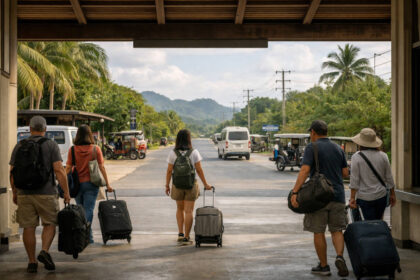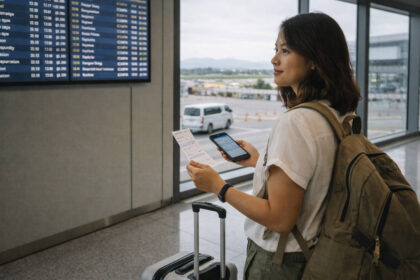
Getting from Bacolod to La Union can be straightforward if the plan is built around real-world friction: airport lead times, Manila terminal transfers, bus queues, late arrivals, and luggage handling. This guide compares the main routes and gives realistic door-to-door time blocks (with waiting), typical cost bands (always verify close to travel date), and low-stress decisions for when plans shift.
Quick answer and best low-stress choice (for most travelers)
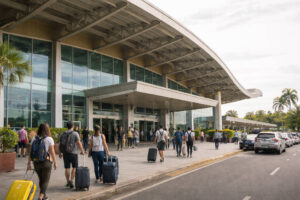 For most travelers, the most reliable low-stress route is Bacolod to La Union via a flight from Bacolod–Silay Airport (BCD) to Manila (NAIA), then a bus to La Union (usually San Fernando City or San Juan/Urbiztondo). It has the most frequent flight choices and the most flexible bus options—so if something delays you, there are usually more ways to recover.
If flight schedules line up, a “gateway that reduces bus time” (like Clark/Pampanga area) can be even smoother, but availability changes by season and airline route updates. Consider it a great option when it exists—just not something to assume.
Reality check: The long pole is rarely the flight. It’s the transfer (airport-to-terminal) and the bus ride time, especially when traffic or holiday queues hit.
First, clarify your endpoint in La Union (San Fernando vs San Juan/Urbiztondo)
Before booking anything, make sure “La Union” is understood as La Union Province in the Ilocos Region (Northern Luzon). Common traveler endpoints are:
- San Fernando City, La Union (provincial capital; common transport hub)
- San Juan, La Union (often the beach/surf area; “Urbiztondo” is a common barangay reference for stays)
This matters because some online search results and booking tools confuse “La Union” with places that share similar names in other provinces, or they show drop-offs that are not the surf town people mean. When searching or booking, use more specific terms like “San Juan, La Union” or “San Fernando, La Union” instead of only “La Union.” For geography/name clarification, this overview can help: La Union Province (Ilocos Region).
Reality check: A ticket that says “La Union” is not always enough. Confirm the exact drop-off and whether you’ll need a tricycle/jeep to reach your accommodation.
Option A (Fly to Manila, then bus) with door-to-door time and cost ranges
This is the most common and usually the most recoverable route: Bacolod to Manila by plane, then Manila to La Union by bus. It’s also the option where “transfer friction” matters most—especially in Metro Manila.
How it works
Typical flow: Bacolod city → BCD airport → NAIA → bus terminal in Metro Manila → bus to San Fernando or San Juan → short last-mile ride to your lodging.
Before diving into the bus-leg details, it helps to review how terminals, transfers, and bus categories typically work in the country: public transport guide in the Philippines.
Realistic door-to-door time breakdown (ranges, not promises)
Use these as planning blocks. Actual timing depends on traffic, terminal location, airline operations, and the bus schedule you catch (always check the latest).
Bacolod city to BCD airport travel buffer: typically 30–75 minutes (add more during peak hours or rain)
Airport arrival lead time (check-in/security): typically 1.5–2.5 hours before flight (longer during holidays)
Flight time BCD → Manila: typically ~1 hour to 1 hour 30 minutes (verify with airline)
Baggage claim + airport exit: typically 20–60 minutes
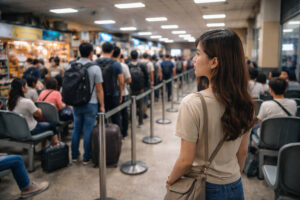 Transfer to bus terminal (traffic buffer + finding the right terminal): typically 60–150 minutes
Terminal waiting + boarding: typically 30–120 minutes (depends on how early you arrive vs departure)
Bus travel time to San Fernando, La Union: typically 5–8+ hours (traffic and stop patterns change this)
Last-mile time to accommodation (San Fernando → hotel, or San Juan drop-off → accommodation): typically 15–45 minutes
Overall realistic door-to-door: often 10–16 hours (same-day can be possible with good timing), and longer if you arrive late or miss the best bus window.
Reality check: If your flight lands late afternoon or evening, the “same-day bus” can turn into a stressful sprint. If you want low-stress, choose a flight that lands early enough to absorb delays and still reach the terminal calmly.
Typical cost range (verify close to travel date)
Because airfares and bus fares change often, treat these as planning bands:
BCD → Manila flight: typically PHP 1,500–6,000+ one-way depending on promo vs peak, baggage add-ons, and booking timing
Airport transfers in Manila (to terminal): typically PHP 150–1,500+ depending on mode and time of day (budget public options vs ride-hail vs taxi)
Manila → La Union bus: typically PHP 500–1,200+ depending on class and drop-off (verify with operator)
Last-mile rides in La Union: typically PHP 50–300+ depending on distance and time
Reality check: The “hidden cost” is often baggage add-ons and last-mile rides, not the base bus ticket.
Low-stress tips for Option A
Choose a flight that lands early enough to catch a same-day bus without sprinting through terminals.
Build a missed-bus buffer: assume you might not catch the first bus you hoped for, and identify the next realistic departure window.
If arriving late, consider an overnight in Manila (or near your departure terminal) rather than forcing a risky transfer in traffic.
Keep a small cash buffer for terminal fees, snacks, and last-mile rides—especially if card payment is unreliable in some terminals.
Pack a simple ride kit: water, light jacket, motion-sickness support if needed, and a power bank.
Reality check: Manila terminal transfers can be the most stressful part. Your plan should focus on making that step calmer, not faster.
Option B (Alternative Luzon gateway when available) with pros/cons and checks
This option aims to reduce bus time by flying into a Luzon gateway that’s closer to La Union than Metro Manila—when routes exist. The most common idea is flying to a gateway in the Clark/Pampanga area (or another nearby Luzon airport), then continuing by bus or land transfer toward La Union.
What to check first (because availability changes)
Direct flights from BCD to certain Luzon gateways can appear or disappear depending on airline route updates and season. Check current routes and flight days directly with airlines, and verify which airport you’re actually landing in.
Reality check: Don’t build your whole plan around a gateway flight until you’ve confirmed it exists on your exact travel dates.
Realistic door-to-door time breakdown (example structure)
The blocks below mirror Option A, but the “airport to terminal” step can be simpler, and the bus ride can be shorter depending on the gateway and your final La Union endpoint.
Bacolod city to BCD airport travel buffer: typically 30–75 minutes
Airport arrival lead time (check-in/security): typically 1.5–2.5 hours
Flight time BCD → Luzon gateway: typical flight durations vary; confirm with airline
Baggage claim + airport exit: typically 20–60 minutes
Transfer to bus terminal (near gateway): typically 30–90 minutes (depends on airport layout and transport options)
Terminal waiting + boarding: typically 30–120 minutes
Bus/land travel to San Fernando, La Union: often shorter than Manila-based travel, but still variable (verify current route and stop pattern)
Last-mile time to accommodation: typically 15–45 minutes
Overall realistic door-to-door: often 9–15 hours depending on the flight schedule alignment and the land connection you catch.
Pros and cons
Pros: potential to reduce bus time; less Metro Manila traffic exposure; sometimes easier terminal transfers.
Cons: fewer flight choices; fewer “recovery options” if your flight gets cancelled; land connections may be less frequent depending on the gateway.
Reality check: A shorter bus ride doesn’t always mean a faster trip if you end up waiting longer for the next bus or transfer.
Low-stress tips for Option B
Only choose this route if the flight arrival time gives you a comfortable land-connection buffer.
If you can’t clearly identify the next two backup departures from the gateway, treat it as higher risk than Option A.
Confirm whether the gateway has reliable late-night transport—if not, plan for an overnight stop.
Option C (Ship to Manila, then bus) with who it’s for and realistic timing
When available, a ship route (often via 2GO) can move you from the Visayas to Manila without flying. This is usually for travelers who prefer sea travel, have heavier luggage, or want to avoid flight baggage add-ons—while accepting that ship schedules and travel time are longer and more weather-sensitive.
Where to book and advisories
For official booking and schedule/advisory checks, use 2GO’s official site. Always verify sailing dates and check-in cutoffs close to travel day.
Realistic door-to-door time breakdown (ranges, not promises)
Bacolod city to port travel buffer: typically 20–60+ minutes (depends on your starting point)
Port arrival lead time + check-in cutoffs: typically 2–4 hours before departure (verify per sailing)
Baggage screening + terminal lines: typically 30–120 minutes
Sea travel time Bacolod → Manila (when routed): can be long (often overnight or longer) and schedule-dependent—verify current sailing duration
Disembarkation + port exit: typically 30–90 minutes
Transfer to bus terminal (traffic buffer): typically 60–150 minutes
Bus to San Fernando/San Juan: typically 5–8+ hours (verify)
Last-mile to accommodation: typically 15–45 minutes
Overall realistic door-to-door: commonly 20–36+ hours depending on sailing duration and connection timing.
Reality check: Ships can be delayed by weather and port conditions. Plan as if the trip may spill into the next day.
Who this option is for
Best fit: travelers with flexible time, those who dislike flying, or those who prefer a cabin/rest setting over airports and flights.
Not ideal: travelers with fixed check-in times in La Union or those trying to maximize weekend days with minimal travel.
Low-stress tips for Option C
Bring extra snacks and water and assume limited choices during certain sailing hours.
Choose a cabin/berth level that supports real rest if you plan to take a bus immediately after arrival.
Build a full-day buffer around your first night booking in La Union, or be ready to move it if the ship slips.
Option D (Backup/alternate chaining) for awkward timing
Sometimes the “best” route on paper becomes stressful because of flight times, sold-out buses, or late-night arrivals. Backup chaining keeps you moving without forcing tight connections.
Common backup chains (examples)
Chain 1: Bacolod → short ferry to Iloilo → flight from Iloilo to Manila (or a Luzon gateway when available) → bus to La Union. This can help if Bacolod flight options are limited on your dates.
Chain 2: Bacolod → Manila flight → overnight in Manila (near your departure terminal) → early bus to San Fernando/San Juan. This reduces sprint transfers and makes the bus leg calmer.
Chain 3: Bacolod → Manila flight → late arrival → stay near the airport → transfer to terminal in the morning → bus. This is often safer than a late-night cross-city transfer.
Reality check: The “extra overnight” can feel like lost time, but it often saves a trip from turning into a chain of rushed, expensive decisions.
Tickets: where to buy, what to save, and what to verify
Low-stress ticketing is about using official channels, avoiding last-minute surprises, and saving the right proof on your phone.
Where to buy (official, low-stress channels)
Flights: Use the airline’s official website/app, or airport ticketing when needed. Confirm the correct airport codes (BCD for Bacolod–Silay) and the Manila terminal/airport (NAIA terminals vary). Verify baggage rules and any terminal-specific instructions close to travel day.
Buses: Buy at operator terminals or official online channels when available. Avoid assuming one “fixed schedule” exists—always check the latest departure windows, especially during holidays and long weekends.
Ship (2GO): Book through official channels and check advisories and check-in cutoffs again near travel date.
Reality check: During peak periods, seat availability can change quickly. When dates are fixed, book earlier rather than relying on walk-in.
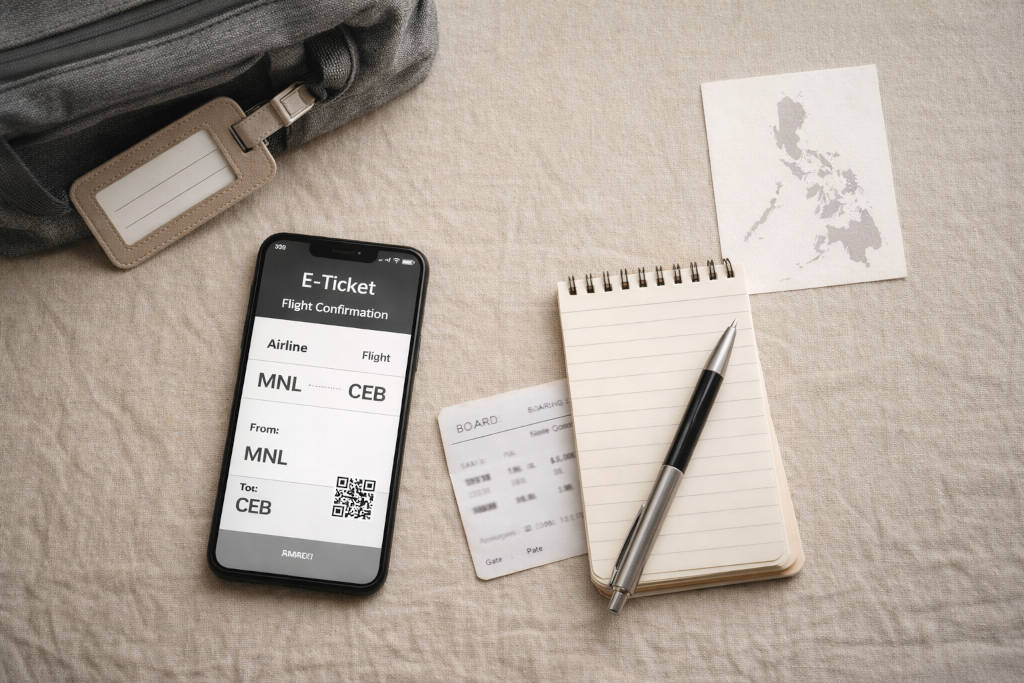
What to screenshot/save on your phone (plain lines, quick checklist)
Booking reference and e-ticket or QR code
Terminal or airport and date details
Seat assignment (if any)
Baggage allowance page or confirmation
Proof of payment or receipt
Photo of valid ID used
Emergency contact numbers or customer service chat thread
What to verify close to travel date
Flight terminal (NAIA terminal changes do happen)
Bus departure terminal and exact drop-off (San Fernando vs San Juan)
Holiday schedules and possible long lines
Ship check-in cutoff time and terminal fees
Luggage rules and terminal/port friction (what usually slows people down)
Most stress comes from small mismatches: a carry-on that’s overweight, a terminal transfer that takes longer than expected, or fragile items packed for undercarriage luggage handling. Plan for the “typical reality,” then verify the exact rules for your airline/operator.
For general travel safety reminders (valuables, night transfers, and situational awareness), this travel safety guide for the Philippines is a useful reference.
Flights (typical rules, always verify)
Carry-on limits: Most airlines enforce weight and size limits; some routes are stricter than expected. If you’re near the limit, assume a weight check can happen.
Checked baggage add-ons: Cheaper tickets may not include checked baggage. Prepaying baggage add-ons is often less stressful than paying at the airport.
Liquids: Usual liquid restrictions apply in carry-on; keep liquids organized to speed screening.
Power banks: Typically must be in carry-on, not checked baggage; keep them easy to present if asked.
Friction point: Manila terminal transfers. If you need to move between NAIA terminals or go from NAIA to a bus terminal, traffic and confusion can add a lot of time.
Reality check: A 1-hour flight can still lead to a 4–6 hour “airport-to-bus” reality if you land during peak traffic and lines.
Ships (typical rules, always verify)
Check-in cutoffs: Ships often require earlier check-in than flights. Missing cutoffs can mean losing the trip even if you’re at the port.
Terminal fees and ID checks: Budget for terminal fees (cash is helpful) and bring the valid ID used for booking.
Baggage screening: Expect screening and lines. Pack so essentials are reachable without unpacking everything.
Cabin comfort trade-offs: Cheaper accommodations can mean less rest. If you plan to bus right after arrival, prioritize a setup that lets you sleep.
Reality check: Sea travel is comfortable for some travelers, but the timetable is less predictable—especially in rough weather periods.
Buses (typical rules and comfort tips, always verify)
Undercarriage luggage handling: Bags are usually stored below. Use a luggage tag and keep valuables (cash, gadgets, IDs) in your day bag.
Fragile items: If something can break, keep it with you or protect it like it will be stacked.
Stops and restroom breaks: Long rides usually include stops, but timing varies. Bring small tissues and hand sanitizer just in case.
Long-ride comfort: A light jacket helps with cold aircon; keep water accessible; don’t rely on finding food exactly when you’re hungry.
Reality check: Even “deluxe” buses can be slowed by traffic and road incidents. Treat arrival time as a range, not a deadline.
Backup plans for delays/cancellations (simple decision tree style in plain text)
Use this as a calm sequence of decisions. The goal is to protect your safety, your first night booking, and your energy—without making expensive last-minute choices under pressure.
Minimum buffer rule for tight connections (especially in Metro Manila)
If your plan requires an airport-to-bus terminal transfer in Metro Manila, treat 3–4 hours as a safer minimum connection buffer. Less than that becomes high-risk once you add baggage claim, walking time, traffic, and terminal queues.
Reality check: “Google Maps says 45 minutes” is not a transfer plan. Always add traffic and line buffers.
If the flight is delayed (Option A or B)
Step 1: Check the new estimated landing time in the airline app and message your accommodation if your arrival might shift.
Step 2: If landing time still allows a calm terminal transfer with buffer, proceed—do not sprint. Choose the next realistic bus departure window.
Step 3: If landing time makes the bus risky (late evening, limited departures, or heavy traffic), switch early to an overnight in Manila or near the gateway, then take a morning bus.
Step 4: If you already bought a bus ticket, contact the bus operator about rebooking or moving to the next departure (policies vary).
If the flight is cancelled (Option A or B)
Step 1: Rebook via the airline app/official channel first (this is usually the fastest way to see options).
Step 2: If same-day rebooking is poor, compare switching to a different Luzon gateway (if available) versus moving travel to the next day.
Step 3: Protect your first night booking: message the accommodation and request a move of check-in date or a partial adjustment depending on their policy.
Step 4: If you have multiple segments (flight + bus), avoid buying new bus tickets until your flight is confirmed.
Reality check: The lowest-stress move after a cancellation is often accepting a next-day arrival rather than stacking multiple uncertain transfers.
If the ship is delayed or cancelled (Option C)
Step 1: Check official advisories and your booking status through the 2GO channel you used.
Step 2: Assume a next-day impact. Inform your La Union accommodation early.
Step 3: Keep extra snacks and water accessible; port waits can be long.
Step 4: If the sailing is cancelled, compare switching to flight-based options versus rebooking the next sailing depending on urgency.
Reality check: Ship disruptions often ripple into land connections. Avoid “tight bus tickets” right after a sailing unless you’re willing to rebook.
Bacolod to La Union FAQ
How long does Bacolod to La Union usually take?
Most travelers should plan for a full travel day. With a flight to Manila plus a bus, a realistic door-to-door range is often 10–16 hours depending on flight timing, Manila transfer friction, and bus travel time. Ship-based options are usually much longer and may span 20–36+ hours depending on sailing schedules.
Is it better to go to San Fernando City or San Juan (Urbiztondo)?
San Fernando City is a common hub and may have more straightforward terminal drop-offs. San Juan (Urbiztondo area) is the common surf/beach endpoint and may require a last-mile ride even if your bus route passes nearby. Choose based on where your accommodation is and confirm the exact drop-off point before buying tickets.
What’s the best way to avoid stressful Manila transfers?
Pick a flight that lands early, keep a 3–4 hour buffer for airport-to-terminal transfers, and be willing to overnight if you land late. If an alternative Luzon gateway flight exists and aligns well, it can reduce Metro Manila friction—just confirm availability and backup options.
Where should tickets be purchased for the lowest stress?
Use official airline apps/websites (or airport ticketing if needed) and bus operator official channels or terminals. For ship travel, book via 2GO’s official site and check advisories close to travel date. Save booking references, terminal details, and baggage rules on your phone.
Do buses to La Union run late at night?
Some routes have late departures, but it changes by operator and season. Treat night transfers as higher friction: longer waits, fewer options if you miss the bus, and more risk if you’re tired. If your flight lands late, an overnight stop can be the calmer choice.
What should be in a simple “ride kit” for this trip?
Water, light jacket, small snacks, power bank, and any personal meds (including motion-sickness support if you’re sensitive to long rides). Keep these in your carry-on/day bag so you don’t need to open your main luggage in terminals.
Is the ship option worth it?
It can be worth it for travelers who prefer sea travel and have time flexibility, especially if flights are expensive or limited. It’s not ideal for tight schedules because ship timing can shift and the total travel time is much longer.
With a clear endpoint (San Fernando vs San Juan), a realistic buffer for transfers, and saved documents on your phone, Bacolod to La Union travel becomes a planning exercise instead of a stressful chain of guesses. If you want more calm, practical trip planning reads, browse more tips and inspiration.